Best 30 Bottle Wine Coolers (2026): Zones, Cooling and Fit
Disclosure: We may earn a commission when you buy through links on this page, at no extra cost to you. As an Amazon Associate I earn from qualifying purchases. Learn more

Match the best 30 bottle wine cooler to your space: zones, cooling type, shelves and budget explained.
A couple starts with a case from a trip, a few gifts from friends, and bottles saved for birthdays, and soon the kitchen fridge is crowded with wine that deserves steadier storage. Choosing the best 30 bottle wine cooler for your home comes down to the space you can give it, how many people draw from the collection, and what you can spend. The comparison table below sums up the main styles so you can match one to your rooms and routine.
This size sits between a small starter unit and a large cellar style cabinet. It holds enough for regular dinners and small gatherings without taking over a room, as long as the fit and shelf layout suit the bottles you actually buy.

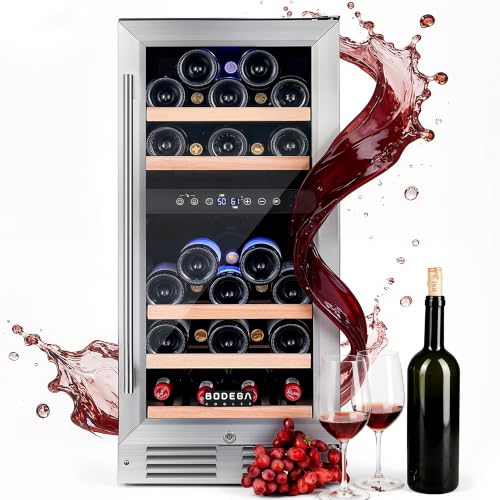
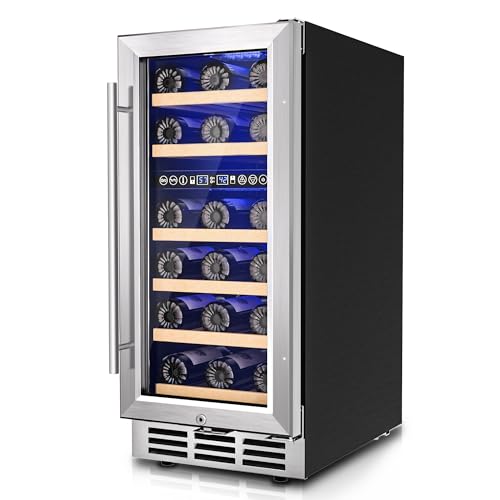

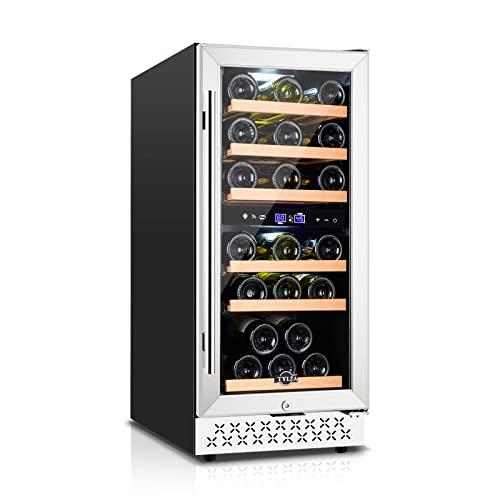
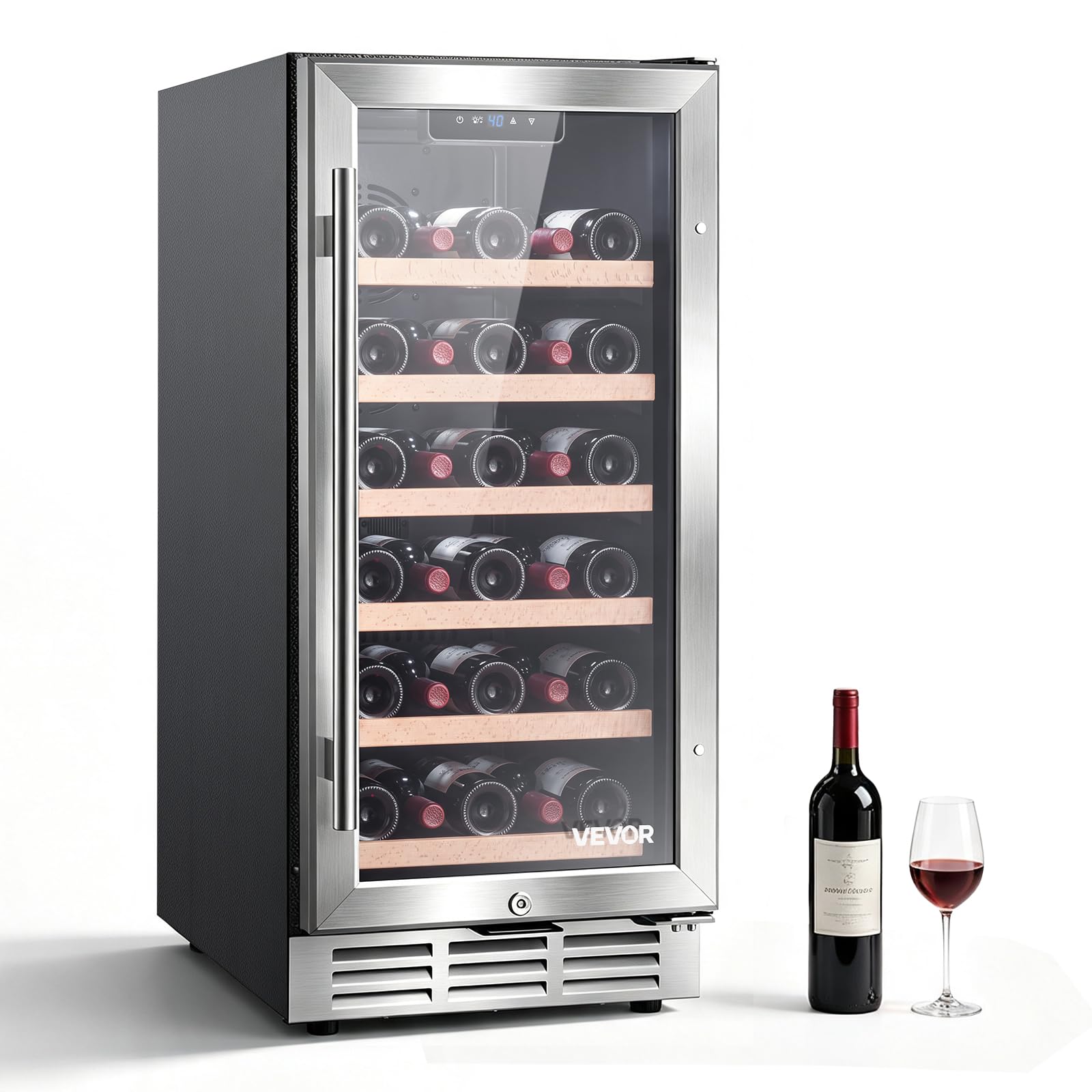


Quick Answer: The Three Styles in 30 Seconds
If you want one answer fast, think in styles rather than names. A single zone compressor model suits most homes that store one main type of wine. A dual zone model suits homes that pour both reds and whites each week. A slim freestanding model suits renters and anyone who may move the unit later.
- Single zone compressor: steady cooling, simple controls, and good value for mixed everyday storage.
- Dual zone compressor: two temperature settings in one cabinet for homes serving reds and whites at the same meal.
- Slim freestanding: flexible placement in a dining room, den, or home bar corner without cabinet work.
Before You Buy: A Quick Checklist for Choosing a Wine Cooler
Size: Match It to Your Space
Capacity counts assume standard Bordeaux style bottles, so wider bottles for sparkling wine, Pinot Noir, or Syrah reduce the real total. A household that buys mixed cases may fit closer to 24 to 27 bottles once wide bottles are loaded. Compare this size with smaller 12, 18, and 24 bottle units if your collection turns over fast, or with 46 and 50 bottle units if you age bottles for years. If cabinet space is the limit, look at our guide to the best undercounter wine cooler options for narrower placements.
Which Type Fits Your Routine
Single zone units hold one temperature throughout, which works when most of your bottles are alike or when you chill whites shortly before serving. Homes that open both colors weekly should read about the best dual zone wine cooler styles, since separate zones keep whites ready while reds rest a little warmer. Cooling method matters too, and the guide on compressor vs thermoelectric wine cooler designs explains the split. Compressors handle warm rooms and larger loads, while thermoelectric units run with less vibration but struggle when room air gets hot.
Features Worth It (and Ones to Skip)
A door lock earns its cost in homes with curious children or in shared spaces where bottles should stay put. Soft LED lighting helps you read labels without warming the cabinet much, and a reversible door lets the unit fit a left or right corner. Wooden shelves cradle bottles gently and slide well, while plain wire racks cost less and hold cans or mixers. Skip paying extra for phone apps, color changing lights, or display racks that eat capacity, since none of them keep wine in better condition.
Wattage, Power and Energy Use
Most units in this class draw modest power, closer to a small fridge than to a major appliance, but the exact draw varies with cooling type, insulation, and how often the door opens. Place the unit away from ovens and sunny windows so the motor works less, and keep the vents clear so air can move. A model with a recognized energy program can trim running costs over years of steady use.
Safety Features and Certifications
Look for a listing mark from UL or ETL on the label, which shows the unit met a recognized safety standard. A grounded plug, a door that seals fully, and stable leveling feet all matter in busy kitchens. If small children visit often, a lock is a sensible extra. Keep the cord away from heat and water, and never run the unit on a damaged outlet.
Counter Space and Dimensions
Measure the spot three ways before you order, width, depth, and height, and add clearance for the door swing and rear vents. Many 30 bottle units stand about 15 inches or 24 inches wide, and that gap decides whether the cooler slides into a cabinet gap or stands alone. The comparison in built in vs freestanding wine fridge layouts helps here, because built in models vent at the front while freestanding models need open space around the sides and back to release heat safely.
Realistic Budget Ranges
Expect to pay about $200 to $300 for a basic single zone unit with wire shelves and simple controls. Models priced about $300 to $500 usually add a compressor suited to warm rooms, better shelving, and a cleaner finish. Spending about $500 to $1000 tends to buy dual zones, quieter running, and stronger warranties. Set your budget by cooling needs first, then finish, and start with the wider guide to the best wine cooler range if you are still weighing sizes.
Three Styles of 30 Bottle Wine Cooler Compared
Single Zone Compressor Style for Most Homes
This is the default choice for a family that drinks mostly one style or rotates bottles quickly. One setting keeps the whole cabinet steady, controls stay simple, and compressor cooling holds its temperature in a warm kitchen. The limit is serving flexibility, since whites and reds share one setting. Choose a middle setting for storage and give whites extra time in the kitchen fridge before a meal if you like them colder.
Dual Zone Style for Mixed Households
Two zones solve the common argument in homes where one person pours crisp whites and another prefers reds at cellar temperature. The upper and lower sections hold separate settings, so both styles stay close to ready without last minute fridge shuffling. The costs are a higher price, a little less room in each zone, and more parts to service later. This style suits couples and families who entertain often and open several bottle types in one evening.
Slim Freestanding Style for Flexible Rooms
A slim freestanding unit fits renters, small homes, and anyone setting up a modest home bar in a dining room or den. You place it where an outlet and level floor allow, and you can take it along when you move. Because it vents around the sides and back, it cannot slide into tight cabinetry without overheating, so leave open air around it. The narrow shelves may limit very wide bottles, so check shelf spacing against the shapes you buy most.
How to Judge the Best 30 Bottle Wine Coolers
This guide weighs capacity honesty, cooling stability, ease of daily use, cleaning effort, noise level, safety listings, and warranty terms. It draws on maker specifications and patterns in verified buyer feedback, such as repeated notes about door seals or shelf spacing.
Is a 30 Bottle Wine Cooler the Right Size for You?
Count what you own now, then add what you expect to buy in the next few months. If you keep 15 to 25 bottles on hand and a few more arrive as gifts or case deals, this size gives breathing room without empty shelves. If you rarely hold more than ten bottles, a smaller unit saves floor space and power. If you age bottles for years or buy several cases at once, you will outgrow this size fast and should plan for a larger cabinet instead of a second small one.
Household size matters as well. A home that hosts monthly dinners for eight needs buffer stock for events, while a cooler that sits half empty most of the year wastes both space and electricity.
Common Buying Mistakes to Avoid
- Measuring only the width: forgetting door swing and vent space leaves a unit that fits the gap but runs hot and shortens its working life.
- Trusting the headline capacity: wide and sparkling bottles take more room, so a mixed collection will hold fewer bottles than the box claims.
- Buying dual zones you will never set apart: paying for two zones while storing one style of wine wastes money and shelf space.
- Placing it beside heat: a spot next to an oven or in direct sun forces constant cooling and can push temperatures out of range.
- Ignoring noise ratings: a loud unit in an open plan living area or near a bedroom door becomes a daily annoyance.
Cost of Ownership and Care
Running costs stay modest when the door seals well and the vents stay clear, so wipe the seal monthly and vacuum dust from the rear grille a few times a year. Replacement parts are usually limited to a light, a handle, or a shelf, and filters appear only on a few models with odor control. The guide on how to use a wine cooler covers daily settings and loading habits that reduce wear. Budget a little for a surge protector if your area sees frequent storms.
Your Questions, Answered
What is the most reliable wine cooler brand?
Reliability in this class tracks build details more than a name on the door. Look for a compressor with a warranty of at least a few years, a door seal that closes evenly, and widely available parts and service in your area. Checking recent owner reports for repeat seal or cooling faults tells you more than any single award or badge.
How do you clean a wine cooler?
Unplug the unit, remove the bottles and shelves, and wipe the interior with a cloth dampened with water and a little mild soap. Dry every surface fully before reloading, since leftover moisture invites odors and mold on labels. One point many owners miss is the drain hole at the back wall, which can clog with debris and cause pooled water, so clear it gently with a cotton swab during each deep clean.
Is a wine cooler worth it?
It is worth it if you regularly keep bottles for weeks or months and your home runs warm or bright, since steady cool and dark storage protects flavor better than a kitchen counter. It is harder to justify if you buy a bottle and open it the same week. If most of your last ten purchases waited a month or more before opening, dedicated storage will likely earn its place.
How long does a wine cooler last?
Many units serve about 8 to 12 years with basic care, though heavy use in a hot room can shorten that span. An early warning sign worth acting on is a motor that runs almost without pause while the interior still feels warm, which can point to a failing seal or a cooling fault. Having a technician check that symptom early can prevent a total loss of the bottles stored inside during a warm spell.
What size wine cooler do I need?
Start with your peak stock, the most bottles you hold at once after a case purchase or a holiday, rather than your average. Add about a quarter more space for gifts and wide bottles, then pick the size that covers that peak. If your peak lands between sizes, the larger unit is usually the calmer choice, because cramming bottles blocks air flow inside the cabinet and makes labels tear when shelves slide in and out.
What is the best 30 bottle wine cooler for a home bar?
For a home bar, the strongest fit is usually a dual zone compressor style with a lock, soft interior light, and shelves that slide far enough to read labels without pulling bottles out. Bar use means frequent opening during gatherings, so fast temperature recovery after the door closes matters more than it does for quiet storage. Measure the bar counter depth as well, since many bar cabinets are shallower than kitchen cabinetry.
The Bottom Line
For most households, a single zone compressor style is the best 30 bottle wine cooler balance of steady storage, simple daily use, and fair cost. Choose dual zones if your family pours reds and whites side by side each week, and choose a slim freestanding style if you rent or expect to move. Check your measurements and bottle shapes against the product table above, and you will end up with a cooler that fits your home as well as your collection.