
Best 3 Step Ladders (2026): Types Compared and Buying Guide
Disclosure: We may earn a commission when you buy through links on this page, at no extra cost to you. As an Amazon Associate I earn from qualifying purchases. Learn more

A practical guide to the best 3 step ladder: steel, aluminum, and platform styles, plus reach, load rating, and storage.
A kitchen cabinet you cannot quite reach and a light bulb just past your fingertips are daily annoyances in most homes. The best 3 step ladder solves both without the bulk of a tall ladder that needs a garage corner and two hands to move. It folds flat, opens in seconds, and gives you a steady platform for chores at ceiling height.
This guide compares the main types, explains the specs that affect stability, and helps you match a model to your rooms and your body. Start with the comparison table below, then read the sections that fit your situation.

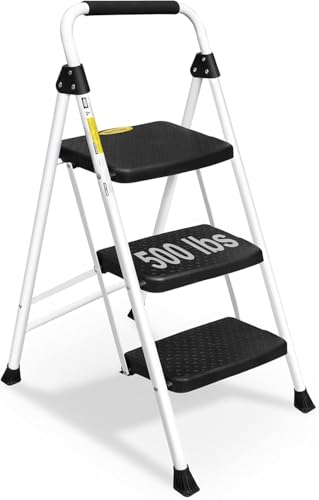


Who Should Buy a 3 Step Ladder?
Three steps suit more homes than any other size because most indoor tasks sit in a narrow band above your head. The groups below show where this size shines. If your jobs go well beyond indoor reach, our guide to the best ladder covers taller options.
Homeowners and Renters Doing Everyday Chores
You change bulbs, clean ceiling fans, hang curtains, and pull storage boxes down from closet shelves. A 3 step model handles all of these in rooms with ceilings around 8 to 10 feet, and it stores behind a door when space is tight. Renters like it because it needs no wall mounting and leaves no marks. Choose a version with a top platform wide enough to stand on with both feet while you work.
Shorter Adults and Older Users Who Want Extra Support
If reaching overhead makes you stretch on tiptoe, three steps bring the work down to a safer height. Look for a model with a tall handrail you can hold while climbing and while standing on the top step. Deep treads matter more for you than for taller users, because a full foot placement feels steadier than balancing on a narrow rung. A lighter frame also helps if you move the ladder alone.
Painters, Cleaners, and DIY Users Working at Ceiling Level
You spend longer on the ladder than someone swapping a bulb, so comfort underfoot decides how the job feels. A platform style top step lets you shift your weight and turn toward the wall without climbing down to reposition as often. A tool tray keeps supplies within reach and cuts trips up and down. If most of your projects are indoors, our guide to the best ladder for home use compares more options.
Types of 3 Step Ladders Compared
All 3 step ladders give you the same number of climbing levels, but their frames feel very different in use. Your choice among the three types below depends on your weight, your storage space, and how long you stand on the top step.
Steel Frame Ladders
Steel frames are the sturdy and affordable workhorses of this category. They support higher loads than most aluminum models of the same size, and the frame feels solid with little flex when you shift your weight. The trade off is weight, since a steel model can feel heavy to carry up stairs. Steel also needs a coated finish to resist rust, so store it indoors and dry it after outdoor use.
Aluminum Frame Ladders
Aluminum frames cut the carrying weight a lot, which matters if you haul the ladder between floors or out to a porch often. The metal will not rust, so a damp garage bothers it less than bare steel. Aluminum can flex a little more under heavier users, so check the load rating with care and choose a frame with braced joints. For a fuller look at how frame metals compare, see fiberglass vs aluminum ladder.
Platform Ladders With a Handrail
Platform models replace the narrow top step with a broad standing surface and add a rail that rises above it for your hands. Standing feels calmer because your feet rest flat and your knees can lean lightly against the rail. These models fold a little thicker, weigh more than basic frames, and cost more as well. They suit anyone who works at height for more than a few minutes or who feels unsure on open steps.
How to Choose the Right 3 Step Ladder
Five factors decide whether a ladder feels steady and useful or awkward and rarely touched. Work through them in order, and use our guide on how to choose a ladder for the same process applied to other sizes.
Reach and Top Step Height
The top step of most 3 step ladders sits about 2 to 3 feet above the floor. Add your standing reach, roughly 2 feet above your height with your arm raised, and you get a working reach of about 8 to 10 feet. That covers ceilings, smoke alarms, and the tops of standard cabinets. Measure your tallest task before you buy, because a ladder that leaves you stretching at full extension is one you will use unsafely.
Load Rating and Duty Class
Every ladder carries a duty rating that states the most weight it should hold, including you and anything you carry up. Common classes run from about 200 pounds for light household models to about 300 pounds or more for heavy duty ones. Pick a rating with room to spare rather than one that matches your weight exactly, because tools and paint cans add pounds fast. A generous rating also tends to come with thicker rails that flex less underfoot.
Step Treads and the Top Surface
Steps should be deep enough for most of your foot, with a ribbed or textured surface that grips shoe soles even when a little dust is present. Narrow round rungs belong on tall extension ladders, not on a step ladder you stand on to work. Look at the top surface too, since many models add a small cap where you can set a screwdriver. Wide steps spaced evenly apart make climbing feel natural and reduce missed steps on the way down.
Handrail, Tool Tray, and Other Extras
A handrail is the extra most worth paying for, because it gives you three points of contact while you climb and a steady hold while you work. A molded tool tray with a can holder saves trips down for small items. Rubber feet protect hard floors and grip smooth surfaces better than bare metal ends. Wheels help only on wide platform models, and locking casters matter if you choose them, because a ladder that rolls while you climb is a hazard.
Folded Size, Weight, and Storage
Check the folded dimensions in the listing before you buy. Most 3 step models fold to about 4 to 6 inches thick and stand about 4 to 5 feet tall, which fits inside a closet or behind a door. Weight ranges from about 10 pounds for aluminum frames to about 20 pounds for steel platform models. If storage is your tightest limit, measure the exact spot first and compare it with the folded numbers.
Is a 3 Step Ladder the Right Size for You?
For ceilings up to about 10 feet and tasks like hanging pictures, cleaning high shelves, and reaching attic hatches, three steps are usually enough. The size falls short outdoors, where gutter cleaning and roof edges sit higher and the ground is uneven. It also falls short in rooms with vaulted ceilings or tall stairwell walls, where you need a longer ladder on level ground.
When your tallest jobs pass the reach described earlier, step up a size rather than standing on the top cap, which makers warn against. If garage and yard work dominate your list, a best telescoping ladder guide will show you taller options that still store in a small footprint.
Common Mistakes to Avoid
- Standing on the top cap or the highest rung not meant for standing, which puts your center of gravity too high and invites a fall.
- Placing the ladder on a rug, a drop cloth pile, or uneven soil instead of a firm and level surface.
- Leaning out to the side to reach a spot instead of climbing down and moving the ladder, which tips the frame sideways.
- Ignoring the load rating and carrying heavy tool bags up, which overloads joints rated for less total weight.
- Climbing with wet or smooth soled shoes, which slide on metal treads even when the steps are textured.
- Leaving the ladder folded against a damp wall for months, which corrodes hinges and weakens moving parts.
How to Make Your 3 Step Ladder Last Longer
Open and close the ladder a few times each season and check that the hinges move smoothly and lock with a clear click. Tighten any loose bolts you find, and replace worn rubber feet before the bare frame starts to scratch floors or slip. Wipe the steps after dusty jobs so grit does not grind into the tread surface or work into the hinges.
Store the ladder indoors, folded, in a dry place out of direct sun and away from solvents that can damage paint and rubber parts. Before each use, scan the rails for dents and cracks, and stop using the ladder if a rail bends or a step feels loose. For safe habits while climbing and positioning any ladder, read our guide on how to use a ladder.
FAQ
What is the best 3 step ladder for most homes?
For most homes it is a platform style model with a handrail, deep treads, and a load rating comfortably above the heaviest user plus tools. That mix covers short and tall users alike and feels steady during longer tasks like painting. If budget matters more than extras, a basic steel frame with wide steps serves well for quick jobs. Confirm your reach numbers before you settle on any single style.
What size ladder do I need for my ceiling height?
Measure from the floor to the highest point you must touch, then subtract your height plus about 2 feet of arm reach. The result is roughly the standing height you need from the ladder, and a top step around 2 to 3 feet covers ceilings near 9 to 10 feet for average height adults. Shorter users should aim one size up rather than plan to stretch. Always leave a margin, because working at your absolute limit reduces your balance.
How long does a 3 step ladder last?
A metal household ladder kept indoors can serve for many years, often a decade or more, because it has few parts that wear out. Hinges, locking braces, and rubber feet age first, and sun plus moisture speed that wear. Retire the ladder when a rail cracks, a step bends, or a lock stops engaging firmly, since a repair rarely restores the original strength.
Is a 3 step ladder worth it for a small apartment?
Yes, in most small apartments it earns its space quickly, because it replaces the risky habit of standing on chairs or counters to reach cabinets and bulbs. Folded models slide into a closet or the gap beside a fridge, so the storage cost stays low. The main case against one is a studio with very low ceilings you can already reach. For everyone else, the safety gain alone justifies the modest price.
How do you clean a 3 step ladder?
Wipe the frame and steps with a damp cloth and mild soap, then dry everything fully so water does not sit in the hinges. Sticky paint drips usually soften with warm soapy water and a plastic scraper, which avoids gouging the finish. Check the tread grooves while you clean, because packed dust and dried mud reduce grip more than most owners expect.
What is the most reliable ladder brand?
No single brand wins for every buyer, and reliability in this category tracks build details more than the name on the rail. Look for a clear duty rating label, a stated warranty you can read before buying, and replacement feet that the maker actually sells. Consistent welds, braced step joints, and honest weight ratings are better signs than a famous logo. A maker that publishes its safety certifications gives you something concrete to trust.
Final Thoughts
Pick the frame that fits your body, your heaviest task, and your storage spot, and a simple ladder becomes a much used tool at home. The product table above pulls the leading styles together so you can compare reach, rating, and folded size at a glance. For most readers, the best 3 step ladder is the platform model with a handrail and room to spare in its rating.


