Best 3 in 1 Elliptical: A Complete Buying Guide for 2026
Disclosure: We may earn a commission when you buy through links on this page, at no extra cost to you. As an Amazon Associate I earn from qualifying purchases. Learn more

Compare the best 3 in 1 elliptical options by stride, resistance, space and noise, with clear advice on the mistakes to avoid before you buy.
A 3 in 1 elliptical promises three machines in one footprint: an elliptical for smooth standing cardio, a stepper motion for climbing work, and a seated bike position for lower intensity sessions. That versatility is wonderful for a shared household, and confusing when every listing claims all three jobs equally well.
This guide explains how to judge the best 3 in 1 elliptical for your body, your room, and your routine, without naming winners. The product table below shows typical price tiers at a glance, and the checks that follow will help you sort the wider family of these three mode machines fast.
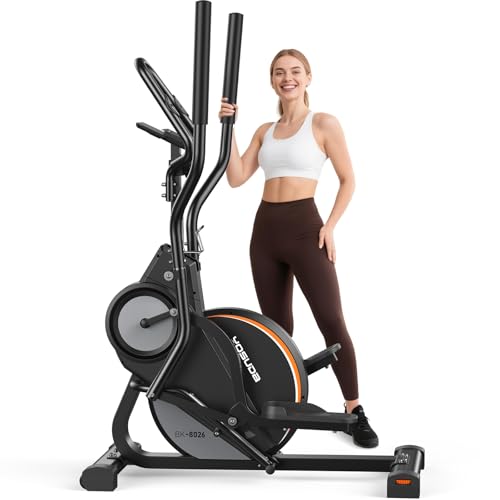


Three Price Tiers at a Glance
Balanced Tier
The most balanced machines, usually about $600 to $1,000, combine a steel frame, magnetic resistance with a wide range of levels, and a stride that suits average heights in all three modes. The seated position gets a properly padded, adjustable seat rather than an afterthought perch, and the console tracks time, distance, and heart rate clearly. This tier suits households where two or three people with different goals share one machine. The limit is size: balanced machines are rarely the most compact, so measure your room before falling for the spec sheet.
Value Tier
Value models around $300 to $600 keep the essentials: magnetic resistance, a solid frame for light to moderate users, and all three motions in a smaller footprint. You give up refinement, such as quieter drive systems, finer resistance steps, and richer consoles. For a single user building a steady habit three or four days a week, that trade is sensible. Check the stated weight capacity carefully in this tier and stay comfortably below it, because frame flex shows up here first when a stronger user works hard in stepper mode.
Beginner Tier
Beginner friendly machines focus on confidence: a low step up height, simple controls with big readable numbers, and preset programs that guide a session so you never stare at a blank console wondering what to do. Prices overlap the value tier, about $350 to $650, with the money going to stability and ease rather than top end resistance. If you are returning to exercise after a long break, talk with your clinician first about the right intensity, and choose the machine that makes starting easy and stopping safe.
How to Choose the Best 3 in 1 Ellipticals: Buying Guide
Space, Footprint, and Ceiling Height
Measure the floor space and then measure upward, because an elliptical raises you higher than a bike does. Add your height to the pedal at its highest point, often about 12 to 18 inches of lift depending on design, and keep at least a few inches of clearance above your head. Leave roughly two feet of open space behind the machine for safe mounting and dismounting. Foldable designs help in apartments, but confirm the folded dimensions and the weight you must lift, since a heavy fold is a fold you will stop using.
Stride Length, Range of Motion, and Ergonomics
Stride length shapes how natural the elliptical motion feels. Around 16 to 20 inches suits most adults; shorter strides feel choppy for taller users, while very long strides can strain shorter users at full reach. Because a 3 in 1 also steps and pedals seated, check how each motion treats your knees and hips, at least through detailed sizing charts and return policies. Handlebar positions should let you stand tall without hunching. If you have joint concerns, ask your clinician or a physical therapist which motion deserves priority for your body.
Noise Level for Apartments
Magnetic resistance is the quiet option, with no friction pads to squeak or wear, and a belt drive keeps the sound low enough for early morning sessions in most apartments. Noise often comes from the room, not the machine: hard floors pass vibration into the structure, while a dense equipment mat absorbs much of it and protects the floor at the same time. Stepper mode is naturally the loudest of the three, because your weight shifts fully with each step, so plan harder climbing sessions for sociable hours if your floors are thin.
Console, Programs, and App Connectivity
A good console shows the numbers you actually use, such as time, resistance level, distance, and heart rate, at a glance and without deep menu digging. Preset programs that vary resistance automatically keep beginners progressing and spare everyone decision fatigue. Bluetooth links to training apps and heart rate straps, which helps if you enjoy tracked goals, but confirm whether key features sit behind a subscription. A simple tablet ledge and a water bottle holder you can reach mid stride matter more day to day than a giant built in screen.
Resistance Type and Range
Magnetic resistance is the standard worth choosing: silent, smooth, and consistent from level to level, with no pads to replace. Air based systems grow harder the faster you move, which some athletes love, while hydraulic designs appear on the smallest steppers and feel less smooth. Count the levels, but judge the range: the lowest level should feel easy enough for a gentle warm up, and the highest should challenge strong legs in stepper mode. Electronic adjustment beats a manual knob when you follow programs that change intensity mid session.
Build Quality and Weight Capacity
A steel frame with a heavier gauge and clean welds is the backbone of all three modes, especially stepper mode, which loads the frame unevenly. Compare the stated weight capacity with your body weight plus margin; staying at least 30 to 50 lb under the limit keeps flex, noise, and wear down. A heavier machine is usually steadier, though harder to move, so look for transport wheels. Wide stabilizers and large, textured pedals with secure foot straps complete the safety picture, particularly for older users working on balance.
Types of 3 in 1 Ellipticals
Compact/Foldable Models
These shrink the footprint with shorter frames and folding rails, suiting apartments and spare rooms that double as offices. The compromise is stride length and stability at high effort, so they fit steady moderate training better than hard intervals. Measure the folded shape against your actual storage corner, not the brochure diagram. For small homes, this is often the only workable type, and a workable machine used daily beats a larger one you had to return.
Smart Connected Models
Connected machines add app workouts, automatic resistance changes that follow a trainer, and detailed progress tracking. They motivate people who thrive on classes, streaks, and data. Costs include the higher purchase price and, often, a monthly subscription you should count over two years before judging value. If you already know you prefer your own music and a simple timer, the same money buys a stronger frame in a non connected model, which many long term owners find the wiser trade.
Commercial Grade Models
Built for gyms and heavy shared use, these bring the thickest frames, the highest weight capacities, and warranties that assume hours of daily work. At home they shine for tall or heavy users and for families where the machine rarely rests. Prices climb well above $1,500 and the footprint grows too, so the value only lands if you truly use the durability. Households comparing simpler two mode machines in our guide to the best 2 in 1 elliptical will see how much the third mode adds in size and cost.
Tips to Get the Most From Your 3 in 1 Elliptical
- Use a mat. A dense mat protects floors, cuts vibration noise, and keeps the machine from creeping during stepper sessions.
- Wipe down after each workout. Sweat is salty and corrosive, so a quick wipe of rails, handles, and the console extends the life of moving parts and sensors.
- Tighten bolts monthly. Three motion patterns loosen hardware in different places, so a short monthly check with the supplied tools prevents squeaks and wobble.
- Start with lower resistance and build gradually. Add time before intensity, especially in stepper mode, and stop if you feel chest pain, sharp joint pain, or dizziness, then seek medical advice before your next session.
- Rotate the modes. Alternating elliptical, stepper, and seated days spreads the workload across muscles and joints, which is the whole point of owning three machines in one. Riders who love the seated mode can also explore the best 2 in 1 elliptical and bike designs that emphasize that pairing.
FAQs
Which type of 3 in 1 elliptical is better for beginners?
A stable mid priced model with a low step up height, magnetic resistance, and guided preset programs is the best starting point, because it removes guesswork while you build the habit. Very compact models can feel wobbly and discourage new users. When you shop this category as a beginner, favor frame stability and a generous return window over advanced screens or the highest resistance levels.
How much space do I need for a 3 in 1 elliptical?
Plan on a footprint of roughly 4 to 6 feet long and 2 to 3 feet wide, plus about two feet of clear space behind for safe mounting. Ceiling height is the surprise constraint: add the pedal lift, often 12 to 18 inches, to your height and keep clearance above that. Measure your exact room and compare with the listed dimensions of the folded and working positions before ordering.
How long does a 3 in 1 elliptical last?
A well built home model typically lasts five to ten years, with wear parts like pedal straps, seat rollers, and console batteries needing attention along the way. Magnetic resistance has few parts to wear out, which helps longevity. Monthly bolt checks and keeping sweat off the frame stretch the lifespan considerably. Warranty length on the frame, at least five years, is a useful signal of how long the maker expects the machine to serve.
Is a subscription required to use a 3 in 1 elliptical?
No. Every sound model works fully in manual mode without any subscription, letting you set resistance and follow the built in programs. Subscriptions only unlock streamed classes, adaptive plans, and extra data on connected models. Ask exactly which features stop working if you cancel, because on some machines even a few preset programs sit behind the paywall. Buying a machine that stays useful for free protects you if prices rise later.
Is a 3 in 1 elliptical quiet enough for an apartment?
Yes, with magnetic resistance and a good mat, the elliptical and seated modes are quiet enough for most apartments, producing a soft rhythm rather than impact noise. Stepper mode travels more through floors, so schedule it thoughtfully. Placing the machine on an interior wall side of the room and away from a shared bedroom wall helps too. If a neighbor can hear your normal footsteps clearly, no cardio machine will be silent, so manage expectations and timing.
The Bottom Line
Measure your room and ceiling first, match the stride to your height, and choose a steel frame with honest weight capacity and magnetic resistance. Those choices decide whether all three modes get used or one machine gathers dust. Cross check your finalist against the product table above, read one more comparison such as the best choice elliptical bike 2 in 1 if the seated mode tempts you most, talk with your clinician about your personal exercise needs, and the best 3 in 1 elliptical for your home will be clear.