Best 3 Cup Rice Cookers in 2026: Types and Buying Guide
Disclosure: We may earn a commission when you buy through links on this page, at no extra cost to you. As an Amazon Associate I earn from qualifying purchases. Learn more

Compare the best 3 cup rice cooker types by controls, grain settings, footprint and care for small kitchens and small households.
Picture a weeknight in a small kitchen. Dinner is nearly ready, counter space is tight, and you want rice for two without a big pot to wash or a pile of leftovers to store. That is the gap the best 3 cup rice cooker fills. It cooks a modest batch well, tucks into a cabinet, and asks very little of you on busy days.
This guide helps you choose by the things that matter at home: the space you have, the number of people you feed, and the budget you want to stay within. Use the three types below to see how the main options differ, then work through the checklist before you order. If you cook for a crowd most nights instead, see our guide to the best rice cooker for larger capacities.




Quick Answer: Three Types That Fit Real Homes
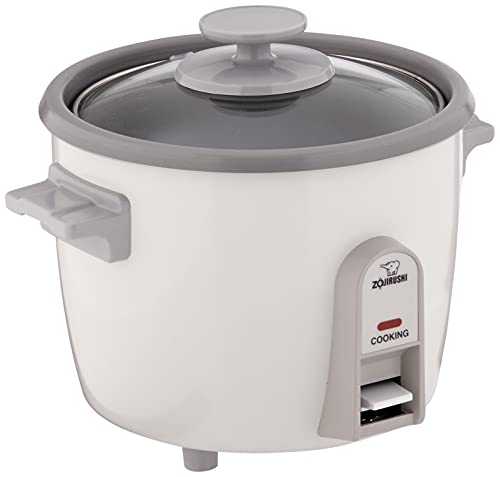
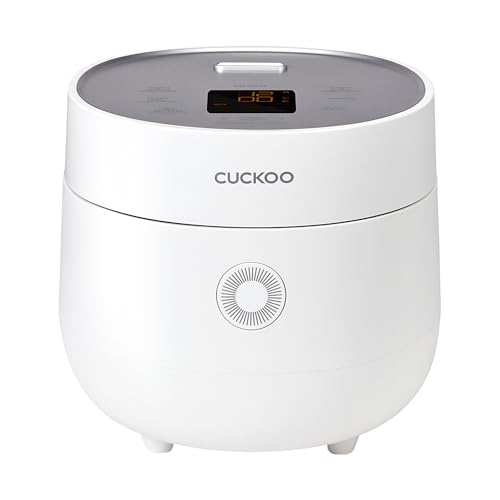
Nearly every model in this size falls into one of three groups. Simple one switch models cost the least and suit one person who cooks plain white rice a few times a week. Micom models with fuzzy logic cost more and suit couples who cook several kinds of rice. Induction and pressure models suit households that cook rice daily and care most about even texture.
Before You Buy: A Quick Checklist for Choosing a Rice Cooker
Size: Match It to Your Space and Your Appetite
The 3 cup figure refers to uncooked rice measured with the small cup that comes in the box, and it yields roughly 6 cups of cooked rice. That feeds one to three people at a meal, with a modest portion left for lunch. Mini models leave no room for guests, while 5.5 cup and 10 cup models take up far more room. If space is your main limit, browsing the best small rice cooker options alongside this size helps you compare footprints.
Which Type Fits Your Routine
Basic models use a single lever and a simple heating plate, and they do one job well. Micom models add a microcomputer that senses temperature and adjusts cooking time, which helps with brown rice and mixed grains. Induction models heat the whole pot rather than only the base, and pressure models cook under pressure for a softer result. Designs from Japan are known for careful temperature control, so if that style appeals to you, our guide to the best japanese rice cooker explains the approach in depth.
Features Worth Paying For and Ones to Skip
A steamer basket earns its place if you cook vegetables, eggs, or dumplings while the rice cooks, because it turns one appliance into a small meal station. A removable inner lid and a detachable cord make washing and storage easier every day. A clear water scale inside the pot matters too, since guessing the water level is the main cause of gummy rice. Skip large preset menus you will never open.
Wattage, Power and Energy Use
Most models in this size draw about 300 to 700 watts while cooking, and a typical batch finishes in roughly 20 to 35 minutes depending on the type of rice. That is a small amount of electricity per batch, far less than heating a large oven for the same meal. The keep warm setting draws only a little power, yet it runs for hours, so the total adds up if you leave it on all day.
Safety Features and Certifications
Look for a listing mark from UL or ETL on the product page or the box, which shows the appliance was certified to United States safety standards. A sturdy lid latch, cool touch outer walls, and a cord that detaches if it gets pulled are practical protections in a busy kitchen. Keep the cord away from the steam vent and from water, and place the cooker where children cannot reach across it during cooking.
Counter Space and Dimensions
Most 3 cup models measure roughly 8 to 10 inches wide and about 8 to 9 inches tall with the lid closed, small enough for an apartment counter or a dorm shelf. Measure your cabinet height as well, because a cooker that fits under upper cabinets may still block the doors when the lid opens. Leave a few inches behind the unit for the cord, and check the weight if you plan to store it away between uses.
Realistic Budget Ranges
Simple one switch models usually cost about $20 to $40, and they cover plain rice for one person without fuss. Micom models with fuzzy logic generally run about $60 to $150, and the extra money buys more even results across different grains. Induction and pressure models often cost about $150 to $300, which only makes sense if rice is a daily staple in your home.
Three Types Compared for Daily Home Use
Simple One Switch Models
You add rice and water, press one lever, and the cooker switches itself to keep warm when the rice is done. There is almost nothing to learn and very little to break, and the small pot rinses clean in a minute. The limits show up with brown rice and other grains that need longer, gentler cooking, which can turn out firm or uneven. Choose this type if you mostly cook white rice, live alone or with one other person, and want the lowest cost and smallest footprint.
Micom Models With Fuzzy Logic
A micom cooker uses sensors and a small computer to adjust heat and time during cooking, rather than following one fixed cycle. The rice can soak a little longer, cook a little slower, or rest at the end, depending on what the sensors detect. The result is more forgiving rice when your water measurement is slightly off, and better results with brown rice and mixed grains. These models cost more, but for couples who cook rice most days, the consistency is worth it.
Induction and Pressure Models
Induction models create heat throughout the inner pot, so the rice cooks evenly from the sides as well as the base. Pressure models seal the lid and cook under pressure, which produces a soft, slightly sticky texture many people prefer for short grain rice. Both types are heavier, with more parts to wash. Choose one only if rice is central to your meals and you have used a simpler cooker long enough to know what you want to improve.
How to Judge a 3 Cup Rice Cooker Before You Order
Start with the factors you can verify from a product page. Check the stated capacity and confirm it is given in uncooked cups, since brands describe this differently. Read the dimensions, weight, and wattage, and compare them with your counter and cabinets. Look at whether a replacement inner pot is sold separately, because that decides how long the cooker stays useful. Review the warranty, and read buyer comments with attention to cleaning and noise.
Is a 3 Cup Rice Cooker the Right Size for You?
This size suits one person who cooks rice several times a week, a couple who eats rice with most dinners, and a small family that treats rice as a side dish rather than the center of the meal. It also works as a second cooker in a larger home, handling a small batch of brown rice while the main cooker makes white rice for everyone else. If you regularly cook for five or more people or freeze large batches for the week, you will likely find it too small.
Think about your habits across a normal week rather than your biggest cooking day. A cooker that matches your routine gets used constantly, while an oversized one sits at the back of a cabinet. If you are still weighing whether a separate appliance earns its space, our article on is a rice cooker worth it walks through the costs and benefits. Once yours arrives, the step by step guidance in how to use a rice cooker will help your first batches come out right.
Common Mistakes to Avoid
- Buying by cooked capacity instead of uncooked capacity, so the cooker turns out far smaller than you expected.
- Using a standard measuring cup instead of the cup supplied in the box, so every batch gets the wrong amount of water.
- Storing the cooker in a deep cabinet you hate reaching into, so it quietly stops being used.
- Paying for a long preset menu when you only ever cook one kind of rice, so the extra cost buys nothing.
- Ignoring the price and availability of a replacement inner pot, so a worn coating can end the life of an otherwise sound cooker.
Cost of Ownership and Care
Running costs stay low. Electricity for a batch costs very little, and the main ongoing expense is a replacement inner pot, which typically costs about $15 to $40 depending on the type of cooker. The steam cap, inner lid, and gasket on pressure models may also need replacing over the years, so check that those parts are sold separately before you buy.
For daily care, wash the inner pot and inner lid after each use and let both dry fully before you close the cooker. Wipe the heating plate and the rim where the lid seals, because stray grains and dried starch there can stop the lid from closing properly. Empty the small dew collector if your model has one, and descale the pot with a mild vinegar solution if mineral marks build up. Store the cooker with the lid slightly open, which prevents stale odors between uses.
Your Questions, Answered
Can a 3 cup rice cooker cook brown rice well?
Yes, as long as the model has a brown rice setting or a longer cooking cycle. Brown rice keeps its outer bran layer, so it needs more time and a little more water than white rice. One useful trick is to let the grains sit in the cooking water for about 30 minutes before you start the cycle. That short rest softens the bran and gives a tender result even in a basic model.
What size rice cooker does a single person need?
A 3 cup model is usually the sweet spot for one person who wants leftovers for lunch. Smaller mini cookers make a single serving but leave no margin for a guest. Most cookers also have a minimum amount, often around half a cup of uncooked rice, below which results turn uneven. Cooking a full small batch and reheating a portion the next day generally gives better rice than cooking a tiny amount fresh each time.
Can you cook foods other than rice in a 3 cup rice cooker?
Yes, within limits. Oatmeal, quinoa, steamed vegetables, and simple soups all work well, and a steamer basket lets you cook vegetables above the rice at the same time. Avoid thick sauces and anything that foams heavily, because foam can reach the steam vent and make a mess. Strong flavors also linger in the gasket, so rinse it well after savory dishes.
How long does a 3 cup rice cooker last?
A simple model often lasts about 3 to 5 years of regular use, while a well cared for micom or induction model can last considerably longer. The earliest sign of age is usually the inner pot coating, which wears thin and lets rice start sticking even with the right water level. Treat a worn pot as a signal to replace the pot rather than the whole cooker, provided spare parts are available.
Does a rice cooker need space above it while cooking?
Yes. Steam leaves through a vent on the lid throughout the cycle, and that moisture condenses on the underside of cabinets placed directly above the cooker. Over months, repeated steam can damage cabinet finishes. Pull the cooker forward on the counter so the vent sits clear of the cabinets, or cook on a surface with open air above it.
Final Thoughts
Choosing well comes down to fit. Match the capacity to the people you feed, the type to the grains you cook, and the price to how often the cooker will run. A simple model serves a single cook beautifully, a micom model brings consistency to a busy couple, and an induction model rewards households that eat rice every day. The best 3 cup rice cooker for your home is the one that suits your space, your routine, and your budget. Check the product table above before you order.