Best 3 Cup Food Processors (2026): Size, Power and Care for Small Kitchens
Disclosure: We may earn a commission when you buy through links on this page, at no extra cost to you. As an Amazon Associate I earn from qualifying purchases. Learn more

A practical guide to the best 3 cup food processor for dips, herbs and small prep jobs.
You need pesto for tonight, salsa for a small gathering, and a sauce that uses half an onion and a handful of herbs. A full size bowl would leave those ingredients sliding around the blade, and washing it for such a small job feels wasteful.
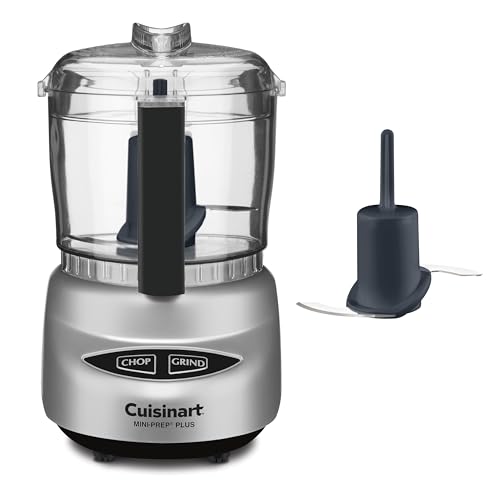
A search for the best 3 cup food processor makes sense here because this size sits between a tiny chopper and a large family machine. This guide helps you choose by counter space, household size, daily habits, and budget, and the comparison table below sorts the main types side by side.

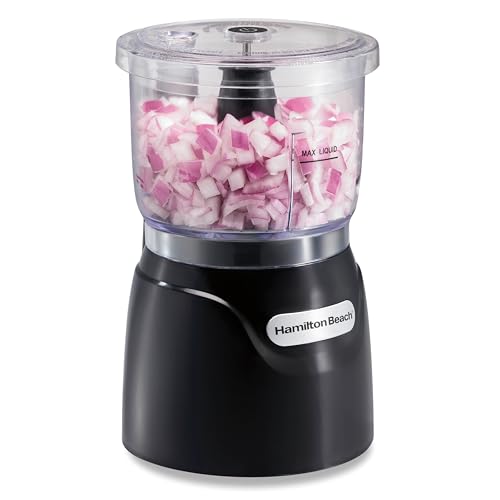

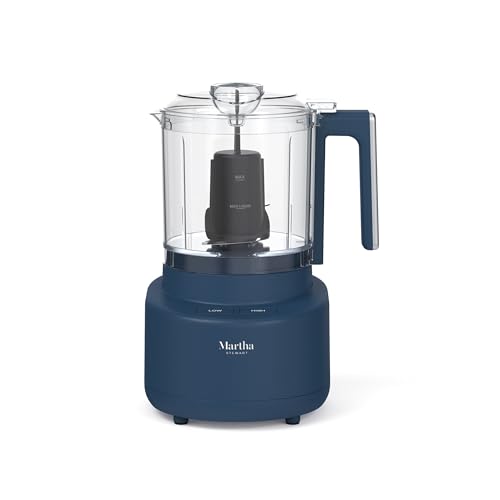

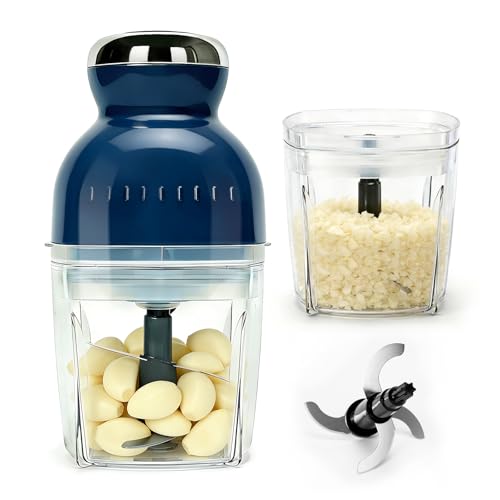
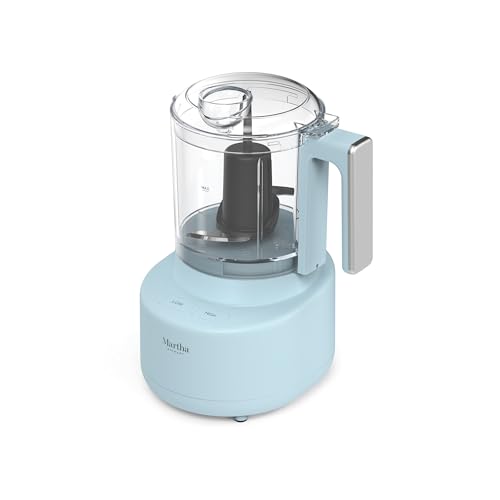
Quick Answer: Three Types That Fit Real Homes
If you cook small amounts most days, choose a simple chop focused model with a pulse control and a bowl that locks with one motion. If you grate cheese or slice firm vegetables often, choose a style with a feed tube and a reversible disc. If storage is tight and meals are for one or two people, a compact cordless style can work when you accept smaller batches and charging time between jobs.
None of these types wins for every home. The right choice depends on how often you process thick mixtures, how much washing you will tolerate, and whether the bowl will live on the counter or inside a cabinet.
Before You Buy: A Quick Checklist for Choosing a Food Processor
Use this checklist in order. Space and routine come first, because a powerful motor cannot fix a bowl that is too large for your usual amounts or too tall for your cabinets.
Size: Match It to Your Space
A 3 cup bowl suits dips, dressings, baby food portions, and vegetables for one meal. Mini sizes under 3 cups suit garlic, herbs, and nuts in spoon sized amounts. Larger bowls from 7 to 13 cups suit soup bases, dough, and party amounts, but they need more storage and more food to process evenly. If you often cook for four or more people, read our guide to the best food processor options before you settle on this size.
Which Type Fits Your Routine
Compact electric models are the default for daily use because they plug in, start fast, and handle both soft and firm foods. Manual models cost less and need no outlet, but your arm does the work and thick mixtures take longer. Cordless models free you from the outlet, yet battery limits matter for back to back jobs. If you are still deciding between a chopper and a processor, our explainer on food processor vs chopper shows where each tool stops being useful.
Features Worth Keeping and Features to Skip
Keep a pulse setting, a lid that locks before the motor starts, and a blade that sits low in the bowl so small amounts make contact. A simple pour spout and clear measurement marks also help every week. Skip extras you will rarely wash or store, such as a dicing kit, a spiralizer, or a dough blade, unless those jobs are already part of your routine. Extra discs add cost and cabinet clutter when a basic slicing disc covers your normal prep.
Wattage, Power and Energy Use
Most 3 cup models use modest power because the loads are small, so wattage alone tells you little. What matters more is steady torque when the bowl holds nuts, cheese, or a thick bean dip. A motor that slows and strains on those foods will leave uneven pieces and heat up during longer pulses. For light jobs such as herbs and onions, almost any motor in this class is enough, and energy use per job stays very low.
Safety Features and Certifications
Look for a lid interlock that stops the blade unless the bowl and lid are locked, plus stable feet that keep the base from walking on the counter. A UL or ETL listing mark shows the electrical design meets a recognized safety standard. Keep fingers and spatulas out while the blade moves, unplug the base before you reach inside, and store the blade inside the closed bowl so its edge is not loose in a drawer.
Counter Space and Dimensions
Measure the spot before you order, including the height under upper cabinets if the processor will live on the counter. Many 3 cup models are roughly as tall as a large water bottle, but lids and feed tubes add height. Also check the footprint with the cord stored, and leave room to lift the lid straight up. If your kitchen is very tight, compare the dimensions in our guide to the best small food processor range.
Realistic Budget Ranges
Basic models often cost about $30 to $50 and cover chopping, pureeing, and simple dips. Mid priced options at about $50 to $100 usually add a feed tube, a slicing disc, or a stronger motor for cheese and nuts. Paying about $100 to $150 can bring a sturdier base, quieter running, and easier parts ordering. Above that level you are mostly paying for a larger system, so a 3 cup bowl alone rarely justifies the highest prices.
Types Compared: Three Styles Worth Your Money
Instead of named picks, compare the three styles below by the jobs they do best and the compromises each one asks from you.
Simple Chop Focused Models for Most Homes
These models do one job well: they chop, mince, and puree small amounts with a single blade and a pulse button. They suit daily salsa, pesto, dressings, and crumb making, and their few parts rinse fast. The limit is texture control. Without a feed tube or disc, you cannot slice cucumbers or grate a block of cheese, so plan to finish those tasks with a knife or a grater.
Basic Value Models for Light Daily Tasks
Value models keep controls simple and parts few, which suits cooks who process soft foods a few times a week. Expect a smaller motor, a lighter base, and fewer accessories, plus bowls that show scratches sooner with heavy use. They still handle onions, herbs, and breadcrumbs well. The savings make sense when your jobs stay light, but frequent nut butter or thick hummus will push this style past its comfort zone.
Sturdier Build Models for Frequent Use
Sturdier models use a heavier base, a stronger motor, and thicker bowl plastic, and some add a feed tube with slicing and grating discs. They suit homes that prep ingredients most days and want one compact tool for many textures. You pay more and store more parts, and the bowl still holds only 3 cups, so large families will outgrow the capacity long before they wear out the motor.
How to Judge the Best 3 Cup Food Processors
Judge this size class by capacity accuracy, how evenly the blade processes small amounts, ease of use, cleaning time, noise, safety design, and warranty support. Capacity comes first because a bowl that needs a minimum load to work well fails at the very jobs this size exists to do.
The best evidence is maker specifications, care manuals, and patterns in verified buyer reports about leaking lids, cracked bowls, and motors that stall on thick loads. If technique is new to you, the basics in how to use a food processor explain why short pulses and small liquid additions change the final texture.
Is a 3 Cup Food Processor the Right Size for You?
This size fits one or two people who cook fresh meals often and hate washing a large bowl for a cup of sauce. It also works as a second processor in a larger home, kept for herbs, garlic, and dressings while a big machine handles dough and bulk prep. A household that regularly makes soup for six or doubles dip recipes will fill the bowl too often and should size up.
Think in batches rather than servings. Three cups is the bowl volume, but fibrous or foamy foods need headroom, so the useful amount is often closer to 2 cups. If most of your jobs fall under that line, this size earns its space. Smaller needs point toward the best mini food processor options, which trade capacity for an even smaller footprint.
Common Buying Mistakes to Avoid
Most returns in this size class come from a few repeat errors.
- Buying by bowl size alone and ignoring the minimum load, so a few spoonfuls of herbs never reach the blade.
- Filling past the liquid line, which forces thin mixtures out under the lid and into the motor base.
- Running the motor without pauses on thick dips, which heats the mixture and strains the motor.
- Choosing extra discs before checking storage, so parts end up loose and the slicing edge gets damaged.
- Washing the blade with bare fingers in soapy water, where the edge is hard to see.
Cost of Ownership and Care
Running costs are tiny because jobs last seconds or a few minutes, so electricity is rarely the deciding factor. The real costs are replacement bowls, lids, and blades when plastic cracks or an edge dulls, and those parts are easier to find for long running model lines. Ask about part prices before you buy if you plan to keep the machine for years.
Wash the bowl, lid, and blade soon after use so onion and garlic odors do not settle into the plastic. Most removable parts accept the top rack of a dishwasher, but hand washing keeps edges sharper for longer. For step by step routines and stain removal, see how to clean a food processor.
Your Questions, Answered
Can a 3 cup food processor make hummus and thick dips?
Yes, if you work in the right order and keep the batch modest. Add chickpeas, tahini, lemon, and a little of the cooking liquid, then pulse before you run the motor in longer bursts. Stop to scrape the sides once, because thick mixtures climb the bowl and leave the center coarse. A splash more liquid fixes texture faster than longer running, which only warms the dip.
How do you clean a 3 cup food processor after oily foods?
Rinse the bowl and blade at once, then wash them in warm water with a small drop of dish soap and a soft brush around the blade hub. Oils cling to plastic, so a quick soak helps more than scrubbing. Dry the blade fully before you store it, and run a slice of bread through the bowl next time to pick up lingering garlic smell before you wash again.
Is a 3 cup food processor worth it if you own a blender?
For many small kitchens, yes, because the jobs differ. A blender needs enough liquid to pull food down into its blade, while a processor chops dry ingredients such as onions, nuts, and crumbs without turning them into soup. If you mostly make smoothies, a blender covers you. If you prep ingredients for cooked meals several times a week, the processor earns its cabinet space quickly.
How long does a 3 cup food processor last with regular use?
A cared for machine often lasts about five to eight years of weekly use, though the bowl and blade usually age faster than the motor. Cloudy plastic, a lid that no longer seals, and a blade that tears herbs instead of cutting them are signs that parts need replacing. Replacing a worn blade restores performance for far less than buying a whole new base.
What is the best 3 cup food processor for a small home?
The best choice for a small home is the style that matches your weekly jobs, not the one with the longest feature list. Pick a simple chop focused model if you make sauces and dips, or a disc equipped style if you grate and slice often. Check the height under your cabinets, confirm replacement parts are sold, and favor a bowl that locks without force.
Final Thoughts
A compact processor earns its place when it matches the amounts you actually cook, the space you actually have, and the washing you will actually do. Use the product table above to compare styles against the checklist, and choose the best 3 cup food processor for your home by fit and routine rather than by extra parts. A well matched 3 cup model will handle the small daily jobs so well that your large tools can stay stored.