Best 3.2 Cu Ft Mini Fridge in 2026: Buying Guide and Top Picks
Disclosure: We may earn a commission when you buy through links on this page, at no extra cost to you. As an Amazon Associate I earn from qualifying purchases. Learn more

What to look for in the best 3.2 cu ft mini fridge: the main types, key features, realistic price ranges and mistakes to avoid before you order.
Your main fridge is full, guests are coming, and drinks and leftovers have nowhere cool to go. A compact second fridge solves that squeeze without taking over a room. Choosing the best 3.2 cu ft mini fridge comes down to your space, how many people will use it, and what you store each week. The product table below the intro lets you compare current models at a glance.
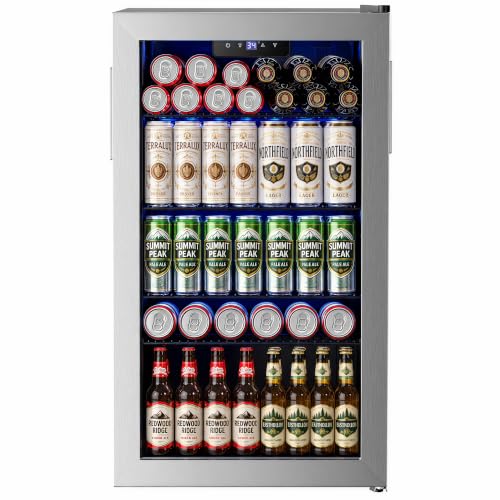


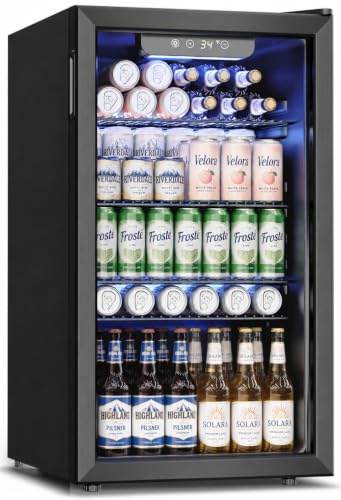
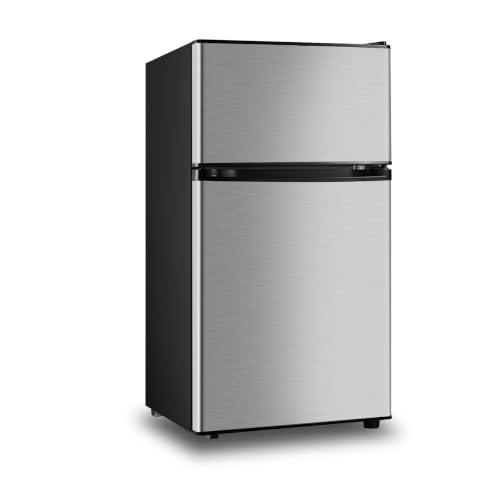
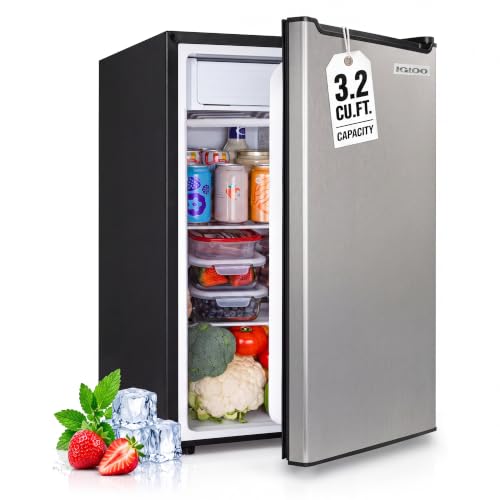
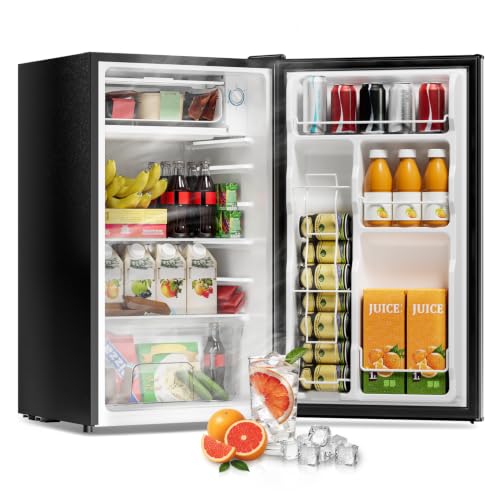


Quick Answer: The Three Layouts That Suit Most Homes
At this size, most models fall into three layouts, and the right one depends on whether frozen food matters to you.
- Single door with a small freezer: for one person who wants ice and a few frozen meals alongside drinks and snacks.
- Two door with a separate freezer: for shared spaces where frozen food needs to stay firm for weeks, not days.
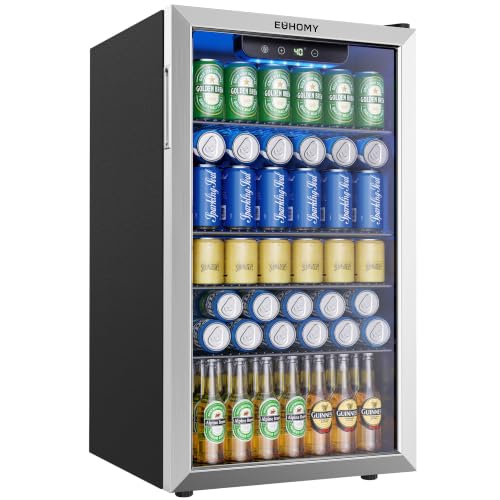
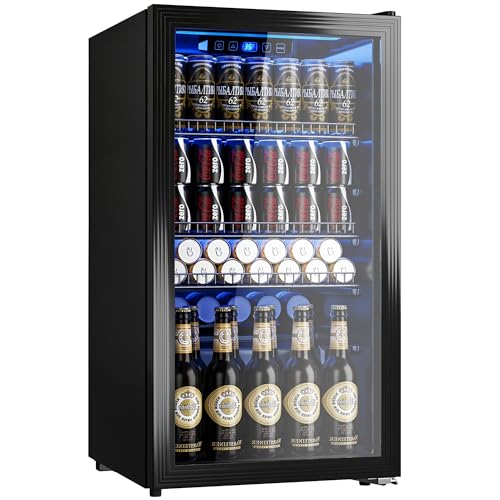
- Fridge only: for drinks, lunch items, and overflow groceries, where every shelf of cold space counts.
Before You Buy: A Quick Checklist for Choosing a Mini Fridge
Size: Match It to Your Space
Capacity labels tell only part of the story, so compare this size with its neighbors. A 1.7 cu ft model holds drinks and a few snacks, while a 2.7 cu ft model adds room for lunch boxes. At 3.2 cu ft you can fit drinks, condiments, fresh food for one or two people, and a small freezer load. Stepping up to 4.4 or 4.5 cu ft helps larger households, but the cabinet grows taller and may no longer fit under a counter.
Which Type Fits Your Routine
Start with how you eat and drink in a normal week. If frozen meals and ice matter daily, look at the best mini fridge with freezer options and favor a separate freezer door. If you mainly chill drinks, a fridge only layout with tall shelves works better. Most homes should choose a compressor model for real food storage, and the guide to thermoelectric vs compressor mini fridge designs explains why thermoelectric cooling struggles in warm rooms.
Features Worth Paying For, and Ones to Skip
A reversible door is worth paying for, because it lets the door open away from walls and furniture in tight rooms. Adjustable shelves and door bins matter too, since bottles and meal prep containers vary in height. A lock helps in shared offices and homes with young children. You can usually skip novelty extras such as fancy interior lighting, tiny ice trays you will never fill, and retro styling charges that add cost without adding storage or cooling power.
Measurements and Compatibility With Your Setup
Measure the width, depth, and height of the spot, then add about 2 to 3 inches of clearance at the back and sides so heat can escape. Check the door swing, because a door that hits a wall will not open far enough for wide trays. Confirm a grounded outlet sits within cord reach. If the fridge will live where you sleep, our guide to the best mini fridge for bedroom covers placement and noise in more depth.
Certifications and Safety Marks to Check
Look for a recognized safety listing such as UL or ETL on the label, which shows the appliance met electrical safety standards when certified. Energy Star certification, when offered, signals the model met efficiency targets for its size class. Check the energy guide label for estimated yearly electricity use so you can compare running costs fairly.
Setup Costs: Doing It Yourself Versus Hiring Help
Most owners set up a mini fridge themselves in minutes, because the job is mainly unboxing, leveling the feet, and plugging the unit in. Let it stand upright for a few hours before switching it on if it traveled on its side, so compressor oil can settle. Confirm any delivery and haul away fees before you order rather than at the door.
Realistic Budget Ranges
Prices shift with sales, but the tiers stay fairly steady. Models under $100 are rare at this size and usually mean a smaller or fridge only unit on promotion, so check capacity carefully. Between about $100 to $200 you will find most single door models with a small freezer section. From about $200 to $300, expect two door layouts, better shelving, and quieter compressors. Paying over $300 should bring a clear gain, such as a longer warranty, not just a new color.
Types Compared: How 3.2 Cu Ft Models Differ
Single Door Models With a Small Freezer Section
A single door model places a small freezer box in the top corner of the main cabinet, cooled by the same system as the fresh food space below. That design keeps price and footprint low, and it works for ice trays and one or two frozen meals. The limits are real, though. The freezer section rarely stays as cold as a full size freezer, cold air spills out each time you open the main door, and frost builds up faster, so plan on manual defrosting now and then.
Two Door Models With a Separate Freezer
A two door model gives the freezer its own door and space, usually at the top of the cabinet. Frozen food stays firmer because opening the fridge door no longer warms the freezer, and you gain a bit more frozen storage. The trade off is that the fresh food section shrinks slightly for the same total capacity, and the cabinet often stands a little taller. Choose this layout if frozen meals, meat, or ice cream form part of your weekly routine.
Fridge Only Models Without a Freezer
A fridge only model devotes the whole cabinet to chilled storage, which makes it the roomiest choice for drinks, party food, and daily groceries for one or two people. Shelves tend to run the full width, so platters and large bottles fit more easily. The obvious limit is that nothing stays frozen, so this layout suits a second fridge role beside a main kitchen fridge.
How to Compare Models With Confidence
Judge each model on the same short list so marketing claims do not sway you. Start with fit and compatibility, then build quality and finish, including door seals, shelf strength, and hinge feel in buyer reports. Next, weigh features you will use weekly against ones you will ignore, and check certifications, yearly energy use, and warranty length. Base your view on manufacturer specifications and patterns in verified buyer reviews when you choose the best 3.2 cu ft mini fridge for your home.
Is a 3.2 Cu Ft Mini Fridge the Right Size for You?
For one or two people, this size hits a useful middle ground. It holds several days of drinks and fresh food, plus lunch items and leftovers, without the bulk of a 4.5 cu ft cabinet. Students sharing a dorm room and couples in small apartments often find it enough for daily use, as long as frozen food stays modest. If you shop for a family of four, treat it as an overflow fridge beside your main one. Readers comparing the wider category can start with our guide to the best mini fridge sizes and layouts.
Workplace use is another strong fit, since this capacity swallows lunches and drinks for a small team without crowding a break room. Our guide to the best mini fridge for office goes deeper on shared use. Garage use is possible too, but check the rated ambient temperature range first, because very hot rooms can strain the compressor.
Common Mistakes to Avoid
- Measuring only the floor space and forgetting door swing, so the door cannot open past a wall or desk.
- Pushing the fridge flush against the wall, which traps heat and makes the compressor run longer and louder.
- Buying a fridge only model and then expecting it to keep ice cream firm, which leads to wasted food.
- Ignoring the energy guide label, so a cheap model costs more over time than a pricier efficient one.
- Loading warm food in large batches on day one, which raises the inside temperature and strains cooling.
- Placing the fridge in direct sun or beside a heat source, so it works harder to hold a safe temperature.
Cost of Ownership and Care
Running costs stay modest at this size, but they add up over years of daily use. Electricity is the main cost, and the energy guide estimate lets you compare models before you buy. Keep the door seal clean and check that it closes tightly all the way around, because a worn seal leaks cold air and raises your bill. Leave space around the cabinet for airflow, keep exposed coils free of dust, and level the fridge so the door seals under its own weight.
Cleaning needs no special products. Wipe shelves and bins with warm water and a mild detergent, dry everything fully, and tackle spills quickly so odors do not set in. Defrost a single door freezer section when frost grows thick, since heavy frost insulates the cooling plate and wastes energy. For a full routine, follow our guide on how to clean a mini fridge once each season or before a house move.
FAQ
What size mini fridge do you need for drinks and food for two people?
For two people who store drinks plus several days of fresh food, 3.2 cu ft usually works if you shop twice a week and keep frozen items few. Count tall items first, because bottles and milk cartons set the real limit more than total volume does. If you batch cook and store a week of containers at once, move up a size. If you only chill drinks and snacks, drop down a size and save money and floor space.
How do you clean a 3.2 cu ft mini fridge before storing it over summer?
Empty the fridge, unplug it, wipe every surface, and dry the interior fully before storage. The point many owners miss is to leave the door slightly ajar while the fridge sits unused, with a folded towel in the frame to hold it open. A sealed, damp cabinet grows mold and odors within weeks. Store the fridge upright in a dry place, and wash the door seal again before you switch it back on.
How long does a 3.2 cu ft mini fridge last with daily use?
Many mini fridges serve for about 8 to 12 years, though heavy use in hot rooms and poor airflow can shorten that span. Signs that a unit is near the end include constant running, food that no longer stays cold at the usual setting, and loud clicking from the compressor. A failed door seal or faulty thermostat can often be repaired for less than replacement costs. When cooling itself fails, replacement usually makes more sense than a compressor repair.
Is a 3.2 cu ft mini fridge worth it if you already own a full size fridge?
It can be, when your main fridge regularly overflows or when you want drinks and snacks close to a bedroom, office, or family room. The value shows up during parties and holidays, when extra cold space prevents daily trips and food waste. It makes less sense if it will sit half empty all year, because you still pay to cool that empty air. Fill it with items you rotate weekly, and the running cost earns its keep.
Can a 3.2 cu ft mini fridge run quietly enough for a bedroom at night?
Most compressor models hum softly and cycle on and off, and many sleepers stop noticing the sound after a few nights. Place the fridge a few feet from the bed and off a shared wall if light sleep bothers you, because vibration carries through floors and furniture. Avoid putting it inside a closed cabinet, since trapped heat makes the compressor cycle more often.
Final Thoughts
Match the layout to your routine first, then check fit, the energy label, and the warranty before you spend. A single door model suits light use, a two door model suits regular frozen food, and a fridge only model suits drinks and overflow groceries. Look back at the product table above to compare those layouts side by side, and you will land on the best 3.2 cu ft mini fridge for your space, household, and budget without paying for features you will never use.