Best 29in Mountain Bike: Complete Buying Guide for 2026
Disclosure: We may earn a commission when you buy through links on this page, at no extra cost to you. As an Amazon Associate I earn from qualifying purchases. Learn more

Learn how to choose the best 29in mountain bike with guidance on sizing, suspension, brakes, frame materials, and gearing for your trails and budget.
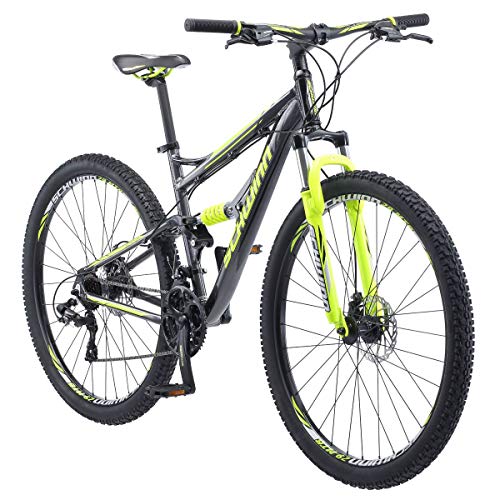
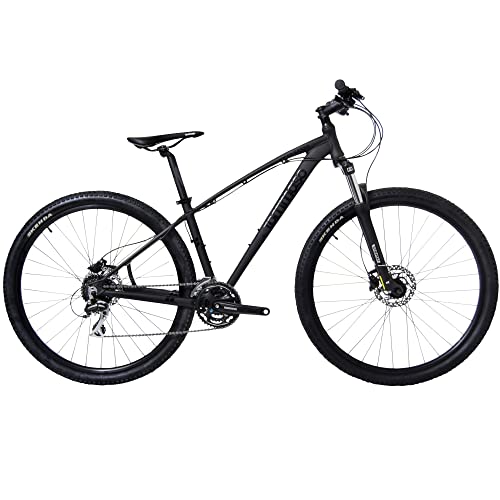
A 29 inch wheel, written as 29in in many listings, rolls over roots and rocks more smoothly than smaller wheels and holds speed with less effort. Choosing a best 29in mountain bike fit for your trails comes down to size, suspension, brakes, and honest parts quality. Begin with the comparison table below to compare travel, weight, and gearing, then use this guide to check each listing against your height, terrain, and budget.



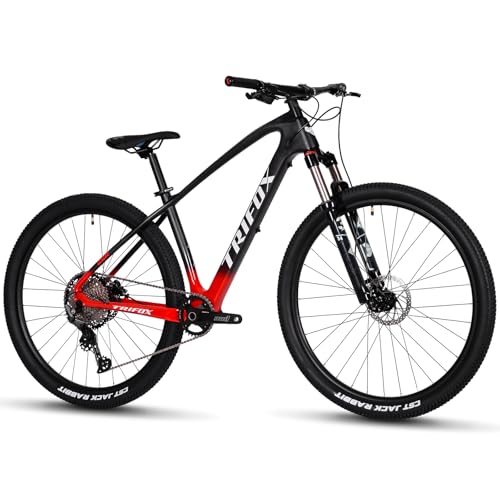

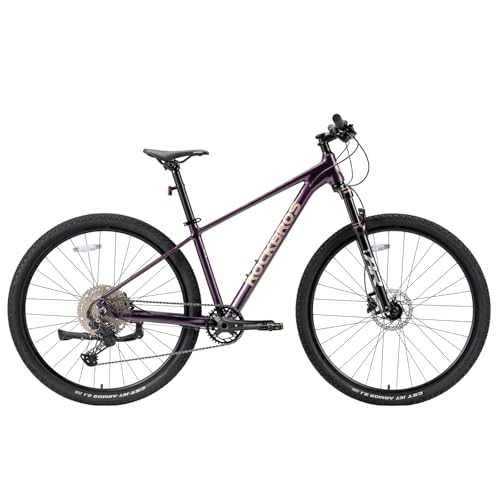
Build Tier Profiles at a Glance
Listings vary enormously in price, but the builds cluster into familiar patterns. These profiles describe what each pattern usually delivers and who should consider it, so the product table above becomes a set of clear choices rather than a wall of similar names.
Balanced Tier Profile
The balanced profile combines an aluminum frame, an air fork with about 120 to 140 mm of travel, hydraulic disc brakes, and a 1x drivetrain. It suits riders who mix climbing, flowing singletrack, and moderate descents in a single loop. Weight and durability sit in a sensible middle ground, and parts are standard enough for easy servicing. Its main limit is extreme terrain, where longer travel and stronger wheels earn their keep, but most riders never need that margin weekly.
Value Tier Profile
The value profile spends on the frame, brakes, and fit while accepting a simpler fork and heavier wheels. It suits riders entering the sport or returning after years away, who want a bike that will not hold them back on local trails. Tires are the planned first upgrade, since grip improves every ride at modest cost. Avoid value listings that cut brake quality instead, because stopping power and control are safety items, not luxuries to trade away for paint or gear count.
Beginner Tier Profile
The beginner profile favors stable geometry, a low climbing gear, and tires with forgiving grip over light weight. A hardtail layout keeps setup simple and leaves more budget for a helmet and basic tools. This pattern helps new riders build balance and braking skills without fighting twitchy handling. It will feel less sharp on climbs than race oriented builds, but confidence grows faster on a calm bike, and confidence is what keeps beginners riding long enough to improve.
How to Choose a 29in Mountain Bike: Buying Guide
Work through these decision points in order. Fit and brakes come first because they affect safety and comfort on every ride, while weight and extra features only matter once those foundations are settled and proven on your own trails.
Bike Type and Riding Style
Cross country bikes favor light weight and climbing speed, trail bikes balance both directions, and enduro bikes favor descending strength. Most riders are best served by the trail pattern, since it forgives mistakes without feeling sluggish on climbs. Think about your longest typical ride and your roughest typical descent, then choose for those, not for a rare trip. Shoppers comparing the widest category can start with our guide to the best all mountain mountain bike styles for contrast.
Brakes: Hydraulic vs Mechanical Disc
Hydraulic disc brakes deliver strong, controlled stopping with light finger effort and consistent feel in rain and mud. Mechanical disc brakes cost less and are easy to adjust, but they demand more hand force and fade sooner on long hills. For any rider on hilly terrain, hydraulic brakes are worth prioritizing over almost any other upgrade. Check rotor sizes as well, since larger front rotors around 180 mm improve heat control for heavier riders.
Weight and Components Upgrade Path
Total weight matters less than where it sits. Heavy wheels and tires dull acceleration and steering, while a slightly heavy frame is barely noticed. Good upgrade candidates use standard sizes for stems, posts, and axles, so parts remain available for years. Plan upgrades in a smart order: tires, then contact points like saddle and grips, then wheels. Riders researching general terminology will find our guide to the best mtb mountain bike category useful for decoding listing language.
Frame Material and Geometry
Aluminum is the default at most prices because it is light, stiff, and affordable. Carbon saves weight and smooths vibration at a high price, while steel offers a supple ride and easy repairs with a weight penalty. Geometry shapes handling: longer reach and a slacker head angle feel stable at speed, while shorter and steeper feels nimble at low speed. Choose stability if your trails are steep, and nimbleness if they are tight and flat.
Suspension: Hardtail vs Full Suspension and Travel
Hardtails suspend only the front wheel, keeping weight low and maintenance simple, and they suit smooth to moderate trails well. Full suspension adds a rear shock for traction and comfort on rocky ground, with more cost and servicing. Travel guides the match: about 100 to 120 mm for cross country, 120 to 150 mm for trail use, and more for enduro. More travel is not automatically better, because excess weight and soft pedaling hurt on climbs.
Types of 29in Mountain Bikes
Search results mix several bike families that share only a wheel size. These short descriptions help you sort them, so a commuter or a child model never gets compared unfairly against a true trail bike built for dirt.
Kids Bikes
Genuine kids bikes use smaller wheels and parts scaled for children, and a 29 inch wheel bike is adult equipment. Taller teenagers who meet adult sizing can ride one, but younger riders cannot reach controls safely or manage the weight. Buying big for a child to grow into is unsafe, since steering and braking suffer most for small hands. Choose the size that fits now, and expect to replace it as growth demands.
Commuter E Bikes
Commuter e bikes add motors, racks, and lights for daily travel, and they excel on pavement and packed paths. Their smooth tires, upright position, and added weight make them clumsy on technical dirt. They earn a place in this search only through wheel size overlap. If your week is mostly transport with gentle weekend paths, they can serve well, but trail riders should choose a purpose built mountain bike instead.
Road and Gravel Bikes
Road and gravel bikes use drop bars, skinny tires, and no suspension, making them fast on pavement and pleasant on smooth dirt roads. They cannot match a mountain bike on rocks, roots, or steep loose climbs, where wide tires and flat bars give control. Some riders own both for different days. If your routes are mostly unpaved but smooth, gravel may be enough, and our guide to the best bike for mountain biking explains the borderline clearly.
Hardtail Mountain Bikes
Hardtails are the most common and often the wisest form of large wheel mountain bike. They climb efficiently, cost less to buy and maintain, and teach good technique because you choose lines with care. Modern hardtails with capable forks and wide tires handle surprising terrain. Only riders on persistently rocky trails, or those with back sensitivity, gain enough from rear suspension to justify its cost and weight at most budgets.
Picking the Right Bike for Different Uses
Best 29in Mountain Bike for Men
Finding the best 29in mountain bike for men mostly means starting from taller size ranges and longer reach options, since many brands size their larger frames around average male proportions. Prioritize three checks: a frame size that gives level, relaxed shoulders at the bars, a saddle shape you can sit on for two hours, and gearing low enough for your hills. Contact points can be swapped cheaply, but frame reach cannot, so check reach above all. Newer riders can also review our guide to the best starter mountain bike options for first season priorities.
Care and Maintenance Tips
- Check tire pressure before every ride, because large volume tires lose grip and risk rim strikes when run too soft.
- Clean and lube the chain every 100 to 200 miles, and after every wet ride, to extend the life of gears and chainrings.
- Have a professional tune up yearly, including a fork service check, so suspension keeps working smoothly and safely.
- Inspect brake pads monthly during heavy use, since worn pads damage rotors and lengthen stopping distances without warning.
- Keep the bike stored dry and indoors when possible, protecting bearings, cables, and tires from damp and sunlight.
General care knowledge transfers across brands, and riders comparing naming styles can see our guide to the best bicycle mountain bike basics for the same upkeep steps in plain terms. One practical habit matters most: fix small noises early. A creak or skip found at home is a cheap adjustment, while the same fault ignored for a season often becomes a worn drivetrain or a damaged wheel.
Frequently Asked Questions
What does 29in mean on a mountain bike?
It is the wheel diameter, usually written as 29in or 29 inch, and these bikes are also called 29ers. The larger wheel rolls over roots and rocks more easily and holds speed on climbs and fast trails. Shorter riders should check standover clearance and reach, since a 29in frame can feel tall.
What size bike do I need?
Start with the maker chart using height and inside leg length, then confirm standover clearance and comfortable reach. Many riders around 5 feet 9 inches to 6 feet 1 inch fit a large in this wheel size, but proportions vary. Between sizes, trail riders often pick the smaller frame for agility. If knee or back pain appears after fitting, a professional fit session is worthwhile.
Is a 29in mountain bike too big for a shorter rider?
Not always. Many brands make small frames with 29in wheels, and modern geometry has improved fit a lot. Riders under about 5 feet 4 inches should check standover height and reach before buying, and may find a 27.5 inch wheel bike easier to handle on tight trails.
How much should I spend on my first bike?
Spend enough to secure hydraulic brakes, a fork suited to your weight, and a frame in your exact size, which usually means avoiding the very cheapest tier. Keep money aside for a helmet, pump, and spare tube. If funds are tight, a simpler hardtail in the right size will teach you more and last longer than a complex bike that fits badly or needs immediate repairs.
Hardtail or full suspension for beginners?
Most beginners should start on a hardtail, because it is lighter, simpler, and leaves more budget for brakes and safety gear. It also builds line choice skills that transfer to any later bike. Choose full suspension early only if your home trails are rocky enough to end rides through fatigue or loss of control. Trial rides on familiar ground reveal the answer faster than any chart can.
The Bottom Line
Size, brakes, and suspension matched to your terrain are the three decisions that shape every ride on a large wheel trail bike. Confirm them first, keep upkeep simple and regular, and ignore extras that do not serve your trails. Go back to the product table above with those checks ready, and your best 29in mountain bike choice will rest on fit and function rather than on the loudest listing.