Best 28 Cu Ft Refrigerator in 2026: Buying Guide and Top Picks
Disclosure: We may earn a commission when you buy through links on this page, at no extra cost to you. As an Amazon Associate I earn from qualifying purchases. Learn more

What to look for in the best 28 cu ft refrigerator: the main types, key features, realistic price ranges and mistakes to avoid before you order.
Picture a Sunday grocery run for a household of five. Two carts of food come home, and the old fridge turns packing it away into a puzzle of stacked containers and buried produce. If that scene sounds familiar, a best 28 cu ft refrigerator search is really a search for breathing room. This guide helps you choose by the space you actually have, the number of people you feed, and the budget you can live with.
Capacity alone does not make a fridge easy to live with. Door layout, shelf flexibility, and depth decide whether that space is usable every day. The product table below the intro lets you compare current models so you can narrow your choice before you measure anything.

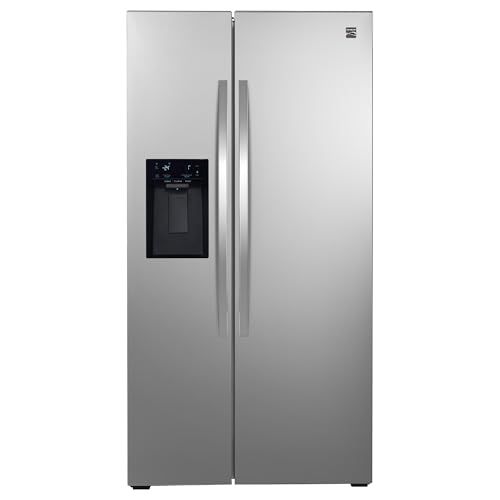
Quick Answer: What Matters Most at 28 cu ft
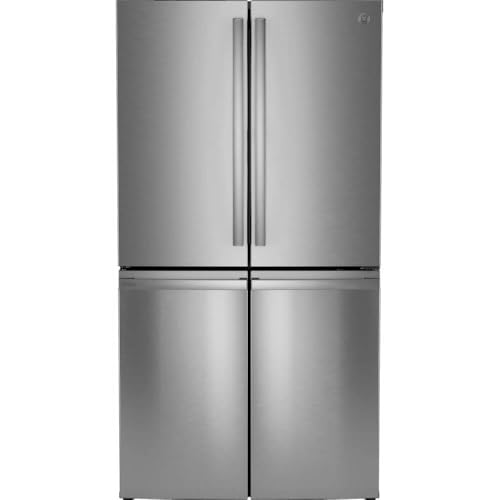
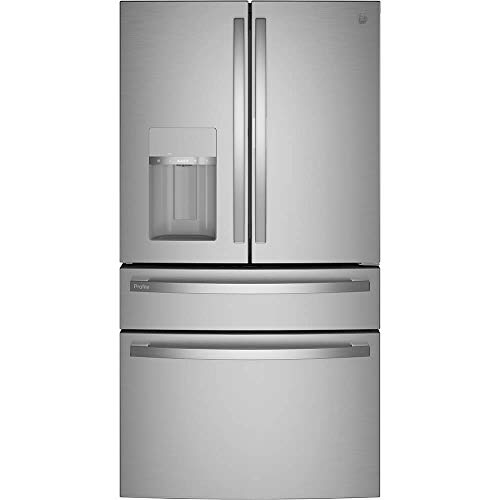
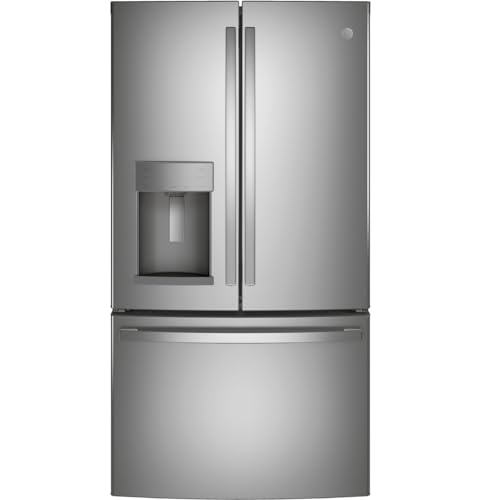
At this size, the winning choice is the one that fits your kitchen opening, opens without blocking walkways, and matches how your household shops. French door models suit most families, side by side models suit narrow kitchens, and four door models suit people who want a flexible drawer for drinks or deli items. If you want the broader picture first, our guide to the best refrigerator covers every size class.
Before You Buy: A Quick Checklist for Choosing a Refrigerator
Size: Match It to Your Space
Most 28 cu ft models are standard depth units about 36 inches wide, 68 to 70 inches tall, and 33 to 36 inches deep with handles. That footprint needs a full size kitchen opening, so this capacity is a poor match for small apartments or galley kitchens with a 30 or 33 inch slot. If your opening is narrower, step down in capacity rather than forcing the fit. Our explainer on counter depth vs standard depth shows how depth changes both capacity and how far the box sits into the room.
Which Type Fits Your Routine
French door models put fresh food at eye level and fit wide platters, which suits cooks and families. Side by side models give tall freezer storage and narrow doors that swing less into the room. Top freezer and bottom freezer designs rarely reach 28 cu ft, so at this size your realistic choices are french door, side by side, and four door layouts. Stainless steel is the most common finish at this capacity, with black stainless and white offered on fewer models.
Features Worth It (and Ones to Skip)
An in door ice and water dispenser is worth it if your household drinks cold water all day, though it takes freezer or door space. A dual ice maker helps homes that host often and fill coolers. A flex zone drawer with its own temperature setting earns its keep for meat, drinks, or party trays. Features you can usually skip include door in door panels you will rarely open and smart screens that duplicate the phone already in your pocket.
Measurements and Compatibility With Your Setup
Measure the opening width, height, and depth, then measure every doorway, hallway, and turn on the delivery path. Leave about an inch behind the fridge for airflow and room for the water line if you want an ice maker. Check that open doors clear nearby counters and islands, and confirm your kitchen has a grounded outlet within reach of the cord. A standard depth model this size also needs a water line connection you may not have in an older home.
Certifications to Look For
Look for Energy Star certification if lower running costs matter to you, since a fridge runs all day and all night. Dispenser models with NSF and ANSI certified water filters are certified for the contaminant claims printed on the box. A UL or ETL listing shows the appliance was independently evaluated for electrical safety.
DIY vs Pro Installation Cost
Most freestanding fridges are a simple install: roll it in, level it, connect the water line, and wait before loading food. Delivery with installation usually costs about $50 to $150 when it is not included in the purchase. Paying a plumber to add a new water line costs more, often about $150 to $300 depending on how far the line must run.
Realistic Budget Ranges
Most 28 cu ft models sell for about $1,400 to $3,000, and the layout explains most of the spread. Around $1,400 to $1,800 buys a side by side or a basic french door model with one ice maker and standard shelving. About $1,800 to $2,400 adds a flex drawer, better lighting, and a second ice maker on many models. Above about $2,400 you are paying for four door layouts, premium finishes, and smart features, not for more usable space.
Three Layouts Compared: Finding Your 28 cu ft Match
Since no single layout wins for every home, compare the three types below against your routine. Think about what you reach for most often, fresh food or frozen, and how wide your kitchen walkways are.
French Door: Best for Most Homes
The fresh food section sits on top, wide and bright, so platters, sheet pans, and big salad bowls slide in without tilting. The freezer drawer below holds bulky bags well, though small items can get buried without bins. This layout suits households that cook from fresh ingredients most nights and shop once a week. If this sounds like your home, browse our guide to the best french door refrigerator for a deeper look at the format.
Side by Side: Best Value for Narrow Kitchens
Two tall doors split fresh and frozen storage from top to bottom, and each door swings only about half as wide as a single full door. That makes this layout the easiest fit for kitchens with an island close to the fridge. Freezer shelves keep small packages visible and sorted, but very wide frozen items like a large pizza box may not fit. See our roundup of the best side by side refrigerator if door clearance is your main concern.
Four Door: Best Long Term Flexibility
A four door model adds a convertible drawer or a second freezer zone that can switch roles as your household changes. That drawer works as extra fresh storage during holiday cooking and as freezer space when you stock up on sale items. You pay more for this flexibility, and the extra seals and controls add parts that can need service later. Choose it when your storage needs genuinely change through the year, not just for the novelty.
How to Judge Large Capacity Refrigerators
Judge this size class on installation and compatibility first, then build quality and finish, then features, certifications, and warranty coverage. Good sources are manufacturer specification sheets and verified buyer reviews that mention fit problems, noise, and service visits. The right pick is the type and spec combination that checks out on paper and in owner reports, not a single brand that wins for everyone.
Is a 28 cu ft Refrigerator the Right Size for You?
A common planning guide is about 4 to 6 cubic feet of total space per person, with extra room for households that cook often. By that guide, 28 cu ft suits five or six people, or a smaller household that buys in bulk, cooks for gatherings, or keeps a second freezer worth of food in one unit. A couple in a small home will likely find 18 to 22 cu ft plenty and easier to keep organized.
Bigger is not automatically better. An oversized fridge runs partly empty, wastes floor space, and makes it easy to lose track of food until it spoils. Choose this size when overflow is a weekly problem, not a seasonal one.
Common Buying Mistakes to Avoid
- Measuring only the kitchen opening: a fridge that fits the alcove but cannot pass the front door or a tight hallway turn goes back on the truck.
- Ignoring door swing: doors that hit an island or wall cannot open far enough to pull out crisper drawers and shelves for cleaning.
- Paying for capacity you will not fill: empty space still gets cooled, so an oversized unit raises your power bill without helping your routine.
- Forgetting the water line: ordering a dispenser model with no line nearby means either a plumber visit or a feature you cannot use.
- Skipping replacement costs: water filters, delivery, and haul away fees add up, so budget for them before you compare sticker prices.
Cost of Ownership and Care
A fridge this size typically costs about $60 to $100 a year in electricity, depending on your local rates and how full you keep it. Water filters need replacing about every six months and usually cost about $40 to $60 each. To understand the full lifespan picture, read our article on how long does a refrigerator last before you decide whether a premium model pays off.
Simple habits stretch that lifespan. Wipe door gaskets monthly so they seal tightly, vacuum dust from the coils about twice a year, and keep the interior between 37 and 40 degrees Fahrenheit for fresh food. Our step by step guide on how to clean a refrigerator walks through a full deep clean. Call a technician if the unit runs constantly, food freezes in the fresh section, or you hear loud clicking from the compressor area.
Your Questions, Answered
Is a 28 cu ft refrigerator too big for a small kitchen?
Usually, yes. Beyond the opening itself, you need room for doors to swing and for people to pass while a door stands open. A smaller counter depth model often feels larger in daily use because it leaves the room easier to move through.
What size refrigerator does a household of five or six need?
Most households of five or six do well with about 25 to 30 cu ft, which is why this size class exists. The deciding factor is shopping style: weekly bulk trips and lots of leftovers push you toward 28 cu ft, while frequent small trips mean you can size down. Count bulky items too, since tall bottles and wide trays eat space faster than the cubic foot number suggests.
How long should a 28 cu ft refrigerator last before replacement?
Expect about 10 to 15 years of service from a typical model. A useful repair rule: if a repair costs more than half the price of a comparable new unit and the fridge is past ten years old, replacement usually wins. Rising power use and repeated cooling problems are earlier hints that the compressor is wearing out.
Which refrigerator brand is the most reliable at this size?
Owner survey data tends to reward simple designs over feature loaded flagships, regardless of the badge on the door. Models with one ice maker, standard controls, and a layout the brand has sold for years usually report fewer service calls. Local service coverage matters as much as brand, so check that a technician near you works on the brand before you buy.
Is a 28 cu ft refrigerator worth the higher price?
It is worth it when the extra space prevents real waste, such as spoiled food from an overpacked smaller fridge or extra trips to the store. Compare cost per cubic foot rather than sticker price, since large models often cost less per unit of space than midsize ones. If your current fridge rarely fills past three quarters, the honest answer is no.
How do you keep a stainless steel refrigerator finish looking clean?
Wipe the doors with a soft cloth and warm water, moving in the direction of the grain rather than in circles. Fingerprints show less if you dry the surface fully after wiping, since leftover moisture leaves streaks as it evaporates. Skip abrasive pads and chlorine based cleaners, which can dull or discolor the finish over time.
Final Thoughts
The right choice comes down to fit, layout, and honest capacity needs. Measure twice, pick the door style that matches your cooking routine, and pay for flexibility only if your storage needs actually change through the year. The best 28 cu ft refrigerator for your home is the one your family can load, clean, and move around without thinking about it. Use the product table above to compare your shortlist, and check prices before you order since they change often.