Best 2000 Watt Generators in 2026: Types and Buying Guide
Disclosure: We may earn a commission when you buy through links on this page, at no extra cost to you. As an Amazon Associate I earn from qualifying purchases. Learn more
Compare the best 2000 watt generator types by fuel, noise, running watts and runtime for short outages, camping and tailgating.
A power outage, a campsite with no hookups, or a job far from an outlet all raise the same question. How much power do you truly need, and how much weight are you willing to carry to get it? For many readers the best 2000 watt generator is the balance point between portability and useful output. The sections below sort the main types by fuel, noise, outlets, and intended use, so you can narrow the field first.
This class will not run a whole home. It shines when you need a fridge to stay cold, lights and phones to stay on, or camp gear to work away from the grid. For larger needs, see our broader guide to the best generator options.



Generator Types at a Glance
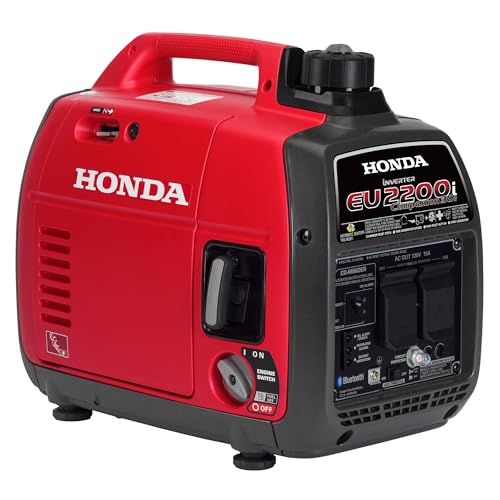
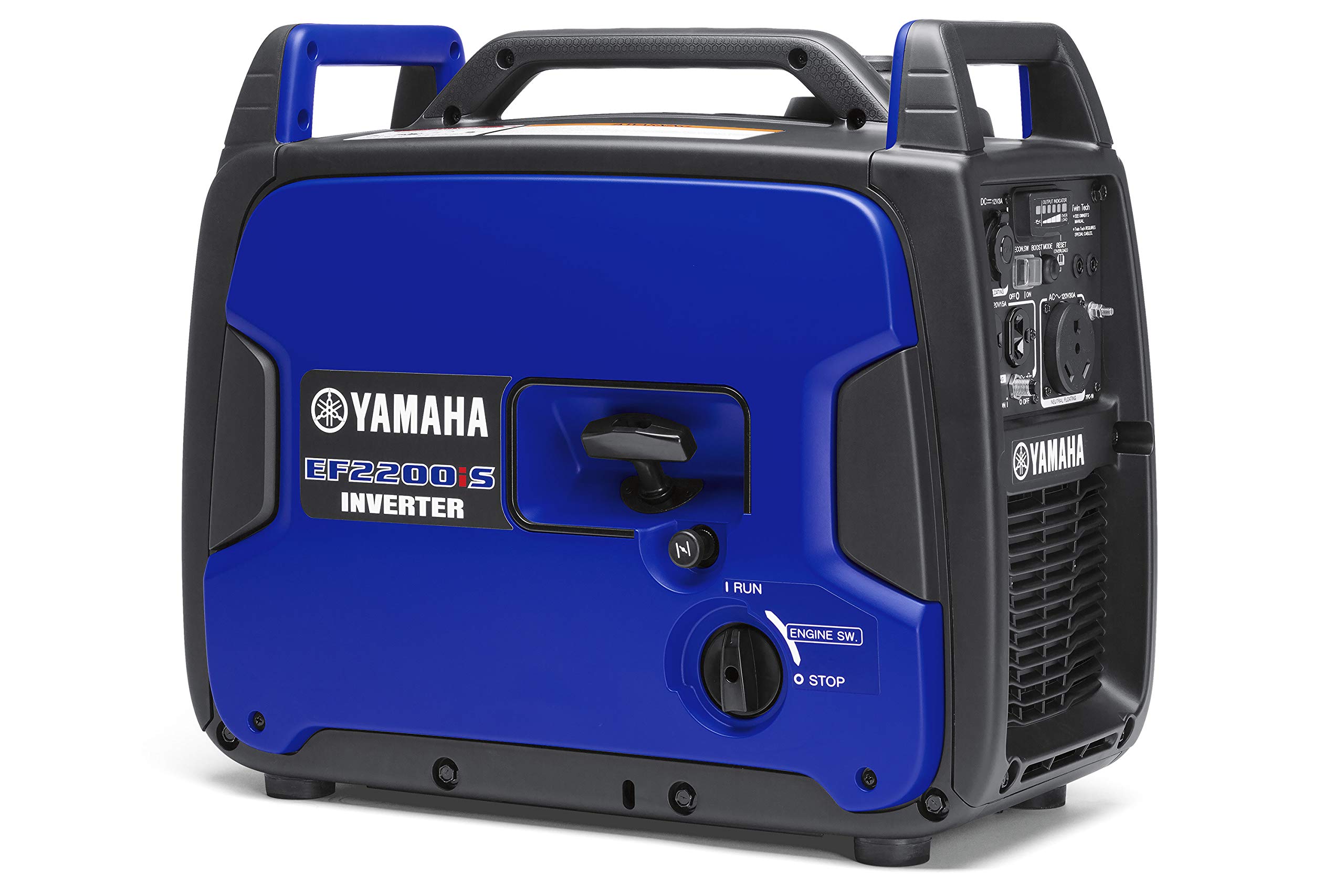
Three types dominate this class, and they differ more in behavior than in headline watts. Inverter models give clean power and low noise. Conventional models cost less but run louder. Dual fuel models add fuel choice, which helps during long outages. The product table above lines them up side by side.
Three Generator Types Compared
Inverter Models for Quiet and Clean Power
Inverter models adjust engine speed to match the load instead of running at full speed all the time. That behavior saves fuel at light loads, cuts noise, and produces stable power that suits laptops, phones, TVs, and appliances with electronic controls. Most units in this class are light enough for one person to lift into a truck bed. The trade off is price, since inverter models cost more than conventional units. Choose this type when quiet hours and sensitive electronics matter most.
Conventional Portable Models for Simple Loads
Conventional portable models use a fixed speed engine and a simpler build, which keeps the purchase price low. They handle basic loads well, such as work lights, a small fan, a battery charger, or a single power tool used one at a time. Their output is less refined, so makers often advise care with delicate electronics, and noise levels are higher than inverter models. Pick this type when budget comes first and the gear you power is simple and sturdy.
Dual Fuel Models for Fuel Flexibility
Dual fuel models run on gasoline or propane, and you switch fuels with a dial or a hose change, depending on the design. Propane stores for a long time without going stale, burns clean, and often sits in a tank you already own for a grill. Output on propane is a bit lower than on gasoline, so check the propane rating rather than the headline number. Choose dual fuel when outages in your area last for days and fuel supply worries you.
How We Chose the Types and Criteria in This Guide
We built the criteria here from maker specifications, safety guidance from public agencies, and patterns in owner feedback. We weighed frame materials and weather resistance, size and capacity, ease of setup, durability, and warranty length. Treat this guide as buying criteria rather than model scores.
How to Choose the Right Generator
Size and Form Factor
Start with the difference between starting watts and running watts. The 2000 watt figure is a peak rating, and the steady running rating sits below it, so add up the running watts of everything you plan to run at once and keep a margin for motor starts. A fridge, a few lights, a phone charger, and a small fan fit this class well. A microwave, a space heater, or a large air conditioner can each consume most of the budget alone.
Type
Beyond the three types above, you will see labels such as tri fuel, solar, standby, and whole house. Tri fuel adds natural gas, but it is rare at this size and needs a home gas line. Solar stations store power in a battery, which suits silent indoor use but not long heavy loads. Standby and whole house units are fixed systems in a far larger class, and our guide to the best whole house generator explains that route.
Features Worth Paying For
A carbon monoxide sensor that shuts the engine down is worth paying for, since it adds a useful safety feature during outdoor use near a home. Electric start helps if pulling a cord is hard for you, though most small engines start easily and recoil start saves weight and cost. Also look for a fuel gauge, an economy mode, and a USB port for phones. Parallel ports add value too, since two small units can link together when you need more power later.
Weather Resistant Materials
Frames in this class are usually powder coated steel, and control panels use sealed covers over outlets to keep out dust and light moisture. Covered outlets and ground fault protection on the panel help during damp mornings at a campsite or after a storm. No portable generator is waterproof, and the coating mainly slows rust. Store the unit under cover, wipe it dry after damp use, and check outlet covers for cracks each season.
Size for Your Space
Measure where the generator will live and where it will run, since those are two different places. Storage can be a garage corner or a shed shelf, but the running spot must be outdoors, at least 20 feet from the house, with exhaust aimed away from windows and doors. Check the footprint against your storage spot, and confirm that one person can lift the weight over a tailgate.
Setup and Anchoring
Setup is light in this class. Most units need engine oil added before the first start, a fuel check, and a short break in period from the manual. Set the unit on flat, firm ground, and use a locking cable through the frame if it will run unattended at a campsite. For home backup, a licensed electrician can fit a transfer switch or an inlet box, and our guide on how to hook up a generator to a house walks through that process. Never plug a generator into a wall outlet.
Care and Off Season Storage
Change the oil on the schedule in the manual, clean or replace the air filter, and check the spark plug once a year. Run the engine for a few minutes each month so seals stay lubricated and stale fuel does not sit in the carburetor. Before long storage, either drain the fuel system or add stabilizer and run the engine to draw treated fuel through. Store the unit dry with the fuel valve closed.
How Much Should You Spend?
Budget conventional models fall at about $300 to $500, and they suit simple loads where noise is not a concern. Inverter models in this class most often land at about $500 to $1000, and the extra money buys quieter running, cleaner power, and better fuel use. Dual fuel models can reach over $1000 with electric start and larger tanks. Spending more does not add watts here, so pay for traits you will feel each time, such as noise, weight, and runtime.
Is a 2000 Watt Generator the Right Size for You?
Campers and tailgaters are the natural fit for this class. It runs a small TV, lights, a fan, and chargers at a site, stays quiet enough for campground rules, and lifts easily into a vehicle. If your trips center on an RV with an air conditioner, read our guide to the best generator for rv use first, since that load often needs a larger setup.
Homeowners facing short outages get strong value here, since this class covers the fridge, lights, phones, and a router through the night. Renters should pause first, because many leases bar engine use on balconies. Use our sizing guide on what size generator do i need if your list includes a well pump, a furnace blower, or medical gear.
One safety point belongs here rather than in fine print. Carbon monoxide from a generator can build up fast in a garage, porch, or near an open window. If anyone at home feels unwell while a generator runs, get to fresh air at once and call emergency services, then let professionals check the home before you go back in.
FAQ
What is the best 2000 watt generator for a first time buyer?
For most first time buyers, an inverter model is the safest starting point, since it protects electronics, runs quietly, and sips fuel at light loads. Look for covered outlets, a clear fuel gauge, and a manual written in plain steps. Run the unit at home on a calm weekend before an outage forces a rushed first start, so you learn the choke and economy settings with no pressure.
What can a 2000 watt generator power at the same time?
A realistic bundle is a fridge cycling on and off, three or four LED lights, a phone charger, a laptop, and a small fan. The key habit is staggering starts, since motors draw a brief surge when they kick on. Start the largest load first, let it settle, then add smaller items one at a time. Keep a written load list on the unit itself, so anyone at home can set up during an outage without guessing.
How long can a 2000 watt generator run on one tank?
Runtime depends on load more than on tank size alone. At a light load, many inverter models in this class run through the night on a single small tank, while a heavy steady load can cut that time to a few hours. Compare maker runtime figures at quarter load and at half load, since brands quote the lighter figure in large print. Let the engine cool before you refuel.
Is it safe to run a 2000 watt generator in the rain?
No portable generator should run in standing water or heavy rain, since water and outlets are a dangerous mix. A purpose built generator tent or canopy that keeps rain off while leaving airflow open is the usual solution, and the manual will state what covers are allowed. Keep hands and ground dry when you plug in cords. If a storm floods the running spot, wait it out and keep the fridge door closed.
Can a 2000 watt generator power a refrigerator during an outage?
Yes, in most homes it can, and this is the job the class does best. The catch is the brief surge when the fridge compressor starts, so give the fridge first claim on the power budget and avoid starting other motor loads at the same moment. Keep the fridge door closed as much as you can, since each opening makes the compressor run longer. A simple appliance thermometer inside tells you whether food stays at a safe temperature.
Should I choose an inverter model or a conventional model?
Choose an inverter model if you will power electronics, camp near other people, or run the unit for long hours at partial load, since it wins on noise, fuel use, and power quality. Our guide to the best inverter generator designs explains that category in depth. Choose a conventional model if the loads are lights and simple tools, the site is remote, and the lowest price matters most. Either way, the running watt rating, not the headline number, should drive the final call.
Final Thoughts
Match the type to the way you will actually use it, and this size class rewards you with easy handling and honest capability. Inverter models suit most buyers, dual fuel suits long outages, and conventional models suit tight budgets and simple loads. Before you order, compare your short list against the product table above once more, check your load list, and confirm the running watt rating. Chosen with care, the best 2000 watt generator is the one you can lift, store, and start with confidence when the lights go out.