Best 2 Stage Thermostat: A Practical Buying Guide for 2026
Disclosure: We may earn a commission when you buy through links on this page, at no extra cost to you. As an Amazon Associate I earn from qualifying purchases. Learn more

Pick the best 2 stage thermostat for your two stage furnace, heat pump, or AC with tips on wiring, features, and running costs.
Choosing the best 2 stage thermostat can feel confusing when every option claims to be the right one. The truth is simpler: the right choice depends on your heating and cooling system, your wiring, and what you are willing to spend. This guide focuses on those practical questions so you can compare options calmly.
Before you spend anything, confirm that your system really has two stages of heating, cooling, or both. A thermostat built for one stage can run a two stage system poorly, while a multi-stage model can waste money on a single-stage one. The product table gives a quick overview, and the sections that follow explain each factor in plain language.




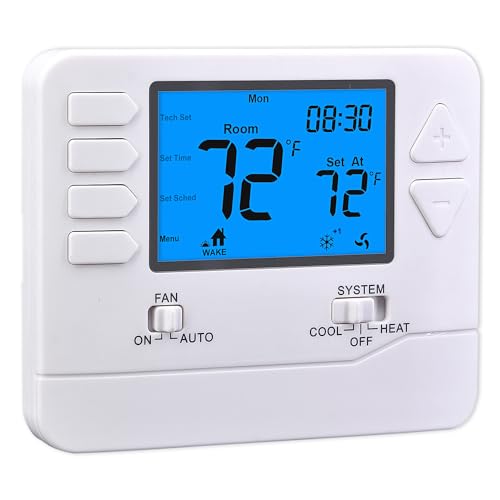


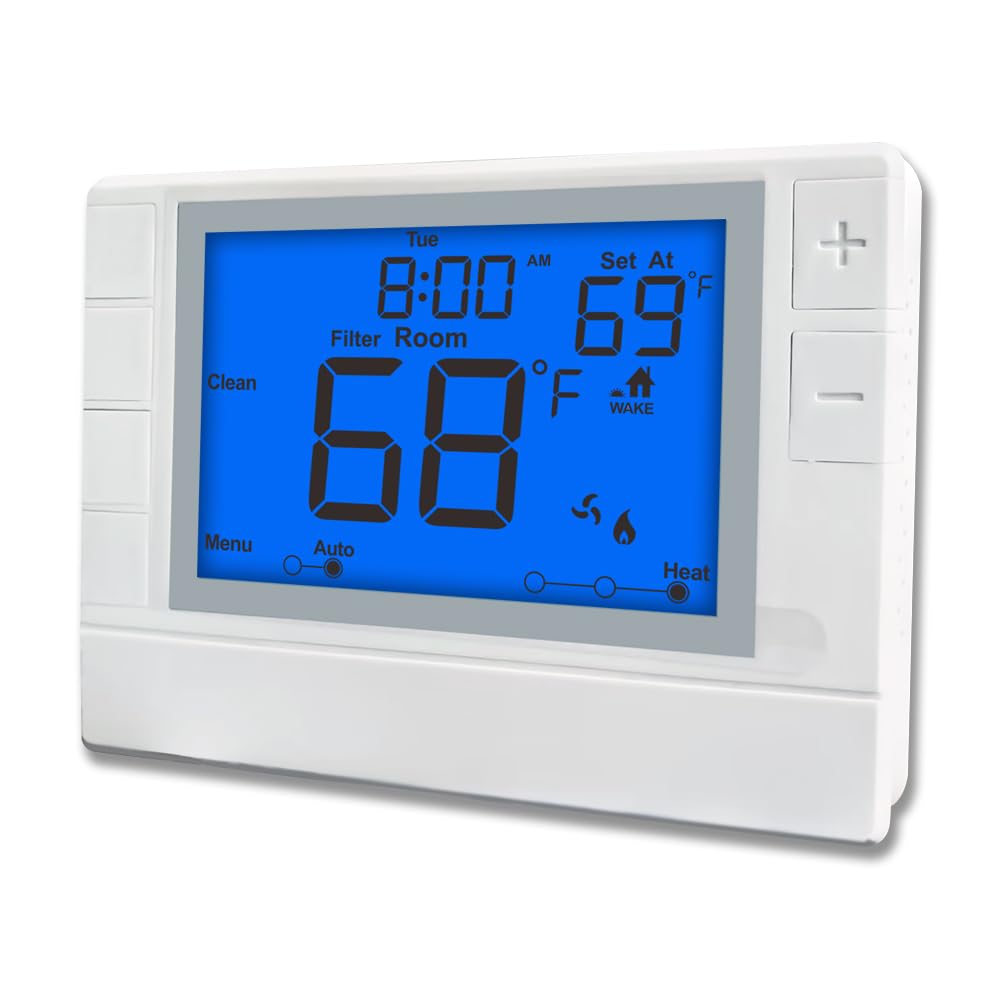
Use this guide as a checklist. Note the features that matter most for controlling two stage heating and cooling systems, set a realistic budget, and check wiring and setup before you order. Small details, such as wire count, a common wire, and scheduling, often decide whether a purchase feels right months later.
How to Choose the Best 2 Stage Thermostat
This type suits homeowners whose furnace, heat pump, or air conditioner has a low stage for mild weather and a high stage for cold snaps or heat waves. If that matches your system, the features in this guide will matter more than extras you may never use.
It may not suit everyone. If your system is single stage, a simpler thermostat could serve you just as well and cost less. If you have a heat pump with auxiliary heat, check that the model lists the right heat and cool stage count, such as 2 heat/2 cool or 3 heat/2 cool, in the product table.
Key Features to Compare
Compare features side by side rather than judging one number alone. A strong score in one area can hide a weakness in another.
- Stage control: A true two stage thermostat runs the low stage for mild weather and the high stage for extreme days. This saves energy and keeps temperatures steadier.
- System compatibility: Check furnace, heat pump, and wiring compatibility. Some systems need extra wires for second stage control.
- Scheduling and sensors: Good scheduling matches stages to your routine. Remote sensors help rooms that run hot or cold, especially in two story homes.
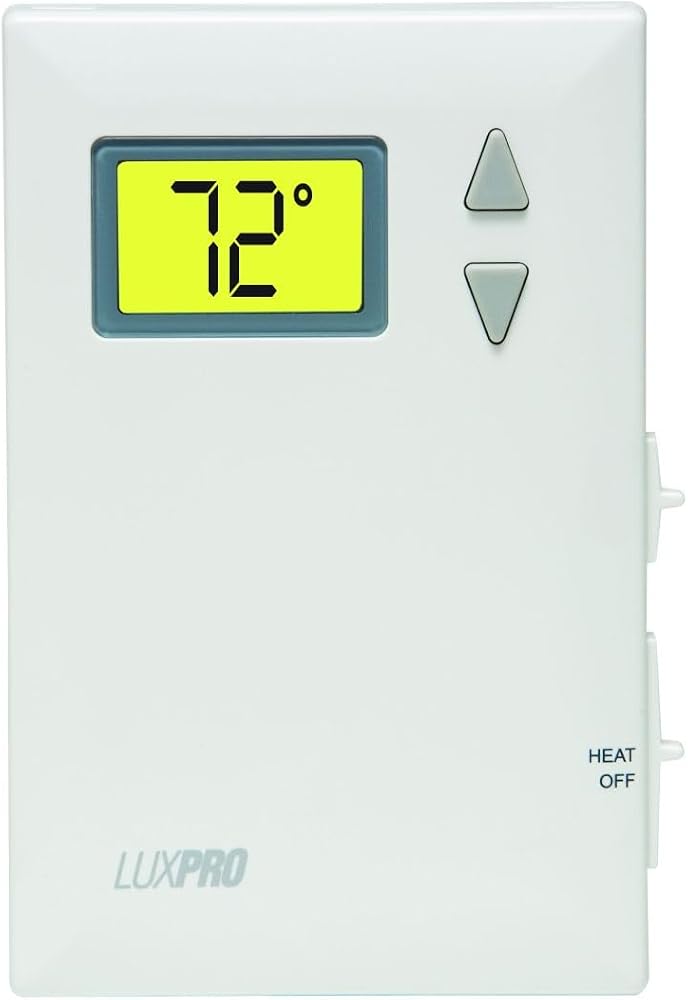
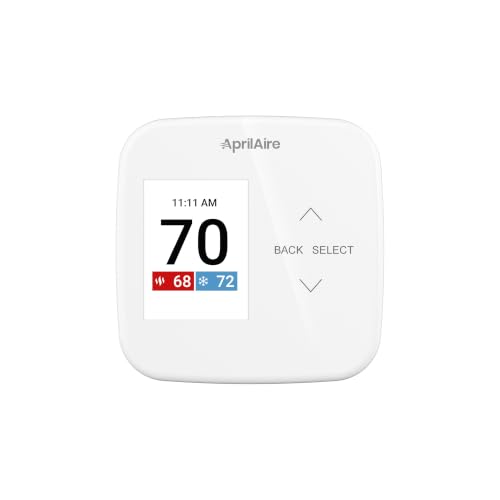
- Display and app control: A clear display helps quick temperature checks. Wi-Fi app control helps when plans change while you are away.
Rank these features for your own home before you shop. The top two usually decide satisfaction, while the rest can be nice extras rather than deal breakers.
Types Compared
Non-programmable models are simple and affordable. Programmable models suit steady routines with weekday and weekend schedules. Smart models learn schedules, offer app control, and adjust stages automatically. Sensor ready models suit larger homes with uneven temperatures.
For related comparisons, see best 2 wire thermostat and best thermostat for 2 story house, which cover close variations that help you judge features and price in context.
When you compare types, ask what each gives up to gain its main strength. A basic model may give up scheduling, while a smart model may need a common wire. The best balance is the one that fits your routine, not the one with the longest feature list.
Fit, Wiring, and Setup
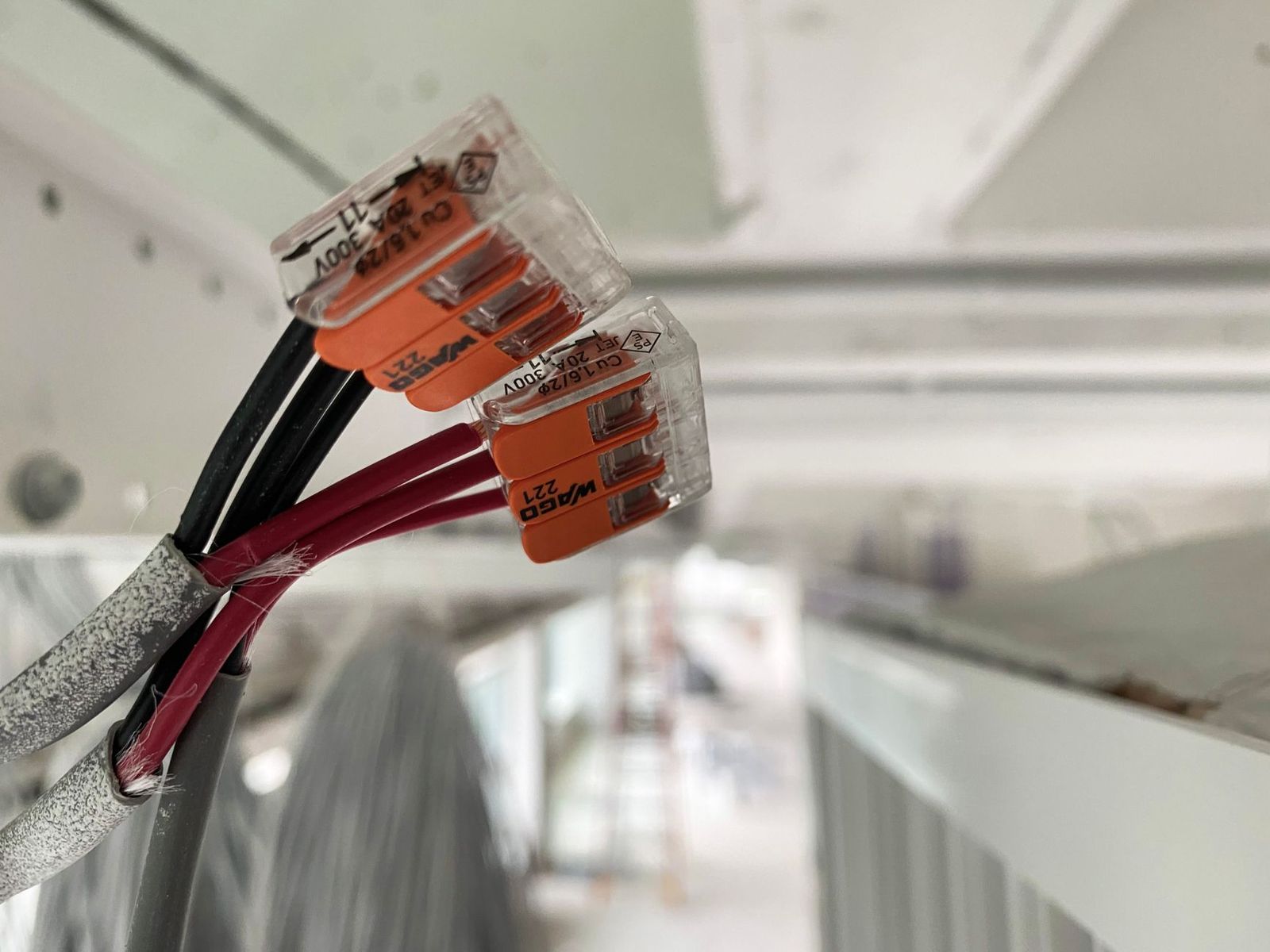
Photograph your existing wiring and use the maker compatibility checker. Check whether a common wire is present, since some smart models need one. Note your system type and the stage terminals, such as Y1, Y2, W1, and W2, before ordering.
For related comparisons, see best 2 wire smart thermostat and best thermostat for 2 wire system, which cover close variations of wiring and smart features.
Check setup needs early. Some systems need professional installation or an adapter, while basic swaps can be a simple DIY job. Factor installation time and cost into your budget so there are no surprises.
Care and Everyday Use
Keep the thermostat away from sun, drafts, and heat sources, since they skew readings. Update software on smart models and replace batteries when the display warns you. Review schedules seasonally as heating and cooling needs change.
A simple care routine keeps performance steady and extends working life. If a model needs constant fiddling, you are less likely to use its energy saving features, so choose one whose routine you can live with.
Budget and Running Costs
Look beyond the purchase price. Energy use adds up over time, and a cheaper option that cycles poorly can cost more in the long run. A mid priced option with good scheduling often offers better value than the cheapest choice.
For a related comparison, see best 2 wire wifi thermostat alongside the points in this section, since it covers a close variation of the same product type.
Set a price range before you shop. For a 2 stage thermostat, around $20 to $60 covers many basic and programmable models, while Wi-Fi and touchscreen models often run around $100 to $200. Compare what each price level actually adds in comfort, control, or features.
Common Mistakes to Avoid
- Buying on one feature alone without checking stage count and wiring.
- Skipping the compatibility check and discovering too late that the model does not match your system.
- Forgetting that some smart models need a common wire.
- Choosing the cheapest option without checking that it supports both heat and cool stages.
Switch power off at the breaker before touching wiring. Hire a qualified professional for gas furnace work or unfamiliar wiring. If you smell gas, leave the home and call emergency services.
A Final Check Before You Order
Before you order, check warranty terms, return rules, and what is included in the box, such as wall plate and screws. A clear warranty and a fair return window make it easier to confirm fit and performance at home.
In the first week, watch how the thermostat behaves in your normal routine. Note comfort, how often the system switches stages, ease of use, and any setup issues. Small problems found early are easier to fix or exchange than problems discovered months later.
Frequently Asked Questions
How much should I spend on a 2 stage thermostat?
Basic multi-stage models cost around $20 to $60, while Wi-Fi and touchscreen models cost more. Spend more when you want app control, remote sensors, or detailed scheduling. Spend less if you only need reliable stage control and a clear display.
What compatibility matters most for a 2 stage thermostat?
Match the heat and cool stage count to your system, for example 2 heat/2 cool for a two stage furnace and air conditioner, or a heat pump rating if you have one. Also check voltage, the common wire, and terminal labels before ordering.
How do I maintain a 2 stage thermostat properly?
Replace batteries when prompted, keep the unit clean and dust free, and update software on smart models. Review schedules each season, and follow the manufacturer's instructions for resets and settings.
Is a cheaper 2 stage thermostat good enough?
A cheaper model can be good enough if it lists the right stage count and fits your wiring. Smart features, sensors, and polished apps are what usually separate pricier models. Compare the features you will use, not just the price.
When should I seek professional help with a 2 stage thermostat?
Call a qualified HVAC technician if the wiring does not match the model, if you find unfamiliar or damaged wires, or if you have gas furnace concerns. A professional can check compatibility and safety for your specific system.
Final Thoughts
Take your time, compare the picks in the product table, and choose the option that best fits your system, routine, and budget. A careful choice now saves frustration later.
For most buyers, the right best 2 stage thermostat is the one that matches your stage wiring and balances features and running costs without unnecessary extras. Use the checklist in this guide, confirm compatibility once more, and buy with confidence.