
Best 2 in 1 Walking Pad in 2026: Buying Guide and Top Picks
Disclosure: We may earn a commission when you buy through links on this page, at no extra cost to you. As an Amazon Associate I earn from qualifying purchases. Learn more

What to look for in the best 2 in 1 walking pad: the main types, key features, realistic price ranges and mistakes to avoid before you order.
A plain walking pad caps your speed the moment you want more than a gentle stroll. A 2 in 1 model works flat under a desk for slow workday walking, then converts when you raise its handrail, unlocking faster speeds for focused exercise. Finding the best 2 in 1 walking pad means checking that both modes suit you, not just the headline top speed. The product table below the intro lets you compare current models side by side.
This guide compares 2 in 1 designs on build quality and weight capacity, footprint and storage, and features and programs. If you never plan to walk without a desk, our guide to the best walking pad covers flat only models in more depth. Here, the focus stays on pads that genuinely earn their second mode.

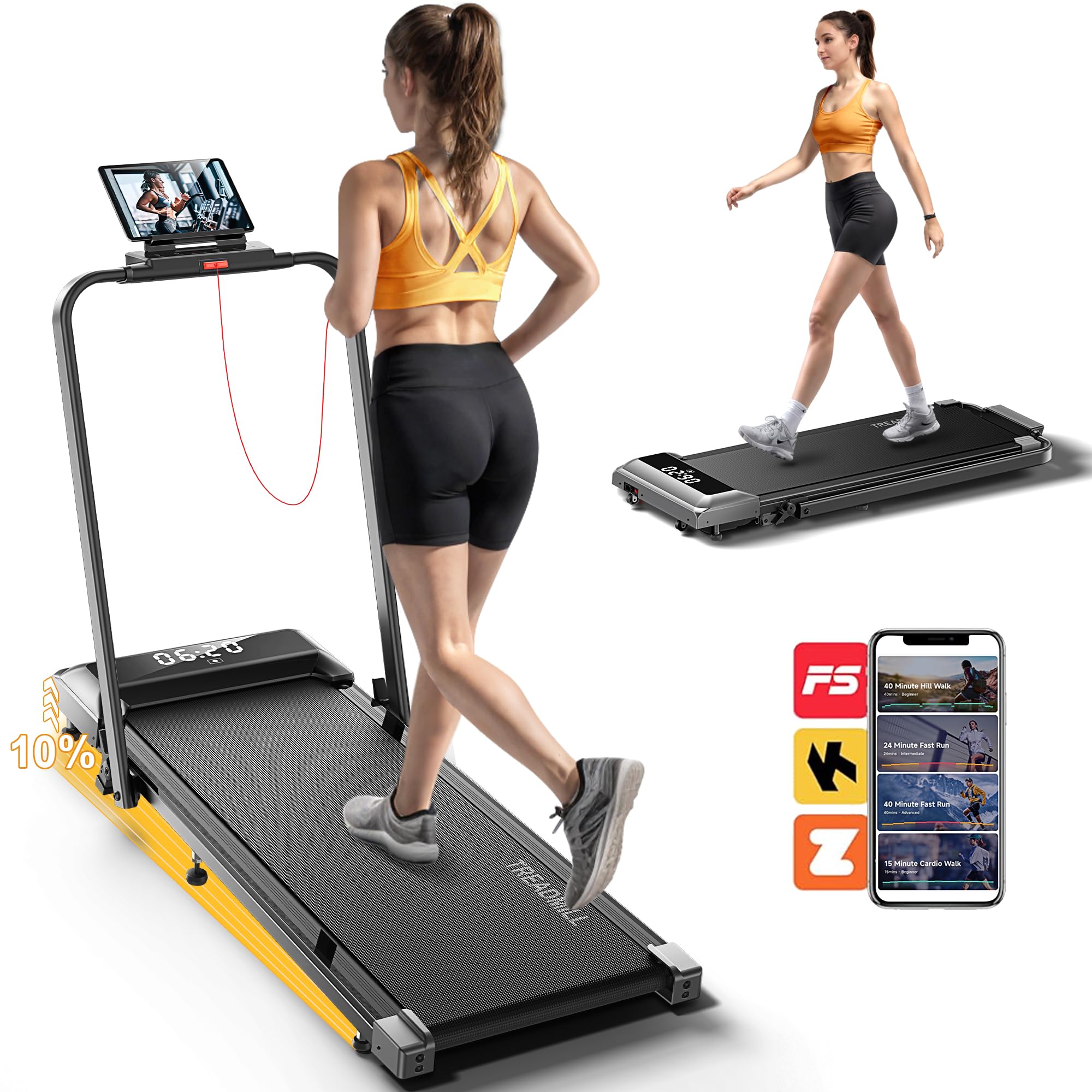
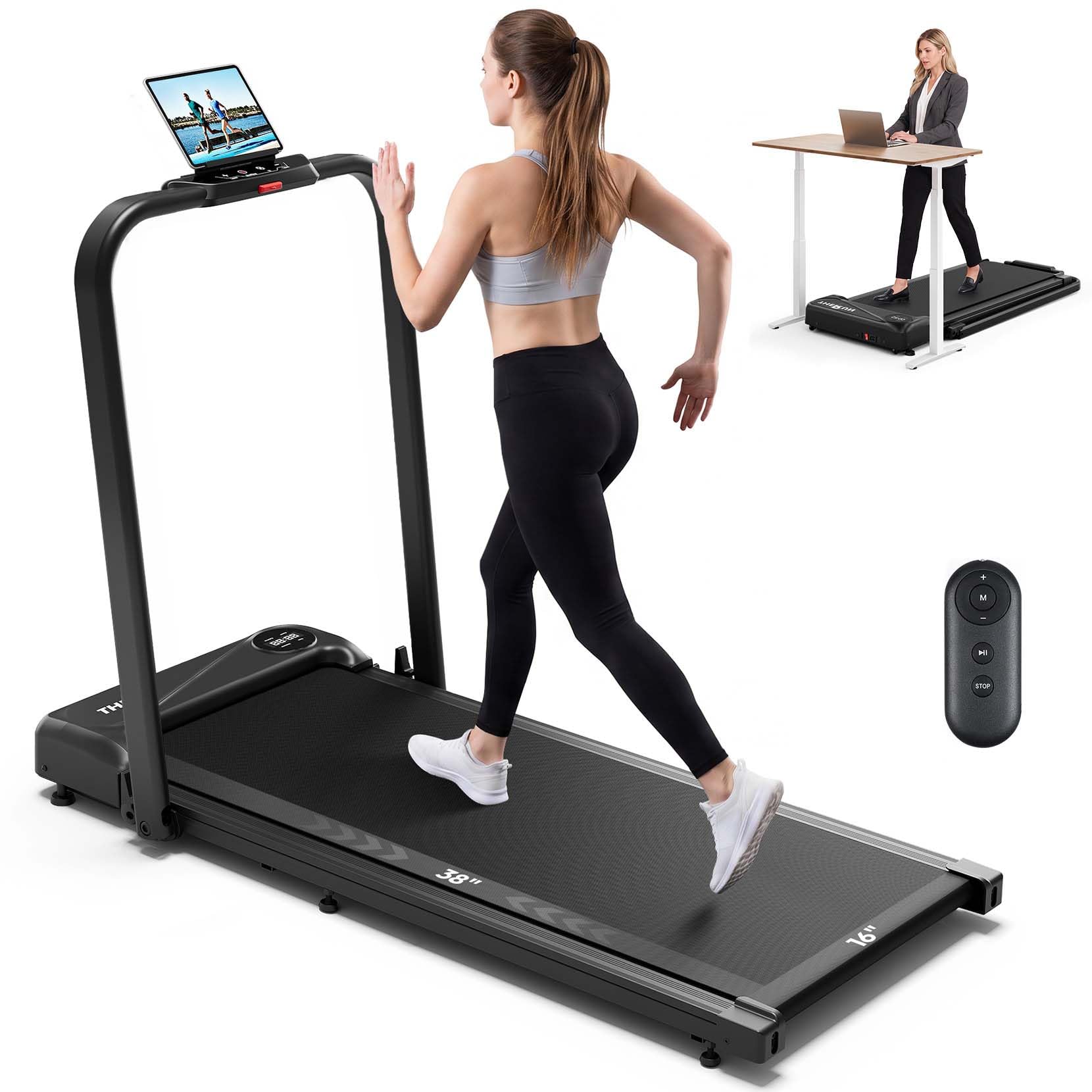
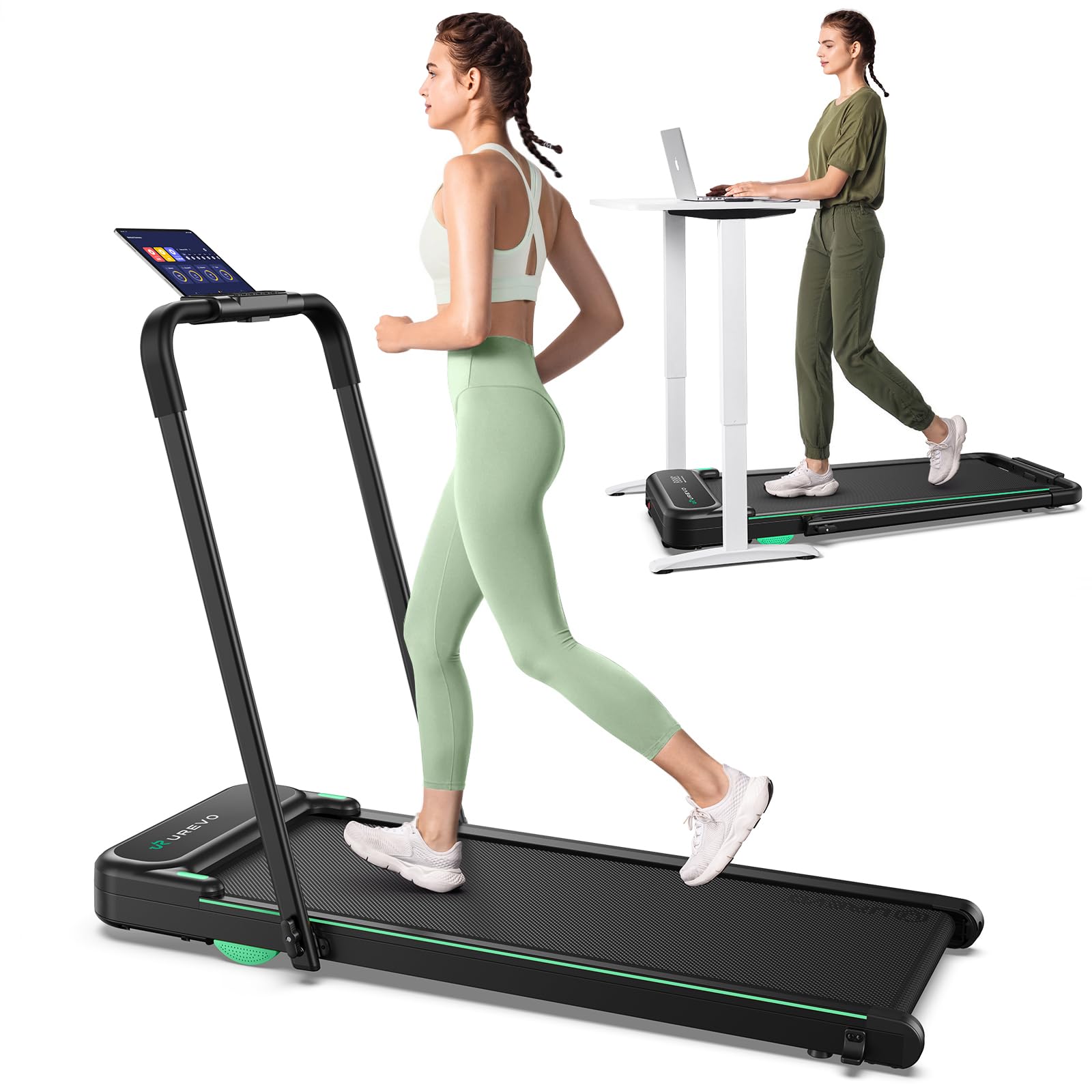
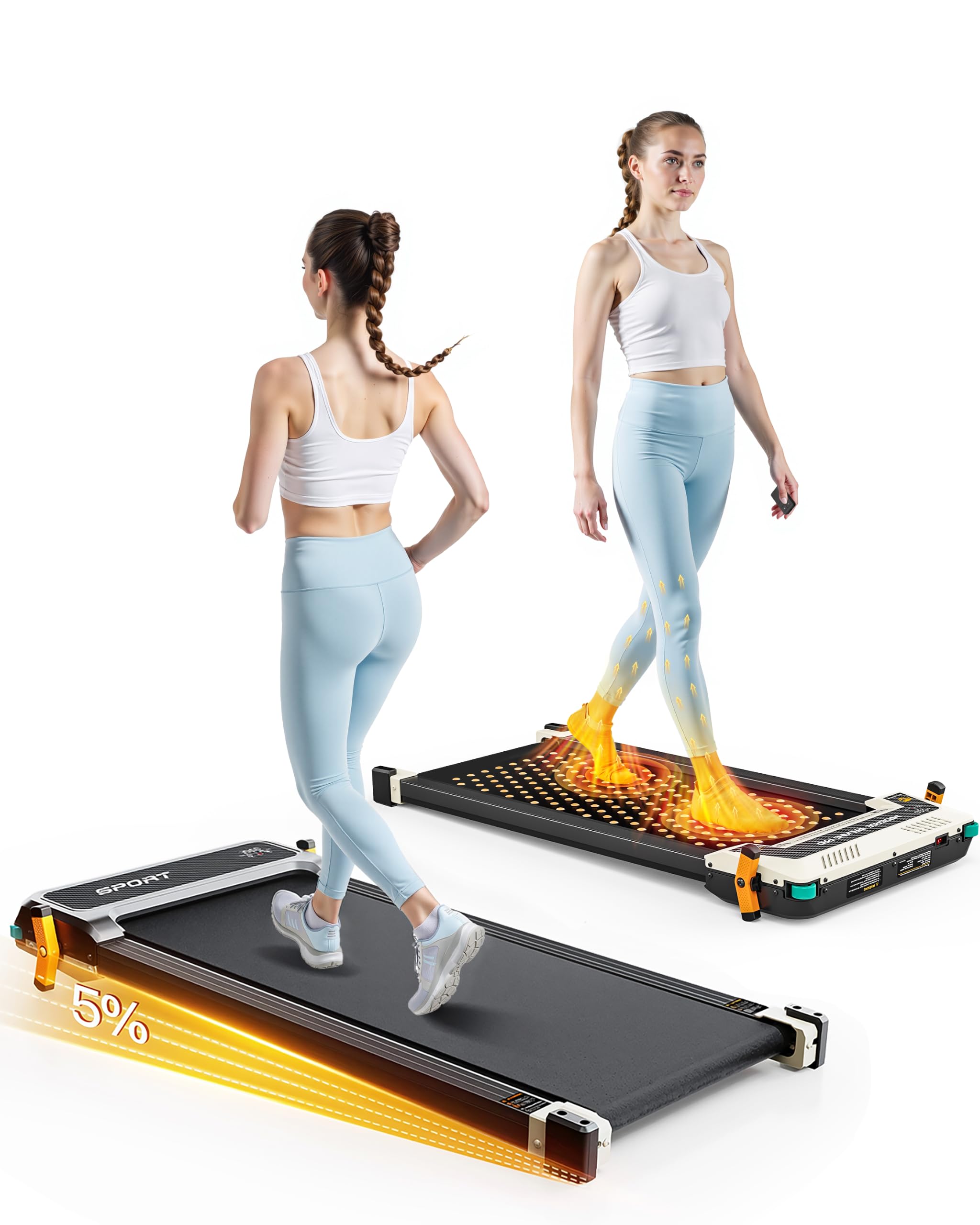
Who Should Buy a 2 in 1 Walking Pad?
Choosing the best 2 in 1 walking pad starts with how you will split your time between desk walking and standalone sessions.
Desk Workers Who Walk While They Work
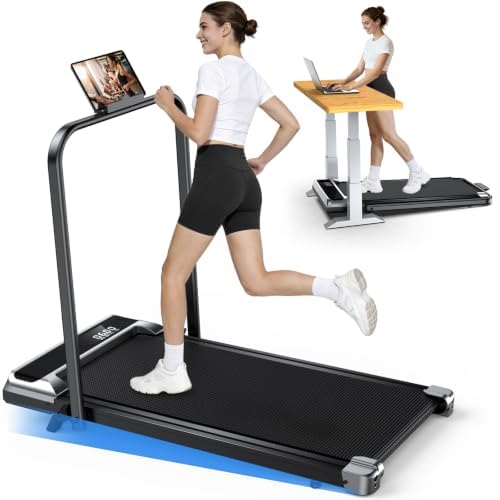
You spend long hours at a standing desk and want steady steps without leaving your screen. Flat mode is your main mode, so a low deck height that keeps your desk ergonomics intact matters most, along with a quiet motor you can use during calls. You will raise the handrail only for short brisk walks between meetings. Prioritize a responsive remote you can adjust without looking down.
Home Users Who Want Faster Sessions Without a Desk
You have no standing desk, or you prefer to separate work from exercise entirely. For you, the second mode is the point of the purchase, so look at the top speed with the handrail up, the stability of that rail at pace, and the length of the belt for a natural stride. A pad that feels solid at a brisk walk and stores against a wall afterward fits your routine far better than a flat only model.
Apartment and Small Space Households
You need cardio equipment that disappears when guests arrive or the room returns to normal use. A folding handrail, transport wheels, and a slim deck you can slide under a sofa or bed matter more to you than extra programs. Measure your storage spot before ordering, and favor models one person can move without help. Noise counts double in shared buildings, since a considerate pad is one your neighbors never notice.
Types Compared: What the Second Mode Really Adds
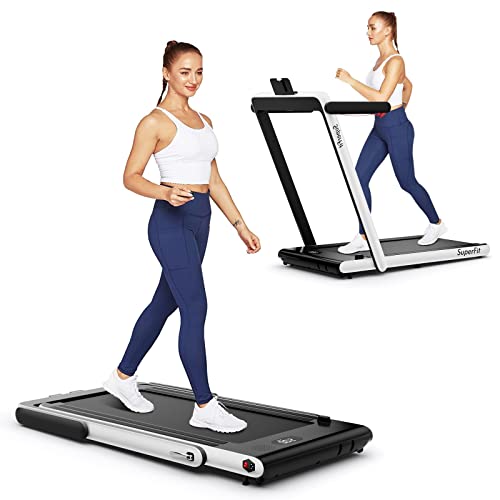
Not every model sold as 2 in 1 converts the same way. Some use a handrail that folds down flat over the deck, some use a rail you lift and lock upright, and a smaller group adds a fixed frame. Folding designs store the slimmest but add a hinge you should check for wobble. Lift and lock rails feel sturdier at speed, though they take a moment longer to set up.
The second mode also changes the speed ceiling. In flat mode, most pads limit you to a slow, safe pace suited to typing and reading. With the handrail raised, the same pad typically allows a faster walking pace, because the rail gives you balance support at speed. Some variants add incline to that second mode, which raises workout intensity without raising speed. If that appeals to you, our guide to the best walking pad with incline explains the trade offs of incline designs.
Key Features to Compare
Speed Range in Each Mode
Manufacturers headline the top speed, but the flat mode limit shapes your daily use far more. Check the minimum speed too, since a gentle starting pace helps you find your rhythm while reading or typing. Smooth changes between speeds matter, because a pad that surges when you tap the remote breaks your concentration and your stride. In handrail mode, confirm the faster range unlocks only with the rail up, a safety design that keeps fast speeds out of reach while you work at a desk.
Build Quality and Weight Capacity
The stated capacity should sit comfortably above your body weight, leaving margin for the extra force each foot strike adds at faster speeds. A steel frame and a deck that does not flex underfoot signal a pad built for daily hours rather than occasional use. Check the belt width as well, because a narrow belt forces a careful, short stride that grows tiring over long sessions.
Footprint and Storage
Deck length decides whether your stride feels free or chopped, and taller walkers need more of it than compact listings suggest. When stored flat, note the full height of the deck plus the folded rail, then compare it with the clearance under your bed or sofa. Transport wheels should roll on your floor type without catching, and pad weight matters if you will move it twice a day.
Handrail, Remote, and Controls
The handrail is the defining part of this category, so check its height against your arms once you picture yourself walking at pace. If grip and support are your top priority, our guide to the best walking pad with handle compares rail designs in detail. The remote should offer speed control, a clear pause function, and a battery you can replace easily.
Programs, App Features, and Displays
Built in programs vary your speed at set intervals, which helps standalone sessions feel structured without any phone involved. App pairing can log your walks, track streaks, and store settings for more than one user, though some apps push subscriptions for features that should stay free. Ask what still works if you never install the app, because the pad itself should handle speed, programs, and session data on its own display.
Noise and Floor Protection
Motor hum is only part of the sound picture. Belt slap, footfall, and vibration through the frame often carry further, especially on hard floors in upper story rooms. A dense equipment mat under the pad absorbs much of that vibration and protects the floor finish.
How Much Should You Spend?
Basic 2 in 1 models start at about $150 to $250, with modest speed ranges and simple remotes. Spending about $250 to $400 usually buys a stronger frame, a higher capacity, and a wider belt. Above that range, you pay for quieter motors, app polish, and longer warranties rather than a different walking experience. Set your budget after you confirm capacity and fit, because a cheap pad that cannot carry you safely is not a saving.
Space, Fit, and Setup Checks Before You Order
Measure three things while your room is set up exactly as you will use it. First, the clearance under your desk, so the deck plus your shoes leave your knees and screen height comfortable. Second, the walking zone behind the desk, since you need a clear step off area at the back of the belt. Third, the storage footprint, measured on the actual floor rather than estimated from listing photos.
On arrival, place the pad on a level surface, plug it into a grounded outlet, and run the belt empty for a few minutes before stepping on. If you are new to this routine, our walkthrough on how to use a walking pad covers first session pacing and safe stopping habits. Keep the safety key attached in handrail mode, and leave space behind the pad so a stumble ends on open floor, not furniture.
2 in 1 vs Other Walking Pads: Pros and Cons
The clear advantage is range. One machine covers slow desk walking and purposeful exercise walks, so a small home needs no second device. The handrail also adds confidence for users who feel unsteady on a bare deck, and it gives faster speeds a safe place to exist. Against that, moving parts add weight and cost, and the rail and hinge can loosen over time.
Compared with a full size treadmill, a 2 in 1 pad gives up running speeds, large motors, and broad decks, but wins on storage and price by a wide margin. If you are still weighing the category itself, our article asking is a walking pad worth it works through the habit and health side of the decision. For most desk based walkers, the best 2 in 1 walking pad format lands in a useful middle ground.
Common Mistakes to Avoid
- Buying by top speed alone, when your daily use will happen almost entirely at flat mode pace.
- Skipping the capacity margin, so the motor strains near its limit and wears out early.
- Guessing the storage fit, then finding the folded rail blocks the under bed space you counted on.
- Walking in thick cushioned shoes that dull your feel of the belt edge and raise your ankle height.
- Placing the pad on deep carpet, where the blocked vents and added drag overheat the motor.
- Ignoring the return window, even though stride comfort only becomes clear after several real sessions.
How to Make Your Walking Pad Last Longer
Wipe the belt and deck edges after sweaty sessions, because salt and dust work under the belt and add friction the motor must fight. Vacuum around the pad weekly, since the motor sits low and pulls in floor dust and pet hair. Check belt tracking monthly by watching it run empty, and adjust in small steps if it drifts toward one side. Apply belt lubricant only as often as the manual states, and only with the type it specifies.
Store the pad flat or exactly as the maker directs, because leaning a folding model on its edge for months can stress the hinge. If the belt squeaks, slips, or smells hot, stop using it and contact the maker or a qualified repair service rather than walking through the problem.
FAQ
Can you jog on a 2 in 1 walking pad with the handrail raised?
Light jogging is possible on some models, but it is rarely the best use of one. Belt lengths are shorter than treadmill belts, so a running stride can feel cramped and push your heels close to the rear edge. Motors in this category are also sized for walking loads, and repeated running sessions shorten their service life. If jogging will be a regular goal, a compact treadmill suits you better.
Are 2 in 1 walking pads worth it if you already own a treadmill?
They can be, when the treadmill lives in a garage or spare room and your desk sits elsewhere. The pad earns its place by putting steps into hours you already spend seated, not by replacing your main workouts. Judge the purchase by cost per use over a season of workdays. If that number looks good, the overlap with your treadmill matters little.
What shoes should you wear on a 2 in 1 walking pad?
Choose clean, flat soled walking shoes with modest cushioning and a secure heel. A thinner sole lets you feel the belt position, which helps you stay centered during long desk sessions. Keep one indoor pair for the pad only, because grit from outdoor shoes grinds into the belt surface and deck. Socks alone are a poor choice, since they slide on the belt and offer no support once your feet tire.
How long does a 2 in 1 walking pad usually last?
Service life depends mostly on daily hours and user weight relative to the rated capacity. A pad walked on for one or two hours a day, well under its limit, can serve for years, while heavy daily use near capacity wears the motor and belt much sooner. Think in terms of total walking hours rather than calendar time.
Can two people in one household share a single 2 in 1 walking pad?
Yes, provided both users fall within the weight capacity and the belt length suits the taller walker. Sharing works best when each person keeps their own speed presets or app profile, so nobody starts a session on settings chosen for someone else. Households that schedule desk time in blocks usually find sharing easy.
Final Thoughts
A 2 in 1 pad earns its keep when both modes match real parts of your week, the desk hours and the exercise hours alike. Confirm the capacity margin, the folded size, and the flat mode speed limit first, then let programs and apps break any tie. Use the product table above to compare the types against your measurements. For most buyers, the best 2 in 1 walking pad is the one that fits your body, your room, and your routine without friction.


