Best 2 in 1 Oil Sprayer in 2026: Buying Guide and Top Picks
Disclosure: We may earn a commission when you buy through links on this page, at no extra cost to you. As an Amazon Associate I earn from qualifying purchases. Learn more

What to look for in the best 2 in 1 oil sprayer: the main types, key features, realistic price ranges and mistakes to avoid before you order.
A small kitchen rarely has room for a separate spray bottle, a pouring bottle, and a spare bottle of oil beside the stove. One bottle that can mist a pan and pour a measured stream solves that clutter in a single spot on the counter or shelf. If you are looking for the best 2 in 1 oil sprayer for your home, this guide sorts the choice by kitchen space, household size, and daily routine, and the product table below lets you compare current options side by side.
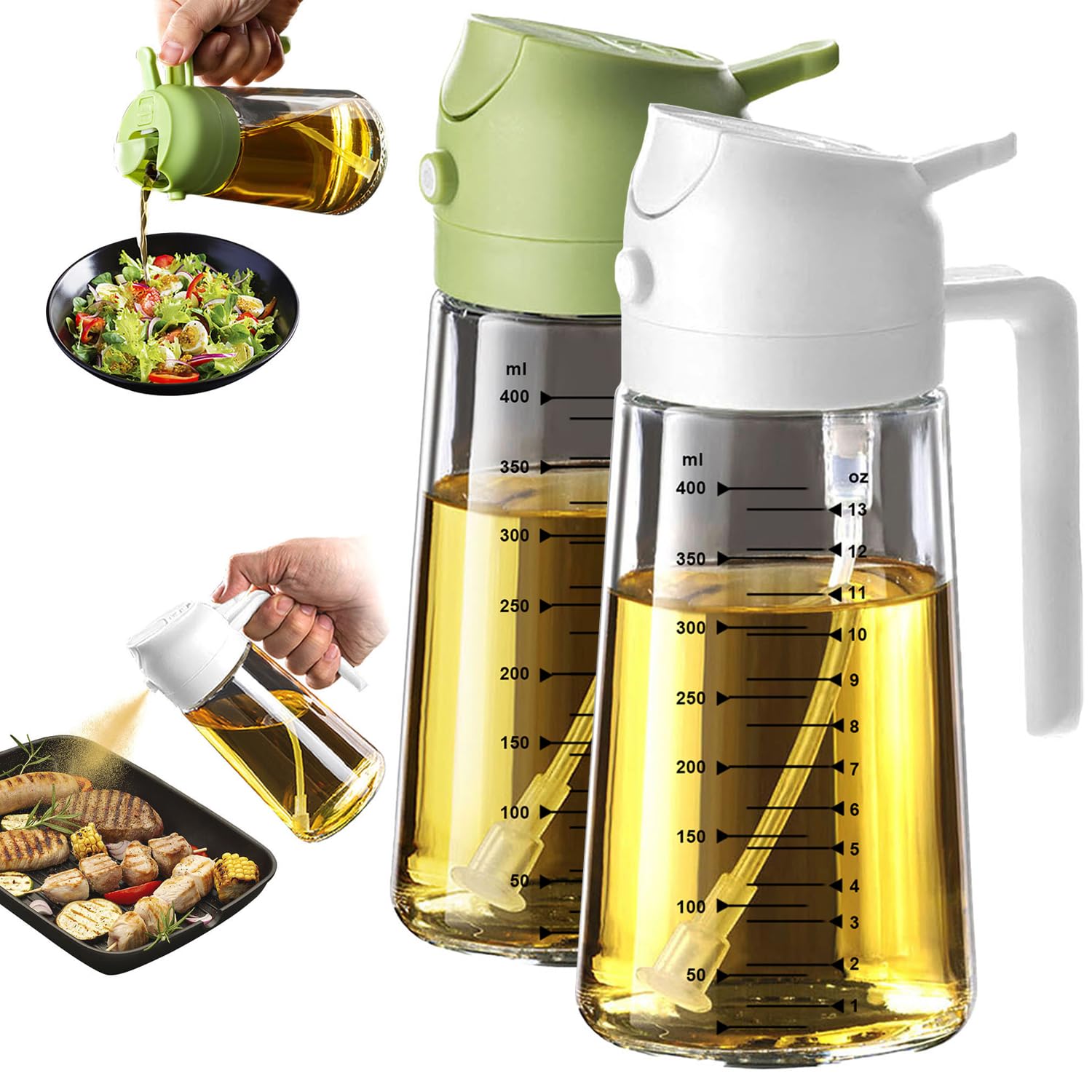
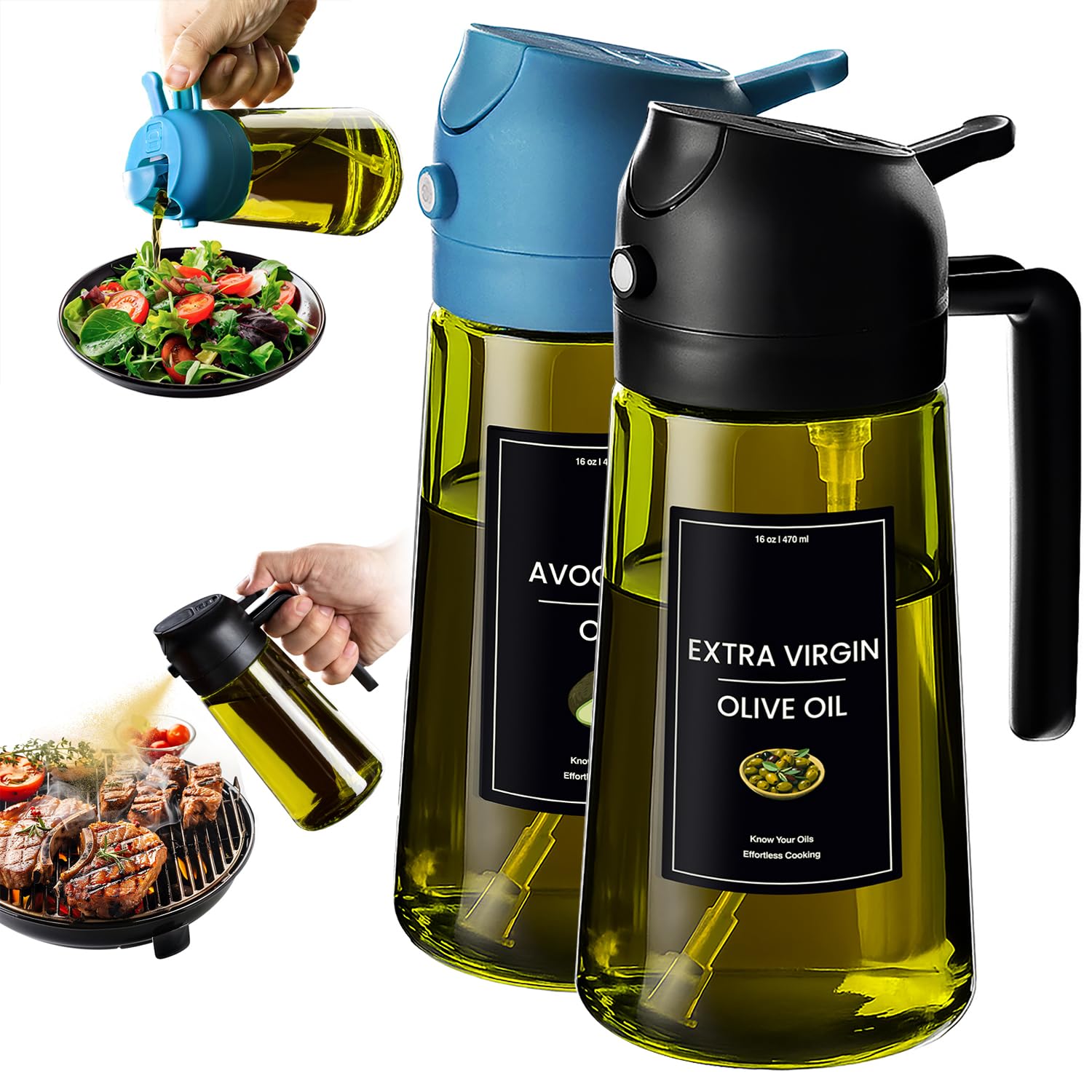
Unlike a plain sprayer, a 2 in 1 model pairs a spray nozzle with a pour spout in one refillable bottle. You mist when you want a thin coat and pour when a recipe calls for a spoonful or more.



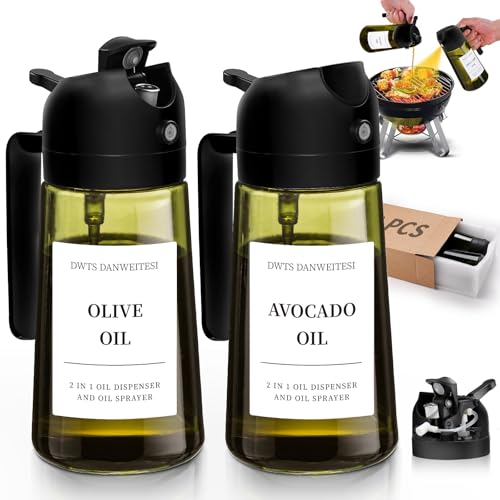


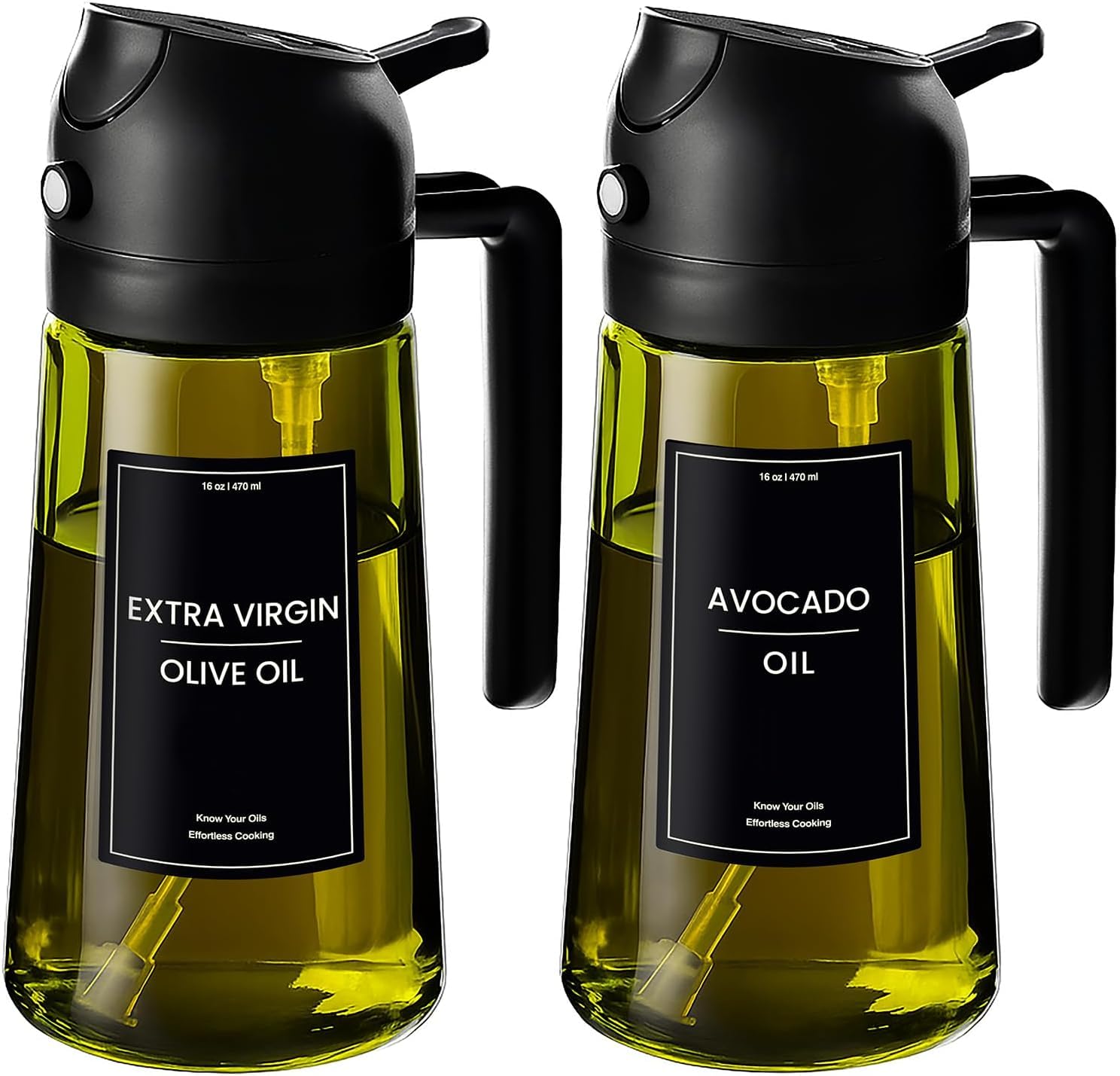

Quick Answer: What a 2 in 1 Oil Sprayer Does Best
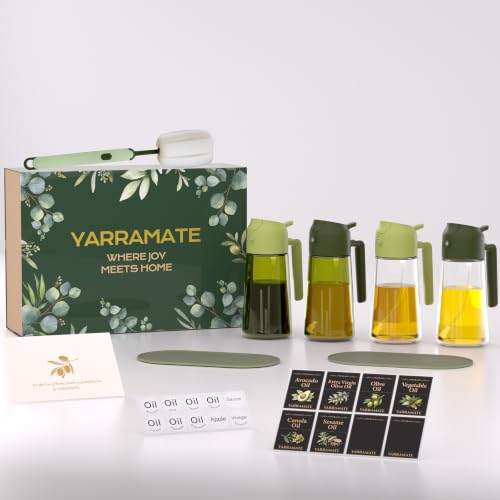
The spray side lays down a fine, even coat for pans, trays, and salads, using far less oil than a free pour from a large bottle. The pour side handles the bigger jobs, such as dressing a bowl of vegetables or adding oil to a hot skillet, without swapping bottles mid recipe. For most homes, a mid size glass bottle with a clear fill line, a locking pour spout, and a nozzle that sprays in a fan pattern covers both jobs well.
Households that cook for one or two people can go smaller and refill more often, while larger families usually prefer the bigger capacity. If you are weighing the plain format against this dual format, our overview of the best oil sprayer shows how single function bottles compare.
Before You Buy: A Quick Checklist for Choosing an Oil Sprayer
Five checks decide whether a 2 in 1 bottle feels handy or annoying within a month: size, spray style, material, washing method, and budget.
Size: Match It to Your Space
Small bottles of around 6 to 8 ounces suit a single cook, a dorm style kitchen, or a counter with almost no spare room, and they keep oil fresher because you refill in small batches. The common 10 ounce and 16 ounce sizes fit most family kitchens and balance capacity against weight in the hand. A 500 ml bottle is roughly the same as the 16 ounce class. Full bottles get heavy, so if grip strength is a concern, a smaller bottle that you refill more often is often the kinder choice.
Which Type Fits Your Routine
Trigger models spray while you squeeze, giving you quick bursts for a pan or grill grate with little effort. Pump models need a few strokes to build pressure first, then release a longer, steady mist, which suits coating a whole tray at once. Both styles in this category add a pour spout under a flip cap or a rotating lid. If most of your cooking happens on the stove top, the spray and pour balance in this guide pairs well with the advice in best oil sprayer for cooking.
Materials and Food Safety
Glass bodies let you see the oil level and color at a glance, and glass does not hold odors from a previous oil. Dark or tinted glass slows the effect of light on oils such as olive oil, which can lose flavor in bright light. Stainless steel bodies resist drops and suit busy family kitchens, but most hide the fill level unless they include a viewing window. Plastic bodies cost least and weigh least, so check that the listing states food grade material.
Dishwasher Safe or Hand Wash
Some bottles list the body as dishwasher safe while the spray head and pour lid still need hand washing, so read the care note for each part rather than the headline claim. Narrow necks and small nozzle parts trap oil film, and a bottle brush usually reaches them better than a dishwasher jet. If you hate hand washing, favor a wide mouth design with few separate parts and fewer seals to lose in the sink.
Realistic Budget Ranges
Most 2 in 1 sprayers fall under $20, and many sit under $10. At under $10 you typically get a simple glass or plastic bottle, a basic trigger or pump head, and a plain pour cap. Spending about $10 to $20 usually buys thicker glass or a steel body, a smoother spray pattern, a drip guard at the spout, and spare seals in the box. Paying more mainly improves comfort and durability here, not the oil itself, so match the spend to how often you cook.
Three Styles Compared: How 2 in 1 Oil Sprayers Differ
Instead of chasing a brand name, compare the three build styles below. Each one uses the same spray and pour idea, but the filling, spraying, and cleaning experience differs in ways that show up every day.
Flip Top Bottles With a Spray Head and Pour Spout
This is the most common style: one lid flips open to reveal a pour spout, while the spray nozzle sits on top or beside it. Switching between mist and pour takes one hand and a second or two, which helps when food is already in the pan. The main weakness is the hinge and seals around the flip lid, since dried oil can make the lid stick or weep at the rim. Choose this style if you switch between spraying and pouring within the same recipe.
Pump Pressure Bottles With a Separate Pour Opening
Pump styles ask you to pressurize the bottle before spraying, and in return they give a longer, more even mist with each press. That steady coat is useful for large trays, sheet pan dinners, and batches of roasted vegetables. The pour opening is often a second cap or a twist section, so pouring is a touch slower than with a flip top. Choose this style if you spray large surfaces often and do not mind the short pumping step before you start.
Compact Bottles for Small Kitchens and Small Households
Compact models hold less oil, take up the least shelf and counter space, and are light enough to handle with one hand even when full. They suit couples, single cooks, and anyone storing the bottle in a cabinet door rack or a narrow pull out shelf. The trade off is refill frequency, since a small bottle may need topping up every week or two in a home that fries or roasts often.
How to Compare 2 in 1 Oil Sprayers
Compare styles on five plain criteria: ease of use with one hand, durability of the lid and nozzle, how fully the bottle can be cleaned, design fit for real counters and cabinets, and value for the price band. Maker specifications and repeated buyer notes about clogging or leaking lids are the best evidence for each point.
What We Like and What We Do Not About 2 in 1 Models
The clear win is saving space and steps. One bottle replaces two, so a small kitchen gains shelf room, and you stop reaching for a second container halfway through a recipe. Portion control improves at both ends, since the mist coats food with less oil and the pour spout gives a slower, steadier stream than the mouth of a store bottle. For crisp results with light oil, many readers pair this format with the picks in best oil sprayer for air fryer.
The downsides are real, though. Two outlets mean two places for oil residue to build up, and a neglected nozzle will clog faster than a plain pour bottle ever will. Very thick oils and oils with herbs or particles in them spray poorly and can block the intake tube. If you mostly pour and rarely mist, a single function bottle may serve you better and cost less to replace.
Common Buying Mistakes to Avoid
- Buying too large for your space: a tall 16 ounce bottle may not fit under low cabinets, so measure the shelf height before ordering.
- Ignoring the oils you actually use: thick or infused oils clog fine nozzles, so a sprayer bought for olive oil alone may disappoint with other oils.
- Skipping the seal check: a lid without a sound silicone seal can leak in a cabinet and leave a sticky ring on the shelf.
- Paying for extras you will not use: funnels, spare bottles, and brush sets add cost, and they help only if your routine truly needs them.
- Forgetting replacement costs: a cheap bottle with no spare seals or heads available can cost more over two years than a sturdier one.
Cost of Ownership and Care
Running costs stay low, since the bottle uses the same cooking oil you already buy, and there are no propellant cans or cartridges to replace. The parts that wear out are the spray head, the intake tube filter on some models, and the lid seals, so a design with replaceable seals lasts longer. Storing the bottle away from the heat of the stove keeps seals supple and keeps oil from turning stale as fast. If saving money on refills matters to you, the broader category in best refillable oil sprayer explains why refillable formats beat disposable spray cans over time.
Rinse the bottle with warm water and a drop of dish soap whenever you switch oils, and let every part dry fully before refilling. For the full soaking method and the order to clean the nozzle, tube, and lid, follow how to clean an oil sprayer. A monthly rinse prevents the stale smell that old oil film leaves behind.
Your Questions, Answered
How do you clean a 2 in 1 oil sprayer without damaging the nozzle?
Empty the bottle, fill it part way with warm water and a drop of dish soap, then spray the soapy water through the nozzle until it runs clear. Soak the lid and tube in the same mix, rinse, and air dry every part before refilling. Never push a pin or needle into the nozzle opening, since enlarging that tiny hole ruins the mist pattern for good.
How long does a 2 in 1 oil sprayer usually last?
With regular rinsing, a glass or steel bottle often lasts several years, while the spray head and seals are the parts most likely to tire first. A head that sprays in uneven spurts after a proper cleaning is usually at the end of its life. Keeping a spare seal from the original box can add many months of use before you need a new head or bottle.
Are 2 in 1 oil sprayers worth it for a small household?
Yes, if you both spray and pour each week, because one compact bottle covers both tasks and frees a shelf spot you can use for something else. A household that only pours oil into a pan gains little from the spray side and can save money with a plain pour bottle. Think about your last ten meals and count how often a mist would have helped before you decide.
What makes one oil sprayer brand more reliable than another?
Reliability shows up in the small parts: seals that stay soft, a nozzle that keeps its fan pattern, and a lid hinge that does not crack. Brands that sell spare heads and seals for their bottles signal that the design is meant to be serviced rather than thrown away. A clear warranty and spare parts listing on the product page tell you more than a star rating alone.
Can a 2 in 1 oil sprayer handle avocado oil and sesame oil?
Most models spray avocado oil well because it flows much like olive oil. Sesame oil also sprays, but its strong flavor lingers in seals and tubes, so many cooks keep a second small bottle for it rather than swapping flavors in one bottle. Oils blended with chili flakes, garlic pieces, or herbs belong in the pour side only, since particles block the spray intake.
Final Thoughts
The right choice comes down to fit: the bottle size that matches your shelf, the spray style that matches your routine, and a lid you can clean without a fuss. For most homes, the best 2 in 1 oil sprayer is a mid size glass flip top with sound seals. Recheck the product table above against your space and budget before you buy.