Best 2 Door Mini Fridges (2026): Buying Guide
Disclosure: We may earn a commission when you buy through links on this page, at no extra cost to you. As an Amazon Associate I earn from qualifying purchases. Learn more

What to check before you buy the best 2 door mini fridge: freezer share, size and noise, and which type fits your home.
Picture a grocery run that fills your main fridge so tightly that a bag of frozen berries tips out every time the door opens. Or a dorm room where ice cream kept in a tiny ice box turns soft within days. A separate freezer door solves that split problem, and choosing the best 2 door mini fridge for your space means frozen food stays properly frozen while drinks and fresh snacks stay within easy reach.
This guide covers sizes, layouts, budgets, and care, with the focus on how the fridge fits your room and routine. Use the comparison table below to match capacity and footprint to your space, and if you are still weighing the wider category, see our guide to the best mini fridge range first.



Quick Answer: Why the Separate Freezer Door Matters
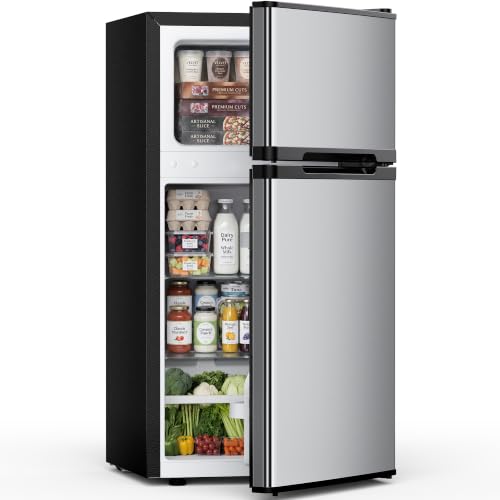
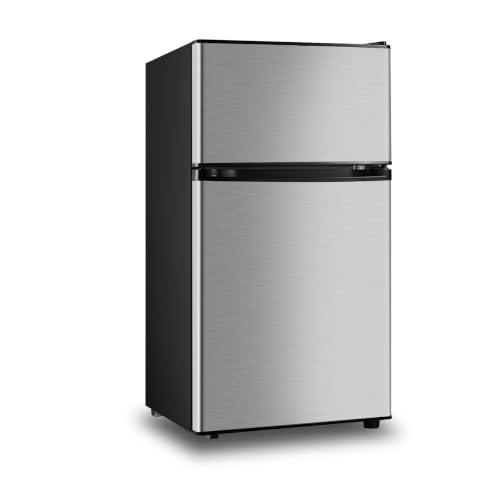
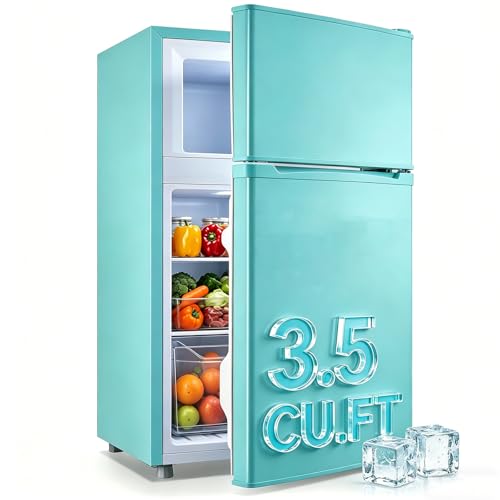
In short, the best 2 door mini fridge for most buyers is a compressor model of about 3.1 to 3.2 cubic feet, with a freezer section that takes up roughly a quarter of the total space. The freezer door stays shut while you grab a drink, so frozen food holds its temperature far better than in a single door ice box. Expect manual defrost at this size, and measure your space first.
Before You Buy: A Quick Checklist for Choosing a Mini Fridge
Size: Match It to Your Space
Two door models usually start at about 3.1 cubic feet, and that size suits one or two people well, holding a week of lunch items and drinks plus several frozen meals. Models of about 4.3 to 4.5 cubic feet suit shared homes and serve as overflow storage for a family kitchen. Smaller 1.7 and 2.7 cubic foot fridges are almost always single door designs with a small ice box, so start at 3.1 cubic feet if true frozen storage matters to you.
Which Type Fits Your Routine
Start from what you store each week. If frozen meals are the main reason you are shopping, compare layouts in our guide to the best mini fridge with freezer models. For a sleeping space, noise matters more, and our notes on the best mini fridge for bedroom explain what to check. Shared kitchens have different needs, covered in our guide to the best mini fridge for office, where easy cleaning and clear shelf ownership count most.
Features Worth Paying For and Ones to Skip
Pay for a reversible door, since it lets the fridge fit a left or right opening corner without a fight. Adjustable shelves, a crisper drawer, and door bins tall enough for bottles all earn their cost in daily use. Skip the glass door front if you store food rather than drinks, because light and temperature swings age produce faster. A lock is worth it only in shared spaces. Retro styling adds price without adding capacity, so treat it as a decor choice.
Measurements and Compatibility With Your Setup
Measure the width, depth, and height of your spot, then check the door swing so the open door clears walls and furniture. Leave the air space behind and above the unit that the manual calls for, because the compressor sheds heat through those gaps. Set the fridge on a level floor so the doors seal evenly. Plug it directly into a wall outlet rather than an extension cord, and keep it away from ovens or direct sun, which force the compressor to work harder.
Certifications and Safety Listings
Look for a UL or ETL listing mark on the label, which shows the appliance passed safety testing for home use. An Energy Star certified model has verified energy use, and the yellow EnergyGuide label gives an estimated yearly electricity figure in kilowatt hours. Compare that figure across models of the same size, since it predicts running cost better than price does.
Setup: Doing It Yourself Versus Hiring Help
A mini fridge needs no plumber and no water line, so most buyers set it up themselves in minutes. Ask a second person to help lift larger models, and keep the unit upright while you move it. If it traveled on its side, let it stand upright for the time the manual states before plugging it in, so the compressor oil settles. Paid help only makes sense for stair delivery or old unit removal, often about $20 to $80.
Realistic Budget Ranges
Under $150, you will mostly find single door models, and a true two door fridge at that price usually appears only in a sale. About $150 to $250 covers the core range of 3.1 and 3.2 cubic foot two door models with a crisper drawer and reversible door. About $250 to $350 buys the larger 4.3 to 4.5 cubic foot sizes, quieter compressors, and finishes such as a stainless steel look. Paying more rarely adds capacity, so step up in size only if your routine needs it.
Types Compared: Three Layouts Within the 2 Door Family
Compact Models of About 3.1 to 3.2 Cubic Feet
This is the layout most dorm rooms, studios, and single offices end up with. The freezer holds several frozen meals, a bag of vegetables, and a small ice cube tray, while the fridge section takes drinks, sandwich supplies, and leftovers for one or two people. Choose this size if your frozen storage supplements a main kitchen rather than serving as your only freezer.
Larger Models of About 4.3 to 4.5 Cubic Feet
The bigger layout suits a shared apartment, a guest suite, or a family that needs overflow room during holidays and party weeks. Taller door bins take large bottles, and the extra shelf space keeps raw meat, dairy, and produce apart more easily. The freezer fits bulk items such as a large bag of chicken or several tubs of ice cream.
Models With a Larger Freezer Share
Some two door models give the freezer close to a third of the total capacity instead of the usual quarter. That layout fits meal prep households that freeze soups, portions of meat, and breakfast items in batches each week. The fridge section shrinks in return, so produce and tall bottles compete for less room. Pick this split if your shopping leans frozen, and pick the standard split if you mostly chill fresh food.
How to Judge Quality Without Relying on Star Ratings
Check whether the fridge has one temperature dial for both sections or separate controls, since separate controls let you cool the fridge without overfreezing produce. Press the door gasket in the store if you can, and look for a firm, even seal with no gaps at the corners. Glass shelves contain spills better than wire ones. Note the noise figure in decibels if listed, and read the warranty terms for parts and compressor before you buy.
2 Door Versus Single Door: What You Gain and What You Give Up
You gain a freezer that can hold food at around 0 degrees Fahrenheit, the temperature frozen food needs for safe storage and decent texture. Because the freezer has its own door, opening the fridge for a drink no longer dumps cold air out of the frozen section.
You give up some money and some space. A two door model costs more than a single door fridge of similar capacity and usually stands a little taller. The freezer is still compact, so a large frozen pizza box or a whole turkey will not fit. Most models at this size also need manual defrosting. If you only chill drinks, the simpler layout may serve you just as well.
Common Buying Mistakes to Avoid
- Measuring the cabinet space but forgetting the door swing, so the fridge door ends up hitting a wall or a desk.
- Judging by total capacity alone and ignoring the freezer share, so the frozen section fills up within the first week.
- Placing a standard model in a cold unheated garage, where winter air can stop it from keeping food cold enough.
- Loading the door bins with heavy bottles on every shelf, which strains the hinges and warps the door seal over time.
- Skipping the EnergyGuide label when you compare two similar models, so the cheaper fridge costs you more in power each year.
Cost of Ownership and Care
Running cost depends on the kilowatt hour figure on the EnergyGuide label and on your local rate, and a larger freezer section usually draws a little more power. Dust the rear coils or panel vents a few times a year if your model exposes them, since dust buildup makes the compressor work harder. How long the appliance serves you depends heavily on this upkeep, which our guide on how long does a mini fridge last covers in depth.
Defrost the freezer when frost builds to about a quarter of an inch, since thick frost steals space and insulates the cooling plate. Never chip ice away with a knife, because one slip can puncture a coolant line and end the fridge. Test the door seal by closing the door on a sheet of paper, and if the paper slides out with no resistance, the gasket is worn or the door needs leveling. For the full wash routine, follow our steps on how to clean a mini fridge.
Your Questions, Answered
What is the most reliable mini fridge brand?
No single brand wins for every buyer, and reliability tracks compressor design, warranty support, and daily care more than the badge on the door. Before you buy, check whether warranty service is available in your area and whether the compressor carries a longer coverage term than other parts. Keep your proof of purchase and a photo of the serial label, since a smooth claim often comes down to those two items.
How do you clean a mini fridge?
Unplug the fridge, empty both sections, and wash removable shelves and bins in warm soapy water. Wipe the interior walls with a cloth dipped in water mixed with a spoon of baking soda, which lifts odors without harsh chemicals. Dry the folds of the door gasket fully, because moisture trapped there is where mildew starts. Leave the doors open until every surface is dry before you restock.
Is a mini fridge worth it?
Yes, if it replaces spending you already do. Add up what you pay for ice, daily drink runs, or takeout meals that a stocked fridge would prevent, and most households find the appliance covers its price within the first year or so. It is harder to justify if it will hold only a few cans, since a small insulated bag handles that job.
How long does a mini fridge last?
Many owners get about 8 to 12 years from a compressor mini fridge that is kept level, defrosted on schedule, and given room to vent heat. Call a repair professional rather than opening the sealed system yourself if you notice the compressor running without stopping, frost building fast on one side only, or repeated clicking at startup. Those faults involve refrigerant and wiring, best left to a trained technician.
Are 2 door mini fridges worth it?
They are worth it if you freeze food every week. A two door model typically costs about $30 to $80 more than a single door fridge of similar size, and that premium buys frozen storage that actually stays frozen, so fewer meals end up thrown away. If your freezer use amounts to the odd ice tray for drinks, the simpler single door layout leaves more fridge room for the same money.
What is the best 2 door mini fridge?
The right answer is the model that fits your measured space, gives the freezer share your habits need, and lets you adjust each section on its own. One point buyers miss is sizing discipline: buy the smallest capacity that covers your weekly routine, since every extra cubic foot costs floor space and electricity every day you own it.
Final Thoughts
The product table above pulls the sizes and layouts from this guide into one view, so start there with your measurements in hand. For most homes, the best 2 door mini fridge is the one sized honestly to the room, with a freezer share that matches how much you truly freeze each week. Check the door swing, the EnergyGuide figure, and the warranty terms before you order.