
Best 2 Cup Coffee Makers: How to Pick the Right One for 2026
Disclosure: We may earn a commission when you buy through links on this page, at no extra cost to you. As an Amazon Associate I earn from qualifying purchases. Learn more

Compare the best 2 cup coffee makers by type, size and price, from moka pots to mini drip and pour over brewers, for one or two cups at a time.
Choosing the best 2 cup coffee makers is mostly about matching a small brewer to how you actually drink coffee. This guide covers the main types, the features that matter at this size and the checks that prevent a poor fit. The product table gives a quick look at the picks before you read the detail.



Choosing the Best 2 Cup Coffee Makers for Your Routine
A 2 cup brewer suits one or two people who want a fresh small batch without wasting a full pot. Note that a "cup" in coffee makers is usually about 5 to 6 ounces, so two cups is only around 10 to 12 ounces, roughly one large mug.
Think about how often you brew, whether you share the coffee and how much counter or dorm space you have. Those answers rule out types built for needs you do not have.
Who a Small Brewer Suits
Solo drinkers who only want one mug in the morning are the obvious fit. A full 10 or 12 cup carafe leaves most of the pot sitting on a warmer, where the flavor turns flat and bitter. A small brewer makes only what you will drink, so every cup tastes fresh.
Small brewers also work well in dorm rooms, offices, campers, guest rooms and tiny apartment kitchens. They store easily in a cupboard, and many do not need a dedicated counter spot. Couples who drink different amounts of coffee sometimes keep one as a second brewer for the weekend.
Types Compared Side by Side
| Type | Best For | Watch For |
|---|---|---|
| Stovetop moka pot | Strong, espresso style coffee without electricity | Needs a stove, and manual timing |
| Mini electric drip | Hands off brewing of two small cups | Limited choice of models and mug sizes |
| Pour over brewer | Clean, bright flavor and control over the brew | Slower, and needs a kettle or water tank |
| Single serve brewer | One mug at a time with minimal effort | Pod costs, or a mug size larger than two cups |
The table explains the trade offs, while the product table shows the models listed for this guide. Use both together.
How Each Type Brews
Moka Pot
A moka pot heats water in the lower chamber until steam pressure pushes it up through the grounds. The result is a small, concentrated cup that sits between drip and espresso in strength. Many people dilute it with hot water or milk. It is cheap and has few parts, but it needs attention on the stove so it does not scorch.
Mini Electric Drip
A mini drip maker works like a full size machine, only smaller. You add water and grounds, press a switch and walk away. It is the closest match for people who want a familiar mug of coffee with no learning curve. Some small models come with two tiny mugs, so check the ounce size before you assume it fills a travel mug.
Pour Over Brewer
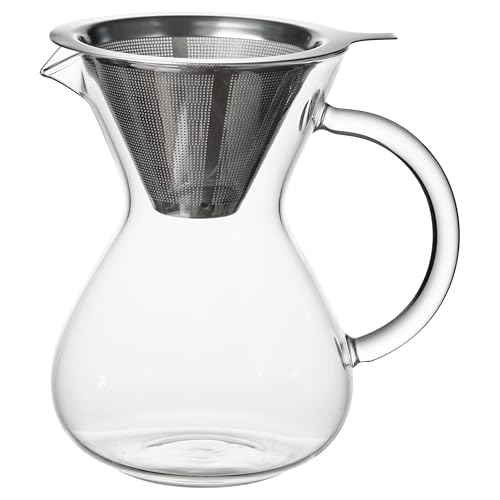
Pour over brewers pass hot water through a filter and grounds into a carafe or mug. You control the pace and the water temperature, which gives a clean, bright cup. Models with a water tank and a shower style head do much of the pouring for you, while glass or steel manual brewers need a kettle.
Single Serve Brewer
Single serve machines make one mug at a time, often from pods. They are fast and tidy, but a mug is usually larger than two small cups, and pods add running cost. Reusable pod filters let you use your own grounds instead.
Key Features Worth Comparing
Capacity and Real Output
Check the stated capacity in ounces or milliliters, not just the word cups. A moka pot marked 2 cup often makes about 3 ounces of strong coffee, while a mini drip may fill two small mugs. Decide whether you want espresso sized servings or full mugs.
Heat Source and Power
Moka pots work on a stove, and some are suited to induction only if the base says so. Electric mini drip makers need an outlet and a spot near water. Pour over brewers need hot water from a kettle unless they include a tank.
Materials and Cleaning
Stainless steel and glass are easy to keep clean and do not hold flavors. Aluminum moka pots are light and classic but need hand washing and gentle care. Reusable filters save paper, while paper filters make cleanup quick.
Size and Storage
Small brewers shine in apartments, dorms, offices and campers. Measure your shelf or counter, and leave room to lift the lid or pour. Check that the carafe or mugs fit under the brew head.
Setup and Daily Use
Start with a medium fine grind for moka pots, a medium grind for drip and a medium coarse grind for pour over. Use the scoop or measure provided, and fill water only to the marked line.
Rinse parts after each use and let them dry fully. Follow the manufacturer's instructions for descaling or deeper cleaning so flavor stays fresh.
Getting the Ratio Right
Small batches are easy to get wrong because a few grams make a big difference. A common starting point for drip and pour over is about one tablespoon of ground coffee for every 5 to 6 ounces of water, then adjust to taste. If the cup tastes weak or sour, add a little more coffee or grind slightly finer. If it tastes harsh or bitter, use less coffee or grind a bit coarser.
Fresh beans ground just before brewing make the biggest difference at this size, since you are using so little coffee. Water matters too. Filtered water usually tastes cleaner and also reduces mineral buildup inside electric brewers.
Budget and Value in Plain Terms
Small coffee makers are inexpensive. Stovetop and pour over models often cost around $15 to $30, while branded moka sets and mini electric brewers run higher. Paying more usually buys better materials, included mugs or a more reliable build.
Compare running costs too. Paper filters and pods add up, whereas a reusable filter and fresh ground coffee keep costs low.
Care and Common Mistakes
The most common mistake is buying by the word cup alone and ending up with a brew that is too small or too large. Check the ounce capacity first, then the heat source, then cleaning needs.
Another mistake is overfilling the basket or using grounds that are too fine, which can cause bitter coffee or slow brewing. Keep the manual, and confirm return terms before you commit.
Do not skip the small parts. Moka pot gaskets and safety valves wear over time, and mesh filters clog with oils. A quick check every few weeks keeps the coffee tasting right and the brewer working safely.
Related Guides Worth Reading
If you are still weighing the options, these guides cover neighboring choices:
- Best cup coffee makers for a wider range of sizes
- Best coffee pot makers if you want a classic carafe style
- Best coffee machine makers for more feature rich machines
- Best K cup coffee makers if you prefer pods
- Best one cup coffee makers for solo drinkers
Frequently Asked Questions
How much coffee does a 2 cup coffee maker make?
It depends on the type. A drip brewer usually counts a cup as about 5 to 6 ounces, so expect 10 to 12 ounces. A moka pot is smaller, often about 3 ounces of concentrated coffee.
Which type is best for one or two people?
A mini electric drip is the easiest, a pour over gives the most control and a moka pot makes the strongest coffee. Pick the one that matches how much effort you want in the morning.
How much should I expect to spend?
Many good small brewers cost around $15 to $60. Branded moka sets or electric models sit toward the upper end. Add the cost of filters or pods to the total.
Can I use a moka pot on an induction cooktop?
Only if the pot is made for induction, usually stainless steel with a magnetic base. Check the product description before you order.
Is a 2 cup maker enough for a large mug?
Usually only just. Two cups of 5 to 6 ounces fills a standard 10 to 12 ounce mug, but an oversized travel mug needs more. If you drink a big mug every morning, look for the ounce capacity rather than the cup count.
Do small brewers make good coffee?
Yes, when the ratio and grind are right. Small batches are actually easier to keep fresh, because nothing sits on a warmer. Use fresh beans and clean water for the best flavor.
How do I keep it in good shape?
Rinse after each use, dry all parts and follow the manufacturer's instructions for deeper cleaning. Replace gaskets or filters when they wear.
Final Thoughts
Decide how much coffee you want per brew, choose the heat source that suits your space and compare the product table with the types above. The best 2 cup coffee makers are the ones that fit your routine, are easy to clean and give you the strength of coffee you like.


