Best 2 Burner Gas Cooktops (2026): Buying Guide
Disclosure: We may earn a commission when you buy through links on this page, at no extra cost to you. As an Amazon Associate I earn from qualifying purchases. Learn more

What to check before you buy the best 2 burner gas cooktop: fuel type, fit and safety features, and which type fits your home.
A small kitchen, a studio apartment, or a cabin does not need a wide cooktop that eats up counter space you cannot spare. What you need is a best 2 burner gas cooktop that fits your room, your fuel supply, and the way your household actually cooks each day. This guide helps you choose by space, household size, and budget.
Two burners sound simple, yet models differ a lot in fit, safety gear, and daily ease. The comparison table below sums up the main types.
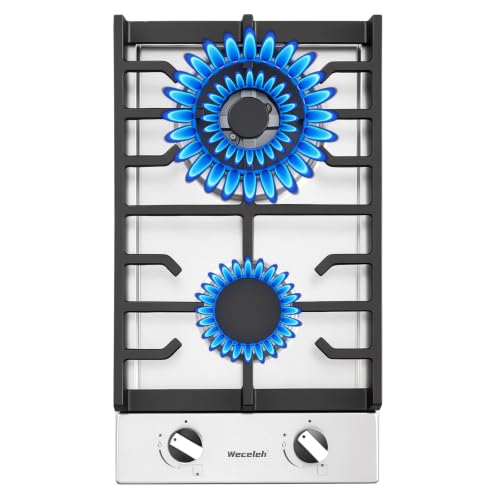
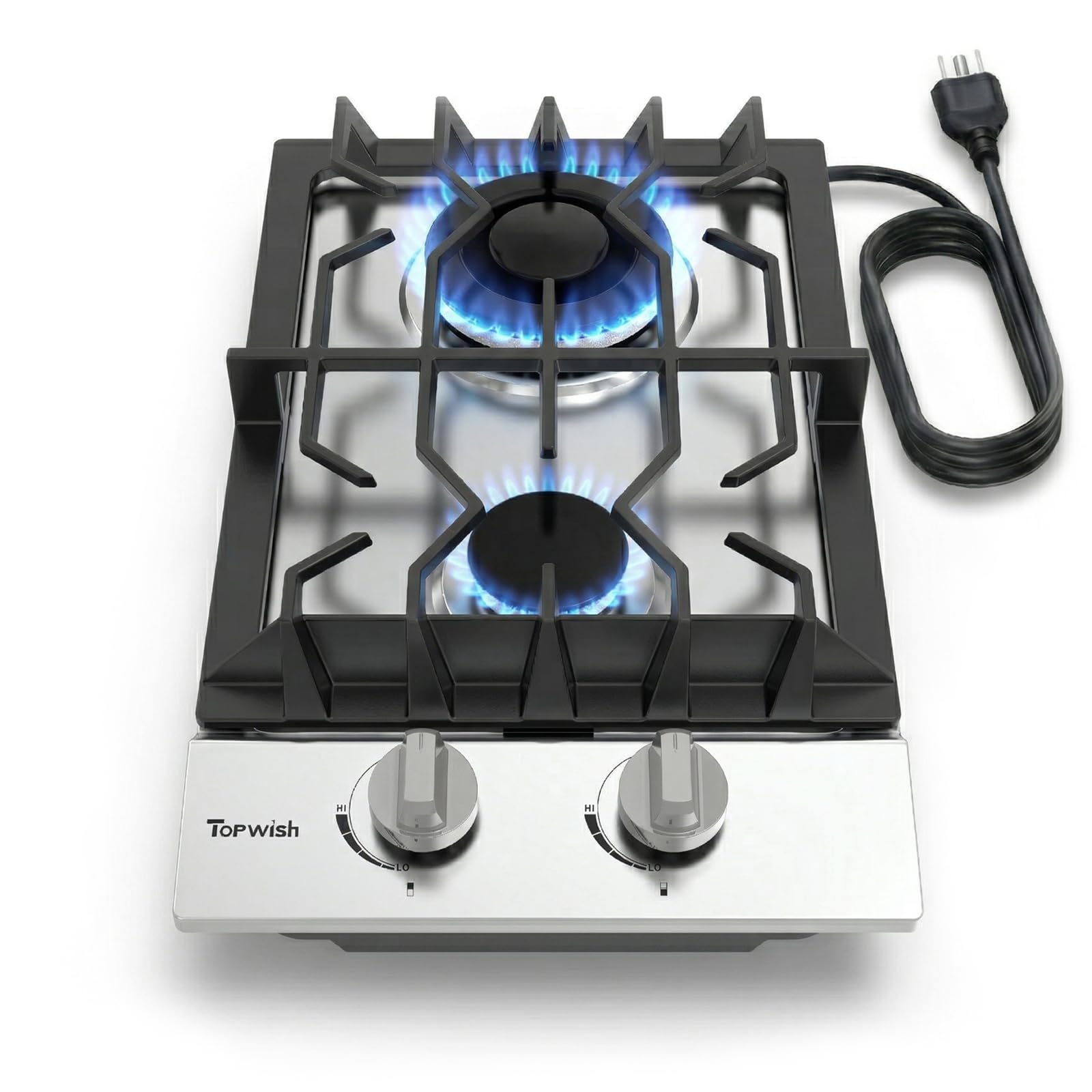


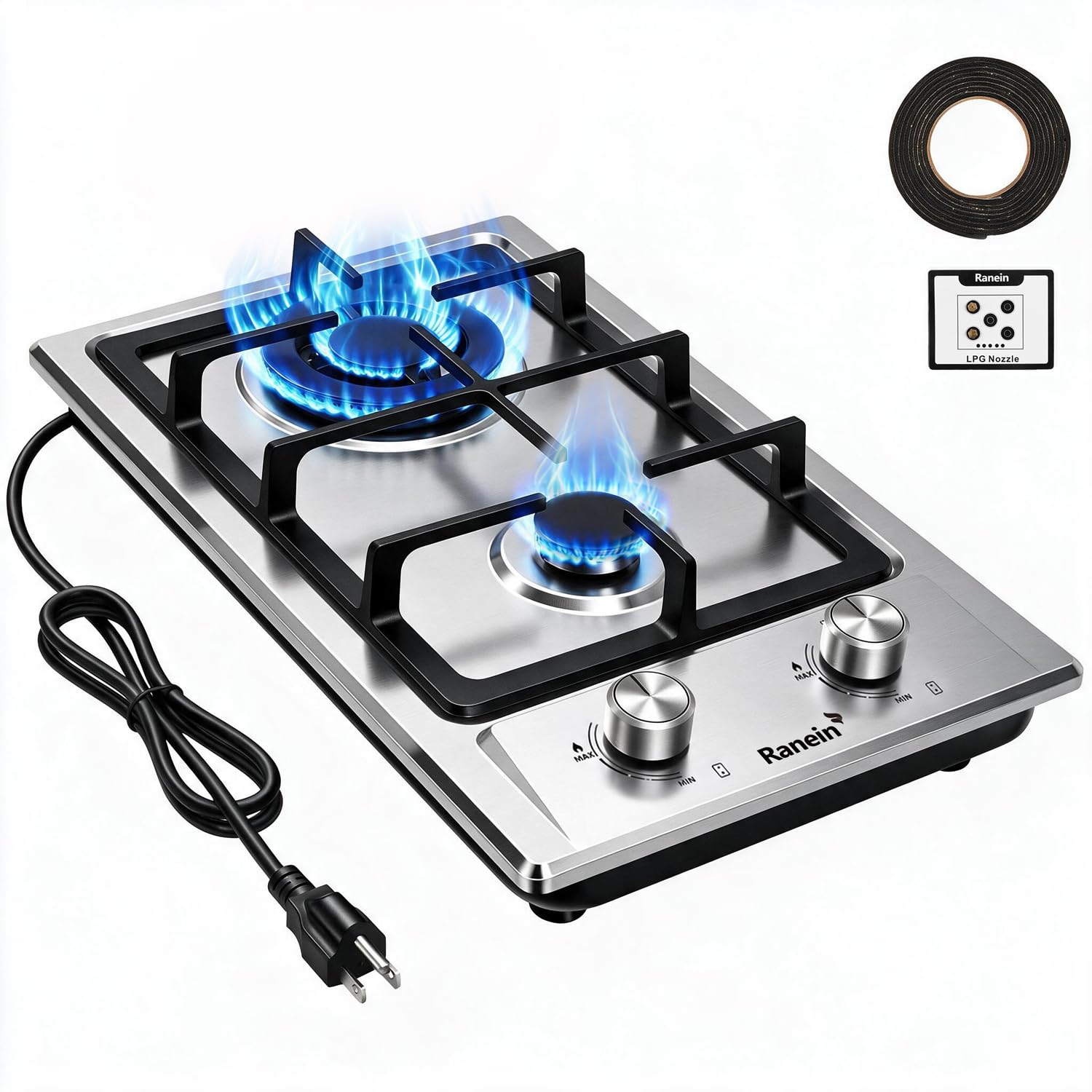
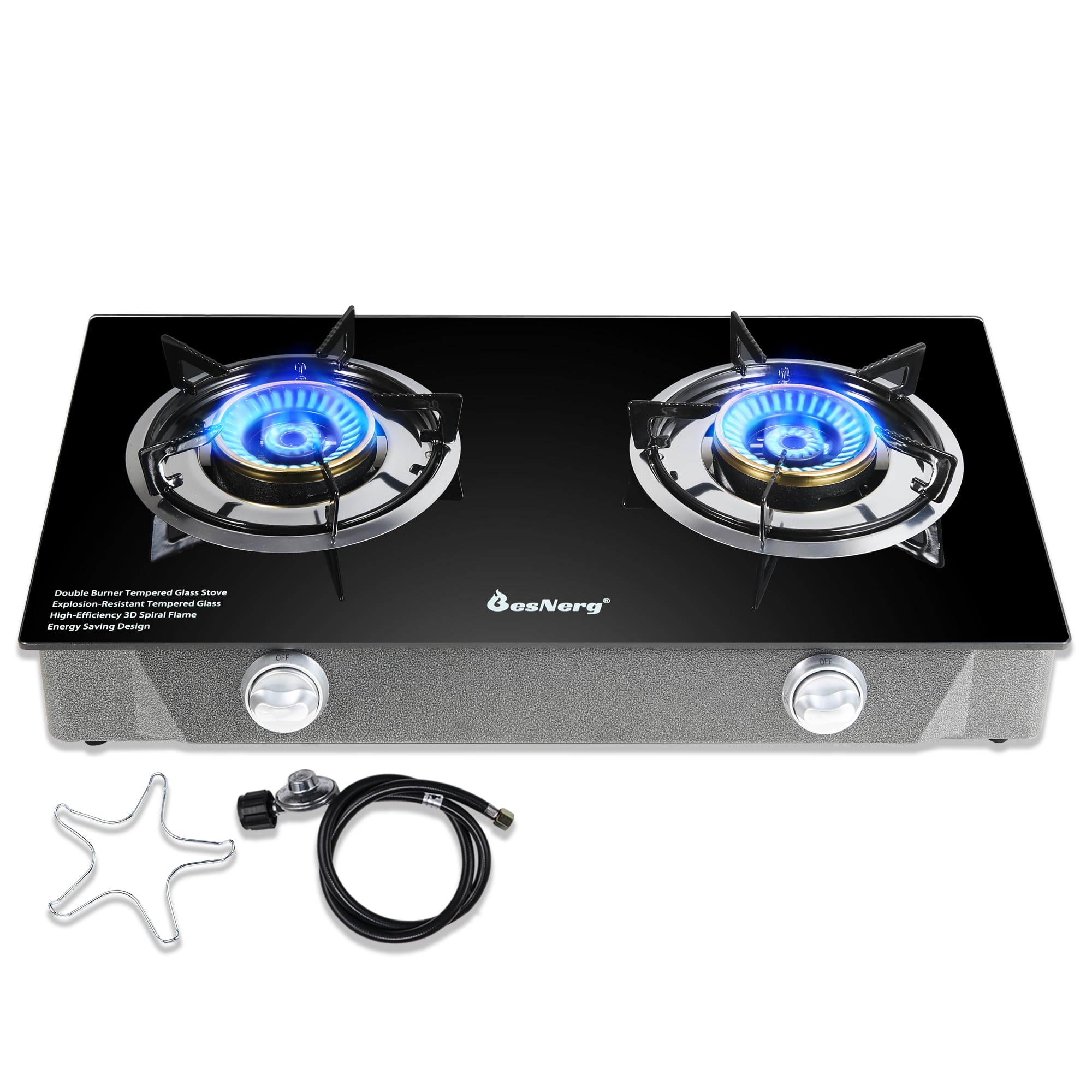

Quick Answer: Three Types in 30 Seconds
Most shoppers end up with one of three types. Match your home to the type first, and the rest of the choice gets much easier.
- Built in models: a fixed unit set into the counter, best for a permanent small kitchen.
- Portable models: a countertop unit you can move or store, best for renters and cabins.
- Convertible models: a unit that can run on natural gas or propane with the right kit, best where fuel supply may change.
Before You Buy: A Quick Checklist for Choosing a Gas Cooktop
Work through these points in order. Fit and fuel come first, since no feature can fix a cooktop that does not suit your kitchen.
Size: Match It to Your Space
Most two burner units sit in the 12 inch width class, with a depth close to a standard counter, so they leave room for prep beside them. Check the space between the burners as well as the outer size, since two wide pans can crowd each other even when the unit fits the counter. If you often cook three pans at once, compare a best 30 inch gas cooktop instead, since that wider layout gives each pan its own burner.
Which Type Fits Your Routine
A built in unit suits a kitchen you plan to keep, while a portable unit suits short stays, rental homes, and cooking outdoors under shelter. Next, confirm your fuel: homes with a gas main use natural gas, while many cabins and portable setups use propane from a tank. Sealed burners are worth favoring for daily cooking, since spills stay on the surface instead of running down inside the unit, and that makes routine wiping far simpler.
Features Worth It (and Ones to Skip)
Pay for a gentle simmer burner, sturdy grates that keep pans steady, and clear control markings you can read at a glance. A wok ring is worth it only if you stir fry often in a round bottom wok, since it holds that shape steady over the flame. Skip a griddle add on for this size, since it would cover both burners and leave you no burner free. Downdraft venting is also rarely worth chasing here, since a simple hood or an open window handles most small kitchens.
Measurements and Compatibility With Your Setup
For a built in model, measure the cutout width and depth, not just the counter, and check that drawers or an oven below still open once the unit sits in place. Confirm the gas connection point, the shutoff valve position, and whether the ignition needs a power outlet nearby. Leave the maker stated clearance above and beside the burners, since cabinets and walls need safe distance from open flame. Portable models need a level, heat safe surface with space behind for the hose.
Certifications and Safety Checks
Look for a listing mark from a recognized testing body, such as CSA or ETL, showing the model meets North American safety standards for household gas cooking gear. Check that the listing matches the fuel you will use, since a mark for one fuel does not cover a swap to the other. A flame failure device, which cuts the gas if the flame goes out, is a strong plus. Keep the model and serial numbers handy so you can confirm the listing before you buy.
DIY vs Pro Installation Cost
Connecting a built in unit to a gas line is work for a licensed pro in most areas, and many towns also require a permit and a leak test. Our guide to gas cooktop installation cost breaks down what that visit usually covers. Budget about $150 to $500 for labor when the line and valve are already in place, and more if new line work is needed. Portable units avoid that cost, though the hose and regulator still need a careful check.
Realistic Budget Ranges
Basic portable units often cost under $200 and suit spare or travel cooking, with simple grates and basic ignition. Built in models at about $200 to $500 usually add sealed burners, sturdier grates, and a stainless steel surface that stands up to daily use. Spending about $500 to $1000 mainly buys heavier materials, stronger safety gear, and better fit and finish. Price alone does not change how many pans you can cook, so spend first on correct fit and fuel match.
Types Compared: What Different 2 Burner Designs Give You
With the checklist in mind, here is how the three main types differ in daily life.
Built In Models for a Permanent Small Kitchen
A built in model gives you a stable, always ready cooking spot that sits flush with the counter and wipes clean around the edges. It suits a small home or an island where a full width cooktop would crowd the room. You give up the freedom to move it, and you take on install cost, so choose this type when the layout is settled. In return, you get the tidiest look and no hose or tank on show.
Portable Models for Flexible Cooking
A portable model sits on the counter and can move to a cabin, a rental, or a garden kitchen when you need it. It also adds burners during a remodel or a big family meal. If that flexibility matters most, see our guide to the best portable gas cooktop for a fuller look at that format. The trade off is storage and setup each time, plus a less finished look.
Convertible Models for Propane Use
Some models ship ready for natural gas and include or offer a kit that changes the burner orifices for propane. This suits homes that may switch supply, or cabins that rely on a tank. The kit parts are small and fuel specific, so keep them in a labeled bag with the manual. Have a pro make the swap and test it, since the wrong orifice gives a weak or sooty flame.
Our Selection Process for the Best 2 Burner Gas Cooktops
We judge this category on five points: installation and compatibility, build quality and finish, useful features, safety certification, and warranty cover. We rely on maker specs and verified buyer feedback about fit, ignition, and cleaning.
Is a 2 Burner Gas Cooktop the Right Size for You?
For one or two people who cook a main dish and a side, two burners cover most weeknight meals without strain. You can boil pasta on one burner and simmer sauce on the other, then finish with little washing up. A household that cooks for four or more, or that hosts often, will feel the limit fast when a third pan has nowhere to go.
Think about your biggest cooking day, not your average one. If holiday meals matter to you, a two burner unit works best as a second cooking spot beside a larger range. Our gas cooktop vs rangetop comparison explains when a bigger setup makes sense instead. For daily cooking in a compact home, though, the smaller footprint wins back counter space you use every day.
Common Buying Mistakes to Avoid
- Measuring the counter but not the cutout: a built in unit that misses the cutout size will not sit flat or seal well.
- Ignoring your fuel type: a natural gas model run on propane without the right kit burns poorly and can coat pans with soot.
- Forgetting pan size: two oversize pans on close burners crowd each other and cook unevenly.
- Skipping ventilation: gas burners add heat and moisture to the room, so a small kitchen still needs a way to clear the air.
- Chasing extra features over safety gear: skipping a flame failure device to save money leaves gas flowing if the flame blows out.
Cost of Ownership and Care
Running costs stay low for most homes, since two burners use modest gas and the main bills come from install and upkeep rather than fuel. Expect to replace small parts over time, such as knobs, igniters, and rubber feet on portable models. Our guide on how to clean a gas cooktop covers the routine surface and grate care that keeps the finish looking good.
Gas safety deserves a clear note. If you smell gas, do not light a burner or use a switch, leave the home, and call your gas utility or emergency line from outside. A flame that lifts, roars, or burns mostly yellow needs a service visit rather than more cooking. Have a pro check the connection after any move or fuel swap.
Your Questions, Answered
What is the most reliable gas cooktop brand?
No single brand wins for every home, and reliability depends more on simple design and local service than on a badge. Look for a maker that sells spare igniters, knobs, and grates for your model by part number. A service firm near you that knows the brand is also a real plus. Plain controls with fewer electronic extras tend to give fewer faults over the years.
How do you clean a gas cooktop?
Wait until the grates and burner caps are fully cool, then lift them off and wash them in warm soapy water. Wipe the surface with a soft cloth, and keep the igniter tip dry, since a damp igniter often clicks without lighting. Use a soft brush around the burner ports rather than a pin, which can widen the holes. Dry every part well before you refit it, so the flame spreads evenly at the next use.
Is a gas cooktop worth it?
It is worth it if you value instant heat changes and already have a gas supply in place. Cooks who simmer sauces or use a wok tend to notice the quick response most. If your home has no gas line, the cost of adding one can outweigh the gain, and an electric unit may suit you better. Ventilation is part of the deal too, so count the cost of clearing cooking fumes before you decide.
How long does a gas cooktop last?
A well kept unit often lasts about 10 to 15 years in home use, since the burners and valves are simple and sturdy. Portable models used outdoors may wear faster, as weather and travel knock the grates and hose. Igniters are the part most likely to need swapping along the way. When burner bodies corrode or parts go out of production for your model, replacement usually makes more sense than another repair.
What size gas cooktop do I need?
Start with the diameter of the two pans you use together most often, and check that both sit flat without hanging far over the edge. A stockpot wider than the burner wastes heat up its sides and heats the room instead of the food. Singles and couples who rely on one large skillet usually find two burners plenty. If you regularly use a griddle pan across both burners, measure its base against the grate span first.
What is the best 2 burner gas cooktop?
The right answer is the model that fits your cutout or counter, matches your fuel, and carries the safety listing for your area. Before you order, set your two largest pans side by side on a table and compare that footprint with the burner spacing in the specs. That quick layout test settles most doubts. A unit that passes it, with sealed burners and a flame failure device, will serve a small household well.
Final Thoughts
Choosing the best 2 burner gas cooktop comes down to fit, fuel, and the way your household cooks, not to a long feature list. Use the product table above to compare the three types, then check your measurements once more before you order. For a wider view of full size options, our guide to the best gas cooktop is a good next read.