Best 1gb Graphics Cards in 2026: Which One Fits the Way You Use It?
Disclosure: We may earn a commission when you buy through links on this page, at no extra cost to you. As an Amazon Associate I earn from qualifying purchases. Learn more

Reviving an older PC? Pick the best 1gb graphics cards by memory type, outputs and power draw so the card fits your real use.
No single card suits every older desktop, because the job you give it changes what matters most. The best 1gb graphics cards for a quiet office PC are rarely the right pick for old games or for a second monitor. Use the product table to match memory type, outputs and power draw to your actual task first.
Start by naming the screen work you do each day. A card that only drives a desktop and plays video needs very little core speed, while an older game needs faster memory and a stronger core. Your case size, power supply and operating system narrow the list further.



Who Should Buy Which 1gb Graphics Cards?
Pick by the oldest and most demanding job your PC still has to do. That job sets the memory speed, outputs and cooling you should pay for.
Owners Reviving an Older Desktop for Daily Tasks
You want a machine that boots, browses and handles documents without stutter on a basic display. Prioritize stable drivers, low power draw and a fan that stays quiet at idle. A modest core is enough for this work, so spend on reliability and the right output for your monitor instead of on clock speed you will never use.
Home Office Users Who Need a Second or Third Display
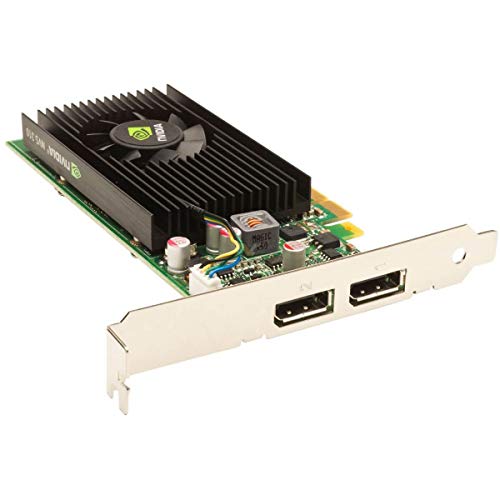
You need more screen space for mail, spreadsheets and calls, not raw game performance. Count the outputs on the card and match each one to a port on your monitors before you buy. Look for cards that can run two displays at once at full desktop resolution. A card powered only by the slot keeps the install simple. For broader desktop options, see our guide to the best computer graphics cards.
Retro and Light Game Players With Modest Expectations
You play older titles, simple indie games or classic strategy games at modest settings. Prioritize faster memory, a wider memory bus and the strongest core in this class, because those traits lift frame rate far more than the 1GB label alone. Expect low settings at 1080p and smoother play at 720p. If your taste moves toward current titles, see our guide to the best graphics cards for gaming before you settle for this class.
Choosing a 1gb Graphics Card for a Specific Need
Some buyers in this class have one fixed requirement that rules out most cards at once. An aging operating system is the clearest example, because driver support ends long before the hardware itself wears out.
Best 1gb graphics cards for vista
Vista support is the deciding factor here, and it must be confirmed before anything else. Choose a card whose maker still offers a Vista driver with WDDM support, so the Aero desktop and normal display settings work as intended. Prefer a card from the DirectX 10 era, since its driver was written for Vista rather than adapted later. Save that driver before you remove your old card.
Vista machines also tend to have small power supplies and narrow cases, so a short, slot powered card avoids both limits at once. Check that the card uses a PCIe slot your board has, and keep the driver on a USB drive for any reinstall.
Key Features to Compare
Compare these factors in order, because the first two set your performance ceiling and the rest decide whether the card fits and stays usable.
Memory Type and Bus Width Matter More Than the 1GB Label
Two cards can both hold 1GB and still perform very differently. GDDR5 memory moves data far faster than DDR3 memory, so textures reach the core with less waiting. Bus width matters beside it, since a 128 bit bus carries twice the data per cycle of a 64 bit bus. For office work and video, either type is fine. For older games, choose GDDR5 on the wider bus.
GPU Core Speed and Shader Count for Light Workloads
The core does the drawing, while memory only feeds it. A higher clock speed and a larger shader count mean the card can shade more pixels each second, which is what raises frame rate in older games and smooths window movement on the desktop. Architecture age matters too, because a newer core often does more work per clock. Compare cards within the same era first, then use clock and shader numbers to break a tie.
Display Outputs and Maximum Resolution for Your Monitors
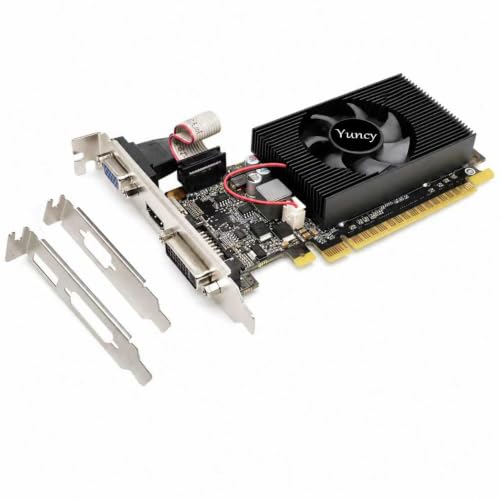
List the ports on your monitors, then match them to the card without relying on adapters you do not own. HDMI suits most modern displays and carries sound, DVI fits many older office monitors, and VGA serves the oldest screens. Check the maximum resolution for each output, because a card may drive one screen at a higher setting than two. Confirm multi monitor support if you plan to use two screens.
Card Size, Slot Fit and Power Draw in an Older Case
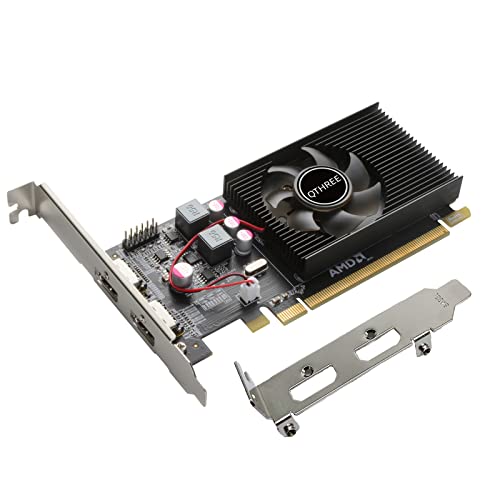
Measure from the slot bracket to the first drive cage or cable in its path, then compare that length with the card. Note whether the card needs one slot or two, and whether a low profile bracket is included for a slim case. Most cards here draw power from the PCIe slot alone, but a few stronger ones need a 6 pin cable. Check your supply wattage and spare cables first. Shoppers watching cost can also see our guide to the best affordable graphics cards.
Cooling Design, Noise and Video Playback Support
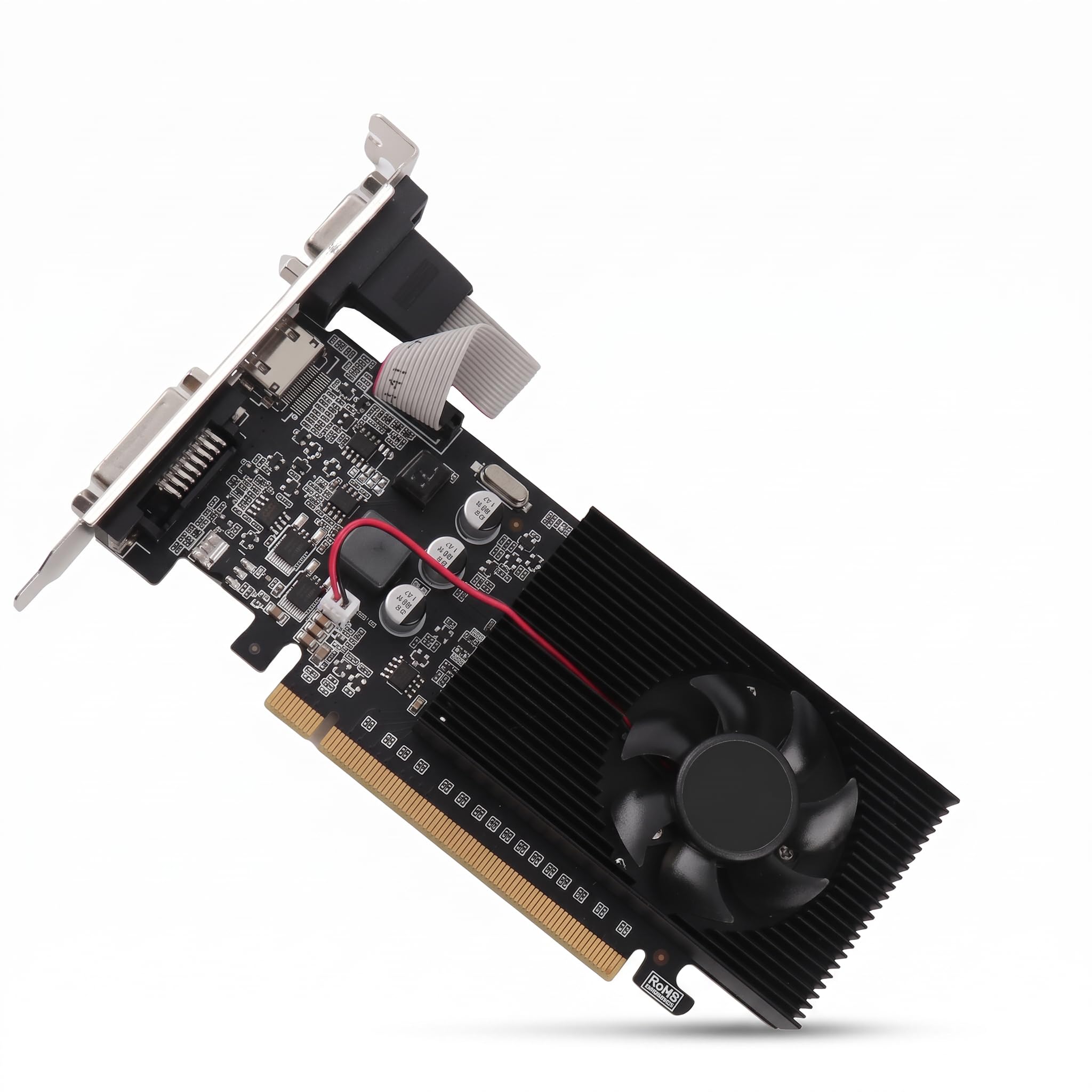
A passive heatsink makes no noise and has no fan to fail, but it needs decent case airflow and suits only light work. A single small fan cools better under game loads, though it can whine at full speed. Also check video decode support for common formats, because hardware decode keeps playback smooth while leaving your CPU free. If you prefer the other major chip family, see our guide to the best radeon graphics cards.
Common Mistakes to Avoid
- Buying on the 1GB label alone leaves you with slow DDR3 memory on a narrow bus that holds back even old games.
- Ignoring driver support for your operating system leaves you stuck at low resolution with no way to adjust display settings.
- Skipping the length and slot check leaves you with a card that cannot fit beside your drive cage or cables.
- Forgetting the power cable check leaves a stronger card unusable until you replace or adapt your power supply.
- Expecting current games at high settings leads to low frame rates, because 1GB of memory fills quickly in modern titles.
- Matching ports by name only, without checking adapters, leaves a second monitor dark after an otherwise correct install.
Care and Maintenance Tips for a 1gb Graphics Card
Dust is the main enemy of a small card in an old case. Every three to four months, power down, unplug the PC, and blow dust from the fan and heatsink fins with canned air while holding the fan still. Wipe case intake filters too, because a clogged filter starves the card of cool air.
Watch temperatures with a free monitoring tool during your heaviest normal task. A card that grows hotter month by month usually needs cleaning or better case airflow, not replacement. Update drivers only when you need a fix, and keep the previous driver file so you can roll back after flicker or crashes. Reseat the card gently if display dropouts begin after the case is moved.
Frequently Asked Questions
Can a 1gb graphics card run games at 1080p?
Yes, a 1gb graphics card can run older and lighter games at 1080p, usually at low settings. The limiting factor is texture memory, so turning textures down often helps more than lowering resolution alone. Many older games show estimated memory use in their settings, and staying under that limit keeps most titles smooth.
Can a 1gb graphics card support two monitors at once?
Yes, most 1gb graphics cards can support two monitors at once for desktop work. Use one native cable per screen where you can, because cheap adapters are a common cause of a blank second display. After connecting both, set each screen to its own native resolution rather than a shared scaled setting.
Does a 1gb graphics card need a separate power cable?
Most 1gb graphics cards do not need a separate power cable and draw what they need from the PCIe slot. The exception is a small group of faster models that add a 6 pin connector for extra headroom. Listing photos usually show the top edge clearly, so zoom in before ordering. If your supply lacks that cable, choose a slot powered model instead.
Is GDDR5 memory worth choosing over DDR3 in a 1gb graphics card?
Yes, GDDR5 memory is worth choosing over DDR3 if you play any games on the card. GDDR5 models often pair with wider buses and stronger cores too, so the whole card tends to be better balanced. For a pure office PC the DDR3 saving is sensible, and the difference is better spent on a solid state drive.
How long can a 1gb graphics card stay useful for office and video tasks?
A 1gb graphics card can stay useful for office and video tasks for many years, because desktop and playback demands grow slowly. The usual end comes from driver support or a failed fan, not from the memory size itself. When browsers drop support for your operating system, that is the practical signal to plan a wider upgrade.
Final Thoughts
Let your task lead the choice. Office users should value outputs, quiet cooling and simple slot power. Retro players should value GDDR5 memory, a wider bus and the strongest core in the class. Vista owners should confirm the driver first, and every buyer should measure the case and check the power supply.
When you compare the best 1gb graphics cards on those points, the right card is the one that fits your PC, your screens and your system without forcing other upgrades. Use the product table to confirm the final details before you order.