Best 18kw Tankless Water Heaters (2026): Buying Guide
Disclosure: We may earn a commission when you buy through links on this page, at no extra cost to you. As an Amazon Associate I earn from qualifying purchases. Learn more

What to check before you buy the best 18kw tankless water heater: flow rate, panel load and installation, and which type fits your home.
An 18kw unit sounds powerful on paper, yet it can feel weak in a cold climate or generous in a warm one, because output depends on how far the water must be heated. Choosing well means matching flow, inlet temperature, and your electrical panel before you look at styling or controls. The best 18kw tankless water heater for your home is the one that covers your busiest hour without forcing a costly panel upgrade. Use the comparison table below to compare the main setups side by side.
This guide covers the 18kw class only: which homes it truly serves, what the wiring demands, and which features matter. If you are still weighing the wider category, our guide to the best tankless water heater sizes and fuel types is a useful starting point.
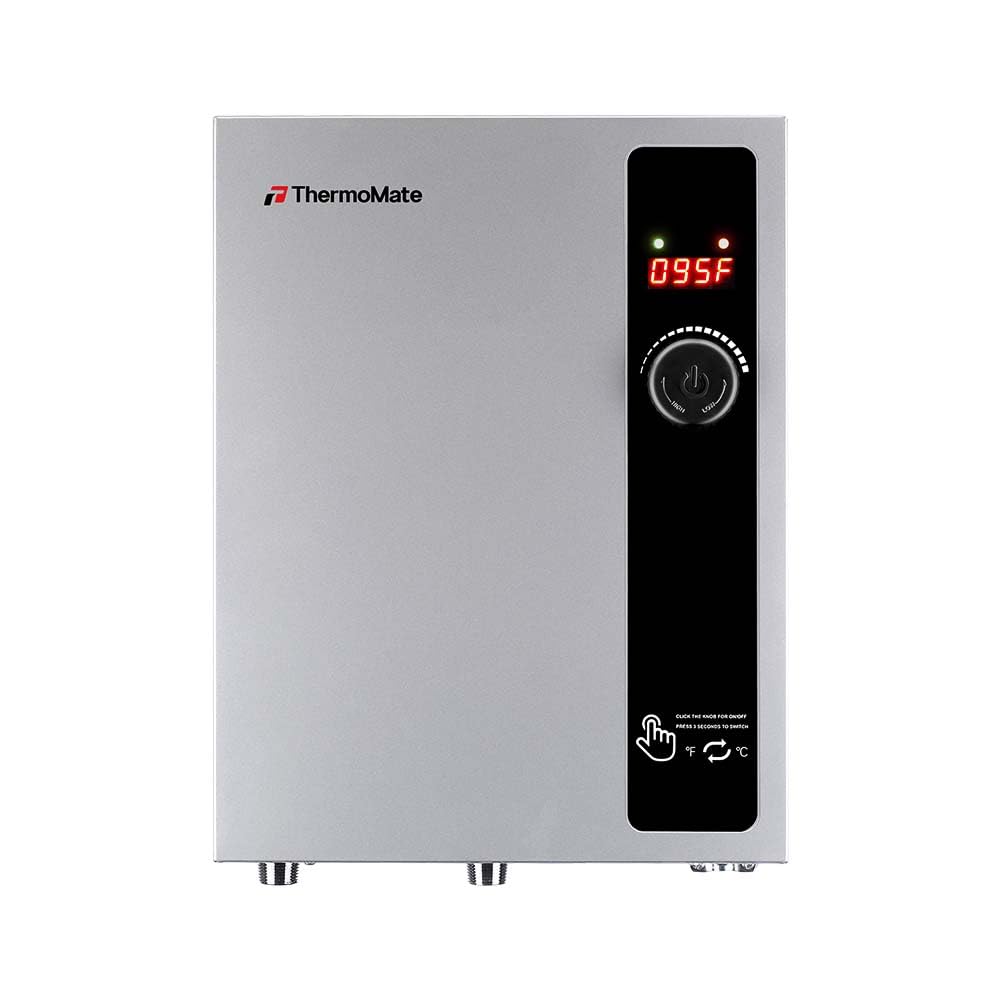
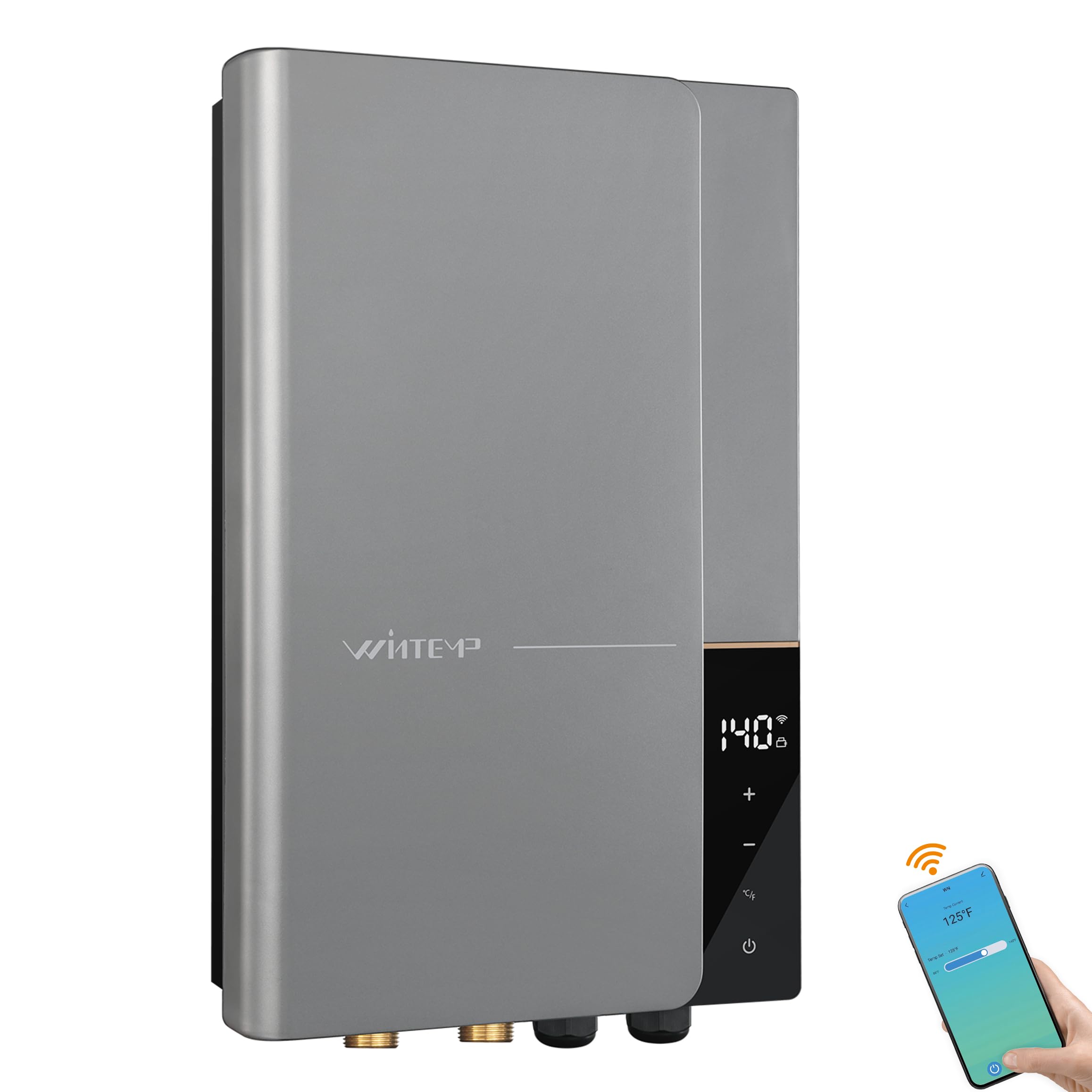
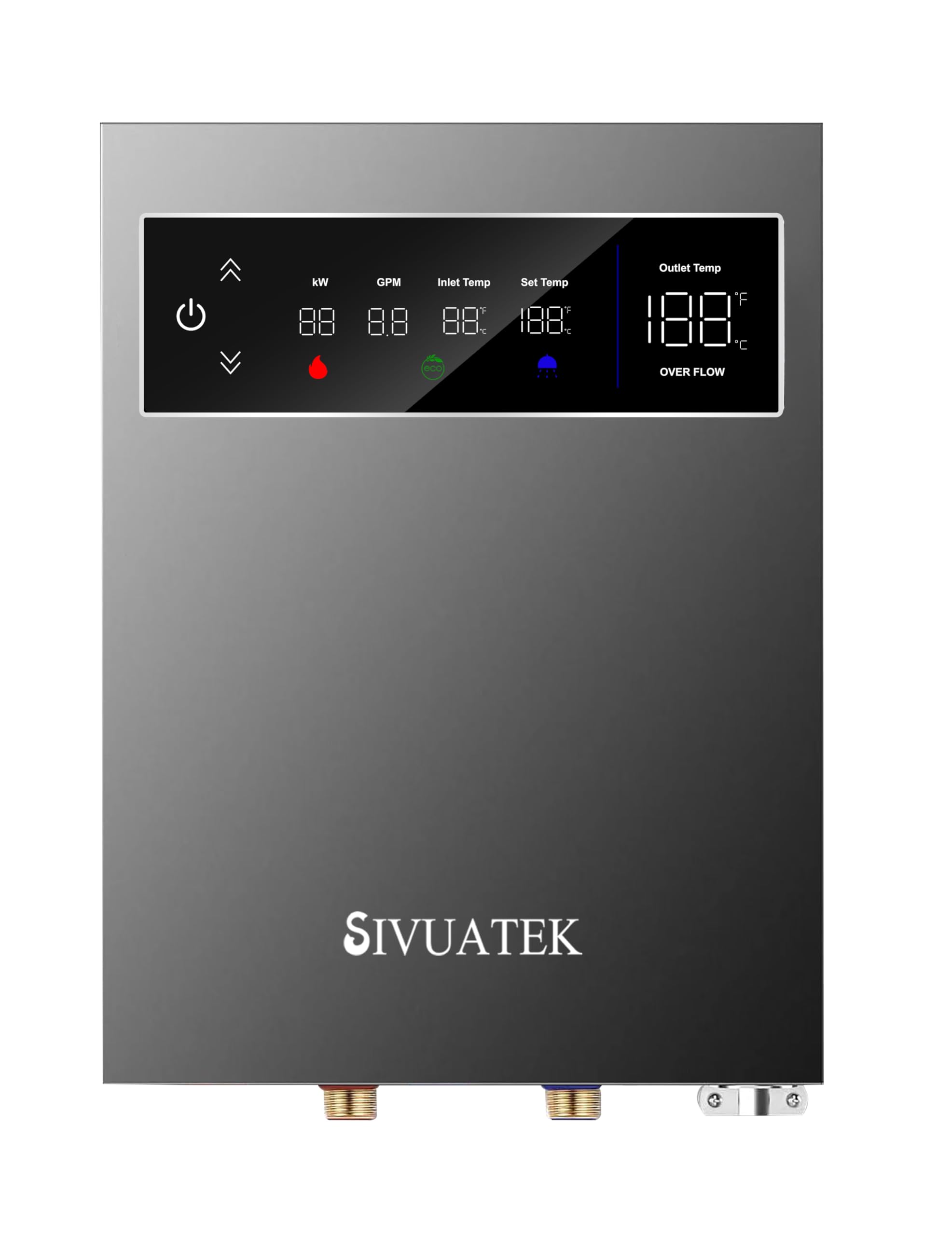
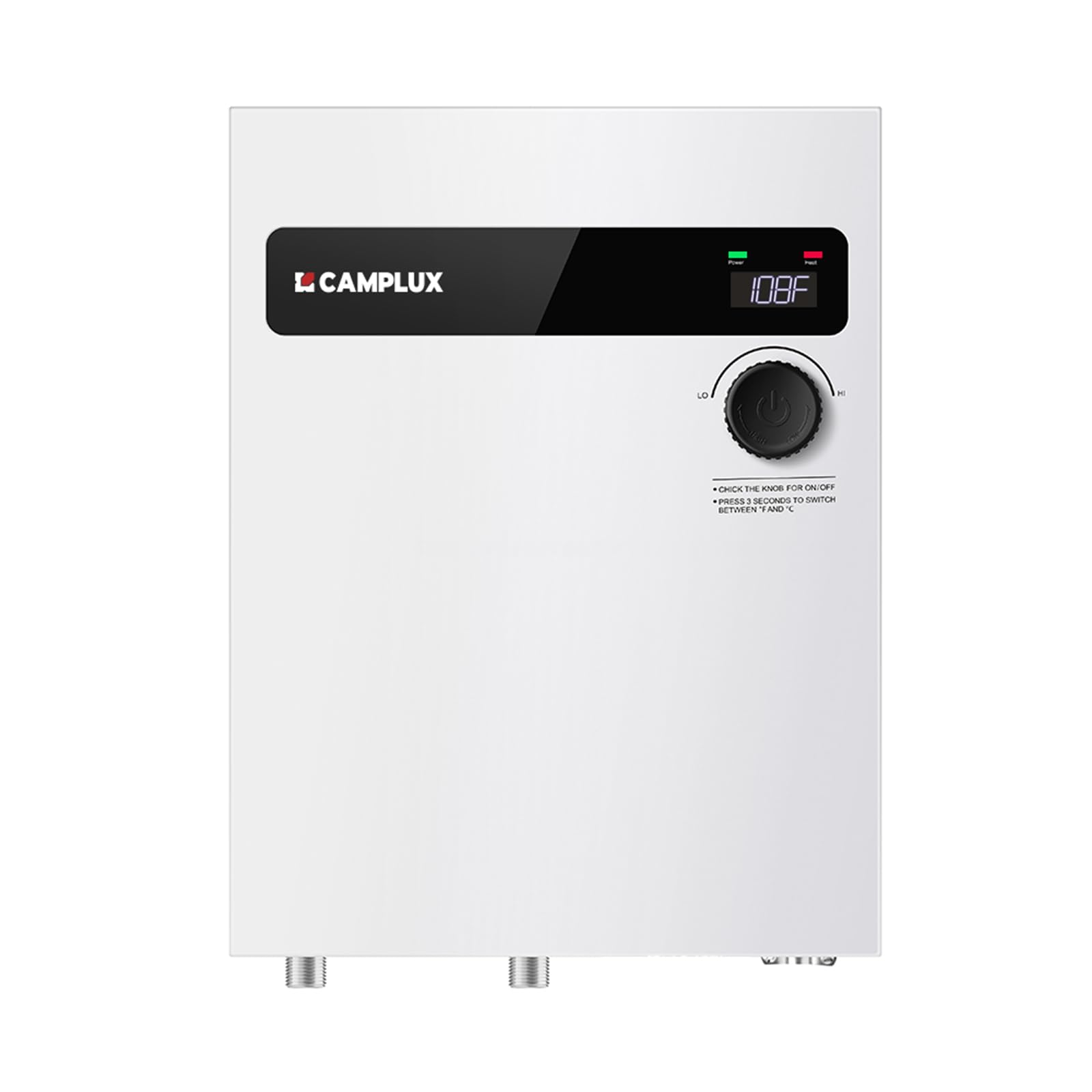
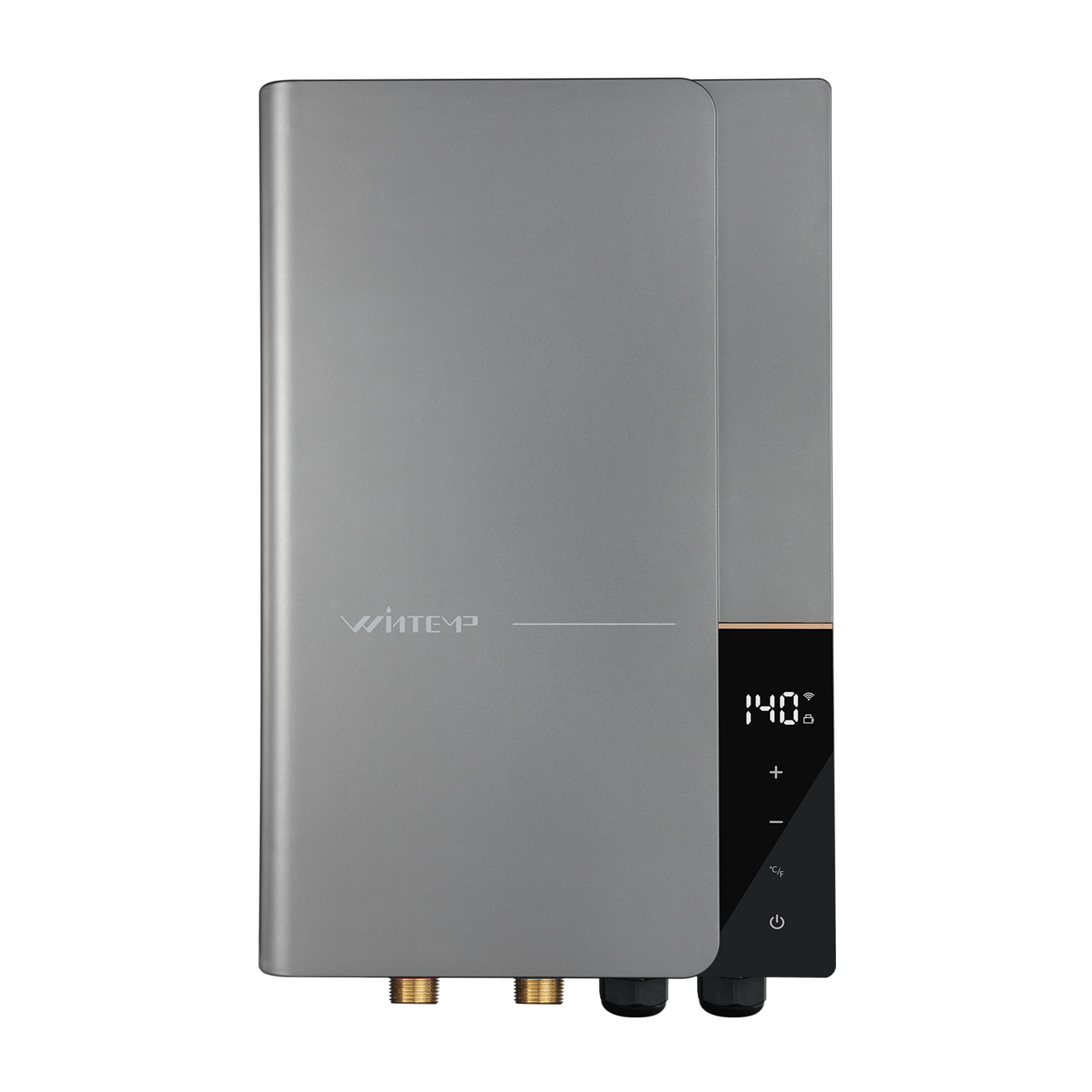
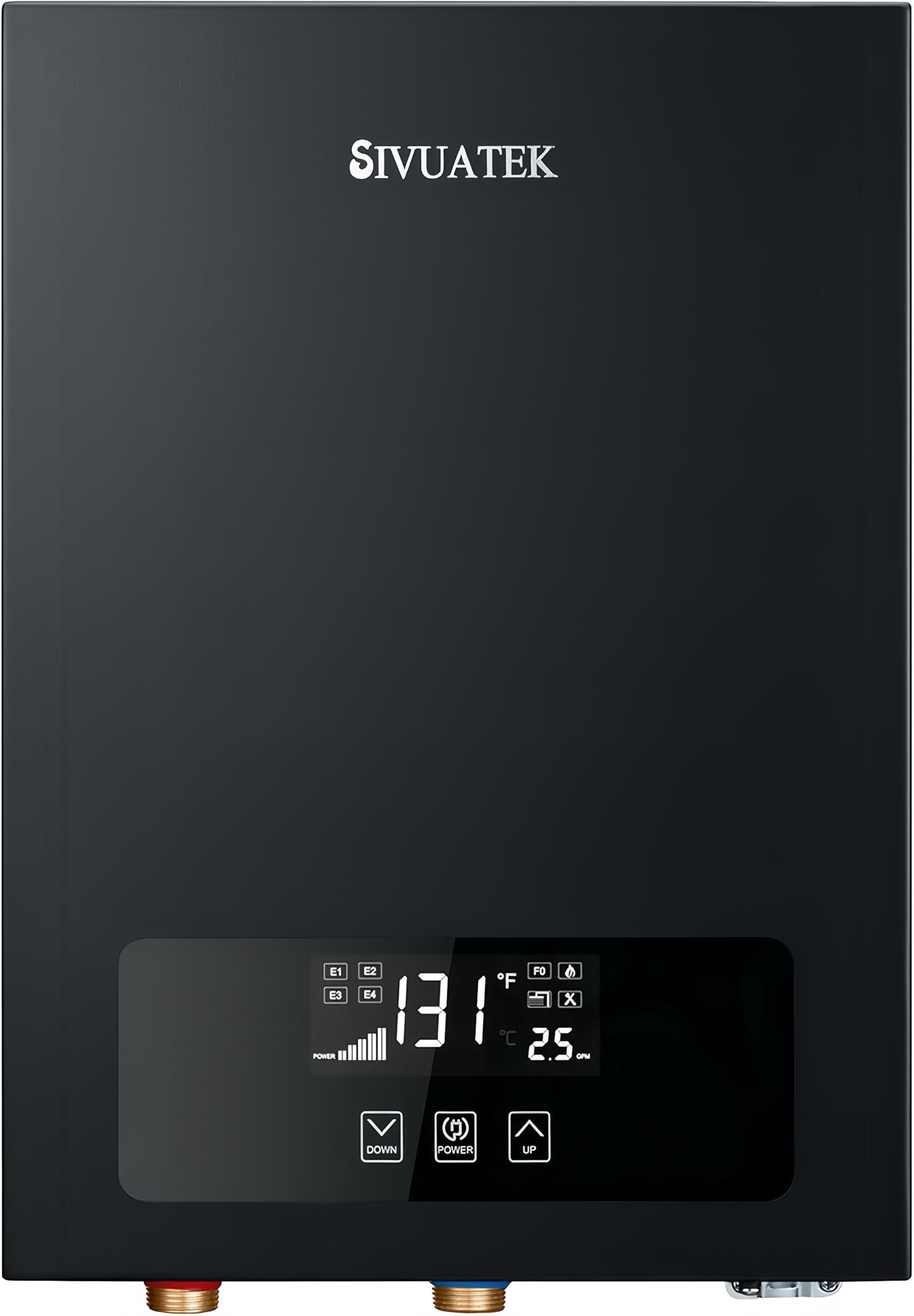
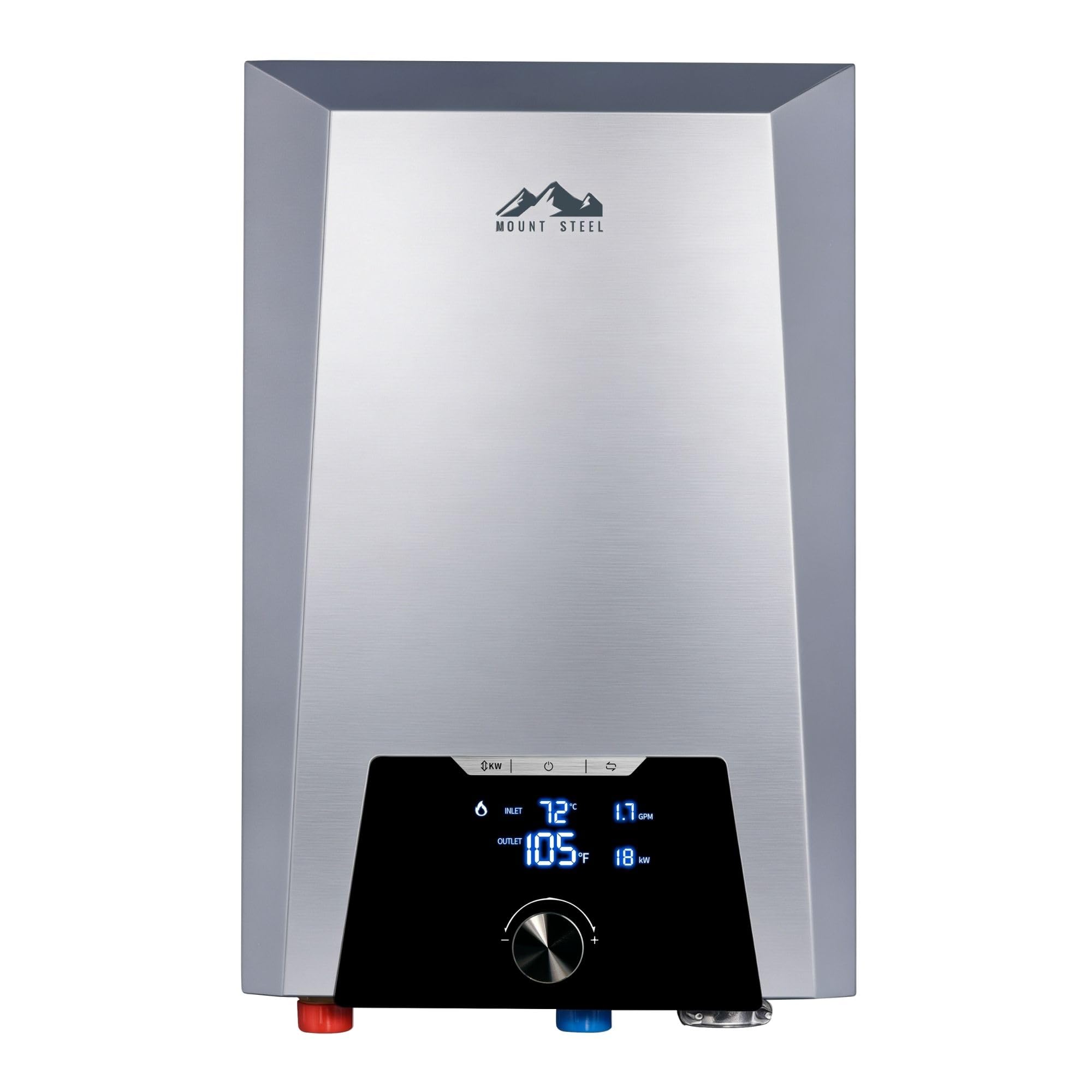
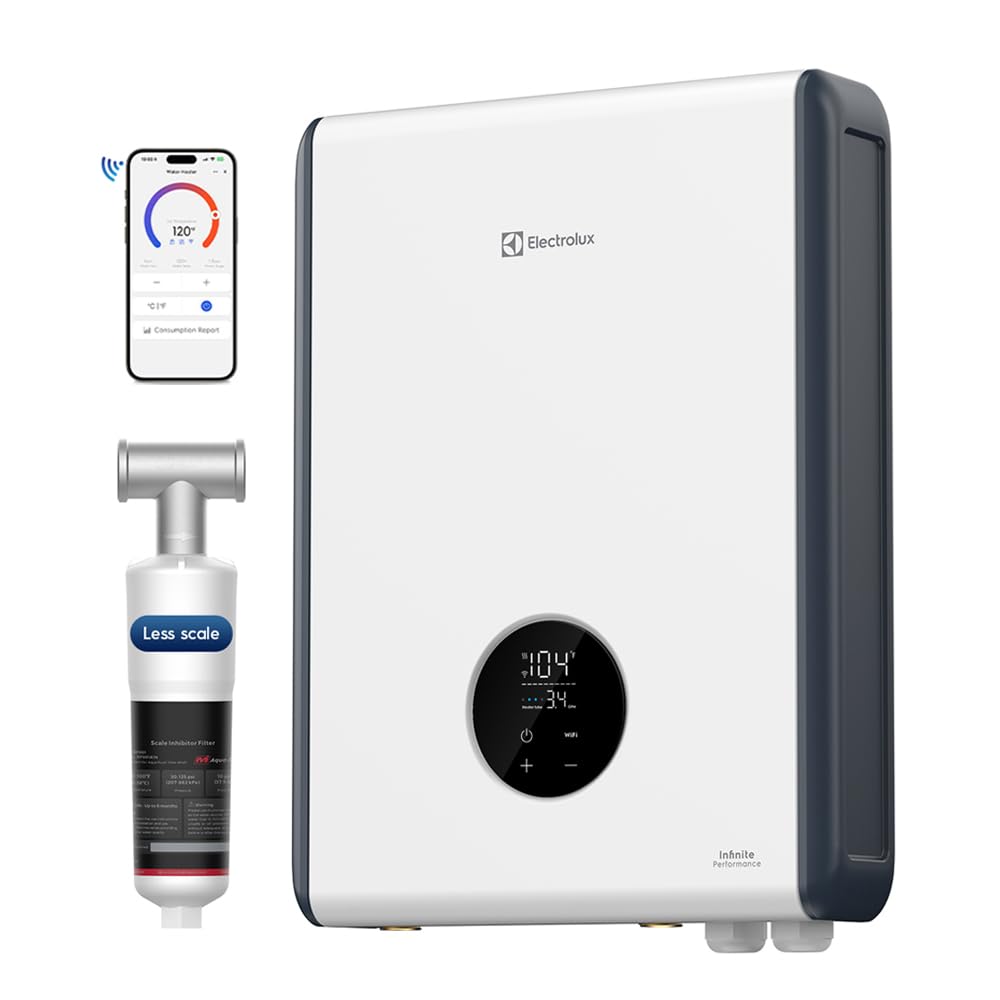
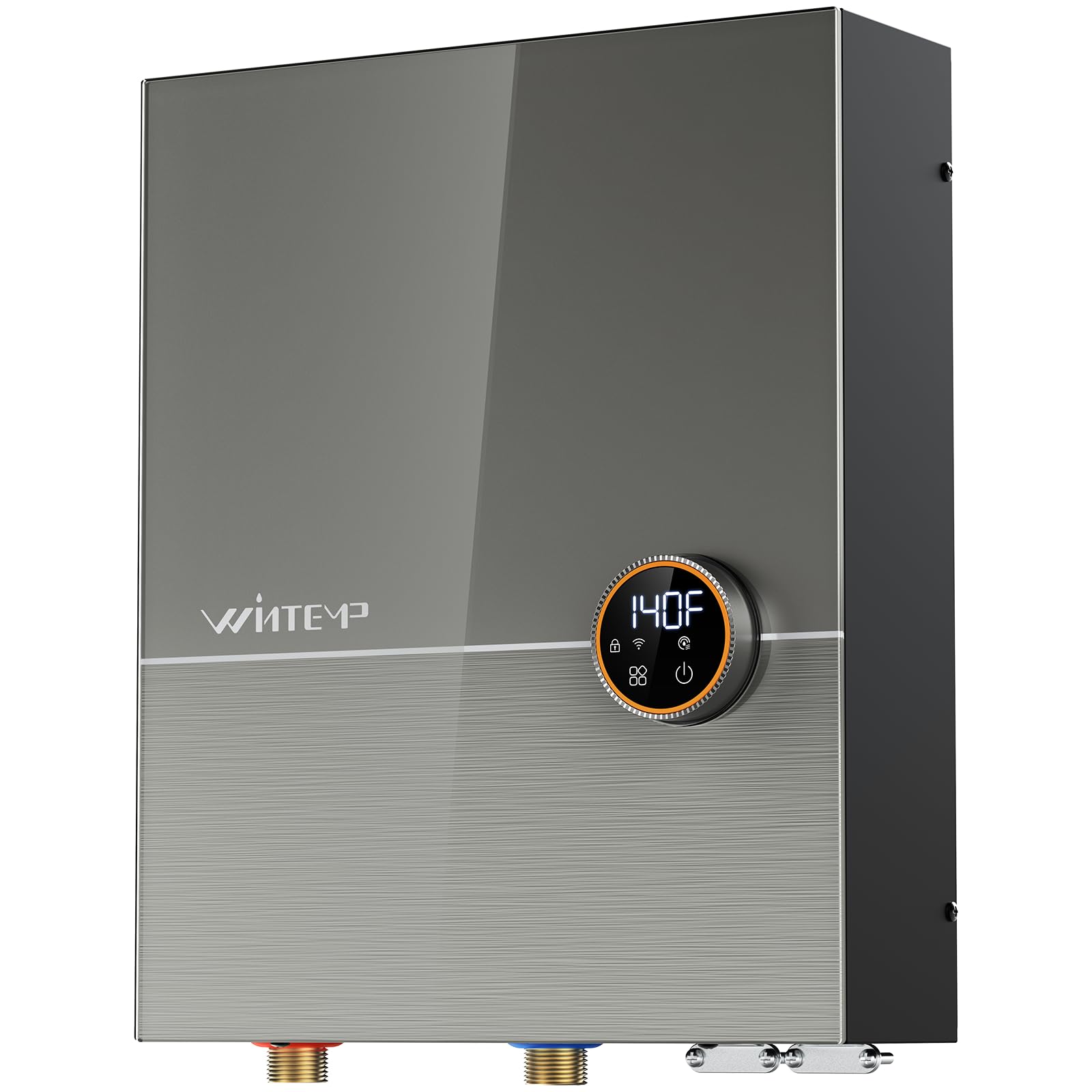
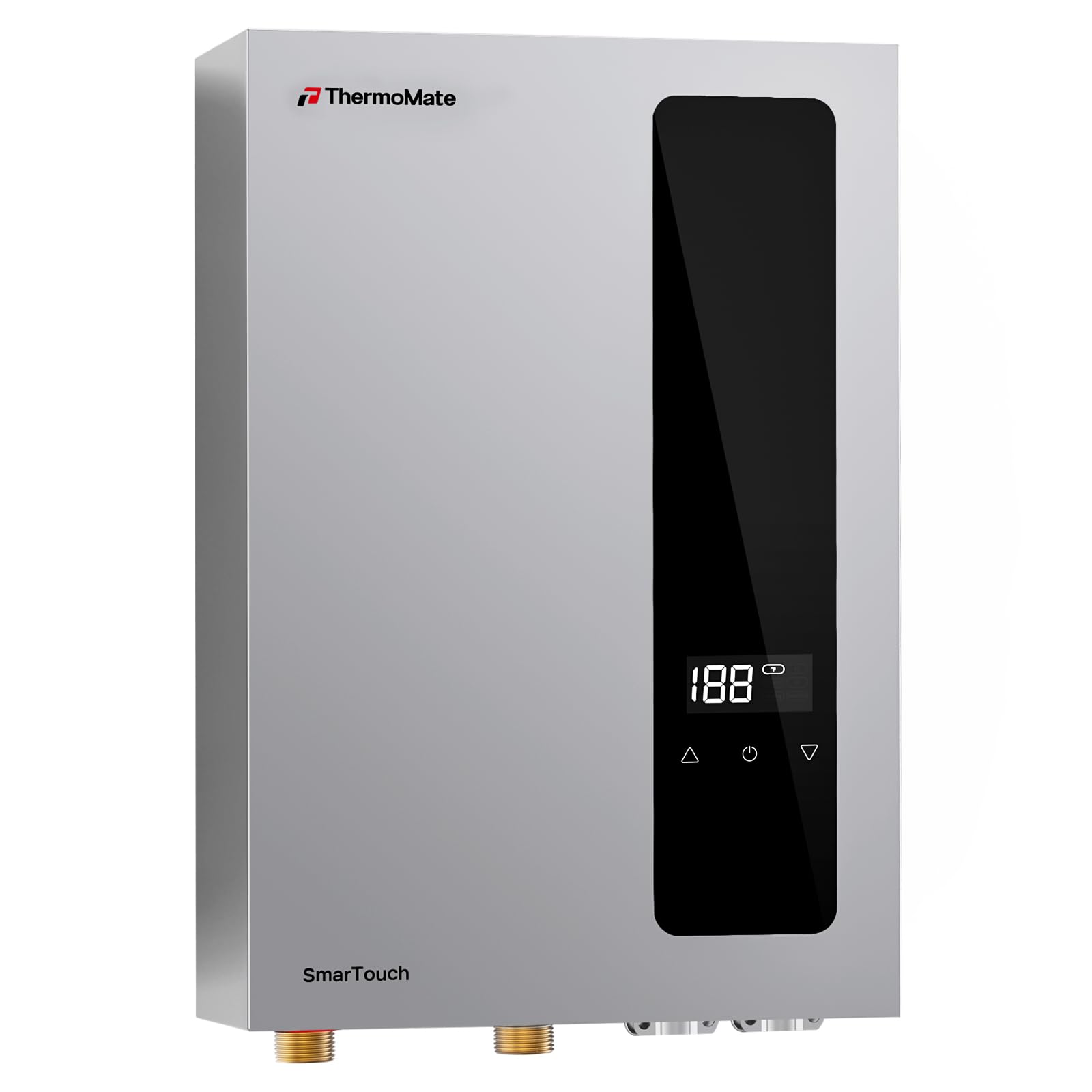
The Main 18kw Setups at a Glance
Rather than ranking named models, it helps to picture the three jobs an 18kw unit is actually bought for. The same heater can excel in one role and disappoint in another, so start with the job, then check the specs that support it.
A Single Busy Bathroom or Large Point of Use Load
This is the most forgiving role. One shower, or a shower plus a nearby sink, sits comfortably inside what 18kw can deliver in most regions. Short pipe runs also mean hot water arrives fast, with little water wasted while you wait.
A Small Home in a Warm Climate
Where inlet water arrives mild for most of the year, an 18kw unit can serve a small apartment, condo, or one bathroom house on its own. Two draws at once are realistic when both are modest, such as a shower and a kitchen sink. The margin shrinks in winter, so judge this role by your coldest month, not by a pleasant average.
A Boost for One Zone of a Larger Home
In a bigger house, 18kw works best as a zone solution. It can feed a guest suite, an added bathroom, or a distant wing that the main heater reaches slowly. Splitting the load this way avoids oversizing one central unit and shortens waits in the rooms farthest from it.
How to Judge an 18kw Unit
Judge every candidate on the same five points. First, output at a stated temperature rise, not a headline flow number alone. Second, electrical demand, including breaker count, wire size, and total amps. Third, build quality, meaning a solid heat exchanger, sealed connections, and controls that hold a steady temperature. Fourth, certifications and warranty terms you can verify on the maker listing, plus parts you can actually order later.
How to Choose the Right Tankless Water Heater
Size and Form Factor
Size here means heating capacity, and 18kw sits in the middle of the electric range. Smaller units serve a single sink or shower, while larger 27kw and 36kw units aim at bigger homes with higher flow needs. An 18kw heater is compact and mounts on a wall, usually indoors near a bathroom or utility space. That small footprint suits apartments and tight closets, but allow clear access around it for service, valve work, and future removal.
Type
An 18kw rating tells you this is an electric unit, since gas and propane models are rated in BTU instead. Electric heaters need no venting and no combustion air, which widens where they can be installed. The trade off is heavy demand on your panel. If your home cannot supply that load, the best electric tankless water heater in a smaller size, or a gas model where a gas line already exists, may fit your house better than forcing this size in.
Features Worth Paying For
Self modulating power is the feature that matters most, because the heater draws only the energy needed for the current flow and temperature gap, which keeps outlet temperature steadier. A clear digital display with simple temperature adjustment earns its keep daily. Freeze protection suits units in garages or cabins in mild cold. WiFi control and a recirculation pump are harder to justify at this size, and a pump setup can add plumbing cost that dwarfs the heater itself, so skip both unless you have a specific reason.
Measurements and Compatibility With Your Setup
Start with arithmetic. An 18kw heater on a 240 volt supply draws about 75 amps, and many models split that load across two double pole breakers of about 40 amps each, with matching heavy gauge copper wire for each run. Your panel must carry that load on top of everything else the home uses, and many electricians will want a 200 amp service before approving it. Also confirm water connections, usually three quarter inch, plus space for isolation valves and a drain for service.
Certifications
Look for a listing from a recognized testing body such as UL or ETL, which shows the unit was evaluated for electrical and fire safety. Plumbing fittings on the water path should be lead free, and some models carry NSF or ANSI certification for drinking water contact. These marks are not decoration, since an unlisted import can fail inspection even if it heats water well on day one.
DIY vs Pro Installation Cost
Swapping a similar unit you already have wired for can be modest work for a skilled homeowner where codes allow it. A first time install is different, because new breaker space, long wire runs, and possible panel work dominate the bill. Installed totals commonly land at about $800 to $2500 depending on that electrical work, and our breakdown of tankless water heater installation cost explains what drives the range. Treat any quote that skips a load calculation with suspicion.
How Much Should You Spend?
The heater itself often sells for about $300 to $600, with the balance of your budget going to installation and parts. Spending toward the top of that range should buy a longer warranty, better temperature control, and readier parts support, not flashy extras. Units priced far under $200 in this power class deserve extra scrutiny of their listings and certifications. Put money first toward correct wiring and valves, since a modest unit installed correctly outperforms a premium unit starved by a weak supply.
Is an 18kw Tankless Water Heater the Right Size for You?
Work from flow and temperature together. Heating water takes about 3.5 gallons per minute when the needed rise is modest, near 35 degrees, but only about 2 gallons per minute when the rise reaches 60 degrees in a cold northern winter. A standard shower uses about 1.5 to 2.5 gallons per minute, a bathroom sink about 0.5 to 1, and a kitchen sink about 1 to 1.5. So one shower plus a sink is a sound match almost anywhere, while two showers at once is a warm climate plan only.
Check your inlet temperature honestly. Southern homes may see inlet water near 70 degrees, while northern wells can deliver water near 40 degrees in winter, and that gap decides whether this size feels ample or thin. If your household runs a tub filler, a rain shower, and laundry in the same hour, step up a size or keep a tank for part of the load. Readers comparing formats will find tankless vs tank water heater helpful on standby loss and delivery limits.
Common Mistakes to Avoid
- Buying on the headline flow rate without checking the temperature rise behind it, then finding winter showers run lukewarm.
- Ordering the heater before a load calculation, then learning the panel needs an upgrade that costs more than the unit.
- Mounting the unit far from its main load, which wastes water and makes a right sized heater feel undersized.
- Skipping isolation valves and a service port, which turns routine descaling into a plumber visit.
- Setting the outlet temperature very high to mask weak output, which raises scald risk instead of fixing the sizing problem.
Care and Maintenance
Electric tankless units have no burner or vent to service, so care centers on scale and strainers. Flush the heat exchanger with a pump and a descaling solution, or plain white vinegar, at the interval your manual sets, which is often yearly and sooner where water is hard. Clean the inlet filter screen whenever flow drops, since trapped sediment is a common and simple cause. Keep the area around the unit dry, and treat any drip at a fitting as a prompt fix rather than a nuisance, because slow leaks corrode terminals and boards.
Safety deserves a plain word. Work inside the unit only with the breakers off and the supply confirmed dead, and leave wiring changes to a licensed electrician. Stop using the heater and call a professional if you see scorch marks, smell burning insulation, or find breakers tripping repeatedly, since each points to an electrical fault rather than a settings issue.
FAQs
What is the best 18kw tankless water heater?
The right answer depends on your panel and your inlet temperature more than on any single model. Start by confirming your home can supply about 75 amps, then compare output at the temperature rise your climate demands. Prefer a listed unit with self modulating control, a clear warranty, and parts you can actually order. A heater that meets those tests in your price range will serve you better than a higher priced unit chosen on flow claims alone.
What size tankless water heater do I need?
Add up the fixtures you realistically run together, then match that flow to the rise your inlet water needs in the coldest month. A one bathroom home with modest fixtures often fits the 18kw class, while homes running two showers plus laundry usually need more capacity or a second unit. One useful extra check is your tub. A large soaking tub can demand a long, high flow fill that exposes an undersized heater even when daily showers feel fine.
How long does a tankless water heater last?
Electric tankless units commonly last about 15 to 20 years, and they often outlast a storage tank because no vessel sits full of hot water corroding around the clock. Longevity hinges on scale control. Hard water left unflushed coats the heating elements, forces longer run times at full power, and shortens their life. A simple water test before purchase tells you whether a softener or a filter belongs in your plan and budget.
Is a tankless water heater worth it?
It is worth it when endless hot water at one or two fixtures, saved floor space, and no standby heating match what you value. It is harder to justify when the install needs a major panel upgrade for a home that rarely runs short of hot water. Electric resistance heating also costs more per unit of heat than gas in many regions, so compare your local electricity and gas rates before deciding that tankless automatically means lower bills.
How do you clean a tankless water heater?
Close the isolation valves, switch off the breakers, then circulate a descaling solution through the unit with a small pump and hoses for the time the manual specifies, and rinse with clean water before reopening the valves. The step owners miss is cleaning the inlet screen during the same visit, since a clogged screen can mimic scale symptoms. Our step by step guide on how to clean a tankless water heater covers the full sequence and safety checks.
What is the most reliable tankless water heater brand?
No honest ranking can crown one brand for every home, because reliability in this class tracks installation quality and water conditions as much as the badge. Judge instead by warranty length on the heat exchanger, whether replacement elements and boards are stocked, and whether local plumbers will service the make you choose. A widely serviced brand with a plain parts catalog usually beats an obscure badge with a longer promise on paper.
Final Thoughts
An 18kw heater is a strong fit for one busy bathroom, a small warm climate home, or one zone of a larger house, provided your panel can feed it and your winter inlet temperature leaves enough margin. Confirm the electrical load first, size by the coldest month, and spend on correct valves and wiring before extras. Chosen that way, the best 18kw tankless water heater gives you steady hot water without heating a tank all day. Check the product table above before you order, and have an electrician verify your panel capacity first.