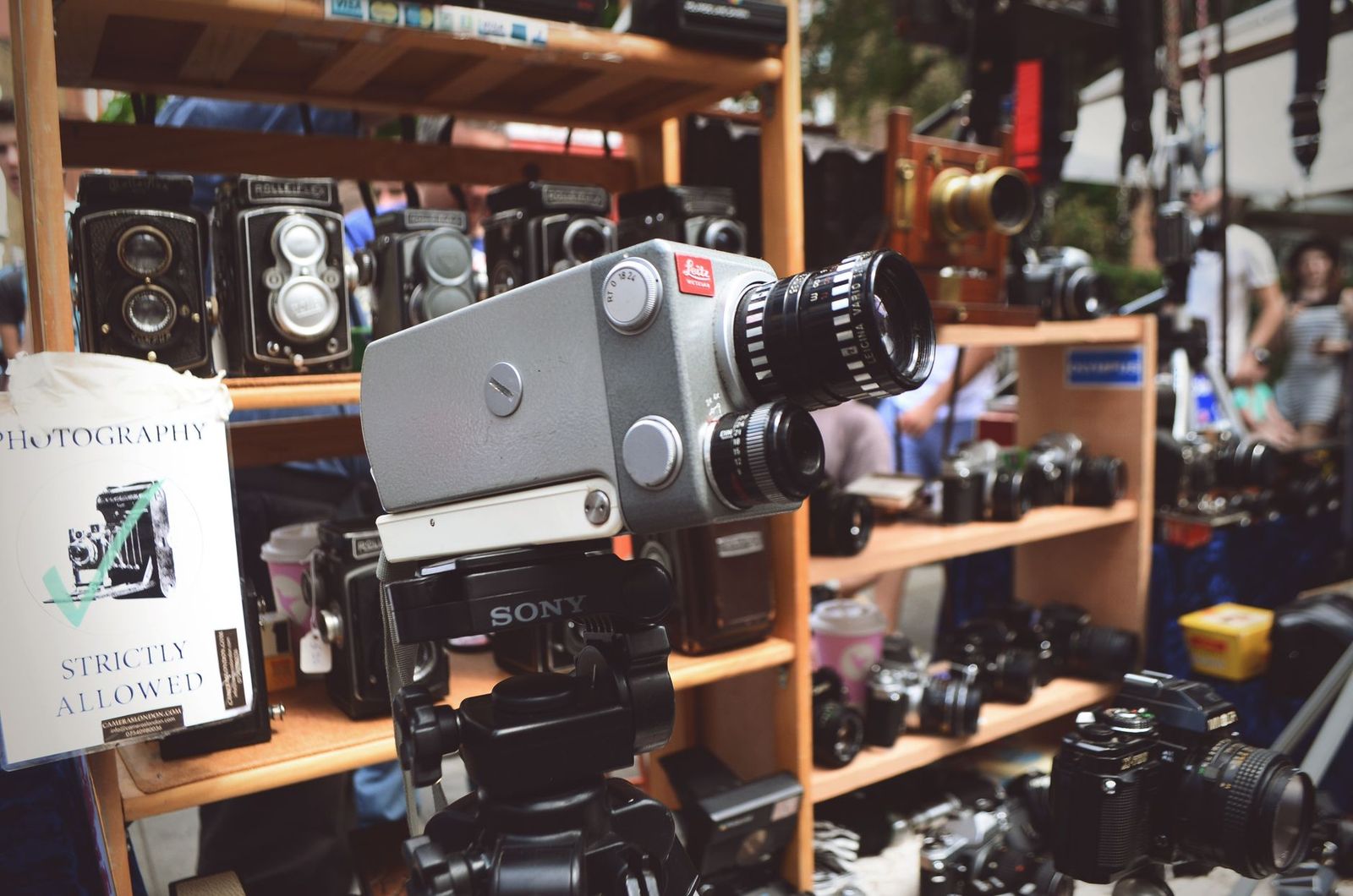
Best 16mm Cameras by Budget for 2026
Disclosure: We may earn a commission when you buy through links on this page, at no extra cost to you. As an Amazon Associate I earn from qualifying purchases. Learn more
Compare the best 16mm cameras by budget tier. See what film bodies and Super 16 digital cameras offer at each price, which features matter, and what to skip.
Prices for 16mm gear stretch from a few hundred dollars for a serviced vintage film body to several thousand for a modern digital cinema camera, and it is not obvious what the extra money actually buys. This guide to the best 16mm cameras breaks the market into spending levels so you can see where each dollar goes.
The 16mm format covers two different worlds: classic film cameras that shoot on real film stock, covered in depth in our guide to the best 16mm film cameras, and digital cameras built around Super 16 sized sensors. The sections below walk through each tier before getting into features.
What the Best 16mm Cameras Offer at Each Spending Level
Starter Level: Learning the Format
At the starter level, about $300 to $900, you are mostly buying used film bodies or entry digital options with small sensors and simple controls. Expect manual focus, manual exposure, and a learning curve, which is exactly what makes this tier great for students and hobbyists. A recently serviced body with a clear service record is worth more than a shiny camera that has sat unused for decades.
Middle Level: Serious Hobby and Student Work
The middle level, about $900 to $2,500, brings quieter motors, better viewfinders, interchangeable lens mounts, and digital bodies with proper manual controls and reliable recording formats. Digital shooters get stronger codecs, better low light performance, and mounts that accept a wide range of lenses, and anyone cross shopping formats can compare against the best digital cameras in larger sensor classes. For most enthusiasts and film students, this is where the format starts to feel like a complete working kit rather than an experiment.
Top Level: Professional Features and Support
Above about $2,500, and reaching $6,000 or more for full kits, the gains are in reliability, support, and image control. Professional film bodies offer crystal sync speeds, registration stability, and ready access to rental houses and technicians. High end digital bodies add internal raw recording, superior dynamic range, and robust timecode and audio connections. Professionals buy this tier for dependability on paid shoots, where a failed take costs more than the camera.
What Your Money Gets You at Each Price Tier
Budget Tier: What to Expect
Budget models among the best 16mm cameras are almost always used film bodies or basic digital models, sold as found or lightly checked. Film stock and processing become your running cost instead, at roughly $50 to $100 per short roll once processing is included. Check that the motor runs smoothly at all speeds and that the gate and pressure plate are clean. Budget for a light meter and a lens service, because a fogged lens ruins more first projects than any camera fault.
Midrange Tier: Where Most Buyers Land
Midrange money buys a serviced camera with a usable lens, or a digital body with a Super 16 sensor, solid 4K video, and standard mount options. This tier usually includes basics like batteries, a charger, and media, so the sticker price is closer to the real cost. If you plan to shoot regularly for years, this tier returns the most value per dollar.
Premium Tier: When Spending More Pays Off
Premium pricing buys precision engineering: quieter running, steadier images, better optics, and manufacturers or specialists who still stock parts. Digital flagships add internal raw, high frame rates, and color science that matches larger cinema cameras on the same production. The trade off is weight and complexity, plus higher insurance and service costs. Spend at this level when the camera earns money or when you are building a kit you expect to keep for a decade.
Features Worth Paying For (and Ones to Skip)
Autofocus and Stabilization
Traditional 16mm film cameras are manual focus machines. Digital Super 16 bodies may offer autofocus, though it is usually contrast based and slower than modern hybrid systems, so manual focus with magnification assist matters more. In body stabilization is rare at this sensor size, so plan on a tripod, a gimbal, or shoulder support. Skip paying extra for flashy tracking modes you will rarely use on a cinema style shoot.
Video Capabilities
On digital bodies, look for clean 4K video or high quality HD, a log profile for grading flexibility, and a microphone input for scratch audio or timecode sync. Frame rates up to 60 frames per second cover most slow motion needs. On film bodies, video capability is the film itself: check which speeds the motor holds accurately, since drifting speed ruins sync sound. Skip ultra high frame rate claims if you never shoot action, and never point any camera or viewfinder directly at the sun, because focused sunlight can damage sensors, film, and eyes.
Durability and Weather Sealing
Older film bodies were built for professional abuse, with metal housings that shrug off knocks, though their seals and foam light traps age and need replacement. Digital bodies vary widely, and full weather sealing appears mostly at the premium tier. For outdoor work, a rain cover and a sealed hard case protect any tier more cheaply than factory sealing.
Sensor Size and Image Quality
Standard 16mm film and Super 16 differ in frame width, and Super 16 uses more of the film for a wider picture that suits modern screens. Digital Super 16 sensors sit between phone sensors and APS C in size, giving a pleasing depth of field without demanding huge lenses. Megapixels matter less than dynamic range and color depth for video work.
Battery Life and Charging
Film bodies sip power, and a single battery can run many rolls, but vintage battery packs often need recelling before they hold a charge. Digital bodies draw far more, typically 200 to 400 shots or one to two hours of video per charge, so two spare batteries are a sensible minimum. USB C charging is a genuine convenience on newer digital models, letting you top up from a power bank between locations. Skip proprietary fast chargers at premium prices unless you shoot long days away from outlets.
16mm Cameras for Specific Needs
Best Super 16mm Cameras: Where Your Money Goes
Spending on the best super 16mm cameras buys the wider Super 16 frame, which captures more image area than standard 16mm and matches widescreen delivery without heavy cropping. Prioritize a true Super 16 gate or sensor, viewfinder coverage that shows the full wider frame, and lenses that cover the larger image circle. Older standard 16mm lenses may vignette at the edges, so lens coverage is the hidden cost in this niche.
Long Term Costs to Factor In
The body is only the first expense. Film shooters face ongoing stock, processing, and scanning costs for every project, plus periodic servicing of the motor and gate. Digital shooters pay for fast media cards, storage for large video files, and batteries that age out after a few years.
Lenses, a sturdy tripod, and a protective case often add 30 to 50 percent to the starting budget. Cameras from makers with active service networks hold value better, and a written service history raises resale prices when you upgrade. Buyers who value build and optics above format can benchmark their shortlist against the best quality cameras across categories.
FAQs
What specs matter most for beginners buying a 16mm camera?
A reliable motor or recording system, a clear viewfinder, and a lens in good optical condition matter most for beginners. On film bodies, confirm the camera runs at a steady 24 frames per second and that the gate is clean. On digital bodies, prioritize simple menus, focus magnification, and standard media. Fancy codecs and huge frame rates can wait until your technique catches up.
How much should I spend on my first 16mm camera?
Most first time buyers do well at about $500 to $1,500, which covers a serviced film body with a lens or a capable entry digital camera. Leave at least a third of your budget for lenses, media or film stock, and a tripod, because those decide image quality more than the body does. Renting for one project first is a smart way to confirm the format suits you before committing. Total beginners who want a simpler starting point can also look at the best starter cameras before moving into a specialist format.
Is a smartphone enough instead of a 16mm camera?
A smartphone is enough for casual clips, and its automatic processing hides many beginner mistakes. A dedicated 16mm camera gives you manual control, interchangeable lenses, and either the look of real film or a cinema style digital image that phones cannot match. Choose the camera when you want to learn cinematography craft or need footage that cuts together with professional material, and keep the phone for everyday recording.
Which type of 16mm camera handles low light better?
Digital Super 16 cameras handle low light better in practice, because you can raise sensitivity on the spot and review exposure immediately. Film can shoot in low light with fast stock, but you commit to that choice for the whole roll and pay for pushing in processing. Either way, fast lenses with wide apertures help more than any body upgrade, and adding even a small light improves results more than raising sensitivity.
What does Super 16 mean compared with standard 16mm?
Super 16 widens the film frame by using space originally reserved for a soundtrack, giving a larger image area and a shape closer to modern widescreen. The benefit is better quality when scanning or finishing for HD and beyond. The catch is compatibility: viewfinders, gates, and lenses must all cover the wider frame. Many standard 16mm cameras can be converted, but conversion costs belong in your budget from the start.
Final Thoughts
Match the tier to how often you will shoot: starter gear teaches the format cheaply, midrange kits serve students and enthusiasts for years, and premium bodies earn their keep on paid work. Whichever tier you pick, the best 16mm cameras are the ones that run reliably, take lenses you can afford, and leave budget left over for film, media, and light.