
Best 16gb Laptops 2026 Buying Guide for Daily Use
Disclosure: We may earn a commission when you buy through links on this page, at no extra cost to you. As an Amazon Associate I earn from qualifying purchases. Learn more

Best 16gb laptops suit multitasking, study and light creative work. Learn when 16gb is enough and how to balance it with storage, screen and battery.
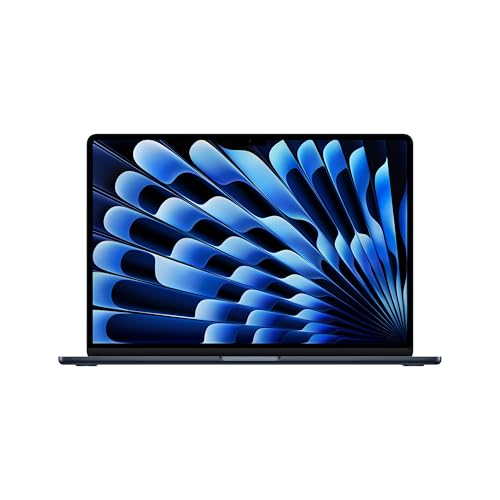
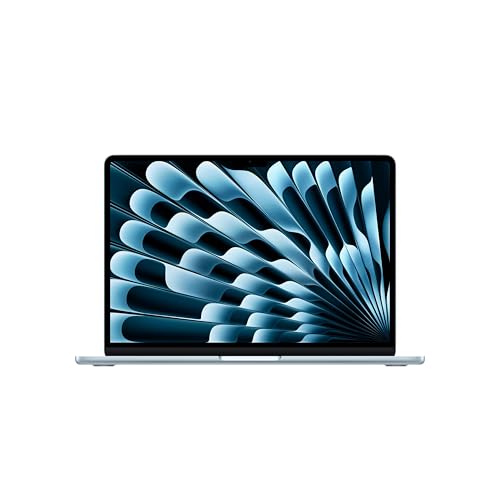
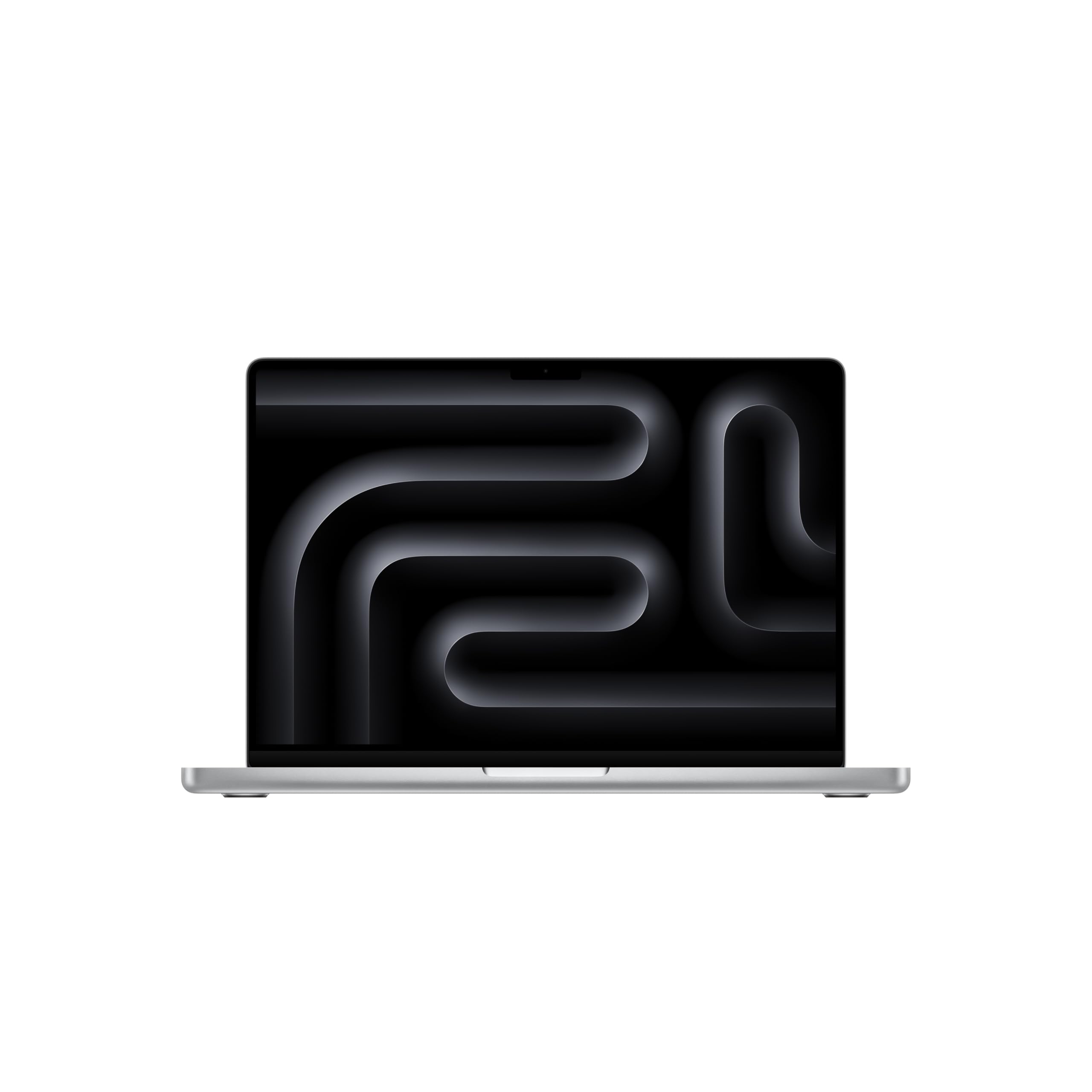
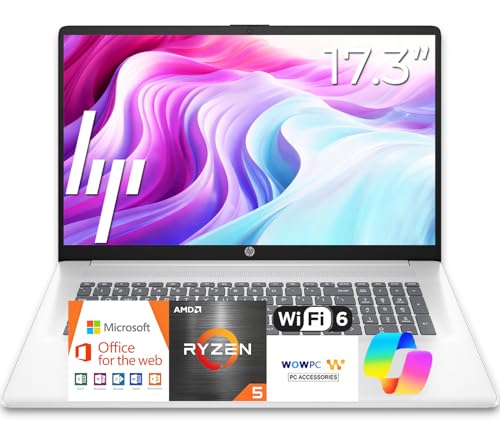
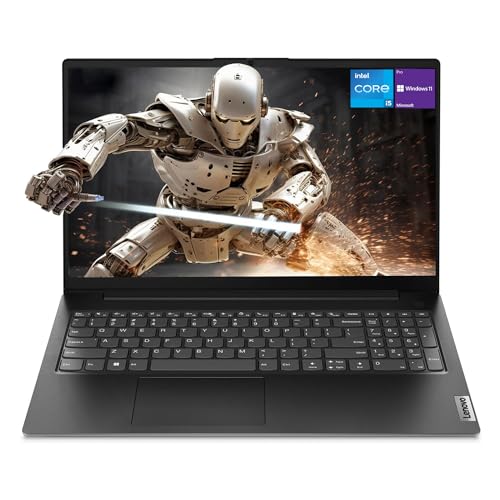
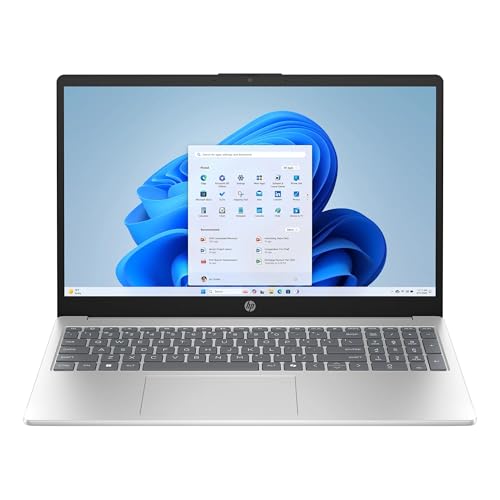
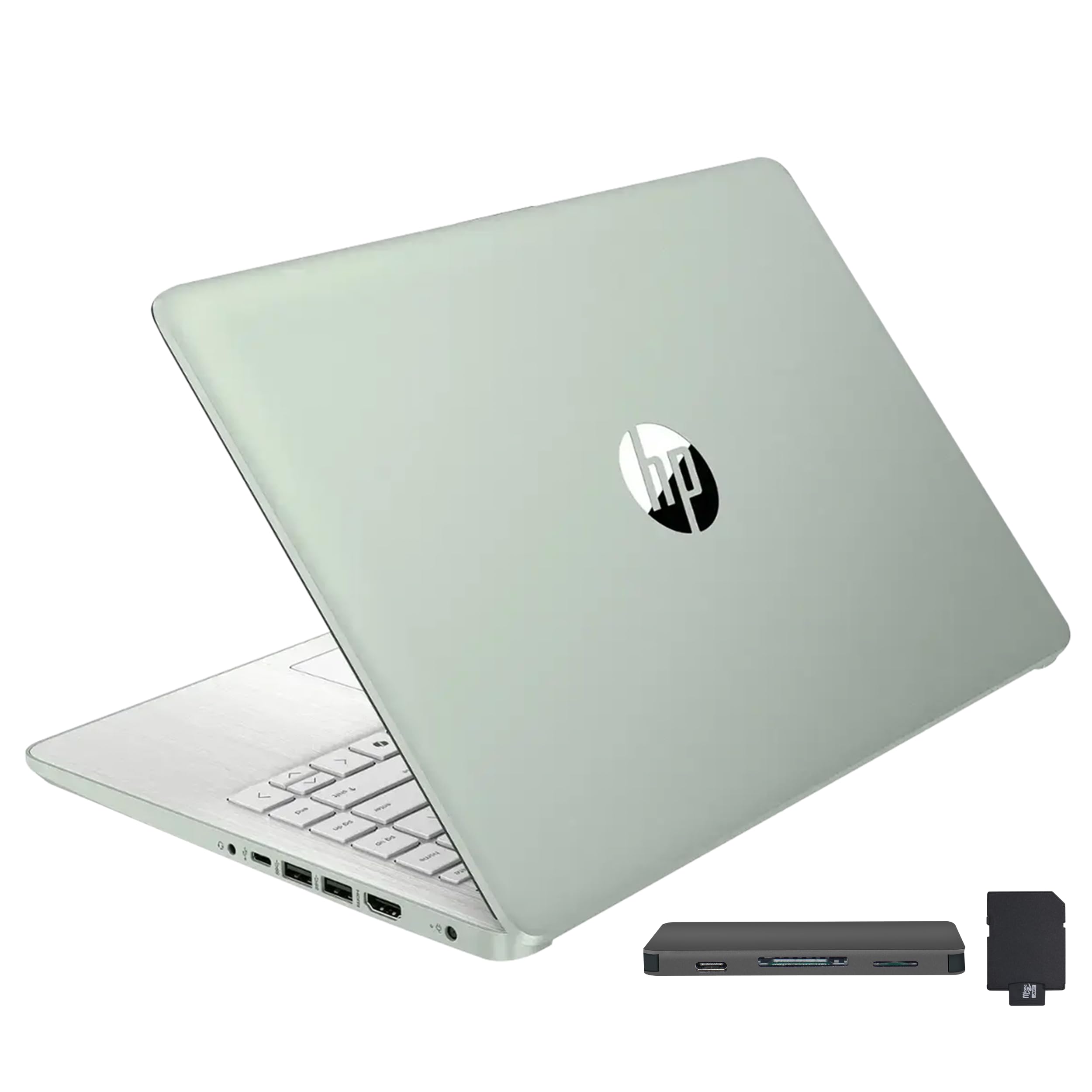
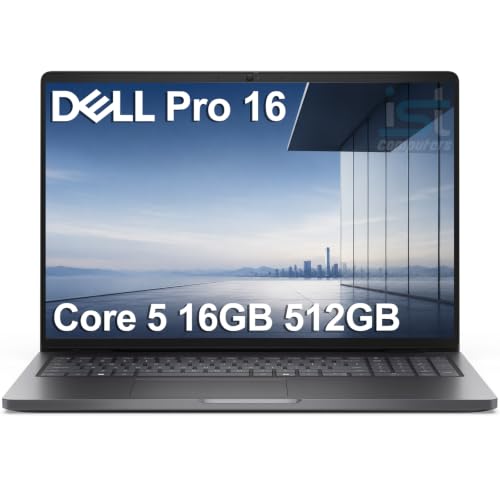
Sixteen gigabytes of memory has become the comfortable middle ground for everyday computing, and the best 16gb laptops show why that amount works for most people. It handles browsing with many tabs, documents, video calls, and light creative work without constant slowdowns. The product table shows the picks side by side so you can match memory to your work.
Memory is not the whole story, since storage speed, processor, and screen also shape how a laptop feels. But memory decides how many apps can stay open smoothly, and too little memory makes even a fast laptop stutter. If your current laptop slows when you open many tabs, memory is often the first upgrade to consider.



Who Should Buy a 16gb Laptop
A 16gb laptop suits students, office workers, and home users who browse, write, stream, and video call, often with several apps open at once. It also suits light photo editing, casual gaming, and coding for learning, where 8gb often feels tight. If you keep dozens of browser tabs open, 16gb gives comfortable headroom. Students can also see our guide to best laptops for college.
It is less suited to heavy video editing, large 3D projects, or professional data work with huge files, where more memory helps. It is also more than some light users need, such as someone who only browses and emails on a Chromebook. Match memory to your heaviest regular task, not to a task you might try once a year.
How to Choose the Best 16gb Laptops: Key Features to Compare
Memory type and upgradeability matter alongside the amount. Faster memory helps a little, but the amount matters more for smooth multitasking. Check whether memory can be upgraded later, since a soldered 16gb cannot grow, while a laptop with spare slots can. Storage should be a fast solid state drive, since a slow drive undermines good memory.
Screen, battery, and build come next. A bright screen and comfortable keyboard matter for daily use, while battery life decides portability. Weight and cooling matter too, since a laptop that runs hot and loud during normal work will annoy you daily. For related options, see best notebook laptops, best laptops 16gb ram, best laptops i7 16gb ram, and best gaming laptops with 16gb ram.
16gb vs 8gb and 32gb
Eight gigabytes suits light browsing, email, and single task work, but it struggles with many tabs, video calls, and creative apps at once. Sixteen gigabytes removes most of that friction for everyday and light creative work, which is why it suits so many buyers. Thirty two gigabytes suits heavy editing, virtual machines, and large data work, where extra headroom saves time.
The jump from 8gb to 16gb usually feels larger than the jump from 16gb to 32gb for everyday users. Spend on 16gb first, then on fast storage and a good screen, before paying for 32gb you may not use. If you plan to keep the laptop for many years, 16gb also gives useful headroom as apps grow heavier.
Common Mistakes to Avoid
One mistake is buying 16gb with a slow drive, which leaves the laptop feeling sluggish despite good memory. Another is ignoring screen and battery to chase a faster processor, since daily comfort matters more than benchmark speed. A third is assuming memory fixes every slowdown, when a full drive or overheating can also cause stuttering.
Also avoid paying for 32gb without a task that needs it, since that money often buys more value in storage or screen quality. Finally, check whether memory is upgradeable, since a non upgradeable laptop locks your choice for its whole life.
Living With a 16gb Laptop Day to Day
A 16gb laptop handles multitasking comfortably, but tidy habits still keep it feeling fast over time. Close apps you no longer need, restart occasionally to clear background processes, and keep storage from filling completely. A machine with room to breathe stays responsive, while one packed with unused apps can feel sluggish despite ample memory.
Work habits shape memory use more than people expect, since browser tabs, video calls, and open documents each consume memory quietly. Learn which of your apps are heavy, and close the worst offenders when starting demanding work. A few closed tabs can free enough memory to smooth a video call or a large spreadsheet noticeably.
Over years, watch for changes in your workload, such as new software, larger files, or heavier multitasking. A 16gb laptop that once felt generous may start to strain if your work grows significantly. When that happens, check whether memory is truly the bottleneck before buying new, since storage speed or processor limits can mimic memory problems.
A Final Check Before You Order
Before ordering, compare memory speed and type alongside capacity, since faster memory helps demanding work more than a headline number alone. Check whether memory is soldered or upgradeable, since an upgradeable machine can grow if your needs change. Also balance memory against storage, screen, and battery, since a laptop is only as good as its weakest daily component.
Try the keyboard, trackpad, and screen in person when possible, since these shape daily comfort more than specifications do. A 16gb laptop with a poor screen will disappoint you every day, however capable its memory. Check weight and battery too, since a powerful laptop that stays plugged in loses much of its appeal.
Finally, buy memory for the work you do now plus modest growth, not for an extreme future that may never arrive. For most users, 16gb hits a sweet spot between price and performance for years. If your work is already heavy, consider more, but do not pay for memory you will never use while skimping on storage or screen quality.
Long Term Value
A 16gb laptop bought for study or work often serves through several life changes, from school to a first job or from one hobby to another. Choose a sturdy build and a reliable brand support record, since a laptop that survives years of daily use delivers far more value than a fragile bargain. A good case and careful handling protect that investment further.
When the laptop eventually ages, a memory upgrade may help if the design allows it, but many modern laptops solder memory in place. Check upgrade options before buying if long life matters to you, and keep software tidy so the machine ages gracefully.
Writers and researchers should try large document handling with their real files, not with tiny samples. A laptop that handles a hundred page document smoothly will serve daily work well.
Frequently Asked Questions
Is 16gb enough for everyday use?
For most everyday use, yes, since 16gb handles browsing with many tabs, documents, video calls, and streaming together. It also covers light photo editing and casual gaming comfortably. Heavy video editing, large 3D work, and professional data tasks are the main cases where more memory helps noticeably. Video calls plus many browser tabs together are a good real world check of whether 16gb feels comfortable.
Is 16gb better than 8gb for students?
Usually yes, since students often keep a browser, documents, video calls, and study apps open at once. Eight gigabytes can feel tight with many tabs, while 16gb gives headroom for multitasking. If the budget is very tight and use is light, 8gb can still work, but 16gb is the safer long term choice.
Can I upgrade laptop memory later?
It depends on the model, since some laptops have upgradeable slots and others solder memory to the board. Check the listing details before you buy, especially if you plan to keep the laptop for years. A laptop with a spare slot lets you start at 16gb and grow later if your work demands it.
Does more memory make a laptop faster?
More memory helps when you run out, since it stops the system swapping to slower storage, but it does not speed up a slow drive or a weak processor. Once you have enough memory for your tasks, extra memory adds little. Balance memory with fast storage, a decent processor, and a good screen.
How long will a 16gb laptop stay useful?
A 16gb laptop should stay comfortable for everyday and light creative work for several years, since apps grow heavier gradually. Keeping storage tidy, updating software, and avoiding excessive background apps helps. For heavy professional work, future needs may push you toward more memory sooner.
Final Thoughts
For most buyers, 16gb is the sweet spot: enough for real multitasking without paying for capacity you will not use. Pair it with fast storage, a good screen, and solid battery life, and daily work feels smooth. The picks in the table above let you compare options, so match one to your tasks before you order. With that balance, the best 16gb laptops are a straightforward, future friendly choice.


