
Best 16 oz Coffee Mugs (2026): Buying Guide
Disclosure: We may earn a commission when you buy through links on this page, at no extra cost to you. As an Amazon Associate I earn from qualifying purchases. Learn more
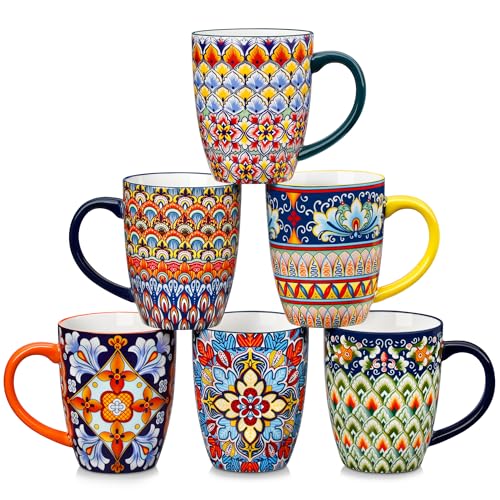
What to check before you buy the best 16 oz coffee mugs: material, handle comfort and set size, and which type fits your home.
A 16 oz mug sounds simple until your cabinet shelves are shallow, your coffee goes cold during school drop off, or a set of four has to serve six people on a Sunday morning. The best 16 oz coffee mugs for your home are the ones that fit your space, your drink habits, and your household size. This guide helps you choose by material, set size, and budget rather than by looks alone.
Start with the comparison table below, which lines up the main types side by side. Then use the checklist that follows to confirm details such as handle comfort and whether you can buy a single replacement later. For the broader picture, see our guide to best coffee mugs.


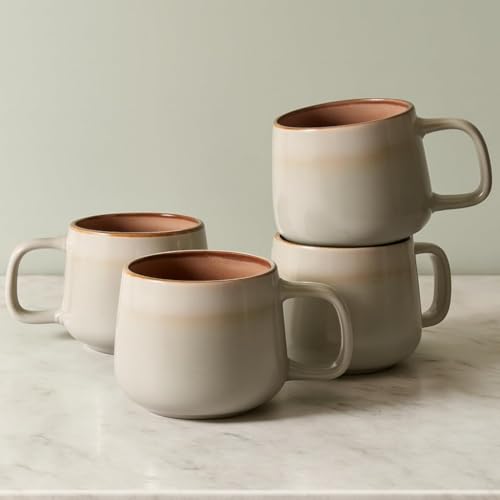


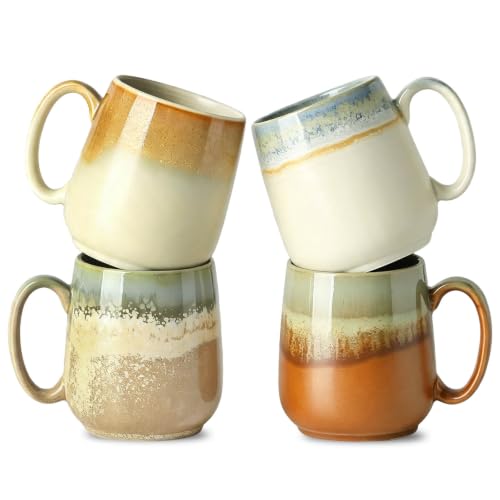


Quick Answer: The Three Types Worth Considering
Most homes land on one of three types. Ceramic and stoneware suit everyday coffee and tea at the table, where a warm feel in the hand matters more than travel. Porcelain gives you a thinner, lighter wall with the same generous capacity. Insulated mugs suit desks, porches, and commutes, where drinks sit longer between sips.
Pick ceramic or porcelain if you reheat in the microwave and wash everything in the dishwasher. Pick an insulated type if your coffee usually waits thirty minutes or more before you finish it.
Before You Buy: A Quick Checklist for Choosing a Coffee Mug
Size: Match It to Your Space
A 16 oz mug holds about two standard cups of coffee, which suits a long morning pour or a large latte made at home. Before you buy, measure your cabinet shelf height and the space under your coffee maker spout, since tall mugs can fail both tests. Check the width too, because wide mugs eat shelf room fast in small kitchens. If your household drinks smaller amounts, a 12 oz mug may suit weekday use better, while 16 oz shines for slow weekends and generous tea servings.
Which Type Fits Your Routine
Ceramic is the everyday standard, with good heat feel and wide choice in sets. Stoneware is thicker and heavier, which many people like for a sturdy grip at the table. Porcelain is lighter and more refined, a good fit for guests and for homes that prefer a delicate look. Glass shows the color of your drink and suits layered lattes, though it feels less cozy in the hand. If you like the look and weight of clay based mugs, our guide to best ceramic coffee mugs covers that family in more depth.
Features Worth Paying For and Ones to Skip
Pay for a handle you can fit two or three fingers through, since a full mug is heavy and a cramped handle makes spills more likely. Pay for a smooth, even rim, because you feel it with every sip. A lid is worth it for desks and travel, but skip saucers unless you truly serve formal tea, since they add storage bulk and washing. Decorative textures on the inside are also worth skipping, because they trap coffee oils and make cleaning slower for no gain in taste.
Lead and Cadmium Free Glazes
Colorful glazes are part of the charm of ceramic and stoneware, but the finish should be safe for daily drinks. Look for listings that state the mug is lead free and cadmium free, and for makers who say their products meet United States food safety standards. Be cautious with very bright red, orange, or yellow glazes from unknown sellers when no safety statement appears. If a mug has a cracked or crazed glaze inside, retire it from drink use, since damaged surfaces are harder to clean well.
Dishwasher, Microwave and Oven Safety
Check each rating separately, because a mug can be dishwasher safe yet not microwave safe. Metallic trim and some insulated builds rule out the microwave, which matters if you reheat coffee often. Stoneware and porcelain usually handle the dishwasher well, while hand painted or gold trimmed pieces often call for hand washing. Oven safety matters only if you plan to bake mug cakes or keep soup warm, and even then most mugs have modest limits. When a listing is vague, treat the mug as hand wash only until the maker confirms otherwise.
Set Size and Open Stock Availability
Sets of four suit couples and small families, while sets of six or eight suit homes that host often or run the dishwasher less often. Mugs break more than plates do, so open stock availability is a quiet but real advantage, letting you replace one mug without changing the whole set. If a pattern is sold only as a fixed set, consider buying one extra set while it is available. Mixed color sets can also help, since each person in the house can claim a color and track their own mug.
Realistic Budget Ranges
Basic ceramic sets often cost under $20, which covers simple, sturdy mugs for daily use. Spending about $20 to $50 usually buys thicker walls, better glaze finishes, and larger sets with more consistent sizing. Above about $50, you are paying for porcelain fineness, insulated builds, or handmade character rather than basic function. For most homes, the middle range offers the best balance, since the jump in comfort and finish is real while replacement cost stays reasonable.
Types Compared: What Each Build Gives You
Rather than chasing brand names, compare the main builds on heat feel, weight, cleaning, and how they suit your rooms. The right type for a quiet home office may be wrong for a busy family kitchen.
Everyday ceramic and stoneware sets. These are the workhorses for family kitchens. They reheat well, stack or line up neatly in most cabinets, and come in set sizes that match real households. Stoneware feels more substantial and resists chipping a little better at the rim, while plain ceramic tends to cost less. Choose this build if most of your drinking happens at home and you want easy replacements and simple care.
Porcelain and glass mugs. Porcelain gives a lighter sip feel and a clean, bright look that suits dining rooms and guest use. Glass, including double wall styles, shows off layered drinks and adds no taste of its own, though it can feel fragile in a crowded sink. Choose these if appearance at the table matters and your household handles dishes gently.
Insulated mugs. Insulated builds, usually steel with a lid, keep coffee hot through a commute, a long meeting, or yard work. They do not go in the microwave, and most ask for hand washing to protect the seal. If your drink routinely sits for an hour, see our guide to best insulated coffee mugs for options built around heat retention. A related choice is a powered mug that holds a set temperature, covered in our guide to best self heating coffee mugs.
Our Selection Process for Comparing Mug Types
We compare mug types on material and durability, dishwasher and microwave safety, handle and rim comfort, set contents, and value for the price range. The details come from maker specifications and from patterns in verified buyer reviews, such as repeated notes about chipping or handles that feel too small.
Is a 16 oz Coffee Mug the Right Size for You?
Sixteen ounces suits you if you drink large coffees, milky lattes, or long cups of tea and dislike refilling. It also suits soup, oatmeal, and mug cakes, which makes it a flexible size for small kitchens with limited storage. A full 16 oz mug is heavy, though, at roughly a pound of liquid plus the mug itself, so wrist comfort matters if you carry it around the house.
Choose a smaller size if you prefer reheating small amounts often, or if your coffee maker brews 8 to 10 oz servings that would look lost and cool quickly in a big mug. Choose 16 oz if one generous pour carries you through the morning. Households often keep both, using 12 oz on busy weekdays and 16 oz when the pace slows down.
Common Mistakes to Avoid
- Buying tall mugs without measuring shelf height and brewer clearance, so they fit nowhere well.
- Choosing a set by color alone and ignoring handle size, which you feel every single morning.
- Assuming every mug is microwave safe, then damaging metallic trim or an insulated seal.
- Buying a fixed set with no open stock option, so one break means a mismatched shelf.
- Paying for lids, saucers, and gift packaging you will never use, instead of better glaze and walls.
- Filling a 16 oz mug to the brim, which invites spills when you add milk or move.
Cost of Ownership and Care
A mug has no running costs, so ownership cost is mostly about replacement and care time. Chip prone rims and thin glass raise replacement rates, while sturdy stoneware can serve for years. Buying from an open stock line lowers the cost of each break. Factor in cabinet space too, since oversized handles and wide shapes can force you to store fewer mugs than you bought.
For care, rinse soon after drinking to limit staining, and wash with hot soapy water or on the top rack when the maker allows it. Dry mugs fully before stacking them in a closed cabinet to avoid stale smells. Store everyday mugs where you can reach them without lifting one over another, since most chips happen during hurried stacking.
FAQ
What is the most reliable type of 16 oz coffee mug?
Thick stoneware is usually the most forgiving choice for daily reliability, since its walls handle knocks at the sink better than thin glass or fine porcelain. Reliability also depends on the glaze staying intact and on a handle joined cleanly to the body. Check recent buyer reviews for repeated break or chip reports on the exact set you want. A plain, well made mug from an open stock line will usually outlast a fancy set you cannot replace.
How do you clean coffee mugs with stubborn stains?
For stains that normal washing leaves behind, soak the mug in warm water with a spoon of baking soda, then scrub gently with a soft sponge. This lifts the brown film that builds up from coffee and tea without scratching most glazes. For the full routine, including odor removal and hard water marks, see how to clean coffee mugs. Avoid steel wool on decorated surfaces, since it can dull the finish over time.
Are expensive coffee mugs worth it?
They can be, when the extra money buys porcelain fineness, insulation, or handmade work you will enjoy daily. They are not worth it when the price only reflects a gift box or a trendy color. Think in cost per year rather than price today, since a mug you use every morning for five years costs very little per use. If you break mugs often, a mid priced open stock set is the smarter spend.
How long do coffee mugs last?
A ceramic or stoneware mug can last many years with normal care, and porcelain often lasts just as long when it is handled gently. Glass mugs tend to have a shorter life in busy households because one hard knock can end them. Retire any mug with a crack in the body, even a fine one, since cracks harbor residue and can spread with heat. Handles that feel loose are another clear sign to stop using a mug.
What size coffee mugs do I need for a home coffee bar?
Measure the clearance under your machine spout and the width of your cup warmer or tray before choosing, since home coffee bars have fixed spaces that open countertops do not. Many espresso drinks also call for smaller cups, so a mixed shelf of 8 to 12 oz cups plus 16 oz mugs covers lattes, drip coffee, and tea. Keeping two sizes avoids the compromise of one mug that is almost right for everything.
Final Thoughts
The right mug comes down to fit, in your cabinet, in your hand, and in your routine. Match the material to how long your drink sits, choose a set size your household can live with, and favor open stock lines so one break does not undo the set. When you weigh those points, the best 16 oz coffee mugs for your home become easy to spot. Check the product table above once more, then pick the type that suits your space and your mornings.


