Best 16 MP Cameras in 2026: What Your Money Really Gets You
Disclosure: We may earn a commission when you buy through links on this page, at no extra cost to you. As an Amazon Associate I earn from qualifying purchases. Learn more

Best 16 mp cameras for every budget, with tips on sensor size, optical zoom, 4K video and battery life so you pick the right price tier.
Two cameras can both offer 16 MP and produce very different photos, because sensor size, lens quality and focus speed matter as much as pixel count. The best 16 mp cameras match those parts to your photos, and the product table shows the tradeoffs.
Start with your budget and main subject. Family snapshots, travel scenes and indoor birthdays each reward a different mix of zoom, low light ability and controls. This guide explains what each tier adds and which extras you can skip.

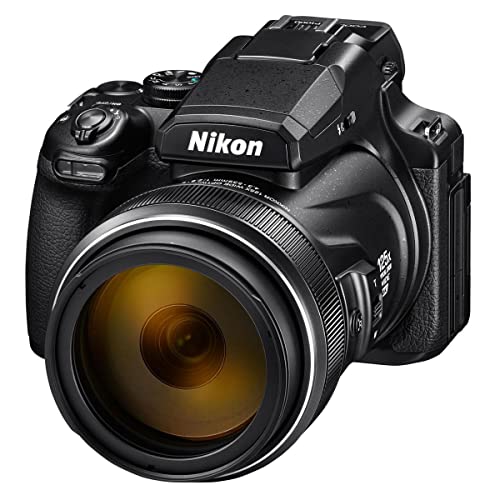


Who Should Buy a 16 MP Camera?
A dedicated camera earns its place when you want real optical zoom, a steadier grip, or controls you can change without phone menus. Think about who will use it most, because a model simple for one person may feel cramped to another.
Families Who Want Reliable Photos at Gatherings and School Events
You need a camera that starts quickly, focuses on moving children, and zooms across a room or a small field. Choose face detection and a helpful auto mode. A moderate zoom usually serves family photos better than the longest zoom, because most moments happen at close range.
Travelers Who Want Zoom Without Carrying Separate Lenses
You walk all day, so size and weight shape what you will carry. A slim point and shoot camera with a versatile zoom can capture wide street scenes and distant details from one pocket. Look for a secure grip, stabilization for evening walks, and charging from a travel power bank.
New Photographers Who Want to Learn Real Controls
You learn faster when aperture, shutter speed and ISO sit on clear dials or in a short menu. Choose manual options and a guide mode you can grow into. For a broader starting point, see our guide to the best starter cameras for models built around learning.
Key Features to Compare
Compare the parts that change image quality every time you press the shutter, before filters or wireless extras. You cannot enlarge a sensor or improve a lens after purchase, but you can add a card or a battery later.
Sensor Size and Why 16 MP Is Only Part of Quality
Sensor size controls how much light each pixel gathers, which affects detail in shadows and noise in dim rooms. A 16 MP file from a larger sensor usually looks cleaner when cropped or printed than the same count from a tiny sensor. Larger sensors also help separate a subject from its background.
Optical Zoom, Lens Aperture and the Objective Lens
Optical zoom moves the objective lens to magnify a scene while using the full sensor area, while digital zoom crops the image and discards detail. Check both ends, because a wide start suits rooms and landscapes, and a longer end suits wildlife. A brighter lens, shown by a lower f number, admits more light, though many zooms grow darker as you extend them.
Image Stabilization and Low Light Results
Image stabilization steadies small hand movements, which helps most at full zoom and in low light where shutter speeds slow down. Optical systems usually work better for still photos than digital correction alone. Low light quality also depends on how high you can raise ISO before grain hides detail. For concerts or evening games, favor a brighter lens and larger sensor over longer zoom.
Autofocus Speed and 4K Video
Autofocus should lock onto a face or moving subject without hunting, because a missed moment rarely repeats. Face and eye detection help with people, while tracking helps with pets and sports. For video, 4K video records finer detail and leaves room to crop in editing, but it fills cards faster and drains batteries sooner. For short family clips, smooth HD video and clear sound may matter more.
Battery Life, Charging and Memory Cards
Battery ratings for compacts often fall around 200 to 350 shots per charge, and video or flash use lowers that number. A spare battery is wise for travel days and long events. USB C charging is handy because one cable can serve phone and camera on a trip. Budget for a fast card too, since 4K clips need steady writing speed.
Weatherproof Build, Screen and Everyday Controls
A weatherproof camera suits rain, beach spray and dusty trails, but only when its doors and seals stay closed and clean. Most everyday compacts are not weatherproof, so a snug case still matters. A tilting screen helps with low or high angles. Physical buttons are easier with gloves. For broader styles, see our guide to the best digital cameras.
Price Tiers Judged by Sensor Size and Lens Brightness
Price tiers here are about sensor size, lens brightness and build, not the 16 MP number itself. Use the tiers below to decide where spending stops adding value.
Best 16 MP Cameras Under $200: Where Your Money Goes First
Under $200, expect a slim point and shoot camera with a small sensor, modest optical zoom and simple auto shooting. This tier suits daylight trips, casual parties and a first camera for careful younger users. Spend first on usable zoom and stabilization, not scene filters. Check what the box includes, because a missing charger can erase the saving.
Middle Tier About $200 to $400: Bigger Gains in Lens and Sensor
Models around $200 to $400 often bring a larger sensor, a wider zoom range, or both, along with better focus. This is where travel and family cameras grow more capable in dim light without growing much in size. Manual controls, raw files and faster bursts make this the strongest step up for most shooters.
Higher Tier Above $400: Brighter Glass and Stronger Video Tools
Above $400, gains become more specific, such as a brighter lens for indoor work, a larger sensor for cleaner crops, or 4K video with better sound options. Pay this much only when you shoot weekly, print large, or need one compact to replace a bulkier kit. Casual users rarely recover the extra cost.
Ownership Costs Beyond the Camera Price
The camera price is only the first part of ownership. Most buyers also need a memory card, a case and, for travel, a spare battery. Those items can add about $40 to $120 over the first year.
Warranty and repair access also affect value, because a damaged zoom lens is often costly to fix. Keep your receipt and register the camera if asked. If photography is a growing hobby, see our guide to the best cameras for photography to understand what a later step up would involve.
Common Mistakes to Avoid
These errors are common because the pixel count can hide what matters more.
- Choosing only for the 16 MP count leaves you with a tiny sensor that struggles in dim rooms.
- Paying for digital zoom instead of optical zoom gives you cropped images with less detail to print.
- Ignoring aperture at full zoom leads to dark, noisy photos of sports and wildlife in fading light.
- Skipping a spare battery and a fast card can stop a travel day at the worst moment.
- Buying advanced controls for a casual user often leaves the camera at home unused.
- Assuming every compact is weatherproof risks water damage at the beach or in steady rain.
Care and Maintenance for Your Camera
Clean the lens with a soft cloth made for optics, after you blow away loose dust or sand. Never wipe a dry lens with a shirt, because grit can scratch the coating. Keep the lens cover closed in a bag, and store the camera in a padded case away from keys.
Charge batteries before they sit unused for months, and dry the camera after wet weather by opening its doors in a warm room so air reaches the seals. If the zoom stops moving, stop using it and contact a repair service.
FAQ
Is a smartphone enough instead of a 16 MP camera for everyday photos?
A smartphone is enough for many everyday photos, especially close subjects in good light shared online. A dedicated camera pulls ahead when you need true optical zoom, a steadier grip, or a flash set apart from the lens. It also saves your phone battery on long days.
How much should a first time buyer spend on a 16 MP camera?
A first time buyer should usually spend about $200 to $400 for a clear step beyond a basic pocket model. That range often buys a better lens and stronger focus. Buyers who want only a simple trip backup can spend less. For a gentler start, see our guide to the best cameras for novices.
Can a 16 MP camera make large prints and allow useful cropping?
Yes, a 16 MP camera can make sharp prints at sizes such as 8 by 10 inches and 11 by 14 inches when the photo is well lit and in focus. Larger prints depend more on lens sharpness than pixels alone. Cropping works best when you remove a modest edge area, not half the frame.
Which 16 MP camera features matter most for beginners?
For beginners, clear autofocus, stabilization and a simple auto mode matter most, because those features save more photos than advanced settings at first. A zoom that starts wide helps in rooms, and a readable outdoor screen prevents framing errors. Hold the camera and find the shutter and zoom controls by feel before you buy.
Does 4K video matter in a 16 MP camera for family clips?
4K video matters if you watch clips on a large TV, crop footage in editing, or pull still frames from video. For short clips shared on phones, HD video often looks just as pleasing and takes far less storage. Sound is separate, since wind can spoil a sharp clip, so a wind filter can help more than resolution.
Our Verdict
Choose by sensor, lens and focus first, then let budget set the tier. A small sensor compact suits daylight sharing, a middle tier model serves most families and travelers better in dim light, and a higher tier compact earns its price through brighter glass and stronger video. Use the product table to compare zoom, sensor and price.
With those priorities clear, the best 16 mp cameras are the ones you will carry often and trust when a moment will not wait. Buy the simplest model that fixes your real photo problem, and put leftover budget toward a spare battery.