
Best 16 Gb Laptops for Every Need: How to Pick the Right One for 2026
Disclosure: We may earn a commission when you buy through links on this page, at no extra cost to you. As an Amazon Associate I earn from qualifying purchases. Learn more

The best 16 gb laptops differ by use case: see how gaming, travel, school and remote work change what to look for.
Sixteen gigabytes of memory has become the sensible standard for a new laptop, but two machines with the same RAM can feel completely different in daily use. That is why finding the best 16 gb laptops for you starts with how you work, play, and travel, not with a single spec.
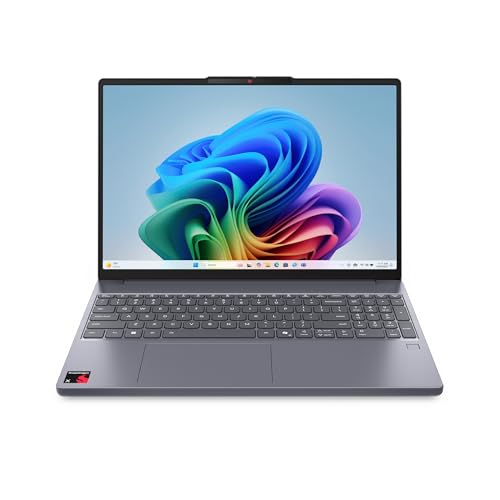
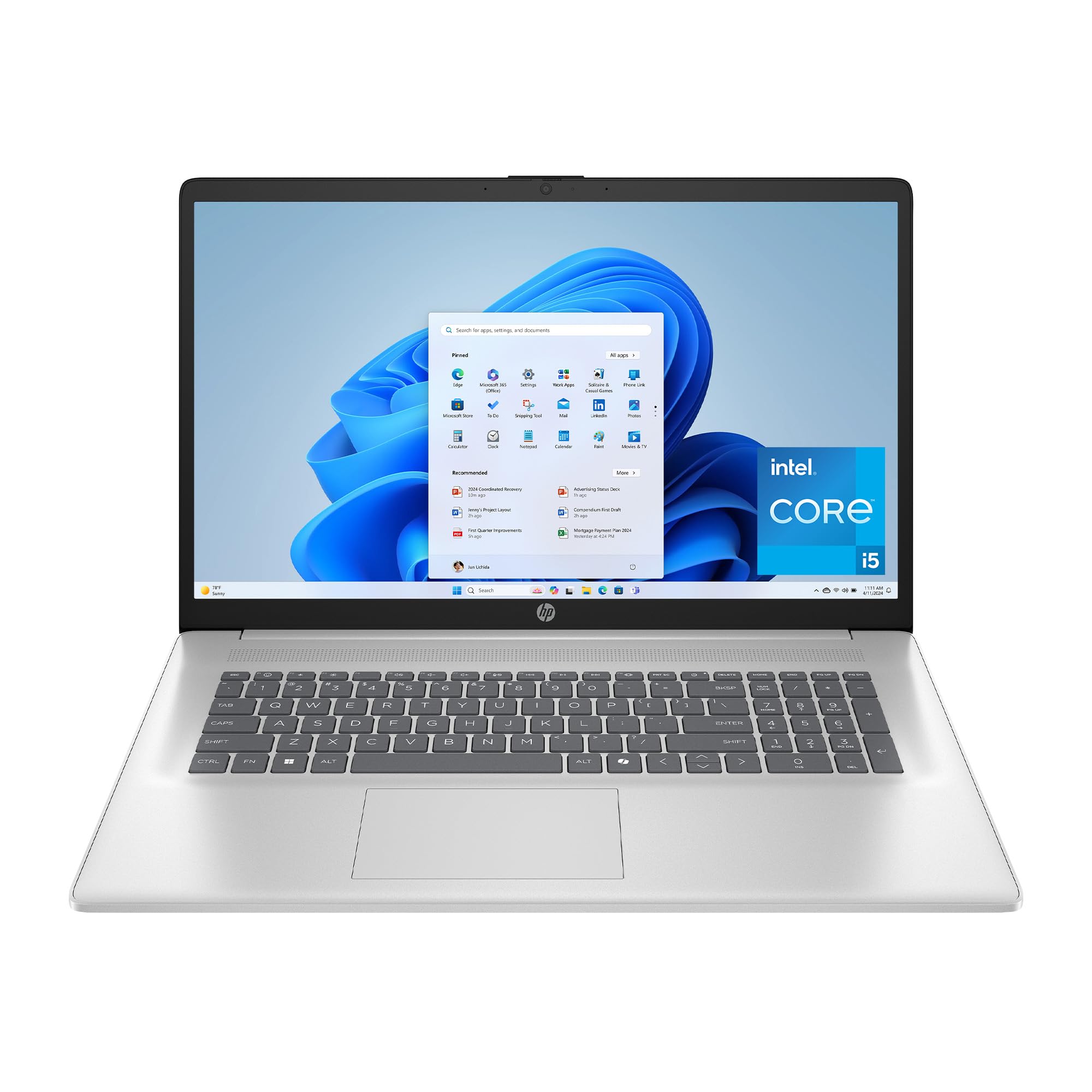
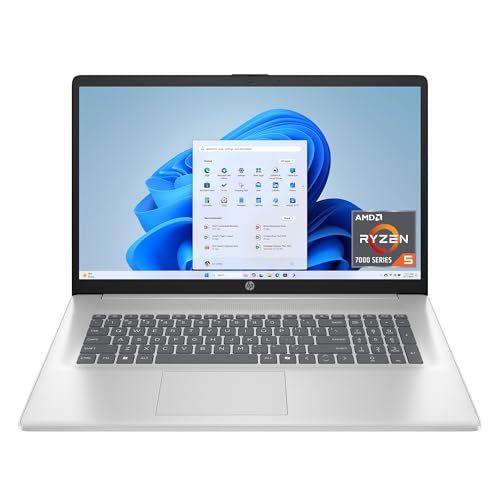
This guide sorts buyers into clear groups, explains the features that separate a smooth machine from a frustrating one, and lists the buying mistakes that waste money. Use the product table to compare weight, battery claims, and ports as you read.

Who Should Buy the Best 16 Gb Laptops?
Your main use decides where the rest of the budget should go after RAM. A gamer needs graphics power, a traveler needs low weight, and a student needs value and battery life. Match yourself to one group first, then compare models inside it.
For Gamers and Power Users
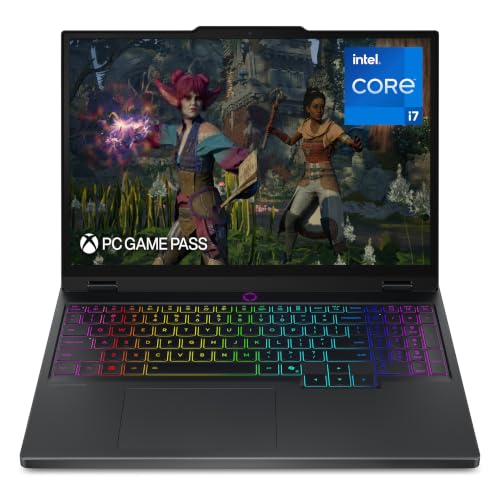
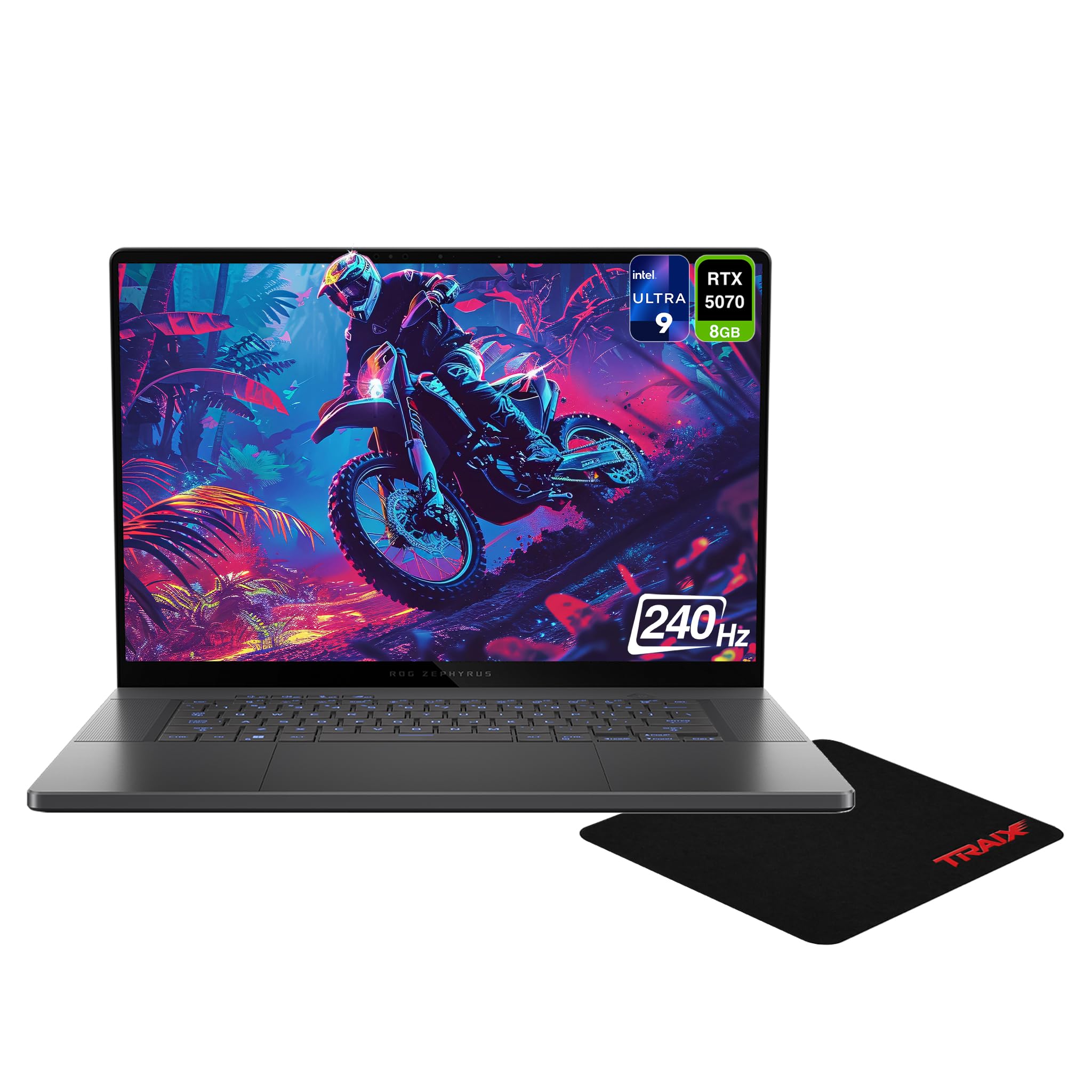
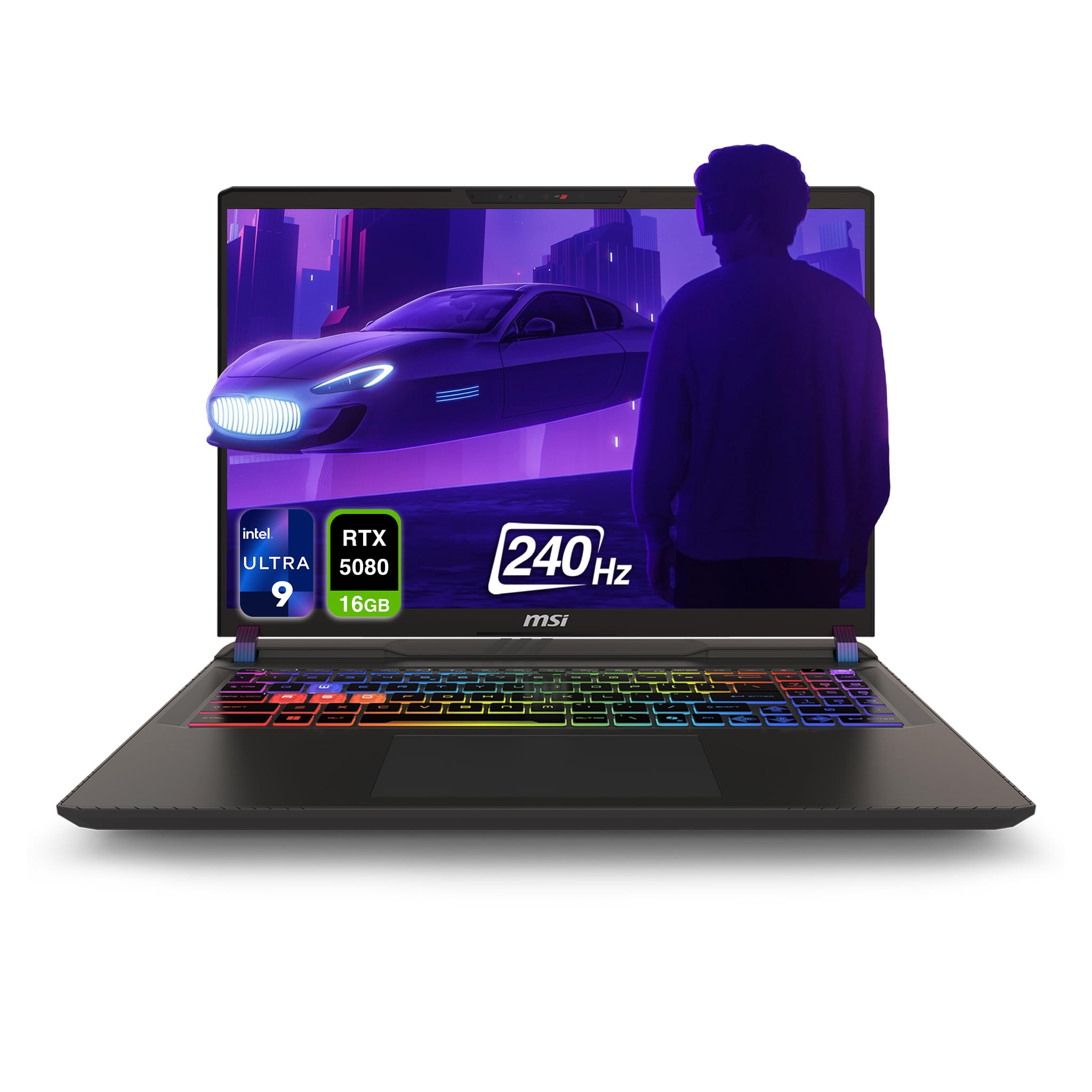
If you play demanding games or run heavy creative software, pair the 16 GB of RAM with a dedicated graphics card and a fast processor. A display with a high refresh rate, such as 120 Hz or above, keeps fast motion smooth, and strong cooling keeps frame rates steady during long sessions. Storage speed matters too, since large game and project files load from the SSD constantly. Expect more weight and shorter battery life, which is a fair trade for this group.
For Remote Workers and Creators
Remote workers live on video calls, so a clear webcam, good microphones, and speakers you can hear over household noise come first. Creators should add a color accurate display to that list, because editing photos and video on a dull screen leads to disappointing results elsewhere. Plenty of ports reduce dongle clutter, and a reliable WiFi chip keeps calls stable. For a closer look at memory focused models, see our guide to the best laptops with 16 gb ram and how they differ in upgrade options.
For Travelers and Commuters
Travelers should rank weight, battery life, and build strength above raw power. A machine around three pounds or less disappears into a bag, and a metal chassis survives daily knocks better than thin plastic. Charging over USB C is a real advantage, because one small charger can serve the laptop, phone, and tablet. A bright screen that fights glare helps in airport seats and cafes. If portability is your top priority, our guide to the best notebook laptops focuses on compact designs.
For Students and Everyday Users
Students need a laptop that opens fast, survives a backpack, and runs a browser full of tabs beside documents and streaming video. Sixteen gigabytes of RAM is ideal here because it keeps the machine responsive for years of coursework without paying for power you will not use. Prioritize battery life, a comfortable keyboard for long essays, and a price that leaves room for a case and a warranty extension. Shoppers in this group should also browse our guide to the best laptops for college for campus specific advice.
Key Features to Compare
With your group chosen, compare these four areas across the models in the product table when shopping for the best 16 gb laptops. Small differences here decide how a laptop feels after the first month.
Battery Life in Real World Use
Maker battery claims usually come from light video playback at low brightness, so real mixed use lands lower. As a rule of thumb, look for claims of about 12 hours or more if you need a full workday away from an outlet. Fast charging over USB C softens a smaller battery, since a short coffee break can restore hours of use. Screen size and brightness are the biggest drains, so a very bright large display needs a bigger battery to match a smaller model.
Processor and Performance Tier
The processor sets the ceiling for everything else. Current Intel Core Ultra, AMD Ryzen, and Apple M series chips all handle office work, browsing, and light editing with ease at this memory level. Step up within those families for software that renders video, compiles code, or runs virtual machines. More cores help tasks that split work across them, while single core speed still drives everyday snappiness. Pairing a strong processor with only a small SSD is a common imbalance, so check storage size beside it.
Keyboard, Trackpad, and Build
You touch the keyboard and trackpad all day, so their quality shapes your opinion of the whole machine. Look for keys with clear travel and a layout that does not shrink important keys, plus a large trackpad that tracks smoothly without a mouse. Aluminum bodies feel rigid and resist flex around the keyboard deck. Hinges should open smoothly and hold the screen steady on a train table. If you can, read owner comments about fan noise and heat on the palm rests.
Graphics (Integrated vs Dedicated GPU)
Integrated graphics, built into the processor, now handle streaming, casual games, photo editing, and multi monitor office setups without trouble. A dedicated GPU earns its cost for modern games at high settings, 3D work, and heavy video effects, where it can be several times faster. It also adds weight, heat, and price, and it cuts battery life. Choose integrated graphics unless your software list clearly demands more, and put the savings toward storage or a better display.
Common Mistakes to Avoid When Buying 16 Gb Laptops
- Judging by RAM alone. A slow processor or a dim screen will bother you daily, while the memory sits quietly doing its job.
- Trusting headline battery numbers. Compare claims carefully and expect real world use to fall short of the manufacturer figure.
- Buying too much or too little storage. Photos, games, and offline video fill drives quickly, and many thin laptops cannot be upgraded later.
- Ignoring the warranty and returns window. Keyboards and hinges reveal problems early, so easy service protects your purchase.
- Paying for a large screen you must carry. Bigger displays are lovely at a desk and tiring in a bag, so match size to your routine.
Tips to Get the Most From Your 16 Gb Laptop
Keep the operating system and firmware updated, because updates often improve battery behavior and fix sleep problems. Avoid running at 100 percent charge all the time if the laptop lives on a desk; many models offer a charge limit setting that slows battery wear. Use a padded sleeve when commuting and keep vents clear so cooling stays effective.
Every few months, clear out large downloads and check which apps launch at startup, since background clutter is the usual cause of a laptop feeling slower with age. Buyers who like larger workspaces can compare sizes in our guide to the best 16 inch laptops before deciding.
FAQs
How long should a 16 gb laptop last?
A well chosen model should stay useful for about five to seven years. The memory amount ages well because everyday software grows slowly, while batteries and storage usually wear first. A replaceable battery or an affordable service option extends that span. Performance will fall behind new machines for heavy creative work sooner than for browsing, documents, and streaming.
Is a dedicated GPU worth it?
It is worth it if you play modern games, edit high resolution video with effects, or do 3D work. For office tasks, study, and casual photo editing, integrated graphics already perform well and give you better battery life and a lighter machine. When in doubt, check the recommended specs of the one program you depend on most and let that decide.
Should I buy a laptop or a tablet?
Choose a laptop if you type a lot, juggle many windows, or need specific desktop software. A tablet wins for reading, drawing, and media on the move, but file handling and long documents get awkward. Some households use a laptop as the main machine and a cheap tablet for travel. If your courses or job mention required software, that requirement usually settles the question in favor of a laptop.
Is a Chromebook enough for school?
For many students, yes. Chromebooks handle browsing, documents, video calls, and school platforms well, and 16 GB models feel quick with many tabs open. The limits appear with specialized software for engineering, design, or offline work, and with some exam tools. Check your school requirements list first. If everything runs in a browser, a Chromebook can save real money.
How much RAM do I need?
Sixteen gigabytes suits most people, from students with dozens of tabs to workers running calls, documents, and design tools together. Drop to 8 GB only for very light use on a tight budget, and expect slowdowns sooner. Step up to 32 GB for virtual machines, large data work, or serious video editing. RAM you cannot upgrade later should be bought with your future use in mind.
Our Verdict
Decide by use case, then compare battery life, processor tier, and storage before price. Timing can help too, and our guide to the best time to purchase laptops explains the main sale seasons. Chosen with care, the best 16 gb laptops stay fast and comfortable for years. Look at the product table and pick the model that fits your group best.


