Best 15x56 Binoculars for the Money in 2026: A Clear Buying Guide for First Time Buyers
Disclosure: We may earn a commission when you buy through links on this page, at no extra cost to you. As an Amazon Associate I earn from qualifying purchases. Learn more

The best 15x56 binoculars for the money balance glass quality, tripod fit and eye relief, so first time buyers get reach without overspending.
A 15x56 binocular sounds simple until you try to judge value. The best 15x56 binoculars for the money bring distant subjects close and stay bright at first and last light, but they also shake and weigh more than smaller models. This guide shows you how to read the product table without paying for features you will not use.
Think first about how you will watch. Most 15x56 buyers sit or mount the binocular and study one place for a while, rather than scanning while walking. The sections below match that use to magnification, glass, fit and price.




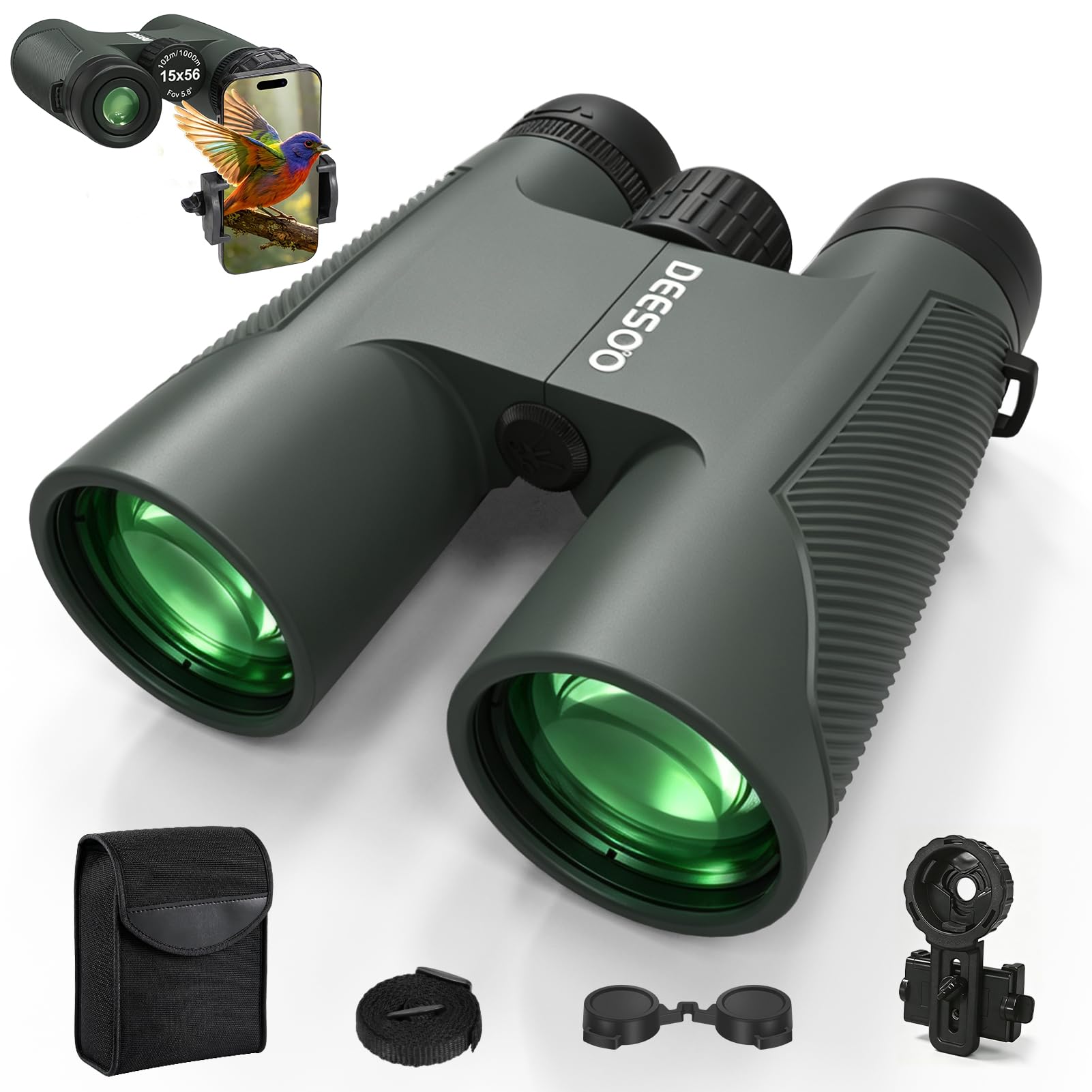
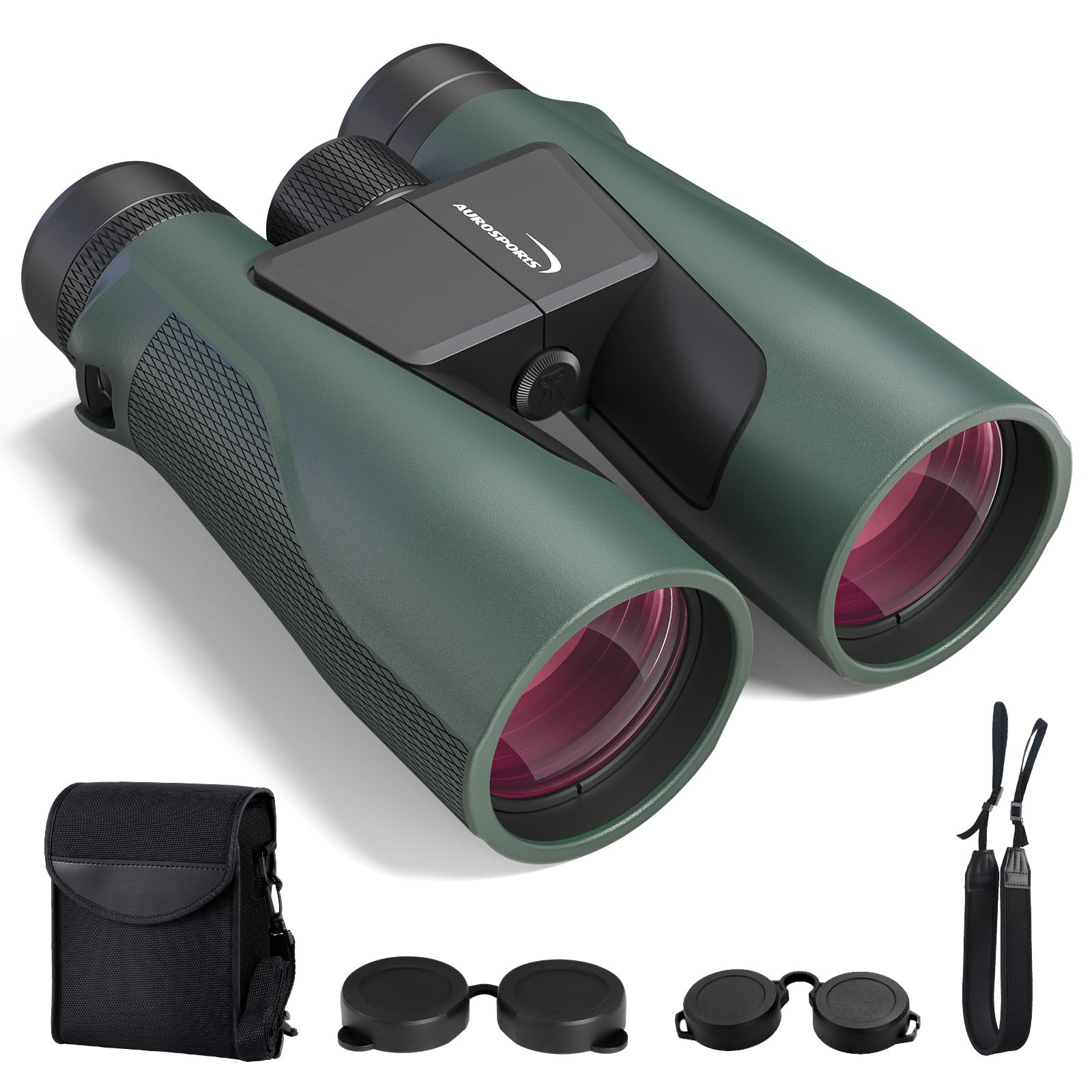
15x56 Binoculars 101: The Basics for First Time Buyers
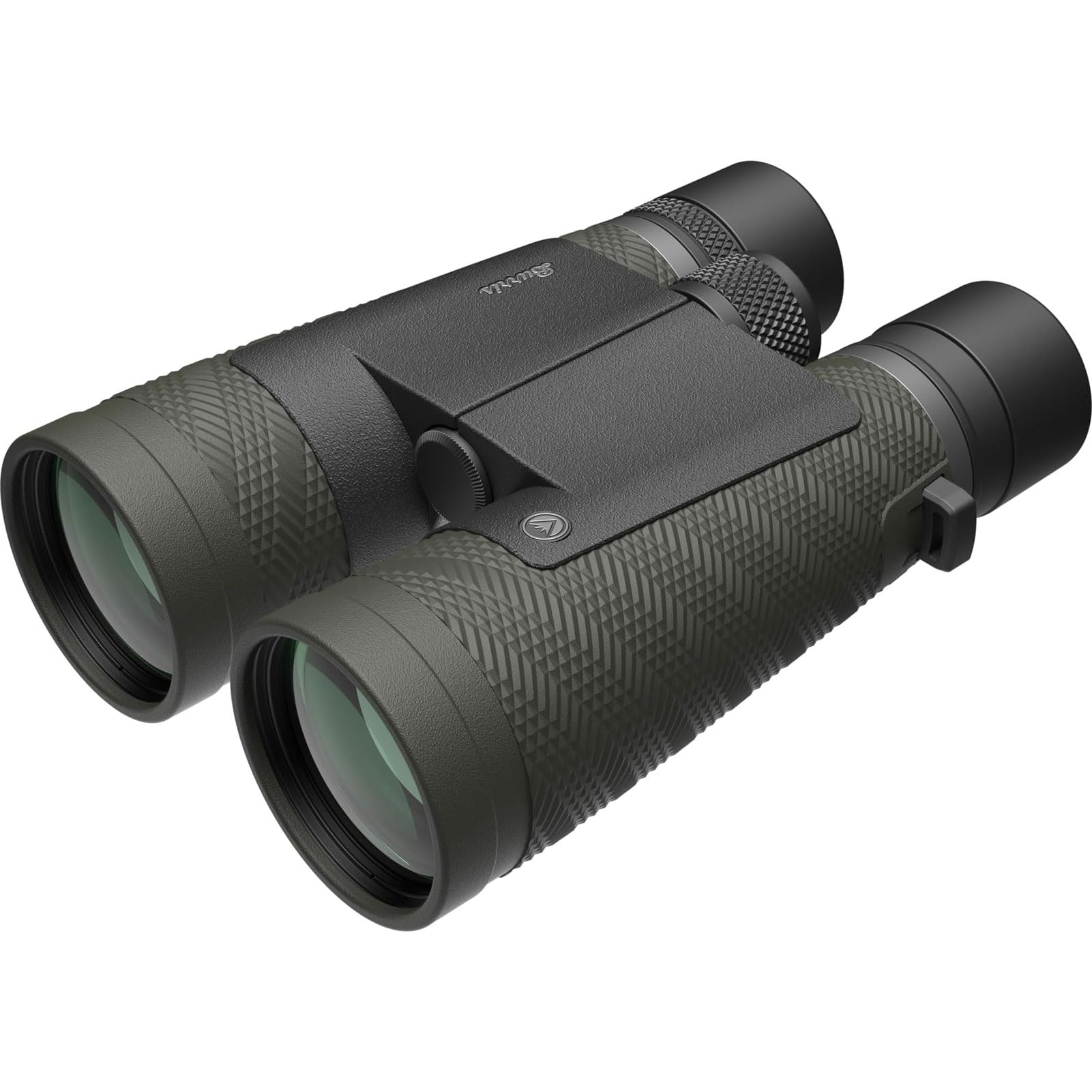
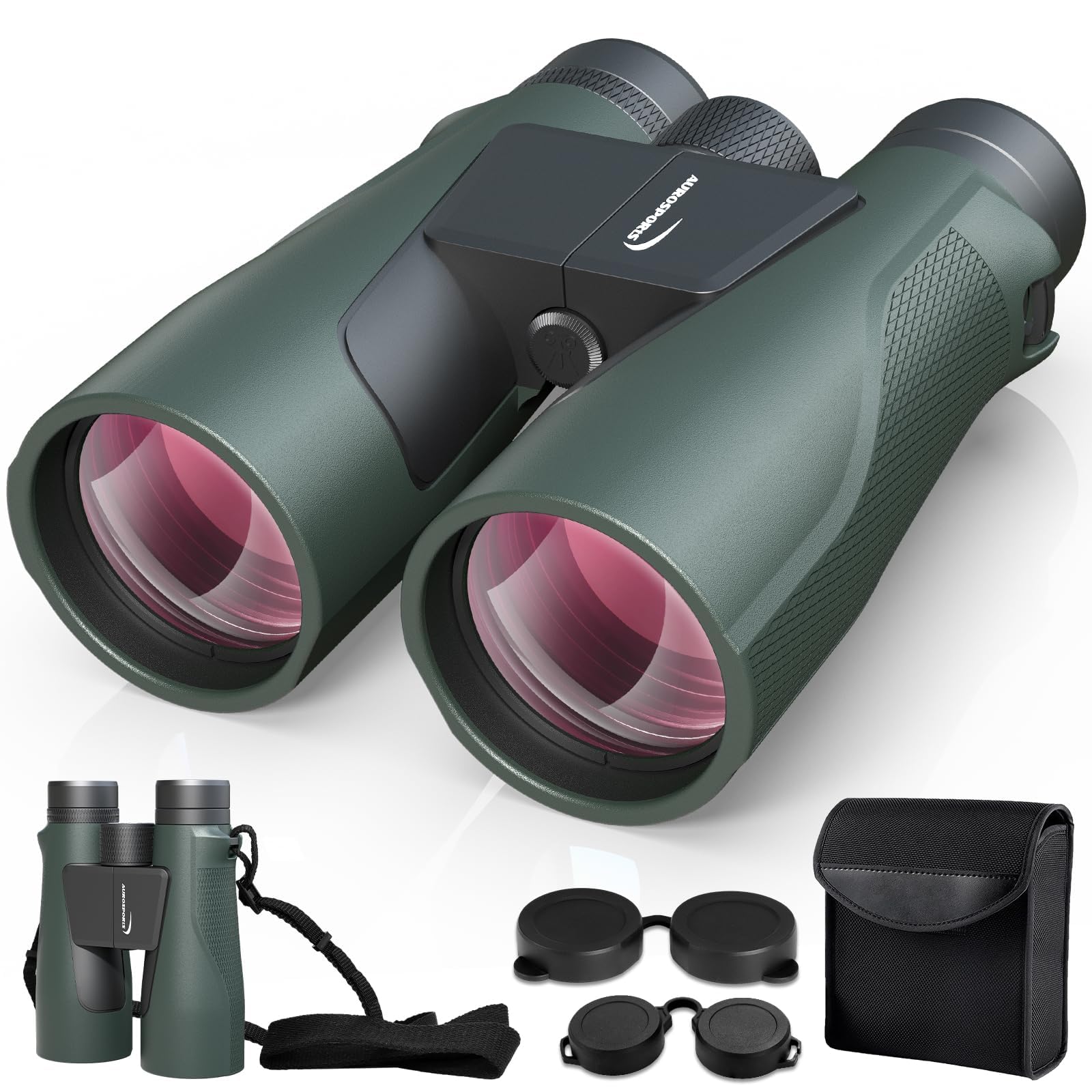
The first number, 15, is the magnification. A subject 150 yards away looks as if it were about 10 yards away, which helps you read detail on antlers, feathers or sails. The second number, 56, is the diameter of each objective lens in millimeters. A larger front lens gathers more light, and that matters most when the sun is low.
These are full size binoculars, built for reach and brightness rather than for a jacket pocket. Compact binoculars travel more easily, but they give up light at this power. For this format without a strict value limit, see our guide to the best 15x56 binoculars.
Who Should Buy 15x56 Binoculars for Strong Value?
Value in this size means paying for glass, steadiness and sealing before extras. The three groups below watch from a fairly fixed spot and need detail at distance, so they get the most from that trade.
Wildlife Watchers Who Sit and Study Distant Animals
You watch elk across a meadow, shorebirds across mud or whales from a headland, often for many minutes. A 15x56 on a tripod holds that view without arm strain, and the large lenses help you separate color and shadow at dusk. Choose a model with a tripod adapter included, since that part protects the value of the purchase.
Hunters Who Glass Open Country on a Careful Budget
You glass ridges and field edges from a seated position, and you need to judge an animal before you move. Reach matters more than a wide view here, and good low light output adds useful minutes at dawn. For value in other hunting sizes, see our guide to the best hunting binoculars for the money.
New Astronomy and Shoreline Watchers Who Want Reach First
You want to split close double stars, follow ships or scan cliffs without buying a telescope or a spotting scope. A 15x56 gives you both eyes and a setup you can learn in one evening. Pick a comfortable harness and steady support over costly extras, because comfort decides how long you stay outside.
Key Features of the Best 15x56 Binoculars for the Money
Compare these points in order. When you compare the best 15x56 binoculars for the money side by side, glass quality and a steady mount should outrank small extras such as fancy cases or strap upgrades.
Magnification and Shake at 15 Power
At 15 power, every small hand movement grows along with the image. You will see more detail than at 10 power, but also more wobble when you stand or when wind hits the barrels. Most owners get the best value by planning on a tripod or a solid rest from the start. If you will only watch while standing, a lower power will likely serve you better and cost less.
Objective Lens Size, Exit Pupil and Low Light Output
Divide 56 by 15 and you get an exit pupil of about 3.7 mm, the width of the light beam that reaches each eye. That beam is ample in daylight and still useful at dusk, though smaller than the beam from an 8x56 model. Lens coatings decide how much gathered light reaches your eyes, so a well coated 15x56 can look brighter than a poorly coated one.
Field of View and Close Focus for the 15x56 Format
Field of view is narrow at this power, often about 230 to 260 feet at 1,000 yards. That makes finding a moving bird harder, so locate the subject with your eyes first, then raise the binocular without looking down. Close focus is often about 12 to 16 feet, which suits feeder birds but not insects at your feet. For closer subjects, see our guide to the best 10x42 binoculars for the money.
Prisms, Lens Coatings and ED Glass in Value Models
Look for BaK 4 prisms rather than BK 7 glass, because BaK 4 gives a rounder and brighter view at the edges in this price range. Phase coating keeps contrast stronger, and full multi coating cuts glare on water and snow. ED glass, short for extra low dispersion glass, reduces color fringes around bright edges. It is worth paying for against sky or water, and easier to skip in shaded woods.
Eye Relief, Eyecups and Fit for Glasses Wearers
Eye relief is the distance your eye can sit from the rear lens while still seeing the full view, and glasses wearers usually need about 17 to 19 mm or more. Twist up eyecups let you set that distance and hold it in place. Try the fit with your actual glasses, since short relief cuts the view into a tunnel. A focus wheel you can reach with one finger also helps when your other hand holds a tripod leg.
Weight, Tripod Mounting and Weather Sealing
Most 15x56 models weigh about 38 to 48 ounces, before a harness or adapter adds more. That weight calms small movements, but it tires your neck during a long hold, so a wide harness strap is a smart low cost upgrade. Choose a weatherproof body that is waterproof and fogproof with nitrogen purged barrels, plus rubber armor against knocks. Check for a tripod thread under the center cap, because some value models need a separate adapter.
Getting Started: Setup and First Use for 15x56 Binoculars
Set the distance between the barrels to match your eyes, then move the barrels until the two circles merge into one image. Focus the left eye with the center wheel, then focus the right eye with the diopter ring alone, and mark that setting. Mount the binocular on a tripod before your first long session and practice slow pans across a ridge or the Moon.
Slow pans teach you how the narrow view behaves. If you hunt and need a distance reading built into the binocular itself, see our guide to the best rangefinder binoculars for the money instead of adding a separate unit later.
Common Mistakes to Avoid
First time buyers in this size lose value in predictable ways.
- Buying 15 power for handheld use only leaves you with a shaky view that hides the detail you paid for.
- Choosing the cheapest glass without phase coating gives flat contrast that makes distant animals blend into brush.
- Ignoring eye relief while wearing glasses cuts off the edges of the view and causes eye strain.
- Skipping a tripod adapter at checkout adds a second order and delays your first steady session.
- Storing the binocular in a hot car trunk ages the seals and can fog the internal glass over time.
Care and Maintenance for 15x56 Binoculars
Clean the lenses only when dust or marks affect the view. Blow loose grit off first, breathe lightly on the glass, and wipe in small circles with a clean lens cloth, since grit dragged across a coating can leave fine scratches. Never use a shirt or a paper towel, because both can carry grit.
Wipe salt spray or mud off the body with a damp cloth, dry the barrels, and store the binocular in its case in a cool and dry room. Check the hinge, focus wheel and eyecups each season for looseness. If internal fog stays, contact the maker for service rather than opening the barrels, because opening them breaks the gas seal that keeps fog out.
Frequently Asked Questions
Are 15x56 binoculars good in low light for first time buyers?
Yes, 15x56 binoculars perform well in low light for their price, thanks to large front lenses. Their exit pupil suits dawn and dusk better than full darkness, when your pupils open wider than the beam. For the last minutes of light, rest the binocular steady, because shake wastes more detail at dusk than a small gap in brightness does.
How much should a first time buyer spend on 15x56 binoculars?
Most first time buyers should plan on about $200 to $500 for 15x56 binoculars that will last. Below that range, coatings and prism quality often drop in ways you can see at the edges. Above it, gains turn smaller. Keep about $30 to $60 aside for a tripod adapter and a harness, since those parts unlock the power you already bought.
What specs matter most when buying 15x56 binoculars on a budget?
Glass coatings and prism type matter most when buying 15x56 binoculars on a budget. They shape contrast and brightness on every view, while small extras shape only comfort. After glass, check that a tripod thread is present and that eye relief fits your glasses. A heavier model with better glass usually gives more lasting value than a lighter model with plain glass.
What do binocular numbers like 10x42 mean compared with 15x56?
In binocular numbers such as 10x42, the first number is magnification and the second is front lens size in millimeters. A 10x42 gathers less light and shows a wider view, while a 15x56 reaches farther and feels steadier on a mount. One useful check is a five minute hold. A short hold in a store can feel fine, while a long watch reveals the true cost of the size.
Can a smartphone camera replace 15x56 binoculars for distant viewing?
No, a smartphone camera cannot replace 15x56 binoculars for long and comfortable distant viewing. Phone zoom crops and enlarges a small image, so fine detail on feathers or antlers breaks down sooner. A phone also limits you to one eye and a bright screen that harms your night vision. Use the phone to record a sighting after you find it, and use the binocular to study the subject first.
Wrapping Up
Judge this size by three points first: steady support, honest glass and a fit that works with your eyes and glasses. Match those points to your main outing, then use the product table to confirm weight and price before you order.
Chosen with those checks, the best 15x56 binoculars for the money give you reach and brightness smaller models cannot match at this cost. Take time with setup on day one, and the view will reward you for years.