Best 15 Lb Weighted Blankets (2026): Buying Guide
Disclosure: We may earn a commission when you buy through links on this page, at no extra cost to you. As an Amazon Associate I earn from qualifying purchases. Learn more

What to check before you buy the best 15 lb weighted blanket: fill, fabric and temperature, and which type fits your home.
A 15 lb weighted blanket sounds simple until you start shopping. Two blankets can share the same weight and feel completely different, because the fill, the fabric, and the way the weight is spread all change how that pressure lands on your body. Pick the wrong build and you may end up too warm or fighting sliding fill. Choosing the best 15 lb weighted blanket is really about matching construction to the way you sleep.
This guide compares the main types of 15 lb blankets on comfort and support, materials and certifications, and temperature regulation. Use the comparison table below to see how the types differ, then read on for sizing guidance, care steps, and the mistakes that lead to returns.


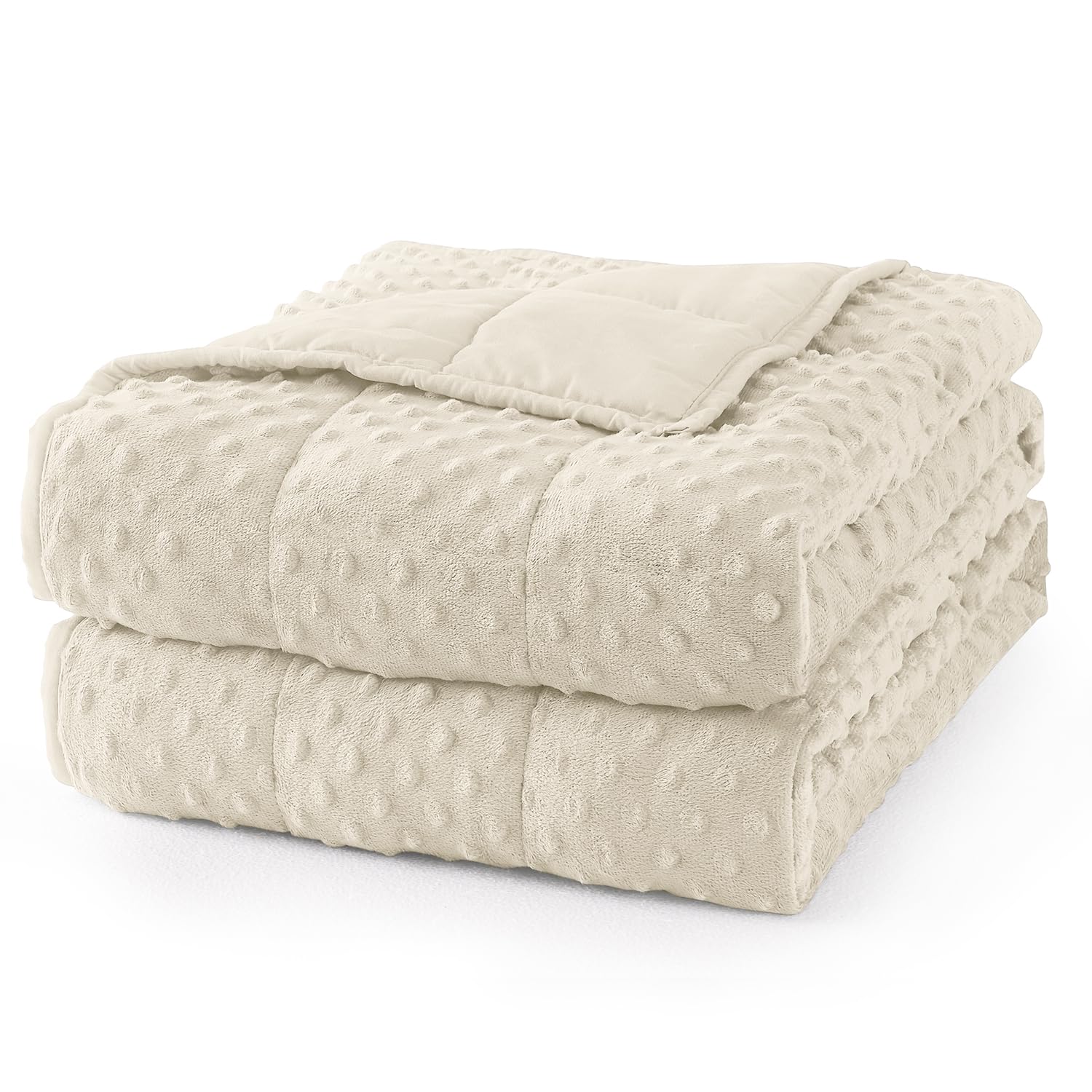
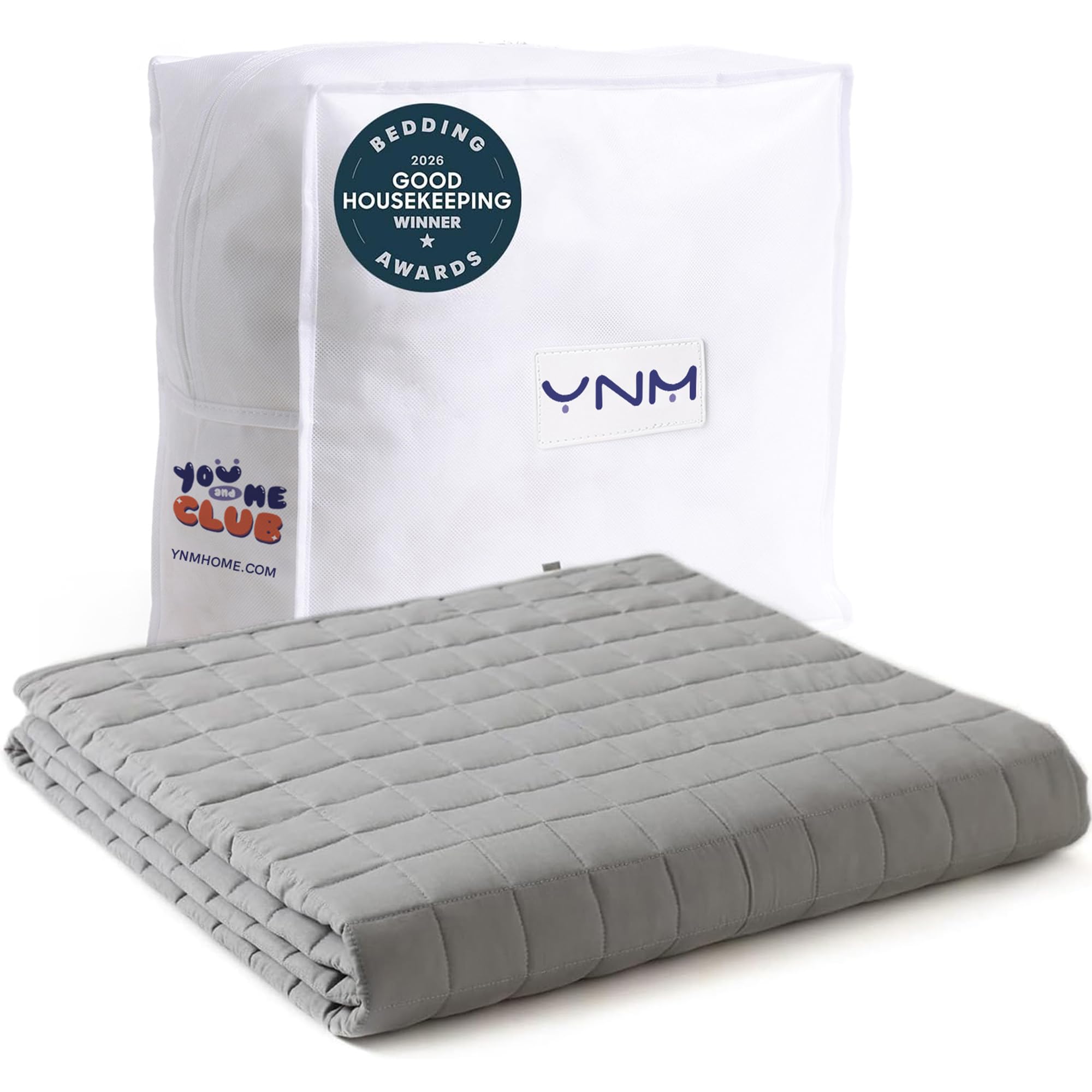


Types of 15 Lb Weighted Blankets Compared
Because no single build suits every sleeper, it helps to think in types rather than in brand names. The three builds below cover most of what you will find at this weight, and each trades warmth, texture, and upkeep in a different way. If you want the broader picture first, our guide to the best weighted blanket covers every weight class.
Quilted blankets with glass bead fill
This is the most common build. Tiny glass beads sit inside small stitched pockets, and the pocket grid keeps the weight spread evenly when you shift during the night. The feel is smooth and close, with gentle pressure that follows the shape of your body. These blankets usually cost less than other types and pack down small for storage. The trade off is warmth, because the layered shell traps heat, and a torn pocket can leak beads.
Knitted weighted blankets
A knitted blanket gets its weight from thick yarn loops instead of loose fill, so there is nothing inside that can shift, clump, or leak. Air moves through the open weave, which makes this type a cooler option for people who run warm but still want steady pressure. The texture looks more like a throw. Expect a higher price and a bulkier fold.
Cooling blankets with breathable shells
Cooling models pair a bead or pellet fill with a shell fabric chosen to release heat, such as bamboo derived viscose or a smooth synthetic weave that feels cool at first touch. They suit warm rooms and hot sleepers who found standard models stifling. The cool touch fades once the fabric warms to your skin, so the real gain is steady airflow rather than a chilled feel all night. For more options in this style, see our roundup of the best cooling weighted blanket models.
How to Evaluate a 15 Lb Weighted Blanket
Whatever type you lean toward, judge it on the same five points. Comfort and support come first: the pressure should feel even, with no heavy ridge across your chest or bare spots at the edges. Materials and certifications come next, covered in detail below. Then weigh temperature regulation against your room and your body heat. Durability shows up in stitching quality and seam strength. Last, check the trial period and warranty.
How to Choose the Right Weighted Blanket
Size and form factor
Weight and size are separate choices. A 15 lb blanket often comes in a throw size around 48 by 72 inches, or in larger bed sizes that spread the same weight over more area. A bigger blanket feels lighter per square inch, because the pounds are shared across a wider surface. For one sleeper, a throw size that covers your body without hanging far off the bed keeps the pressure focused and stops the blanket from sliding onto the floor.
Fill and construction types
Beyond the three builds above, you will see plastic pellets, steel shot, and sand used as fill in some models. Glass beads are the most common because they are dense, so the blanket stays thinner while still reaching 15 lb. Whatever the fill, pocket size matters more: smaller pockets, roughly 4 to 5 inches across, hold the weight in place better than large ones.
Features worth paying for
The feature that earns its cost most often is a removable cover. A cover takes the washing wear instead of the weighted insert, and it lets you swap a warm flannel cover for a lighter cotton one with the seasons. Look for ties or loops inside the cover that fasten to the insert, because an untied insert bunches into one corner by morning. Zippers should sit flat inside a fabric flap so they do not scratch skin or snag bedding.
Sleep position and body type
Back sleepers usually adapt fastest, since the weight rests evenly across the torso and legs. Side sleepers should check that the blanket drapes into the curve at the waist instead of bridging over it, which leaves a gap where pressure disappears. Stomach sleepers often prefer the lighter end of their weight range.
Materials and certifications
Shell fabrics range from cotton and bamboo derived viscose to minky polyester with a raised dot texture that many people find soothing to touch. If foam padding is part of the design, look for a label showing the foam was certified for content and emissions by an independent program. Fabric labels from recognized textile testing programs mean the cloth was checked against a list of harmful substances.
Cooling and breathability
Heat is the top reason people abandon a weighted blanket, so think about your whole sleep setup, not just the blanket. A breathable shell helps, but a heavy duvet over the top cancels the benefit. In a warm room, use the weighted blanket as your only layer. Knitted and open weave builds move the most air, while dense bead blankets with padded layers hold the most heat.
Trial period and warranty
Most people need at least a week of nights to judge whether the pressure helps or annoys them, and the first two or three nights often feel strange even when the fit is right. A trial of 30 nights or more gives you time to get past that adjustment window. Read the return terms before ordering, since return shipping for a 15 lb parcel can cost real money if it is not prepaid.
How much should you spend?
Under about $50, expect a basic quilted bead blanket with a simple shell and no removable cover; this tier is fine for trying the concept. From about $50 to $100, stitching improves, covers appear, and fabrics feel softer. From about $100 to $200, you will see knitted builds, certified fabrics, and longer trials. Spending more does not guarantee better sleep, so put your money toward the build that fits your temperature needs first. Our wider guide on how to choose a weighted blanket covers budgets for other weights too.
Is a 15 Lb Weighted Blanket the Right Weight for You?
The common rule of thumb is to choose a blanket near 10 percent of your body weight. On that basis, 15 lb suits a sleeper who weighs roughly 130 to 170 lb, with the middle of that range feeling the most balanced. Someone lighter may find the pressure tiring across the chest over a full night, while someone heavier may feel the blanket is barely there and prefer 20 lb. If you fall between sizes, choose 15 lb if you dislike feeling pinned, and size up if you like firm pressure.
Safety matters more than the rule. A user must be able to lift and remove the blanket on their own, so this weight is not suitable for young children or for anyone who cannot move it off their body. People with breathing conditions, sleep apnea, or circulation problems should talk with a clinician before using one, and anyone who feels short of breath or in pain under the blanket should stop using it and seek medical advice if those feelings continue. Our guide to the best weighted blanket for adults covers adult sizing in more depth.
Common Mistakes to Avoid
- Buying by weight alone. A 15 lb label says nothing about pocket size or fabric, and a poorly divided fill feels lumpy even at the right weight.
- Choosing a bed size blanket for one sleeper. Oversized blankets spread the pressure thin and slide off the mattress edge, pulling the weight onto the floor.
- Layering it under a heavy duvet. Extra bedding on top adds heat and uneven pressure, which ruins the even feel you paid for.
- Giving up after one night. The sensation is new for your body, and judging it before a week of use leads to returns a slower trial would have avoided.
- Ignoring the care label. A blanket that needs dry cleaning but gets machine washed can end up with burst seams and loose fill.
- Sharing with a much lighter partner. One blanket cannot match two very different body weights, so one of you ends up with the wrong pressure.
How to Care for a 15 Lb Weighted Blanket
Wash the removable cover on the same schedule as your sheets, since it takes most of the skin contact and sweat. The weighted insert needs washing far less often, a few times a year or when something spills. Before washing the insert, check its label and your washer capacity: the blanket must move freely in the drum, so a crowded load strains the seams. Use a gentle cycle with cold water and mild detergent, and dry on low heat or air dry flat. For step by step help with stains, see our guide on how to clean a weighted blanket. Between washes, shake the blanket out weekly and rotate it head to foot.
FAQ
What size weighted blanket do I need if I weigh 150 lb?
At 150 lb, a 15 lb blanket lands right on the common 10 percent guideline, so this weight is the standard pick for you. Focus your choice on dimensions instead: a throw near 48 by 72 inches keeps the pressure concentrated on one sleeper. If you are tall, look for extra length so the blanket covers your feet.
How long does a weighted blanket last?
A well made blanket usually lasts about 3 to 5 years of nightly use before the shell fabric thins or the stitching around the pockets starts to give way. You can stretch that lifespan by using a cover full time, because the cover absorbs friction from washing. Replace the blanket when you find leaking fill, torn seams you cannot repair, or pockets that stay empty no matter how you shake them.
Is a weighted blanket worth it for restless sleepers?
It can be, if your restlessness comes from a habit of tossing and turning rather than from pain or a medical condition. Many restless sleepers say the steady pressure gives their body a settled feeling that helps them stay in one position longer. Results vary widely, though, and no blanket fixes restlessness caused by an uncomfortable mattress. If anxiety is part of your restlessness, our guide to the best weighted blanket for anxiety looks at that use in more depth, and persistent sleep problems are worth raising with your doctor.
Can two people share a 15 lb weighted blanket?
Sharing works only in a narrow case: both partners weigh close to the same amount and both like light pressure. A queen size 15 lb blanket spreads its weight so widely that each person may feel only a gentle layer rather than real pressure. Most couples end up happier with two separate throw size blankets, one matched to each body weight.
How do you wash a 15 lb weighted blanket in a home machine?
First confirm the care label allows machine washing, then weigh the blanket on a bathroom scale to be sure your washer is rated for the load. Wash it alone, because adding other items unbalances the drum. If your machine is small, a laundromat machine built for bulky loads is the safer choice and protects the seams.
Final Thoughts
The right choice comes down to three checks: the weight matches your body, the build matches your temperature, and the care routine matches your habits. Get those right and the best 15 lb weighted blanket for you becomes a simple comparison between a quilted bead model, a knitted model, and a cooling model. Look back at the product table above to compare the types once more, and give whichever you choose a full week of nights before you judge it.