Best 12 Lb Weighted Blanket (2026): How to Choose
Disclosure: We may earn a commission when you buy through links on this page, at no extra cost to you. As an Amazon Associate I earn from qualifying purchases. Learn more

A practical guide to the best 12 lb weighted blanket: what matters, what to skip and how to avoid common buying mistakes.
Choosing a weighted blanket gets confusing once weight, size, and fabric all change at once. A 12 lb model sits in a useful middle ground, heavy enough to feel settled and secure, yet light enough for many adults to move through the night. If you want the best 12 lb weighted blanket for your bed, start with your body weight, your sleep position, and how warm you sleep. The comparison table below lines up the main types so you can spot the differences quickly.
This guide compares the three main constructions in this weight and helps you decide whether 12 lb is the right load for you.

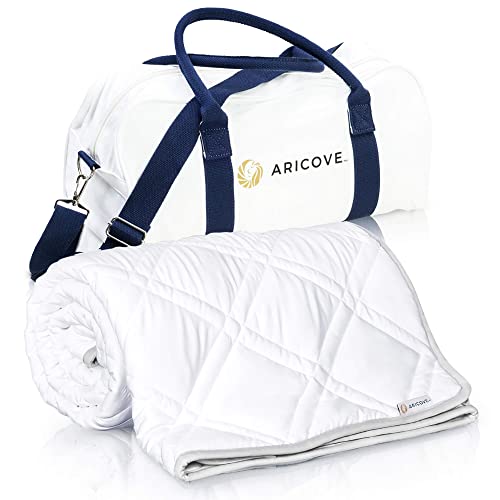
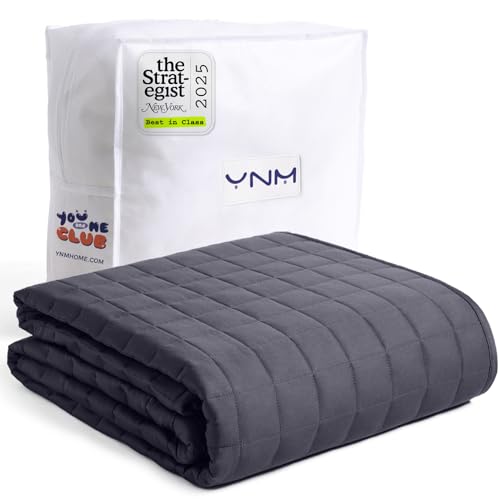
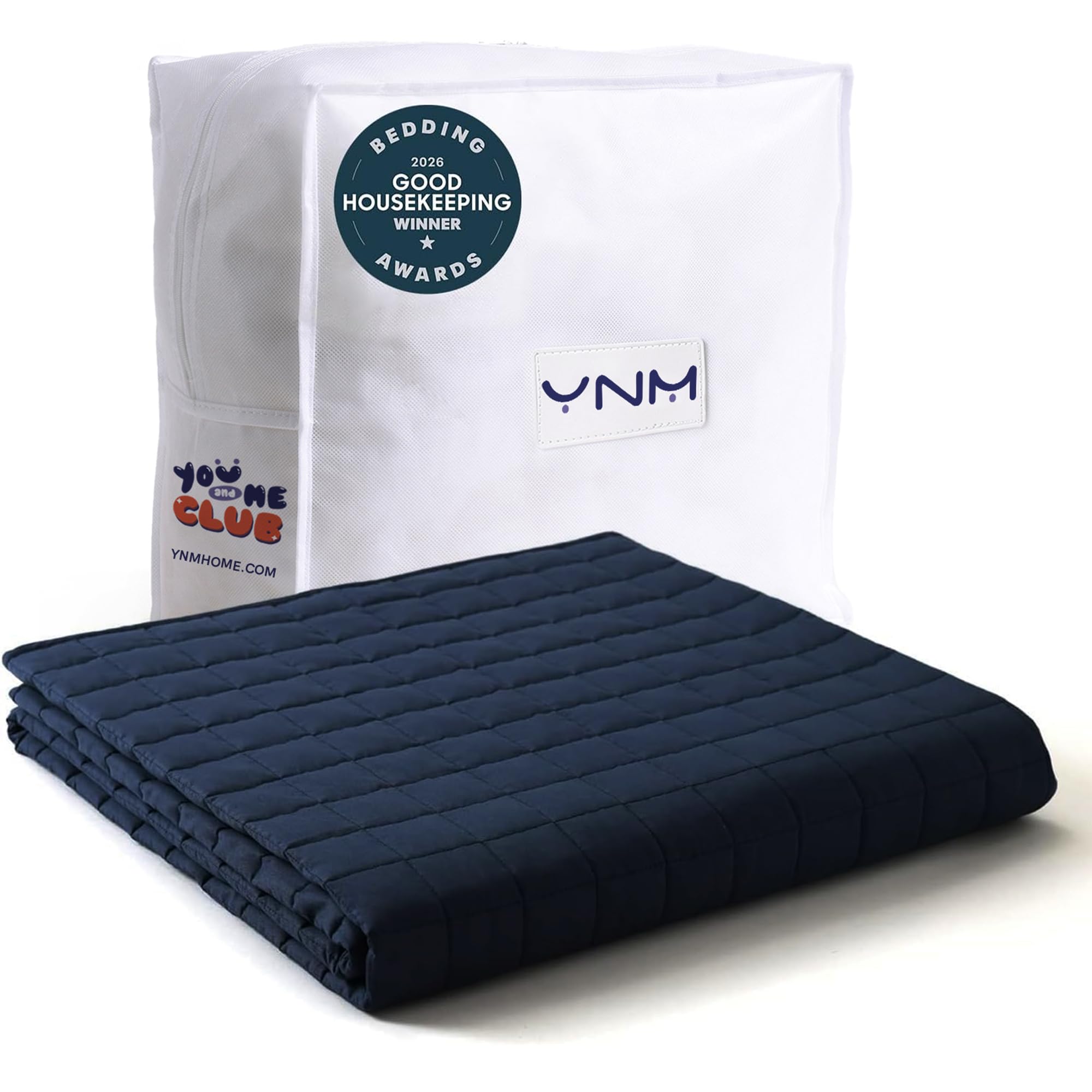


Types to Compare at a Glance
Most 12 lb blankets fall into three broad types, and the type matters as much as the weight itself. A quilted blanket filled with fine beads spreads its load in small stitched pockets. A knitted blanket builds its weight from thick yarn loops, with no loose filling inside. A cooling style pairs a bead filling with a breathable cover fabric that feels cool to the touch.
- Quilted bead filled: the most common and usually the most affordable type, with weight held in a grid of small pockets.
- Knitted: weight comes from the yarn itself, so it drapes in soft loops and lets more air pass through the open weave.
- Cooling cover styles: bead filled cores wrapped in fabrics chosen to feel less warm, aimed at people who overheat at night.
Our guide to the best weighted blanket covers the full range of weights and styles if you are still weighing up the wider category.
How to Compare Blankets in This Weight
Compare any 12 lb options on the same short list of factors. Look first at comfort and support, meaning how evenly the weight sits on your body with no pooling at the edges. Next check materials and any safety certifications listed by the maker, then temperature regulation, which decides whether you stay comfortable past the first hour. Round out your comparison with stitching or knit durability, and the trial and warranty terms.
Judge claims against the maker specifications on the product page, since blankets that look identical in photos can differ in stitching or cover fabric.
How to Choose the Right Weighted Blanket
Size and form factor
Weight and dimensions are separate choices, and both need to fit you. A blanket for one person is usually sized to rest on top of the bed rather than hang over the sides, because overhang pulls weight off your body and onto the mattress. Throw sizes suit a sofa or a single sleeper, while larger queen and king panels spread the same 12 lb over more area, so the pressure feels lighter. If you share a bed, two smaller blankets often work better than one wide one, since each person gets a load matched to their own body.
Type
The construction decides how the blanket feels and how air moves through it. Bead filled quilts feel smooth and uniform, and the filling stays put when the pocket grid is small and tightly stitched. Knitted styles feel more like a heavy throw, with a looped texture and open gaps that suit warm rooms. Chunky knit versions use very thick yarn for a bold look and a softer drape. Covers in bamboo derived fabric or cotton feel different again, and the cooling section below covers temperature in more depth.
Features worth paying for
The feature most worth paying for in this weight is a removable cover. A cover takes the washing load, protects the core from spills and skin oils, and lets you swap fabrics with the season. Look for covers that attach to the core at several points inside, because a cover tied only at the corners lets the heavy inner layer bunch up and slide. Ties or loops at regular intervals keep the two layers moving as one.
Sleep position and body type
Your sleep position changes how 12 lb feels. Back sleepers get the load spread across the torso and legs, the most even and forgiving arrangement. Side sleepers feel more pressure on the shoulder and hip that carry their weight, so a softer construction that folds around the body usually feels better than a stiff panel. Stomach sleepers should be cautious, since added weight on the back can make breathing feel harder work. Anyone who cannot lift or move a blanket off themselves should choose a lighter weight or skip this product entirely.
Materials and certifications
Common fillings include tiny glass beads, plastic pellets, and steel shot, and glass beads are popular because they pack a lot of weight into a thin layer. Shell fabrics range from cotton to polyester blends and plant derived fibres, each with a different feel and washing routine. When a maker lists a recognised textile safety certification, it tells you the fabrics were checked for harmful substances under that scheme. Check that any certification named applies to the exact blanket you are buying, and treat vague claims with no scheme name as marketing rather than proof.
Cooling and breathability
Twelve pounds of fabric and filling will always add warmth, so cooling claims need a closer look. Airflow improves when the weave is open, as in knitted styles, or when the cover pulls moisture away from the skin instead of trapping it. Dense bead filled quilts with thick covers sit at the warmest end. If you sleep hot, our guide to the best cooling weighted blanket explains which fabrics stay comfortable in warm rooms.
Trial period and warranty
Sleeping under load takes a few nights to get used to, so a trial period of several weeks matters more than a short try in a shop. Read the return conditions before you buy, including who pays for return shipping on a heavy parcel. Warranty cover usually applies to defects in stitching, leaking filling, and broken cover fastenings. Keep your proof of purchase, and photograph any defect as soon as you notice it.
How much should you spend?
Prices in this size vary widely, and the gaps mostly reflect fabric and construction rather than weight. Basic quilted models often sit under $50, a sensible way to learn whether you like sleeping under extra weight. Models at about $100 to $200 usually add a removable cover, neater pockets, and better fabrics. Above that level you mostly pay for knitted construction, premium natural fibres, and longer trial terms. Spend more only when an upgrade solves a problem you actually have.
Is a 12 Lb Weighted Blanket the Right Size for You?
The usual starting guide is to choose a blanket close to ten percent of your body weight. On that basis, 12 lb suits someone who weighs roughly 120 lb, with a little room either side for personal preference. People well above that weight may find it too light to notice, while smaller adults may find it plenty.
- Adults near 120 lb: the clearest match, especially back sleepers who want steady pressure.
- People new to weighted blankets: a moderate load lets you test the sensation before committing to a heavier size.
- Couples with different body weights: one blanket per person keeps each load personal and stops tug of war over a shared panel.
For sizing across all weights, see our notes on how to choose a weighted blanket, and our guide to the best weighted blanket for adults covers heavier sizes for larger bodies. Weighted blankets are not for young children, for anyone who cannot remove the blanket on their own, or for people with breathing or circulation conditions unless a clinician says otherwise. Stop using one and talk with a doctor if you feel short of breath, trapped, or unusually hot, or if new pain or numbness appears.
Care and Cleaning Basics
The weighted core is the part you must protect. Many cores are spot clean or hand wash only, because a heavy wet blanket can strain a home machine and stress its own seams. A removable cover is therefore the part you wash often, following its care label. Dry the core fully before reuse, since trapped moisture adds smell and can damage filling. Our step by step guide to how to clean a weighted blanket covers machine limits, drying methods, and stain care in detail.
Check pocket seams and cover ties often, and repair a small split early.
Common Mistakes to Avoid
- Buying by bed size alone: weight should follow the sleeper, not the mattress, so a bed matched panel can be far too heavy or too light for your body.
- Letting the blanket hang over the edges: overhang drags load off your body and can pull the blanket onto the floor at night.
- Ignoring the washing routine: a core that needs careful hand washing will not suit a home that needs frequent, easy laundry.
- Sharing one blanket between two different sized people: one of you ends up with a load that suits neither body well.
- Expecting a medical result: a blanket can feel calming, but it is not a treatment for anxiety, insomnia, or any other condition.
FAQs
What is the best 12 lb weighted blanket?
It depends on how warm you sleep and whether you want a cover. For most buyers, a quilted bead filled model with small pockets and a removable cover is the safest starting point, because it spreads weight evenly and washes easily. Choose a knitted style instead if airflow matters more than a smooth surface. Match the type to your room temperature and laundry habits first.
What size weighted blanket do I need?
Start from your body weight rather than your mattress, then check the panel dimensions against the top of your bed. A personal blanket should cover you from about the shoulders to the feet without much spare fabric spilling over the sides. For a restless sleeper who rolls a lot, a slightly wider panel helps the blanket stay in place, even though the weight per area drops a little.
How long does a weighted blanket last?
A well made blanket should give you several years of nightly use before the filling clumps or the seams tire. The earliest sign of age is uneven weight, where beads gather in a few pockets and others feel empty. Delay that wear by rotating the blanket end to end each week, so the same pockets are not always carrying the fold points. Retire it once filling leaks, because loose beads are a hazard for children and pets.
Is a weighted blanket worth it?
It is worth it if you already relax under steady pressure, for example under a heavy duvet in winter. It is a poor buy if you dislike feeling tucked in tightly or you kick covers off at night. Try the idea cheaply first by sleeping under your heaviest existing blankets for a few nights. If you wake up seeking that feeling rather than escaping it, a 12 lb purchase is a reasonable next step.
How do you clean a weighted blanket?
Begin by removing the cover, since that layer collects most sweat and dust and is designed for regular washing. For the core, brush off surface dust outside and treat marks with a damp cloth and mild detergent, then let it dry flat and fully before use. One point many owners miss is drum capacity: a soaked blanket weighs far more than its dry weight, so check your machine limit before any core goes near it.
What is the most reliable weighted blanket brand?
No single brand owns reliability in this category, so judge makers on evidence instead of name. Reliable sellers state the filling, the exact dimensions, and the total weight clearly, and publish warranty terms you can read before buying. Look for consistent recent buyer reports about seams holding and weight staying even, and be wary of listings that hide the filling type. A maker that sells spare covers for its own blankets is also a good sign, since it expects the core to outlast the fabric.
Final Thoughts
Twelve pounds is a sensible middle load: meaningful pressure for adults near 120 lb, without the handling burden of the heaviest sizes. Choose your type by temperature, add a removable cover if you can, and give yourself a few weeks to adjust. The product table above pulls the key specifications together, so use it to confirm dimensions and cover details before you order the best 12 lb weighted blanket for your bed.