Best 15 Inch Gaming Laptops: Matching the Right Model to Your Routine for 2026
Disclosure: We may earn a commission when you buy through links on this page, at no extra cost to you. As an Amazon Associate I earn from qualifying purchases. Learn more

A buying guide to the best 15 inch gaming laptops, matching display, graphics, processor, RAM, and battery advice to your routine and budget.
The 15 inch size sits in a sweet spot for gaming, large enough for an immersive screen and a full keyboard, yet still able to fit in a normal backpack. Even so, the right configuration depends entirely on your routine. This guide to best 15 inch gaming laptops matches each type of buyer to the display, graphics, and battery choices that fit, so you spend on performance you will actually feel.
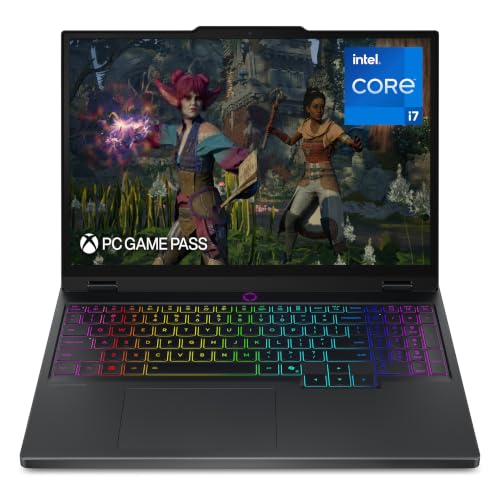
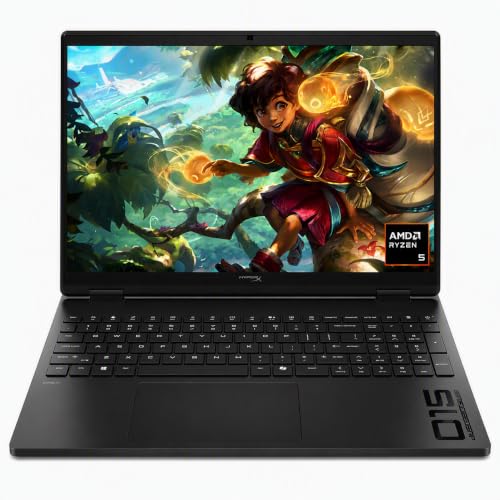
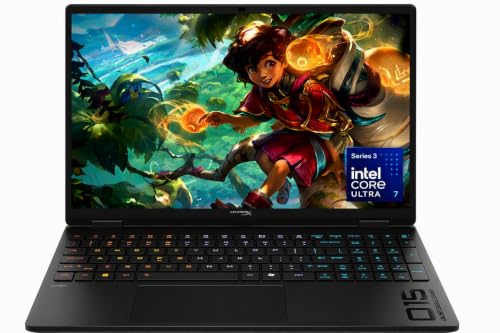
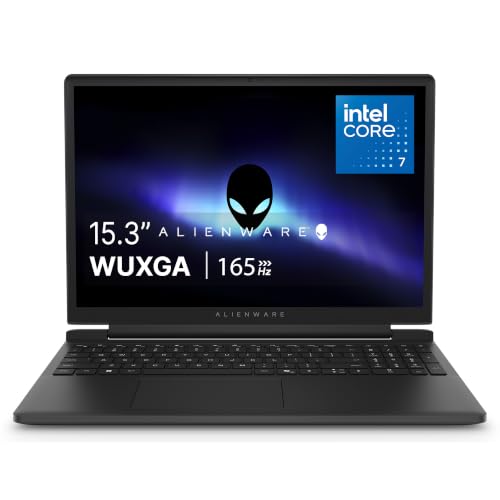
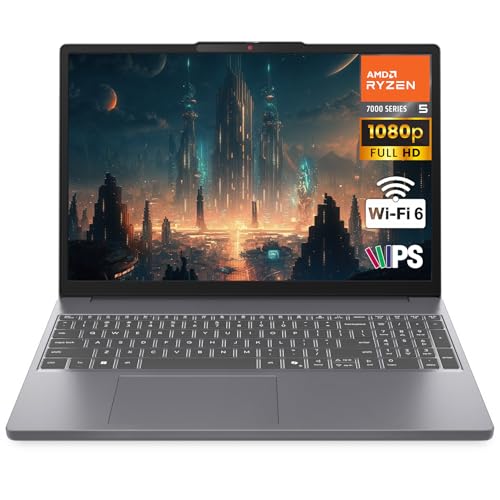
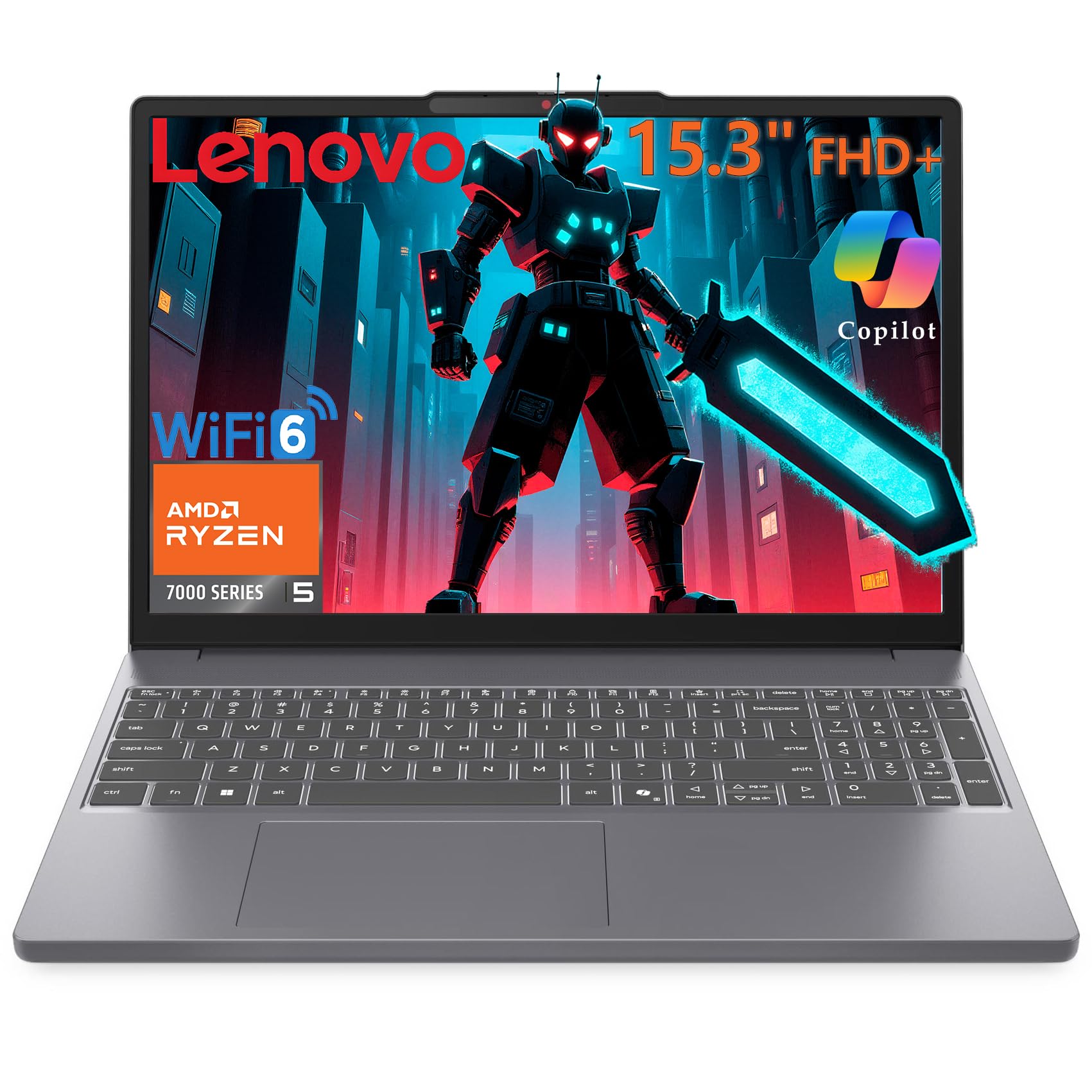
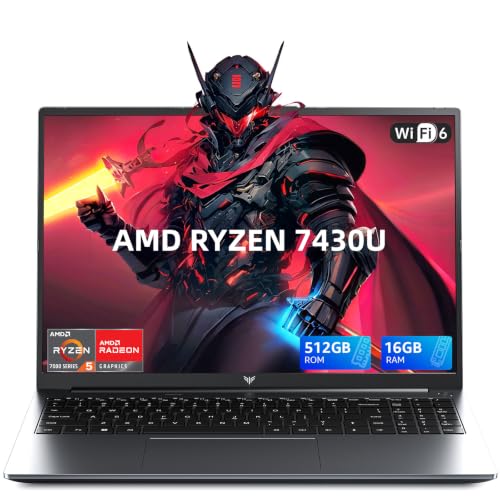
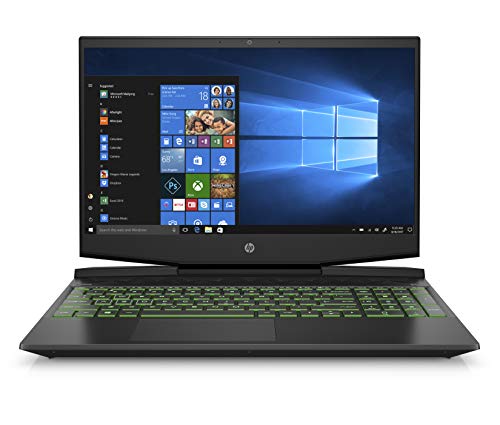
The product table below lets you scan the core specifications quickly. Keep your main use in mind as you compare, because a machine built for daily travel and one built for a fixed desk setup make very different tradeoffs, even at the same price.

Who Should Buy Which 15 Inch Gaming Laptops?
Most buyers fall mainly into one group below, even if they game in several ways. Your group decides whether graphics power, weight, or battery life should get the largest share of your budget. Getting this order right matters more than any single specification.
For Gamers and Power Users
You need strong graphics, effective cooling, and a fast display above all else. Look for a dedicated graphics card in a current generation, a processor with enough cores to feed it, and a screen with a refresh rate of 144Hz or higher plus a low response time. Storage speed affects loading, so choose a roomy SSD. Expect louder fans and modest battery life, because sustained performance is the point. If you play competitive titles, panel quality and a wired network option deserve extra attention.
For Travelers and Commuters
You need a gaming machine that does not punish you for carrying it. Aim for a slim model near four pounds, a compact USB C charger if the design supports one, and battery life that survives a train ride or a lecture. You may give up a little peak graphics power, but a slightly lower tier that you actually bring along beats a powerhouse left at home. A metal lid, a padded sleeve, and a keyboard that resists flex all help a machine survive daily movement.
When you shop for carrying gear, see our guide to the best backpacks for 15 inch laptops for padding and fit advice.
For Students and Everyday Users
You need a machine that handles classes all day and games at night without draining your budget. Prioritize battery life for lectures, a comfortable keyboard for essays, and graphics strong enough for popular titles at moderate settings. A campus warranty option and a weight you can carry between buildings matter more than chasing the highest frame counts. Choose 16GB of RAM and at least a 512GB SSD, since both are hard to forgive when they run short in your second or third year.
For Remote Workers and Creators
You need a reliable camera and microphone, a color accurate screen, and graphics that speed up video exports and photo work between gaming sessions. A gaming laptop gives you that power for less than many workstation models, but check fan noise on calls and the quality of the webcam. Ports for a monitor, a dock, and fast storage make a home desk setup simple. If clients see your work, display accuracy and a calm, professional looking design may matter as much as speed.
Best 15 Inch Gaming Laptops for Specific Needs
Budget changes what a sensible configuration looks like, so this section breaks the choice down by spending level. Each tier below explains what you gain, what you give up, and which compromises are safe. Prices shift with sales, so treat these bands as planning guides rather than fixed labels.
Best 15 Inch Gaming Laptops under 1000
Shoppers comparing best 15 inch gaming laptops under 1000 should expect capable 1080p play with sensible settings rather than maximum detail. Focus on a current dedicated graphics card, 16GB of RAM, and a fast refresh screen, and accept a plastic body and average battery life. Avoid older graphics generations sold at a small discount, because the performance gap is large. This tier suits popular competitive and older titles very well.
Best 15 Inch Gaming Laptops under 1500
Buyers looking at best 15 inch gaming laptops under 1500 gain stronger graphics, better cooling, and usually a brighter, more accurate display. This is the tier where higher resolution screens and faster storage become common, and where a machine can stay capable for several years. Put the extra money into graphics first, then display quality. It is the most balanced band for serious players who also use the laptop for work or study.
Best 15 Inch Gaming Laptops under 800
At the level of best 15 inch gaming laptops under 800, careful checking matters most. You may find entry level dedicated graphics or strong integrated graphics, 8GB of RAM that you should plan to upgrade, and a basic 60Hz or entry high refresh screen. Confirm the exact graphics chip before buying, since names can be confusing. This tier works for lighter games and older titles, and a good sale can make it genuinely good value.
Best Value 15 Inch Gaming Laptops
Readers searching for the best value in this size usually mean the best return for their money rather than the lowest sticker price. Judge value by cost over the years you will keep the machine, including a possible RAM or storage upgrade. A slightly pricier model with better cooling and a better screen often costs less per year of happy use. Watch seasonal sales, but buy the configuration you need rather than a discounted one that misses a key feature.
Key Features to Compare
Operating System
Windows is the default choice for gaming because nearly every PC game and launcher supports it first, and hardware choice is widest there. macOS does not offer true gaming laptops in this size and shape, and ChromeOS depends on streaming services for serious play, which adds delay and requires a strong connection. If gaming is the main purpose, stay with Windows and spend your decision energy on hardware. Your existing software for school or work may still influence the choice, so list must run programs before you buy.
Ports and Connectivity
A good port mix saves daily friction. Look for USB C for modern accessories and possible charging, HDMI for an external monitor or TV, and several USB A ports for a mouse, headset, and drives. An Ethernet port gives the most stable connection for competitive play and large downloads, though a USB adapter can fill the gap. WiFi 6E or WiFi 7 helps on a modern router. Place ports where cables will not fight your mouse hand, a detail spec sheets rarely mention.
If a larger screen suits your desk better, see our guide to the best 18 inch gaming laptops for how size changes cooling and weight.
Graphics (Integrated vs Dedicated GPU)
The graphics card is the single biggest factor in gaming performance. Integrated graphics share memory with the processor and suit light or older games, streaming, and everyday work. A dedicated GPU has its own memory and delivers the frame rates that make fast screens worthwhile, at the cost of heat, noise, and battery drain. Compare the exact chip and its power limit, because the same chip name can perform differently in a thin body versus a thick one with better cooling.
Processor and Performance Tier
The processor handles game logic, streaming, and everyday speed. Current Intel Core Ultra and AMD Ryzen chips in the performance tiers pair well with dedicated graphics, while entry chips can limit a strong GPU in busy scenes. For creators, more cores shorten video exports and large photo batches. For most gamers, a solid midrange to upper tier processor is enough, and money moved to graphics usually shows more benefit. Check that cooling can sustain the chip under load, not just boost briefly.
Battery Life in Real World Use
Expect gaming laptops to last far longer on documents and video than on games. Browsing and office work may give five to eight hours on efficient models, while demanding play unplugged can drain a battery in one to two hours and often reduces performance. USB C charging is handy for topping up at a desk, but the supplied charger delivers full gaming power. If you study or work away from outlets, battery size and an efficient processor deserve real weight in your decision.
Smaller machines are another route for portable play, and our guide to the best 13 inch gaming laptops explains the tradeoffs at that size.
Common Mistakes to Avoid When Buying 15 Inch Gaming Laptops
- Choosing on price alone and accepting an old graphics chip that struggles with current games.
- Ignoring the operating system and assuming every game or school program will run on any platform.
- Buying a heavy high power model for daily carrying, or an ultra thin model for long gaming sessions.
- Skipping warranty and return terms, especially for a machine you will push hard every day.
- Forgetting to budget for a mouse, a headset, and a suitable bag, which are part of the real cost.
Care and Maintenance Tips
Keep the operating system, graphics drivers, and firmware updated, since driver updates often improve game stability and performance. Avoid running at full charge all the time if the maker offers a charge limit for desk use, and play on a hard flat surface so the vents can breathe. Use a padded sleeve when commuting, and clear dust from the vents with gentle air every few months. Back up your game saves and important files, and monitor temperatures if a game suddenly runs slower than it used to.
For a step down in size that still games well, see our guide to the best 14 inch gaming laptops before you decide.
15 Inch Gaming Laptops: Your Questions Answered
How long should a 15 inch gaming laptop last?
A 15 inch gaming laptop should stay capable for about four to five years, with the graphics card setting the limit for new games. You can stretch that span by choosing 16GB of RAM, generous storage, and a model that allows upgrades. Lowering settings in later years keeps most titles playable. Battery health will decline gradually, so plan on more plugged in use over time even if the machine still performs well at a desk.
Should I buy a laptop or a tablet?
Buy a laptop for gaming, because tablets cannot run PC game libraries or match dedicated graphics, cooling, and upgrade options. A laptop also gives you a real keyboard, precise controls, and easy connection to a monitor. A tablet suits media, reading, and light cloud gaming on the move. If you already own a tablet for classes, a gaming laptop complements it well, since each device covers tasks the other handles poorly.
How much RAM do I need?
Choose 16GB of RAM for gaming today, because modern titles plus a browser, chat, and streaming tools can exceed 8GB quickly and cause stutters. 32GB helps heavy multitaskers and creators, but it rarely raises frame rates on its own. If a budget model ships with 8GB, confirm that a second slot or replaceable sticks let you upgrade later. That single upgrade is often the cheapest way to keep an entry machine smooth.
Is a dedicated GPU worth it?
Yes, a dedicated GPU is worth it for anyone who plays current games beyond the lightest titles. It delivers the frame rates, detail levels, and fast loading support that integrated graphics cannot sustain. The exceptions are players who only stream games or stick to very old or simple titles. When comparing two models, put graphics differences ahead of small processor differences, because the GPU decides how your games will actually look and feel.
Is a Chromebook enough for school?
A Chromebook can be enough for schoolwork that lives in the browser, but it is not a gaming laptop replacement. It cannot install mainstream PC games, and cloud gaming depends on a fast, stable connection with added delay. Some students pair a low cost Chromebook for classes with a gaming laptop at home. If one machine must do both jobs, choose the Windows gaming laptop and accept the extra weight and shorter battery life.
The Bottom Line
Decide your main routine, set a realistic budget tier, and let graphics, display, and battery priorities follow from those two choices. The product table above makes final comparison quick once you know which compromises you accept. For most players, the best 15 inch gaming laptops are the ones that balance frame rates with a screen and weight they enjoy every day.
Buyers who do not need gaming graphics at all can compare plain Windows models in our guide to the best 15 inch windows laptops.