Best 14 Inch Laptops under 500 Dollars: A First Time Buyer's Guide for 2026
Disclosure: We may earn a commission when you buy through links on this page, at no extra cost to you. As an Amazon Associate I earn from qualifying purchases. Learn more

First time buyer? Learn the key terms and avoid rookie mistakes when picking the best 14 inch laptops under 500 dollars.
Buying your first laptop can feel like reading a foreign language, with processors, memory, and storage numbers competing for your attention. This guide slows everything down. We start with the basic terms, then show you what each spec means for school, work, streaming, and everyday tasks at this price.
Fourteen inches is a sweet spot for many people, big enough to work on comfortably and small enough to carry daily. Use the product table as you read, and you will be able to judge the best 14 inch laptops under 500 dollars without guessing or overspending on features you will never use.


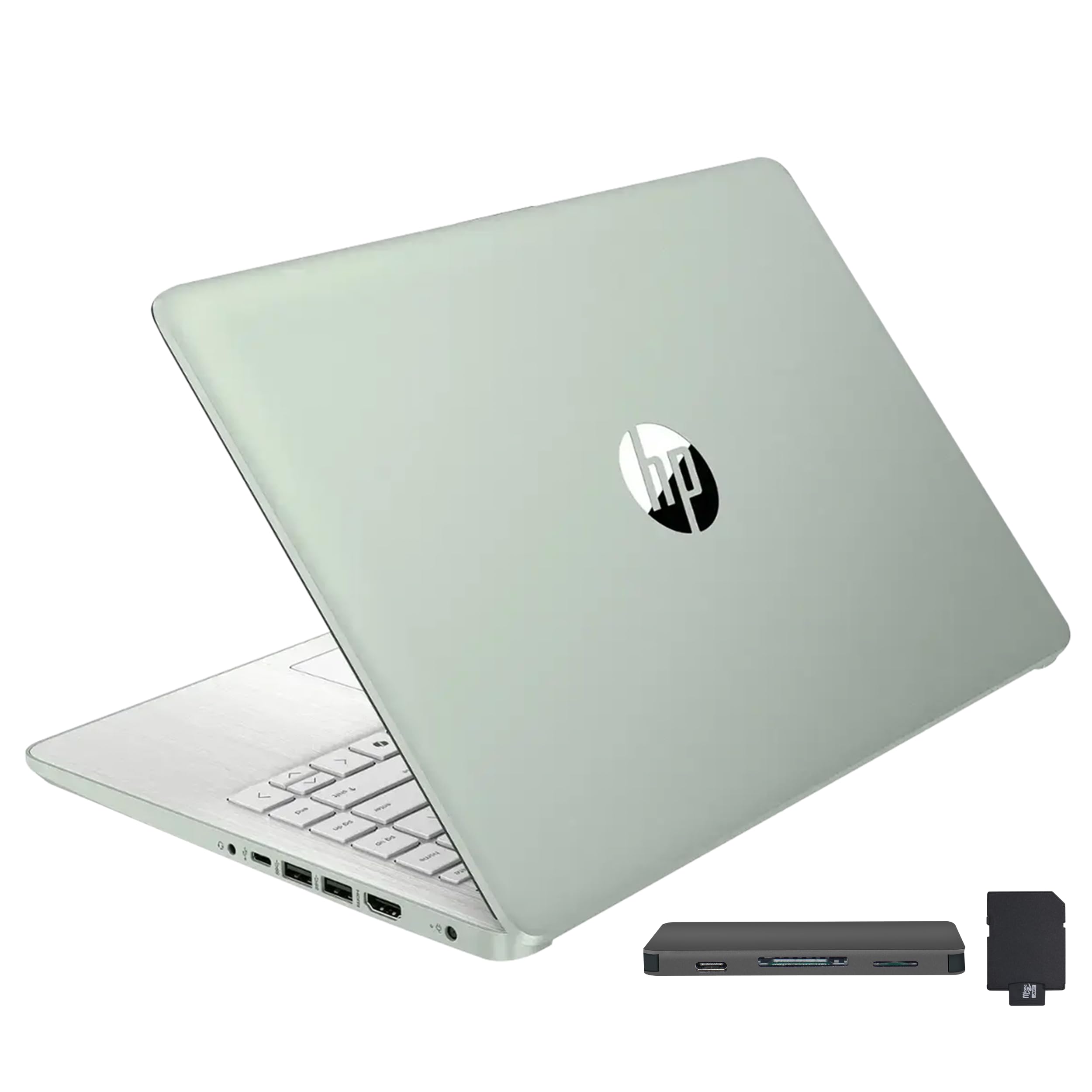
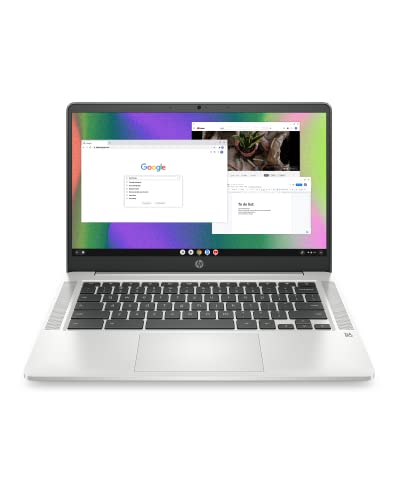
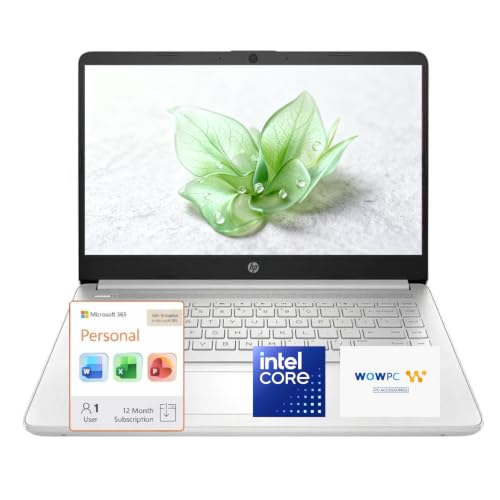

Best 14 Inch Laptops Under 500 Dollars: The Basics
A laptop combines a screen, keyboard, trackpad, battery, and computer parts in one portable case. The 14 inch figure measures the screen diagonally, not the whole body, so two laptops with the same screen size can still differ in weight and thickness. At under $500, you are in the value tier of the market. These machines are built for documents, web browsing, video calls, email, and light photo work rather than heavy gaming or large video projects.
The operating system is the software that runs everything. Windows offers the widest program choice, ChromeOS is simple and fast for web based work, and each has real strengths. If your school or employer requires specific Windows programs, that requirement decides the question for you. Our guide to the best laptops under 500 dollars covers the wider price class if you are flexible about screen size.
Key Specs Explained in Plain English
What You Can Realistically Get Under $500
Expect a capable processor for everyday work, 8GB of memory at minimum, a fast SSD for storage, and a sharp 1080p screen on the better models. What usually gets cut is premium material, very bright screens, large storage, and strong graphics. Do not save money by accepting a slow spinning hard drive or a dim low resolution display, because you feel those cuts every single day. Around $400 to $500 is where the balanced models cluster, while models around $250 to $350 involve more compromise.
Processor and Performance Tier
The processor is the brain that handles every task, and its tier sets your speed ceiling. Recent midrange chips from the major makers handle browsing with many tabs, office documents, and video calls with ease. Older budget chips feel fine for one task at a time but slow down when you multitask. Look at the processor generation, not just the family name, since a newer modest chip often beats an older fancier one. For spreadsheets, writing, and streaming, any current midrange option is enough. Save graphics power concerns for gaming, which this budget does not serve well.
RAM and Storage
RAM is short term memory that holds what you are working on right now. With 8GB, you can browse, write, and join a video call at once. With 16GB, heavy tab use and larger spreadsheets stay smooth, and the laptop ages better. Storage is where your files live, and an SSD makes the whole machine feel quick because programs and files load in seconds. Aim for at least 256GB if you keep photos and documents locally. Cloud storage helps, but it should be a bonus, not a rescue plan.
Display Size, Resolution, and Brightness
Resolution describes how many pixels draw the image, and 1080p is the target at this price because text looks crisp at 14 inches. Brightness is measured in nits, and around 300 nits works well indoors while lower figures look washed out near windows. A matte finish reduces glare for long study sessions. Refresh rate matters mostly for gaming, so a standard 60Hz panel is fine here. If you plan to read and write for hours daily, screen quality deserves more of your budget than any other single feature.
Keyboard, Trackpad, and Build
You touch the keyboard and trackpad constantly, so their quality shapes your whole experience. Keys should travel a comfortable distance and feel stable, not mushy or rattly. A large trackpad with accurate tracking lets you skip carrying a mouse. Plastic bodies dominate under $500 and can still be sturdy, while metal lids add a firmer feel. Check the port selection too, since one USB C port that also charges the laptop adds real convenience. If you can stretch your budget later, our guide to the best 14 inch laptops under 1000 shows what the next tier adds.
Rookie Mistakes to Avoid
- Buying on processor name alone. A famous chip family in an old generation can be slower than a newer modest chip, so always check the generation and release era.
- Accepting 4GB of RAM. It saves a little money now and causes daily frustration within months, because modern browsers and video calls use memory quickly.
- Ignoring the screen. A dim panel with low resolution makes every task less pleasant, and you cannot upgrade a laptop screen later.
- Forgetting total cost. A case, a mouse, and office software add up, so keep part of your $500 for the extras you truly need.
- Skipping the return policy. Keep the box and try the keyboard, screen, and WiFi during the first week while returns are still simple.
Shoppers who can drop the word dollars from the search often land on our guide to the best 14 inch laptops under 500, which uses the same value criteria in a shorter form.
Getting Started: Setup and First Use
Charge the battery fully, then run the system updates before you install anything else, because updates fix early bugs and improve battery estimates. Create your account, turn on automatic backups for your documents folder, and remove trial programs you do not want. Set the screen brightness to a comfortable level rather than maximum, which alone can add an hour of use. Avoid keeping the laptop plugged in at full charge all the time when you can unplug it for part of the day, since constant full charge ages the battery faster. Finally, learn the trackpad gestures for scrolling and switching windows, because they speed up everyday work more than most people expect.
FAQs
Can you get a good 14 inch laptop under $500?
Yes, for everyday work you absolutely can. A good model at this price handles documents, browsing, streaming, and video calls smoothly, with a clear screen and a full day battery for light use. What you give up is gaming power, premium materials, and very large storage. Spend near the top of the budget, insist on an SSD and at least 8GB of RAM, and the laptop will feel capable rather than cheap.
Should I buy a laptop or a tablet?
Buy a laptop if you type often, use full desktop programs, or do school and office work. The built in keyboard, trackpad, and file system make long tasks far easier. A tablet wins for reading, drawing, and media on a couch. Adding a keyboard and case to a tablet often costs laptop money while still limiting your software. For most first time buyers with mixed needs, the laptop is the safer single device.
Is a Chromebook enough for school?
It is enough when your school works mainly in a browser with web apps, shared documents, and online classes. Chromebooks start fast, update quietly, and often give long battery life for the price. The risk is required software. If a class needs a specific Windows program, offline tools, or a proctored exam app, check the school requirements first. When everything you need is web based, a Chromebook can be the smartest value in this budget.
How much RAM do I need?
Most people need 8GB as a safe minimum and 16GB as the comfortable choice. With 8GB, you can write, browse, stream, and join calls without constant slowdowns. Choose 16GB if you keep many tabs open, edit photos, work with large spreadsheets, or want the laptop to stay useful for more years. Because many thin laptops cannot be upgraded later, paying a little more for memory now is usually wiser than replacing the whole machine sooner.
How long should a 14 inch laptop under $500 last?
Plan on about four to five years of everyday use with good care. The battery will fade first, often holding noticeably less charge after a few years of daily cycles. Performance holds up longer if you chose enough RAM and storage at purchase. Keep the vents clear, install updates, and avoid filling the drive completely. A battery replacement or a storage cleanup in year three can extend useful life without buying a new machine.
Is a dedicated GPU worth it?
Usually not at this price. A dedicated graphics card raises cost, weight, and heat, and the budget versions still struggle with modern games at high settings. Integrated graphics in current processors handle video, light photo editing, and casual older games well. If serious gaming is your main goal, look at our guide to the best gaming laptops under 500 dollars to see the trade offs clearly before you spend. For study and office work, put that money into RAM and the screen instead.
The Bottom Line
Put your money into the processor generation, at least 8GB of RAM, an SSD, and a bright 1080p screen, in that order. Compare your finalists in the product table and check the return policy before you commit. Chosen that way, the best 14 inch laptops under 500 dollars stop being a gamble and become a tool that quietly handles your day. If a smaller screen would suit you better, our guide to the best laptops under 14 inches covers the more portable options.