Best 14 Cup Food Processors (2026): Buying Guide
Disclosure: We may earn a commission when you buy through links on this page, at no extra cost to you. As an Amazon Associate I earn from qualifying purchases. Learn more

What to check before you buy the best 14 cup food processor: feed tube, discs and counter space, and which type fits your home.
Sunday afternoon, a bag of cabbage, two blocks of cheese, and a double batch of cookie dough are all waiting on your counter. A small processor would need four restarts to get through that pile, each one meaning emptying, scraping, and starting again. That is the moment the best 14 cup food processor earns its space, because one large bowl turns a long prep session into a short one.
This guide helps you choose by the things that matter at home: the space you can give up, how many people you cook for, and what you can spend. Start with the comparison table below, then use the checklist that follows. If you are still weighing sizes, our overview of the best food processor options in every capacity gives useful context.


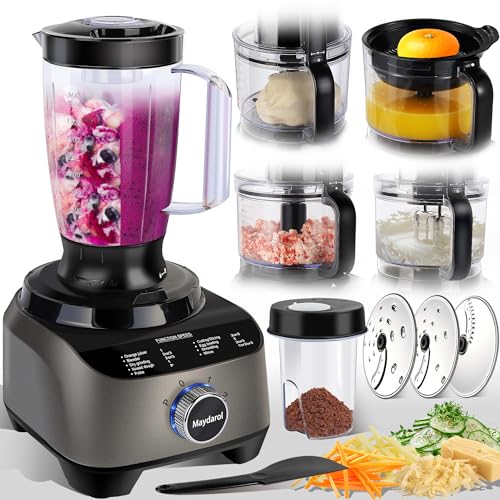
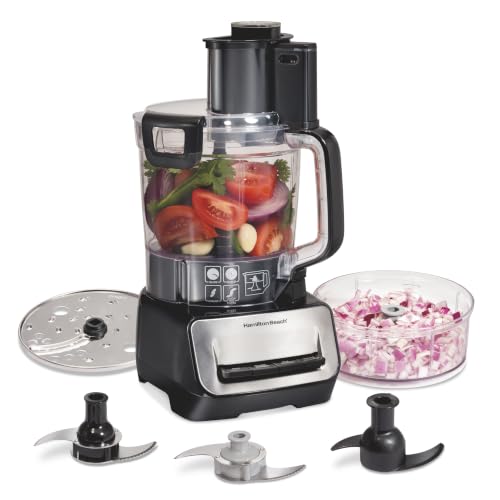


Quick Answer: Three Ways a 14 Cup Model Earns Its Space
A 14 cup processor suits homes that prep in volume:
- Family dinners: one bowl holds the vegetables, slaw, or salsa for four to six people without a second batch.
- Batch cooking: shredding cheese, slicing potatoes, and chopping onions for freezer meals takes minutes rather than rounds.
- Baking days: a wide bowl and a dough blade handle pie crust and bread dough in quantities that swamp smaller bowls.
If none of those sounds like your week, the sections below help you confirm that before you spend money and counter space.
Before You Buy: A Quick Checklist for Choosing a Food Processor
Capacity is only the headline number. The points below decide whether a large processor feels helpful daily or becomes a box you avoid lifting.
Size: Match It to Your Space
Processor sizes run from mini models at about 3 to 4 cups, through small bowls at 7 to 9 cups, up to full size bowls at 11 to 14 cups. A 14 cup rating describes bowl volume for dry ingredients, so it tells you how much chopped food fits before you must stop and empty it. Households that mostly prep garnishes often prefer the models in our guide to the best mini food processor range. Couples who cook modest amounts may fit better with the best small food processor class. Choose 14 cups when your normal load is a whole cabbage, a block of cheese, or vegetables for a crowd.
Which Type Fits Your Routine
Standard countertop models with a cord suit most homes, since they run as long as a prep session lasts. Compact designs trade bowl height for easier storage, while manual and cordless tools only handle light chopping and cannot match a motorized bowl for shredding or dough. Homes that prep daily for very large groups step up to the best professional food processor class, where motors and parts are built for constant use. If your cooking is mostly rough chopping for salsa and nuts, our food processor vs chopper comparison explains when a simple chopper is honestly enough.
Features Worth Paying For, and Ones to Skip
Features worth paying for include a wide feed tube that accepts potato halves, a pulse button for controlled chopping, a dough blade, and slicing discs with more than one thickness. A storage case for the blades and discs also matters, because loose sharp discs in a drawer get damaged. Features many homes can skip include spiralizer attachments, dicing kits, and large disc bundles that duplicate cuts you already own. Those kits add cost, washing, and storage bulk, and they only pay off if the matching task is already part of your weekly cooking.
Wattage, Power, and Energy Use
Motors in this size class commonly fall around 500 to 1000 watts, but the watt number alone does not tell you how a machine handles dense loads like dough or hard cheese. Gear design and bowl shape matter just as much, so treat wattage as a rough guide rather than a ranking. Energy use is a minor cost, because a processor runs in short bursts of a few minutes per session.
Safety Features and Certifications
Look for a lid interlock that stops the motor unless the bowl and lid are locked in place, since that feature prevents most accidents with an exposed blade. The feed tube pusher exists so your fingers never approach the disc, so choose one that fits snugly and feels natural to hold. A listing mark from UL or ETL shows the electrical design was checked by a recognized testing body.
Counter Space and Dimensions
Measure before you order. Many full size processors stand about 15 to 17 inches tall with the lid and pusher fitted, and the gap between a counter and upper cabinets is often close to that, so a tall unit may need to slide out before use. Check the footprint too, including room for the cord, and decide where the disc case will live. If the machine must be lifted from a low cabinet for every use, a smaller bowl kept on the counter may serve you better.
Realistic Budget Ranges
Prices under about $50 belong to mini choppers, not true 14 cup machines, so a listing that promises both deserves suspicion. Value models at about $100 to $150 usually include the main blade and one or two discs with a shorter warranty. The broad middle at about $150 to $250 adds wider feed tubes, more discs, and quieter motors. Premium models at about $250 to $400 focus on build quality, longer coverage, and smoother work with heavy dough.
Three Setup Types Compared: How 14 Cup Models Differ
Compare the three setup types below against your kitchen, because the right type depends on space and habits more than on any spec sheet.
A Standard Family Setup
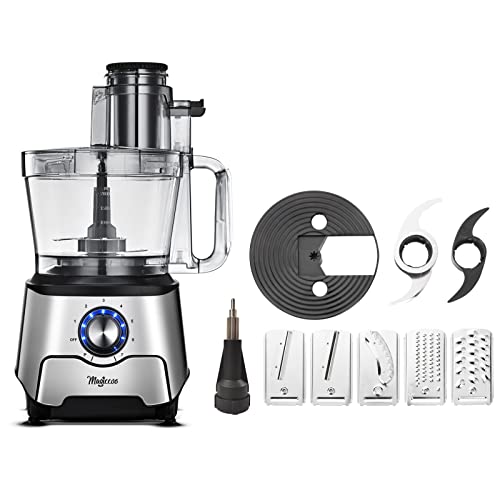
This type pairs the full 14 cup bowl with the main chopping blade, a shredding disc, a slicing disc, and a dough blade, which covers the great majority of home tasks. It suits families who cook several dinners a week and prep vegetables in bulk on weekends. The trade off is storage, since the disc set needs a drawer or case of its own. For most homes this balanced setup is the reference point.
A Value Focused Setup
Value focused models trim the accessory list to the blade and a combined disc, keep a simpler control pad, and accept a louder motor. That trade suits smaller households moving up from a mini processor, cooks who shred and slice only on batch days, and anyone whose budget matters more than quiet. You give up touches like adjustable slicing, yet the core jobs of chopping, shredding, and mixing still get done in one bowl.
A Long Term Investment Setup
Premium setups spend the budget on a heavier base, a stronger motor, metal touch points, and longer warranty coverage. They suit bakers who make dough weekly, households that entertain often, and cooks who would rather buy once and rely on the machine for many years. The extra cost buys calm under load rather than extra tricks, so the value shows up on your busiest cooking days.
How Models Were Compared for This Guide
The comparison behind this guide weighs capacity, ease of daily use, cleaning effort, noise, safety design, and warranty coverage, using manufacturer specifications and patterns in verified buyer feedback. The focus stays on ownership: whether the machine fits your space and stays simple to live with.
Is a 14 Cup Food Processor the Right Size for You?
Start with your largest regular job, not your largest imaginable one. If you host a big holiday meal once a year but cook for three people the rest of the time, patience for one day is cheaper than storing a large machine all year. The size earns its keep when big jobs repeat: weekly slaw, pizza nights with shredded cheese, or freezer sessions.
Household size is a fair guide. One or two people usually fill a 14 cup bowl only on batch days, while homes with four or more people reach for its capacity several times a week. Also consider the liquid limit, because soups and sauces must stay below the marked fill line to avoid leaks, so usable liquid volume is much lower than the headline number.
Common Buying Mistakes to Avoid
- Buying for the headline number alone, then finding the bowl is larger than your weekly cooking ever needs.
- Skipping the cabinet measurement, so the assembled machine cannot stand where you planned to store it.
- Paying for a large attachment bundle, then washing and storing pieces that never leave the case.
- Ignoring replacement part costs, because a cracked bowl or lost pusher can cost a real share of the price.
- Choosing the cheapest motor for heavy dough work, which leads to straining and early wear.
Cost of Ownership and Care
Running costs stay modest. Electricity for short prep sessions costs very little, and the real ownership expenses are replacement discs, a spare bowl if yours cracks, and eventually a new gasket or pusher. Check part prices for any model you shortlist, since easy to find parts keep a machine useful far longer than scarce spares. Store blades and discs in their case, never loose in a drawer, where edges dull and fingers get surprised.
For daily care, wash the bowl, lid, and blade in warm soapy water soon after use so food does not dry onto the seams, and dry the blade fully before storage. Our full routine for how to clean a food processor covers the feed tube and lid parts in detail. Wipe the base with a damp cloth only, since the motor housing should never go under a tap.
FAQ
How do you remove odors and stains from a food processor bowl?
Make a paste of baking soda and a little water, spread it over the stained area, and leave it for about 15 minutes before washing as usual. Tomato and turmeric marks fade faster if the bowl dries in daylight afterward. Garlic and onion odors respond to a wipe with a cloth dampened with white vinegar. Avoid abrasive pads, because scratches in the plastic trap smells and make later stains settle in more deeply.
Is a food processor worth it for a small household?
It can be, if you batch cook. Two people who prep a week of lunches, freeze soup portions, or make hummus and dough at home will use the capacity more than a larger family that cooks small fresh meals daily. The honest test is your last month of cooking: count how many times you chopped or shredded enough to fill half this bowl. If that count is near zero, a smaller machine will likely serve you better.
How long does a food processor last?
A well kept motor base often serves for many years, and the bowl, lid, and latch usually wear out first because they are handled and washed most. Warning signs include a burning smell during normal loads, cracks near the bowl handle, a latch that needs force to engage, and discs that wobble on the stem. Replacing a worn bowl can extend the life of a healthy base, so price that part before assuming the whole machine is finished.
What size food processor do I need for bread dough?
Judge dough by the separate dough capacity rating, not the headline cup size, because flour loads stress the motor far more than vegetables do. Manufacturers state that rating in their manuals, and it is always lower than the full bowl figure. If no dough rating is listed, treat the model as a light duty choice for soft doughs only. Mixing in two half batches protects the motor and gives more even results.
What is the best 14 cup food processor?
The right answer depends on the task you repeat most. Bakers should weight dough handling and warranty length, busy families should weight feed tube width and cleaning effort, and occasional cooks should weight price and storage size. Judge any candidate against the single job you do every week, using the product table above as your shortlist.
Final Thoughts
A large processor is a space commitment as much as a purchase, so let your counter, your household size, and your real prep habits make the call. When big batches are a weekly pattern, the best 14 cup food processor saves genuine time and washing up; when they are rare, a smaller bowl will make you happier. Measure your cabinets, price the spare parts, and check the product table above once more before you order.