Best 12v Test Light: Types Compared and How to Choose for 2026
Disclosure: We may earn a commission when you buy through links on this page, at no extra cost to you. As an Amazon Associate I earn from qualifying purchases. Learn more
Compare types of 12v test lights and learn how to choose the best 12v test light for car wiring, fuses, and trailer circuits with confidence.
A dead circuit can stop a repair cold, and guessing whether a wire carries power wastes hours. A simple test light answers that question in seconds, yet the shelves hold several styles at very different prices. This guide compares each type clearly, so you can pick the best 12v test light for the work you actually do.
You will see how compact, budget, and mid range styles differ in brightness, build quality, and ease of use. We also cover price versus value, safety basics, and the small care habits that keep a test light working for years.
Types of 12v Test Lights Compared
Every test light does the same basic job: you clip the ground lead to a clean metal ground, touch the probe to a point in the circuit, and the lamp glows if power is present. The differences lie in lamp type, cord length, handle size, and extras such as voltage displays. In general, compact styles cost around $10 to $20, budget full size styles cost around $8 to $18, and mid range styles cost around $20 to $45. Those ranges overlap, so features matter more than price alone.
Compact Options
Compact test lights use a short handle and a slim probe, sized for glove boxes, motorcycle tool kits, and tight engine bays. Most use a small incandescent bulb or a bright LED that lights with very little current draw. The short body slips into crowded fuse boxes where a full size handle simply will not fit.
The trade off is reach and durability. Cords are often shorter, so distant ground points can be a stretch, and slim handles feel less secure in greasy gloves. Choose a compact style if you want a light that lives in the vehicle for roadside checks, or if your work is mostly quick fuse and bulb testing in tight spaces.
Budget Options
Budget test lights are the classic full size design: a clear handle, a replaceable bulb, a coiled or straight cord, and a sharp steel probe. They work exactly like the tools mechanics have used for decades, and the glowing bulb also hints at how strong the current is. A dim glow can suggest a weak connection, which is useful information a simple LED may hide.
Expect plainer materials at this price. Handles can crack if dropped on concrete, cords may be shorter, and clips can lose their bite over time. Choose a budget style if you test circuits a few times a year and want a proven design without paying for extras you will never use.
Mid Range Options
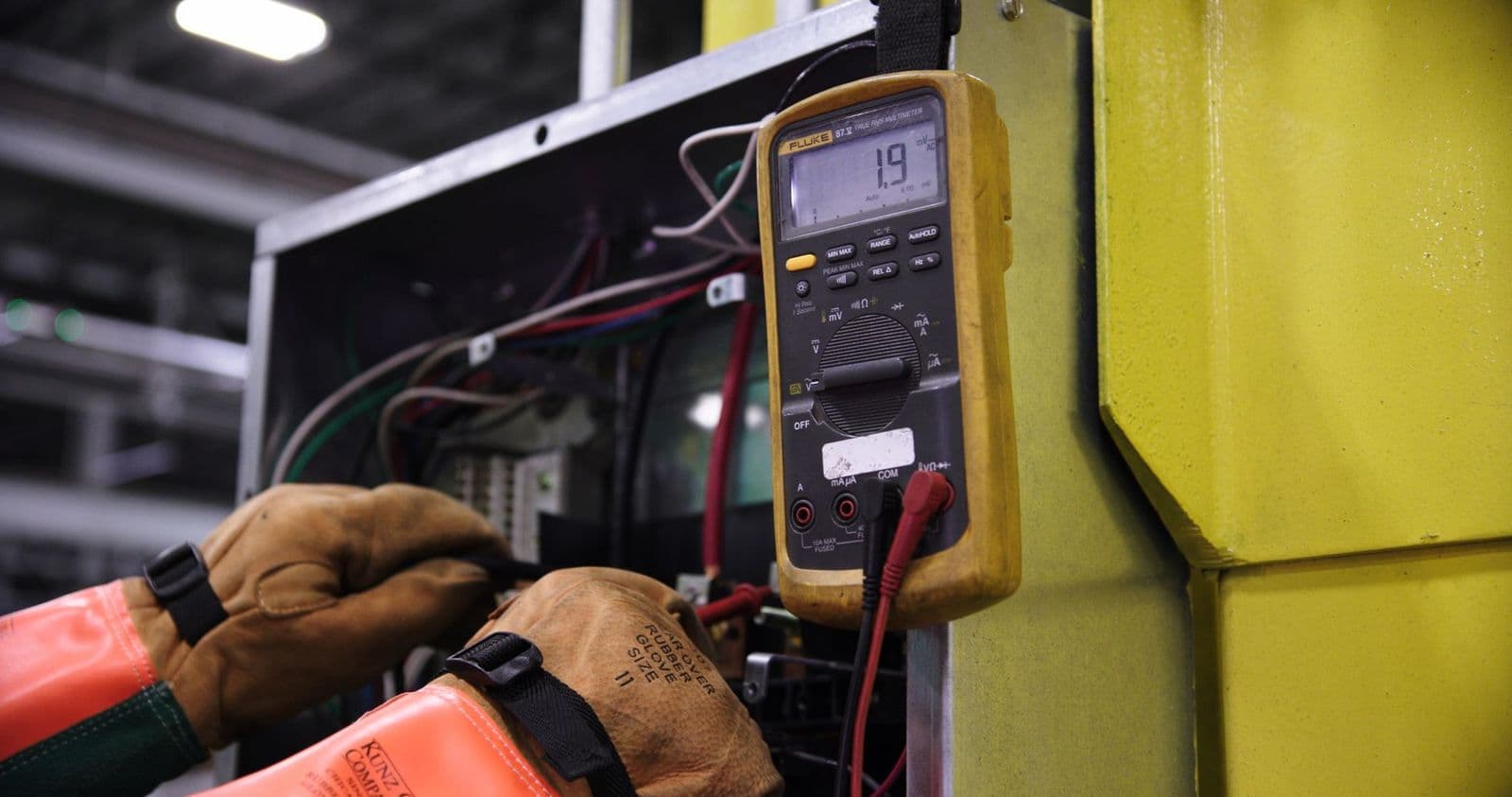
Mid range test lights add the features regular users feel every day. Common upgrades include a longer and heavier cord, a stronger spring clip, a brighter LED with a protective circuit, and sometimes a small digital display that shows actual voltage. That display helps you separate a healthy 12.6 volt reading from a weak feed that still lights a basic bulb.
Build quality is the other gain. Handles resist solvents better, probe tips stay sharp longer, and strain relief where the cord meets the handle reduces the most common failure point. Choose a mid range style if you do your own repairs often, work on trailers and older vehicles, or simply want one tool that will last through years of weekend projects.
Compact Options vs Budget Options: Which Should You Choose?
Size is the clearest difference. A compact light wins in fuse boxes and under dashboards, while a full size budget light gives a firmer grip and an easier bulb change. Cord length runs the other way: budget models usually reach farther, which matters when the only clean ground sits across the engine bay.
Brightness depends on the lamp, not the size. LED versions of either style glow clearly in daylight, while basic bulbs can look faint outdoors. Cost is close, so decide by where you work. If your testing happens in tight spaces and on the road, go compact. If it happens at a home workbench with room to move, the budget full size style is the simpler and cheaper fit. Good lighting helps either way, and our guide to the best work lights covers options that make under hood work far easier to see.
How to Choose the Best 12v Test Light
Choosing well means matching four things to your habits: what you test, how often you test it, where you work, and how much abuse the tool will take. The sections below turn those questions into concrete buying checks.
Price vs Value
Budget styles at around $8 to $18 deliver honest value for occasional use, and a failed one costs little to replace. Mid range styles at around $20 to $45 cost more but spread that cost over years of sharper probes, longer cords, and clearer readings. Premium computer safe styles can cost around $50 and up, adding protection for sensitive electronics. Value comes from how often the tool saves you diagnostic time, not from the sticker alone.
Safety and Certifications
A test light touches live circuits, so basic safety habits matter. Never use one on airbag wiring or near fuel vapor, and keep the probe away from moving belts and fans. Look for solid insulation on the probe shaft and a handle that keeps your fingers behind a guard. If you own a modern car with sensitive control modules, choose a computer safe LED style with high impedance, because a basic bulb draws more current and can stress delicate circuits.
Intended Use and Who It Is For
Match the tool to your most common job. Fuse checks and trailer plug testing need only a basic light and a decent cord. Chasing an intermittent power feed rewards a brighter LED and a longer lead. Occasional users gain little from a voltage display, while anyone who maintains an older truck or boat will use that display weekly. Be honest about frequency, because the right tool for monthly use looks different from the right tool for daily use.
Key Performance Specs
Four specs decide daily satisfaction. Cord length of about 6 to 12 feet covers most engine bays without strain. A sharp and replaceable probe tip keeps contact reliable on corroded terminals. A strong clip with clean copper jaws ensures your ground is real, since a bad ground creates false readings. Finally, check current draw and voltage range: the light should work across normal automotive voltage and draw little enough to stay safe on modern wiring.
Care and Maintenance Tips
Read the manual before first use, since LED and computer safe models sometimes have polarity or range notes that matter. Clean and inspect the tool regularly: wipe the probe, check the cord for cuts near the handle, and check the clip grip on a known ground. Store it in a dry place, ideally in a small pouch or toolbox drawer, because moisture corrodes the clip and dulls the probe tip faster than normal use ever will.
12v Test Lights: Your Questions Answered
What features matter most when buying 12v test lights?
Cord length, probe quality, and clip strength matter most, because they decide whether your readings are trustworthy. A light that loses ground contact will send you chasing faults that do not exist. After those basics, consider lamp type and current draw for newer vehicles. A padded grip and a clear handle that shows the bulb or LED clearly are small comforts that add up during long diagnostic sessions in awkward positions.
How much should I spend on a 12v test light?
Most buyers should spend around $10 to $30, which covers solid budget and mid range styles. Occasional users can stay near the low end and still get reliable results for fuse and bulb checks. If you maintain several vehicles or a trailer, moving toward around $30 buys a longer cord and a voltage display. Spending far more mainly makes sense for computer safe designs used on late model electronics every week.
Are expensive 12v test lights worth it?
Expensive models are worth it when they protect electronics or save repeated diagnostic time, not because they glow brighter. Computer safe circuits, accurate voltage displays, and replaceable leads all earn their cost for frequent users. For a driver who checks a fuse twice a year, the gains are invisible. One practical check: if your current basic light has ever left you unsure whether a circuit was truly live, the upgrade will pay for itself quickly.
How do I maintain a 12v test light?
Maintenance takes minutes: keep the probe tip clean and sharp, coil the cord loosely instead of wrapping it tight around the handle, and check the clip teeth for corrosion. A light wire brush pass on the clip restores a solid ground connection. Store the tool dry and out of direct sun, since ultraviolet light and heat make clear handles brittle over time and shorten cord life.
How long does a 12v test light last?
A decent test light lasts many years, often a decade or more, because the design has almost no moving parts. Bulbs burn out and cords fray near the handle first, so models with replaceable bulbs and leads last longest. LED versions remove the bulb issue but can still fail at the cord. If readings turn intermittent, suspect the cord or clip before the lamp, and confirm against a known good circuit.
The Bottom Line
Start with your use case, then check cord length, clip quality, and whether you need a computer safe design for a newer vehicle. Those three decisions matter more than brand or price tier. Remember that a steady ground connection is what makes any reading believable.
For most home mechanics, the best 12v test light is a mid range LED style with a long cord and a strong clip. It costs a little more than the basics, answers questions faster, and will still be in your toolbox long after the cheapest option has cracked or frayed.