Best 10w 30 Oil for Generators: Matching Oil to Your Routine for 2026
Disclosure: We may earn a commission when you buy through links on this page, at no extra cost to you. As an Amazon Associate I earn from qualifying purchases. Learn more

Match the best 10w 30 oil for generators to your engine, climate and run time with this guide to types, features and change intervals.
Choosing the best 10w 30 oil for generators starts with your engine manual, because the right oil protects a small engine that often runs for hours at steady speed.
This guide compares conventional, blend, and synthetic oils, explains viscosity and change intervals, and helps you match oil to your use. The product table gives a quick overview, and the sections that follow explain each choice in plain language.
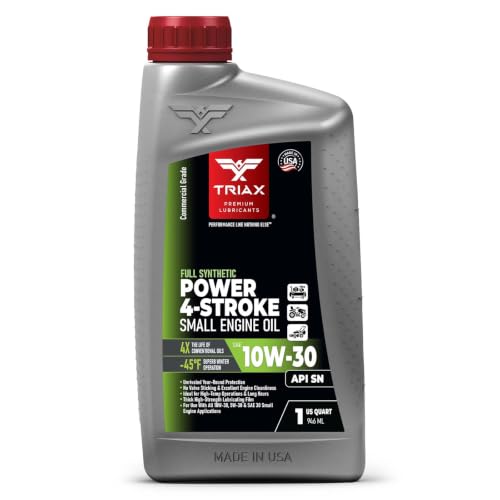
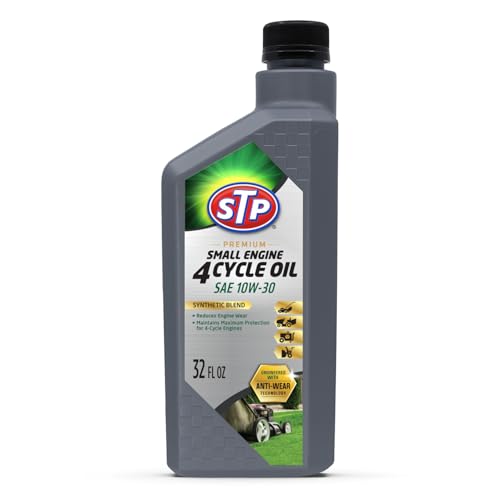




Types of 10w 30 Generator Oil Compared
The main oil types differ in cost, cold-start behavior, and how long they last between changes. The table below gives a side by side view, and the sections after it explain each type.
| Type | Best For |
|---|---|
| Conventional 10w 30 oil | Older generators and light seasonal use at a low cost |
| Synthetic blend oil | Better cold starts and cleaner operation at a modest price rise |
| Full synthetic oil | Frequent use, long runs, and wide temperature swings |
Conventional 10w 30 oil
A conventional oil suits older generators and light seasonal use at a low cost. It works well when you change it on schedule and the engine runs in moderate temperatures.
Synthetic blend oil
A blend offers better cold starts and cleaner operation than conventional oil at a modest price rise. It is a sensible middle choice for a generator that runs a few times a season.
Full synthetic oil
A full synthetic oil suits frequent use and wide temperature swings, with stable protection over longer intervals. It costs more per quart but resists breakdown during long, loaded runs.
When you compare oils for your engine, the related guides for best oils for generators and best oil for portable generators show how other grades and brands differ.
Key Features to Compare
Features matter more than brand claims. Use the points below as a checklist when you read labels and listings.
Viscosity and temperature
A 10w 30 grade suits a wide range of temperatures, but always check the maker manual, because some engines call for a different grade in extreme cold or heat.
Detergent and protection
Detergent additives keep deposits low, and good wear protection matters for engines that run for hours at steady speed. Look for a current API service rating on the label and for oil made for 4-cycle small engines.
Change interval
Shorter intervals suit dusty use and heavy loads, while cleaner use allows the manual interval.
Capacity and checking
Check the oil level before each run, because small engines hold little oil and a low level can cause serious damage quickly.
If you own a specific brand, it also helps to read best oil for Honda generators and what is the best oil for generators, because the maker may name a preferred grade.
Who Should Buy Which Type
Different owners need different strengths from the best 10w 30 oil for generators, and matching the type to your routine avoids paying for features you will not use.
Seasonal users
A conventional or blend oil suits a generator used a few times a year for storms and camping. Change it at least once a year, even if the run hours are low.
Frequent users
A full synthetic oil suits generators that run often or for long periods, such as job sites or off-grid cabins.
Cold climate users
A synthetic oil suits cold starts, because it flows faster when temperatures drop. Check the manual first, since some engines prefer a lighter grade in deep cold.
What Your Money Gets You
A quart of conventional oil costs about $5 to $10. Blends cost about $8 to $14. Full synthetic oil costs about $10 to $18 per quart, and a filter adds a small extra cost at each change on engines that use one. The product table helps you compare these price levels, and the cheapest option is not always the best deal when protection and change intervals matter.
Multi-packs and gallon sizes lower the cost per quart if you run the generator often. For a unit used once or twice a year, a single quart or two is usually enough.
Setup, Care, and Common Mistakes
Change oil while the engine is warm, catch the old oil in a pan, and recycle it at a proper facility. Never overfill, wipe spills at once, and keep oil away from children and pets. If oil looks milky or smells of fuel, stop and seek service advice.
A common mistake is buying on price alone without checking the grade the manual calls for. Another is skipping the level check before a run, or using automotive oil with additives that the maker does not approve for small engines. Read the manual, follow the manufacturer's instructions, and keep a log of change dates.
Before You Order
Check the grade, the API rating, and the bottle size against your manual. Compare at least two or three oils using the same checklist, and note where each is stronger or weaker. A side by side look often shows a clear winner and stops one attractive claim from outweighing the basics.
Also think about storage: keep sealed bottles in a cool, dry place, and buy only what you will use within a season or two. If your generator needs a specific brand-approved oil to keep its warranty valid, confirm that before you buy.
Frequently Asked Questions
What oil does my generator need?
Use the grade in your generator manual, because the maker sets viscosity for that engine, and 10w 30 suits many models but not every engine in extreme cold or heat.
Conventional or synthetic oil?
Conventional oil suits light seasonal use, while synthetic oil suits frequent use and cold starts, because it flows better when cold and stays stable during long runs.
How often should I change generator oil?
Change oil at the manual interval or after the first break in period, and sooner after dusty or heavy use, because clean oil protects an engine that runs for hours at steady speed.
Can I mix oil types?
Topping up with a similar grade in an emergency is better than running low, but for a full change use one type and grade, because mixed oils can change performance in ways that are hard to predict.
Why does my generator use oil?
Small engines can use a little oil during long runs, so check the level before each use and top up as needed, because low oil is a common cause of serious engine damage.
Final Thoughts
Start with your manual, your climate, and how often the generator runs, then use the checklist in this guide to narrow the field. The product table gives a useful overview, and a careful match now saves trouble later.
When you are ready to choose, let the best 10w 30 oil for generators for your engine be the one that matches the manual grade, your run time, and your budget.