Best 12ft Trampoline: Which One Fits the Way You Use It in 2026?
Disclosure: We may earn a commission when you buy through links on this page, at no extra cost to you. As an Amazon Associate I earn from qualifying purchases. Learn more

Compare the best 12ft trampoline types by size, safety, frame strength and budget. This guide helps families choose a model that fits their yard and routine.
A best 12ft trampoline search can feel simple until you compare frame sizes, enclosure styles and weight limits. No single size or shape suits every family, because a yard, a group of jumpers and a daily routine all change what matters most. The product table gives you a quick overview, while this guide explains how to match a trampoline to your space and your plans.
Start with the space you have, the people who will use it and how often it will be used. A model built for light play may wear faster under daily family use. Use the sections that follow to weigh safety, setup, upkeep and value before you order.




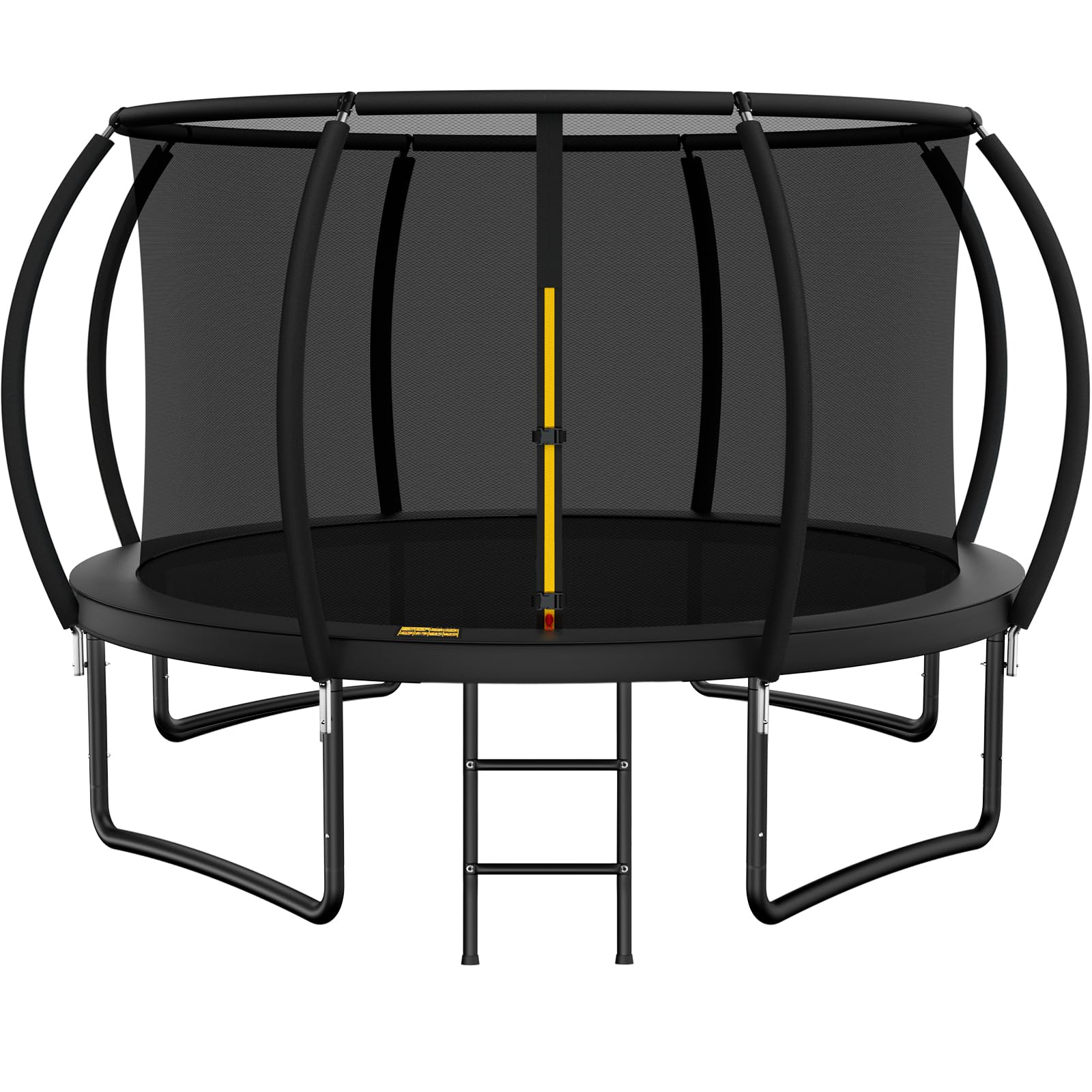


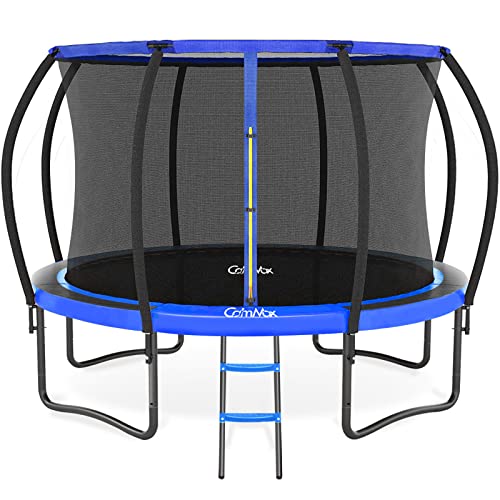
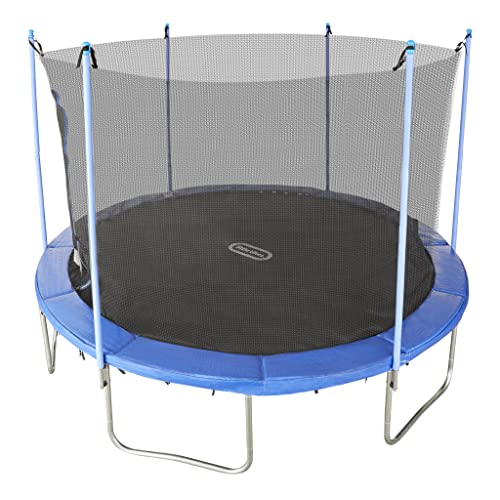
Choosing the Best 12ft Trampoline for Your Family
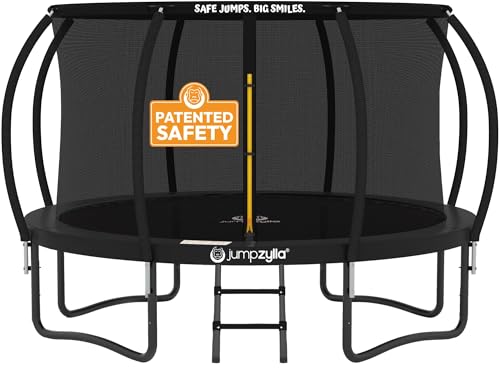
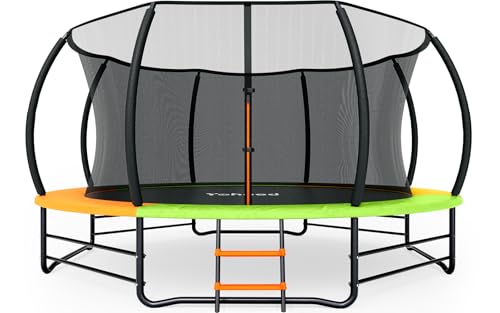
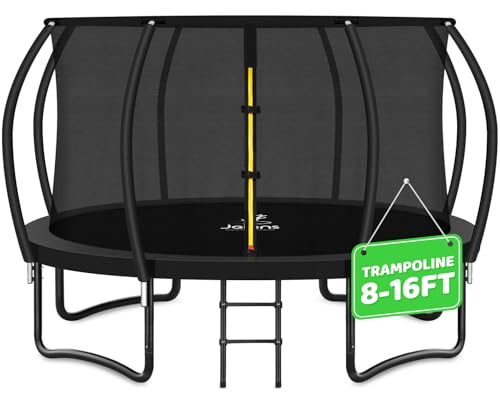
A 12 foot round trampoline suits many families because it offers a good balance of jumping room and yard footprint. It is large enough for one or two children at a time, yet it still fits many medium sized gardens. The right choice depends less on the diameter alone and more on who jumps, how they jump and what safety features you want.
For People Who Want the Best Performance
Performance buyers should look for a strong steel frame, a generous number of springs and a mat that stays firm under repeated bouncing. A higher weight limit often signals thicker steel and better springs, which can give a livelier bounce and a longer service life. You should also check the enclosure height and the quality of the pole padding, because these details matter when jumpers move with energy.
For First Time Buyers
First time buyers do best with a straightforward design, clear assembly instructions and a full enclosure net. A simple round frame with a spring cover pad and a ladder is easier to set up and easier to inspect. You should choose a model with a weight limit that leaves room above the heaviest regular jumper, and you should read the manual before the first bounce.
For Value Seekers
Value seekers should compare the full cost of ownership, not only the purchase price. A lower priced trampoline can still be a good buy if the frame is rust resistant, the mat is thick and replacement parts are available. Check the warranty for the frame, springs and mat separately, because a short warranty on the mat can mean an early replacement cost.
Key Features to Compare
Compare trampolines feature by feature, and keep your own yard and users in mind. A feature that helps one family may add little value for another. The factors below cover the choices that most affect safety, comfort and long term cost.
Safety and Certifications
Safety starts with a full enclosure net, padded poles and a spring cover that stays in place during use. Look for a net that attaches securely at the top and bottom, with no large gaps where a foot could slip through. Check maker guidance on age limits, weight limits and the number of jumpers allowed at one time, and follow adult supervision guidance for children. A sturdy ladder also helps younger jumpers get on and off without climbing the frame.
Ease of Use and Setup
Setup is easier when the frame uses clear part labels, a spring tool and a logical assembly order. Most 12 foot models need two adults and a flat area, and assembly can take a few hours. Before you buy, measure your yard and allow clear space around the trampoline, away from fences, trees, roofs and hard surfaces. After assembly, check every bolt, spring and net connection before the first use.
Intended Use and Who It Is For
Think about whether the trampoline will be used for light play, daily exercise or energetic jumping by older children. Light play suits a basic frame with a standard mat, while frequent use calls for thicker springs and a stronger frame. If adults will also jump, choose a higher weight limit and a mat rated for regular adult use. If only young children will jump, a lower bounce height and a full enclosure may matter more than spring power.
Maintenance and Long Term Costs
Long term costs include replacement mats, springs, nets and pads, so check whether the maker sells those parts separately. A rust resistant frame and a weather resistant mat can reduce replacement frequency, especially in wet or sunny climates. You should inspect springs for rust, check the mat for tears and look over the net for loose stitching at the start of each season. Storing a trampoline cover over the mat during storms can also help it last longer.
Price vs Value
Budget models often cost about $200 to $400 and suit light use in a sheltered yard. Mid range models often cost about $400 to $700 and usually offer thicker steel, better springs and longer warranties. Premium models often cost about $700 to $1,200 and may add stronger frames, higher weight limits and more durable nets. Spend more when the trampoline will see daily use or heavier jumpers, and spend less when use will be light and seasonal.
Common Mistakes to Avoid When Buying 12ft Trampolines
- Choosing on price alone, which can mean thin steel, weak springs and an early replacement.
- Ignoring safety and enclosure quality, which can leave gaps, weak poles or a net that sags.
- Buying without measuring the yard, which can leave too little clear space around the frame.
- Overlooking the weight limit, which can shorten mat life if the limit is close to the heaviest jumper.
- Skipping the warranty check, which can leave you paying for a new mat or net sooner than expected.
Care and Maintenance Tips
Read the manual before first use and follow its guidance on assembly, weight limits and supervision. Clean the mat with mild soap and water, and inspect springs, bolts and the net regularly for rust, tears or loose connections. Store loose parts and the ladder in a dry place when the trampoline is not in use for a long period, and cover the mat during harsh weather. Remove leaves and standing water promptly, because extra weight and moisture can wear the mat and springs faster.
If you want ideas for keeping the jumping area fun in warm weather, see our guide to best trampoline sprinklers. If you are still deciding on size, compare the smaller option in our guide to best 10ft trampoline before you commit to a 12 foot frame.
12ft Trampolines: Your Questions Answered
How do I maintain a 12ft trampoline?
Maintain a 12ft trampoline by inspecting it at the start of each season and after storms. Check springs for rust or stretching, look for tears in the mat and net, and tighten any loose bolts. Clean the mat with mild soap and water, and keep the area under the trampoline clear of debris. Replace worn pads, springs or net sections promptly, because a small tear can grow quickly under repeated bouncing.
How long does a 12ft trampoline last?
A 12ft trampoline often lasts about 5 to 10 years with regular care, though the mat and net usually wear sooner than the frame. Sun, rain and heavy use shorten mat life, while a rust resistant frame can last much longer. You can extend service life by covering the mat, storing the trampoline during harsh winters and replacing worn parts early. If the frame is bent or cracked, retire the trampoline rather than trying to repair the frame.
What features matter most when buying 12ft trampolines?
The features that matter most are frame strength, spring quality, enclosure design and weight limit. A strong frame and good springs give a stable bounce, while a full net with padded poles helps keep jumpers inside. The weight limit should sit well above the heaviest regular jumper, and replacement parts should be easy to buy. A ladder, a spring cover pad and a clear assembly guide also make daily use simpler.
Are expensive 12ft trampolines worth it?
Expensive 12ft trampolines are worth it when the trampoline will be used daily, by heavier jumpers or in harsh weather. Higher priced models often use thicker steel, more durable mats and stronger nets, which can reduce replacement costs over time. For light seasonal use by young children, a mid range model may offer similar enjoyment at a lower cost. Compare warranty length and part availability, because those details often explain much of the price gap.
How much should I spend on a 12ft trampoline?
Most families spend about $400 to $700 for a solid mid range 12ft trampoline with a full enclosure and a decent warranty. Light use buyers can spend less, while daily users and larger families may benefit from spending more. Set your budget after measuring your yard and checking weight limits, because a model that is too small or too weak will cost more in replacements. Keep a small reserve for a cover, a ladder or future replacement parts.
The Bottom Line
Choose by yard size, jumper weight and how often the trampoline will be used, not by diameter alone. Prioritize a strong frame, a secure enclosure and a weight limit with room to spare, and check that replacement parts and warranty cover are easy to obtain. The product table above can help you compare options side by side once you know your priorities. For most families, a best 12ft trampoline is the one that fits the yard safely, suits the regular jumpers and stays in good condition with simple seasonal care.