Best 115v Mini Split (2026): Features and Buying Tips
Disclosure: We may earn a commission when you buy through links on this page, at no extra cost to you. As an Amazon Associate I earn from qualifying purchases. Learn more

Shopping for a best 115v mini split? Here is what to check on size, build, features and budget before you buy.
A standard wall outlet is often the only power you have in a spare room, a small addition, or a detached workshop, and that single fact narrows your cooling options fast. A best 115v mini split solves the problem by running on the same voltage as ordinary household circuits, so you can add quiet, zoned comfort without upgrading your electrical panel. The comparison table below lines up the main types by capacity, coverage, and noise so you can see which style fits your space.
Because 115 volt power limits capacity, these systems suit one room at a time rather than a whole house. This guide explains the types available, the sizing math that matters, and the trade offs against 230 volt models.

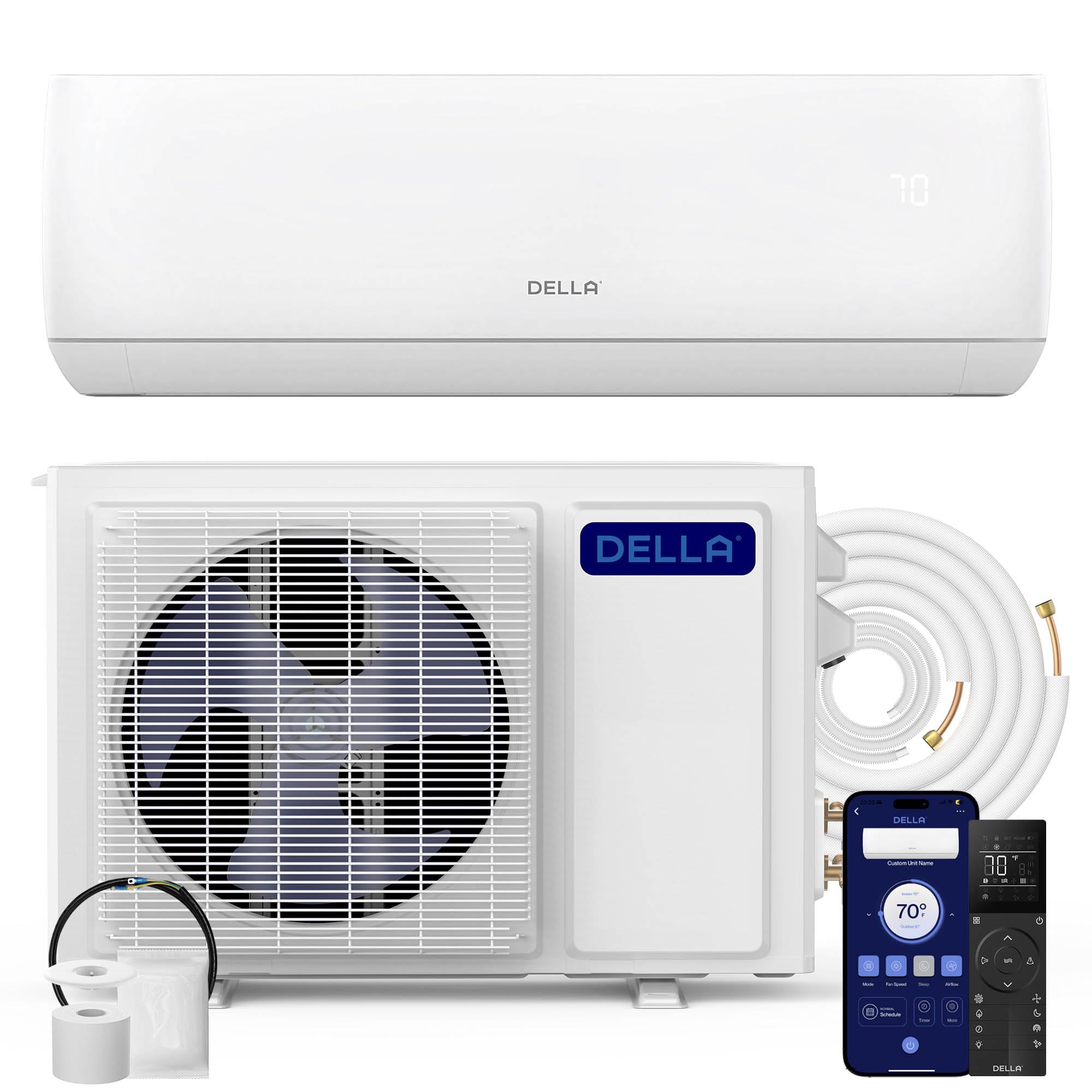


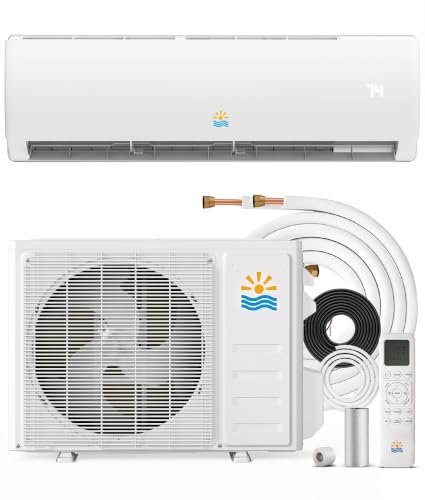
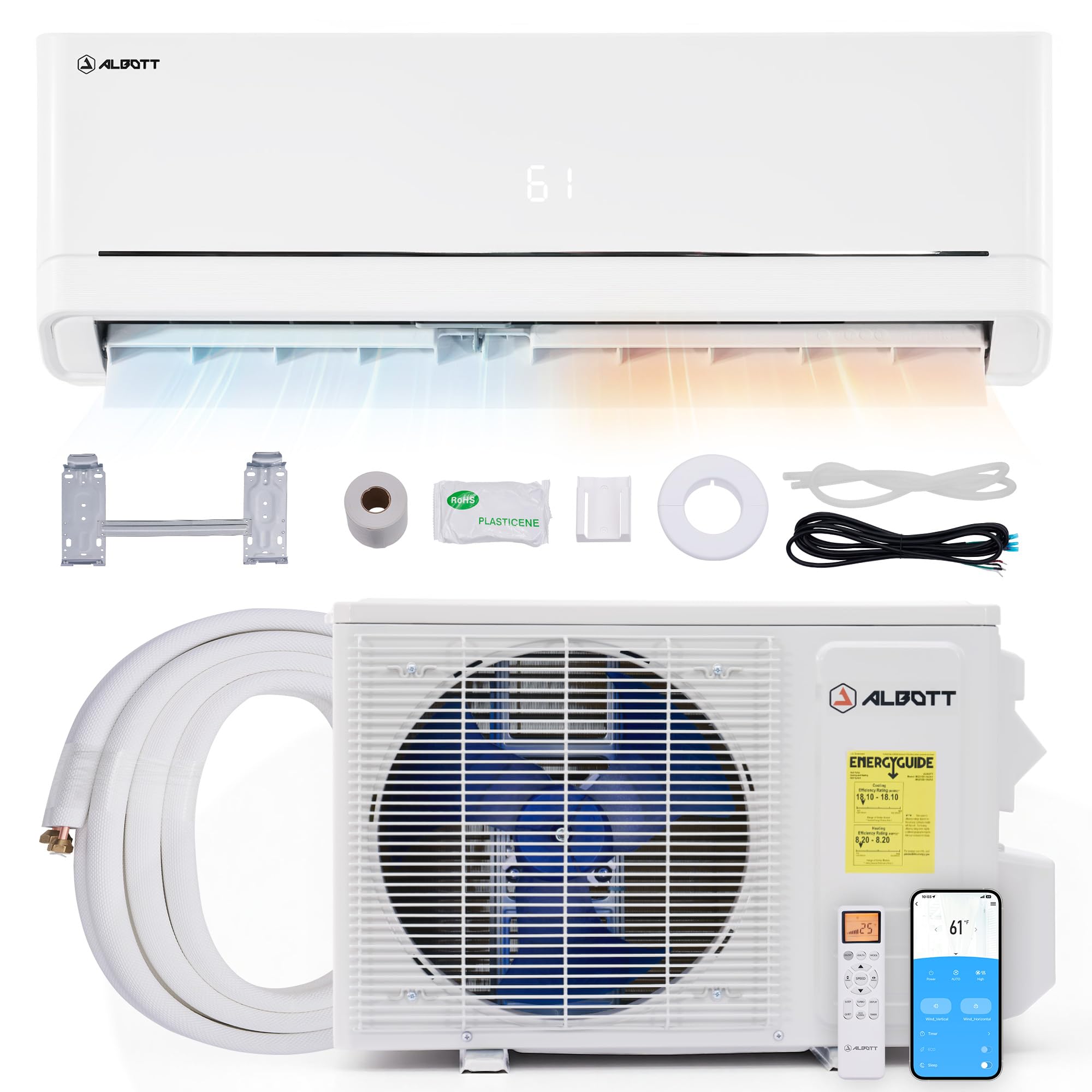
Types of 115v Mini Splits Compared
Every 115 volt model sold today is a ductless single zone system with an indoor air handler and an outdoor condenser, but the kits differ in how they are installed and how much heating they provide. None of them needs a new high voltage circuit run from the panel.
Standard Single Zone Wall Mounted Systems
This is the most common type, sold as a matched set with a wall mounted indoor unit, an outdoor condenser, and a line set that a licensed technician connects and evacuates. Capacities usually top out around 12,000 BTU on 115 volt power, covering one room of about 400 to 550 square feet. Choose this type when you want the lowest equipment cost and are comfortable hiring an installer.
DIY Friendly Systems With Pre Charged Line Sets
DIY friendly kits ship with line sets already charged with refrigerant and fittings designed to connect without a vacuum pump or special gauges. That saves the cost of a technician visit for the refrigerant step, though you still mount both units, drill the wall hole, and connect the electrical whip yourself. If this route appeals to you, our guide to the best diy mini split explains what the installation involves.
Heat Pump Systems for Heating and Cooling
Nearly all 115 volt models are heat pumps, meaning they reverse in winter to pull heat from outdoor air into the room. Output drops as outdoor temperatures fall, and most units provide useful heat down to about 5 to 15 degrees Fahrenheit, with supplemental heat needed below that. If winter warmth matters as much as summer cooling, compare heating ratings using our guide to the best heat pump mini split.
How We Chose What Matters
We compared 115 volt models on the factors that decide real world comfort: rated capacity in BTU, the room coverage that capacity supports, published indoor noise levels, and seasonal efficiency ratings from manufacturer specification sheets. We also weighed installation style, filter access for cleaning, and control options such as WiFi apps and timers. Only models that run purely on 115 volt power counted, since a unit that needs 230 volts defeats the purpose of this category.
How to Choose the Right Mini Split
Size and Form Factor
On 115 volt power you will mostly see 9,000 and 12,000 BTU systems, with a few models reaching higher by drawing more current than a typical 20 amp circuit comfortably supports. Form factor is almost always a wall mounted indoor unit, since ceiling cassette and floor mounted styles are rarely offered at this voltage. Single zone is the rule as well, because one household circuit cannot feed several indoor heads. For a broader look at capacities beyond this voltage class, see our overview of the best mini split options in all sizes.
Type and Electrical Fit
The electrical check comes before everything else. Most 12,000 BTU models on 115 volts draw enough current to need a dedicated 20 amp circuit, and the nameplate lists a minimum circuit ampacity and a maximum breaker size you must match. Confirm your panel has a free breaker slot. Inverter driven compressors are standard in this class, and that matters because they ramp speed up and down instead of cycling on and off, which holds temperature steadier and cuts wasted starts.
Features Worth Paying For
Heat pump operation is worth paying for if the room needs winter heat, since it can replace a space heater that draws similar power far less efficiently. WiFi control earns its cost when the unit serves a room you use on a schedule, letting you start cooling before you arrive. A sleep mode that dims the display and softens fan noise helps in bedrooms. Skip paying extra for oversized capacity you cannot feed electrically and decorative finishes that change nothing about comfort.
Room Size and Coverage Ratings
A common planning guide is about 20 BTU of cooling per square foot, so a 9,000 BTU unit suits roughly 350 to 450 square feet and a 12,000 BTU unit suits about 450 to 550 square feet. Sun exposure, ceiling height above 8 feet, poor insulation, and a kitchen nearby all push you toward the larger size. Our sizing walkthrough at what size mini split do i need works through those adjustments room by room. Oversizing is a real risk in small rooms, because a unit that cools too fast shuts off before it removes much humidity.
Running Cost and Energy Use
Efficiency is expressed as SEER2 for cooling and HSPF2 for heating, and higher numbers mean less electricity for the same comfort. A 12,000 BTU unit at full output draws roughly 1,000 to 1,200 watts, similar to a large window unit but usually with a better efficiency rating. Part load running is where inverter models save the most, since a system running at half speed sips power while holding a steady temperature.
Noise Levels for Bedrooms
Indoor noise on the lowest fan setting is the number to compare, and good 115 volt models rate around 25 to 32 decibels there, about the level of a quiet library. Turbo and high fan settings climb into the low to mid 40s, which most sleepers notice. If the room doubles as a nursery or a recording space, weight the low fan rating above almost every other spec.
Filters and Routine Maintenance
The indoor unit uses washable mesh filters that slide out from the front panel, and rinsing them every two to four weeks during heavy use keeps airflow and efficiency where they belong. The coil and blower wheel need a deeper clean about once a year. Our step by step guide on how to clean a mini split covers doing that safely without damaging the fins or electronics.
How Much Should You Spend?
Equipment prices for 115 volt kits generally fall between about $600 and $1,500 depending on capacity, efficiency, and whether the line set comes pre charged. Under about $700 you get basic 9,000 BTU cooling with a simple remote. Around $1,000 adds stronger efficiency ratings and WiFi control. Near $1,500 buys the quietest indoor units and better low temperature heating. Budget separately for an installer if you skip the DIY style kit, since professional installation can add about $500 to $1,500.
Who a 115v Mini Split Suits Best
Homeowners Adding One Room of Comfort
If you are finishing an attic room, enclosing a porch, or cooling a bedroom that the main system never quite reaches, a 115 volt unit avoids the panel upgrade a larger system would demand. Many older homes have panels with no spare capacity for a 230 volt circuit, and for those homes this category is often the only ductless path available.
Garage and Workshop Users
Detached buildings often have a single modest electrical feed, and a 115 volt system fits that limit while making summer projects bearable. Garages leak air around doors, so size up within the limits of your circuit. Readers cooling a workspace may also want our guide to the best mini split for garage, which covers insulation and door seals in depth.
Renters and Light Commercial Spaces
A small office, a salon suite, or a rental unit with landlord permission can gain zoned comfort without tying into a central system. Confirm lease terms before drilling the wall hole the line set needs, since that is hard to undo.
115v vs Other Mini Splits: Pros and Cons
The case for 115 volts is simple: no panel upgrade, no new high voltage circuit, and compatibility with the wiring most homes already have near the room being served. Installation quotes tend to run lower, and the equipment itself costs less than larger systems. The limits are just as clear. Capacity tops out at sizes that serve one room, heating output in deep cold is modest, and there is no multi zone option for cooling several rooms from one condenser.
A 230 volt system makes sense when you need 18,000 BTU or more, want two or three zones, or heat primarily with the mini split in a cold climate. For a single bedroom, studio, or small addition, the bigger electrical work buys capacity you will never use.
Common Mistakes to Avoid
- Plugging the condenser into a shared circuit with other heavy loads, which invites nuisance breaker trips on hot afternoons.
- Buying the 12,000 BTU size for a tiny room, then living with clammy air because the unit short cycles and skips dehumidification.
- Skipping the dedicated circuit check and discovering at install time that the panel has no free breaker slot.
- Mounting the indoor unit where its airflow hits a bed or desk directly, instead of letting it wash across the room.
- Ignoring the condensate drain slope, which leads to water backing up and dripping from the indoor unit.
- Forgetting to register the product warranty, since many brands shorten coverage when registration is skipped.
FAQ
What is the best 115v mini split for a small bedroom?
For a bedroom under about 350 square feet, a 9,000 BTU inverter model with a low fan noise rating near 25 to 30 decibels is usually the sweet spot. Prioritize a sleep mode that dims the display lights, since even a small glowing panel bothers light sleepers. A remote with a timer lets the room cool before bedtime without running the fan at full speed all evening.
Are 115v mini splits worth it compared with a window unit?
Yes, for most owners who will keep the room for years. A mini split leaves the window free, runs far quieter indoors because the compressor sits outside, and heats as well as cools. The trade off is installation effort and cost up front. If you move every year or cool the room only a few weekends each summer, a window unit still makes financial sense.
How long does a 115v mini split last?
Expect about 12 to 15 years of service with basic upkeep, similar to larger ductless systems, because the compressors and fans are built to the same standards. Coastal air shortens outdoor coil life unless the cabinet gets rinsed each spring. Clean indoor filters protect longevity most, since a starved unit runs hotter and longer on every cycle.
Can a 115v mini split run on a generator during an outage?
Often yes, and this is a quiet advantage of the voltage class. Inverter models start softly without the heavy inrush of older compressors, and a portable generator rated around 3,000 to 4,000 running watts can typically carry a 9,000 or 12,000 BTU unit plus a few lights. Check the generator maker guidance on clean power output, since inverter electronics prefer a stable supply.
Does a 115v mini split need a dedicated circuit?
In practice, yes. Even when a smaller 9,000 BTU model could share a lightly loaded 15 amp circuit on paper, codes and manufacturer instructions for permanently installed equipment point to a dedicated line with the breaker size printed on the nameplate. Sharing invites trips when a vacuum or hair dryer joins the load. An electrician can usually add the circuit in a single visit if the panel has room.
Final Thoughts
Choosing the best 115v mini split comes down to three checks: your circuit can feed it, the capacity matches the room, and the noise rating fits how the space is used. Use the product table above to compare the main types, favor inverter models with washable filters and a sleep mode, and plan the electrical work before the equipment arrives. Get those basics right and one household circuit delivers quiet, efficient comfort all year.