Best 11 Inch Laptops of 2026: Complete Buying Guide
Disclosure: We may earn a commission when you buy through links on this page, at no extra cost to you. As an Amazon Associate I earn from qualifying purchases. Learn more
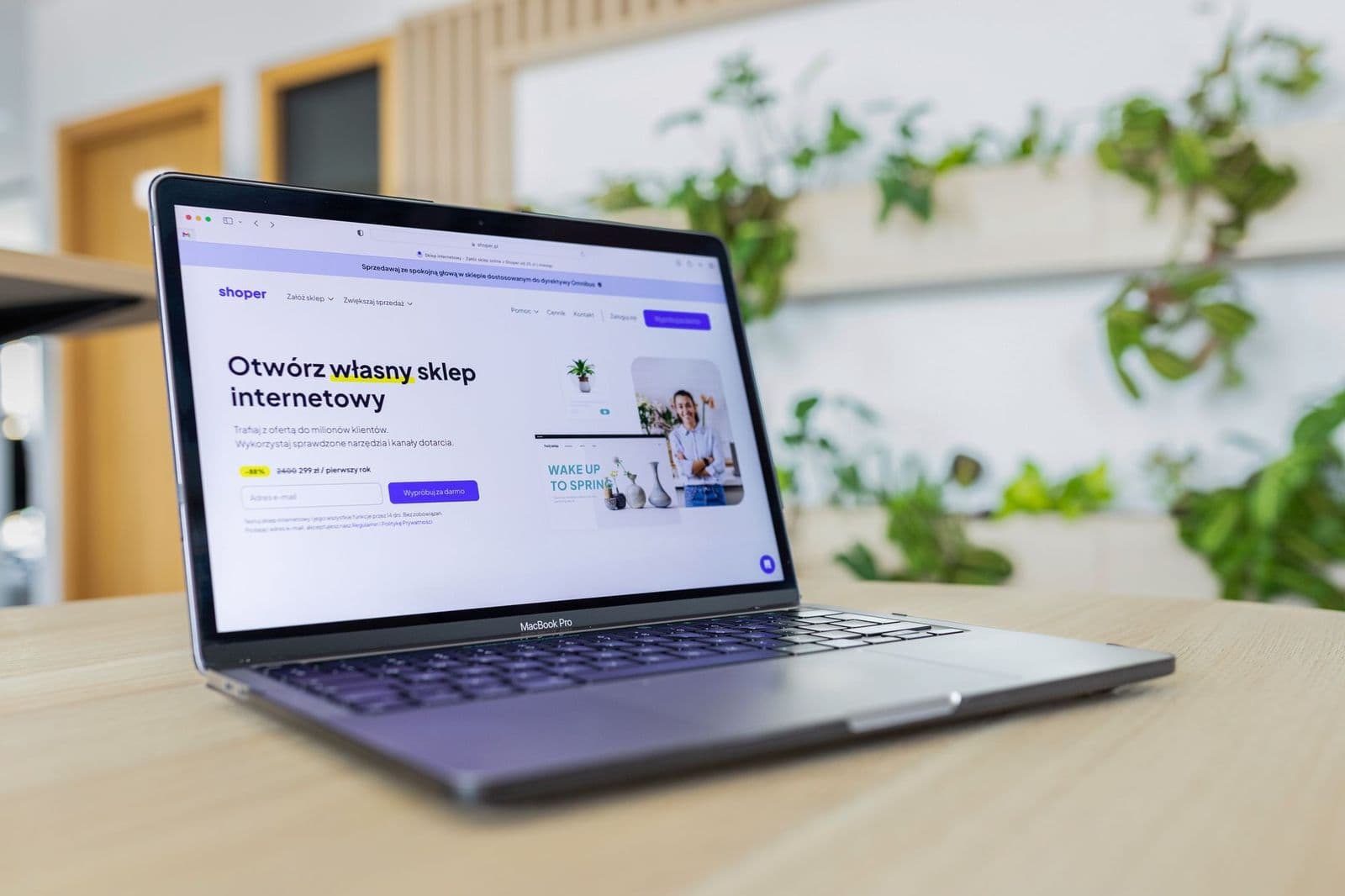
Small-laptop shoppers can compare weight, battery, screen, and ports to pick the best 11 inch laptops for travel and school.
Choosing the best 11 inch laptops well starts with understanding how you will actually use one. A small laptop earns its place by disappearing into a bag and lasting through a day away from a socket, without feeling cramped for real work. This guide walks through the choices that matter for travel, school bags, and small desks, so you can avoid paying for features you will never use.
The sections below explain what each feature means in daily use. Read the whole guide before you order, because fit, size, and setup often matter more than a single headline specification.
Who Should Buy Which Type
Different people need different strengths from a 11 inch laptop, even when the product name sounds the same. A daily user needs durability and comfort above all, while an occasional user may value simple controls and easy storage more. Think about how often you will use it, where it will live, and who else might share it.
First time buyers do well with a straightforward 11 inch laptop that covers the essentials without a steep learning curve. Regular users should pay more attention to wear parts, warranty, and comfort over long sessions. People with specific needs, such as limited desk space or a demanding routine, should let that need lead the choice rather than treating it as an afterthought.
Before you compare models, write down your top three priorities for travel, school bags, and small desks. That short list keeps you focused when marketing claims pull in different directions, and it makes trade offs easier to accept.
Key Features to Compare in the Best 11 Inch Laptops
Features only help when they match a real situation in your routine. The sections below explain the main features for a 11 inch laptop in plain language. Judge each one against your daily routine rather than in isolation, because a strength on paper can feel different in practice.
Weight and size
A small laptop shines when it fits easily in a bag, but check that the keyboard still feels comfortable for long typing.
Battery life
Battery life matters more on a small travel laptop, since you may work far from a socket for hours.
Screen quality
A sharp, bright screen keeps small text readable, which matters when the display itself is compact.
Ports and storage
Check ports for your accessories and storage for your files, since small laptops often trade expansion for size.
Keyboard and trackpad
On a compact body the keys are often closer together and the trackpad is smaller. If you type for long stretches, look for decent key travel and a layout that does not squeeze the arrow keys or shift keys. A trackpad that registers taps and gestures reliably saves you from carrying a mouse everywhere.
Performance, Memory, and Operating System
Most small laptops use low power processors that favor battery life over raw speed. That is fine for browsing, documents, video calls, and streaming, but it is not the right tool for heavy video editing or demanding games.
Memory matters more than many shoppers expect. About 8GB is a comfortable target for everyday multitasking, while 4GB can feel slow once you keep many browser tabs open. For storage, 128GB can work if you rely on cloud services, and 256GB or more is safer if you keep files on the laptop.
The operating system shapes the experience too. A ChromeOS laptop starts quickly, needs little maintenance, and suits web apps and schoolwork. A Windows laptop runs full desktop programs and offers more flexibility, but it usually needs more memory to feel smooth. Pick the system that matches the software you already use.
Is 11 Inches the Right Size for You?
Models at this screen size are less common than they used to be, and many compact laptops now sit around 12 or 13 inches. If you mostly work at a desk and only travel occasionally, a slightly larger screen may be easier on your eyes. If a light bag, tray table use, and a small footprint are your priorities, 11 inches remains a sensible choice. Compare the options before you commit, and decide how much screen area you can give up for portability.
Size, Fit, and Setup
Try the keyboard and trackpad if you can, and check that the laptop fits your bag with its charger. Take measurements twice, and remember that bag pockets and sleeves can limit choices that look fine on a product page.
Allow time for setup and a short adjustment period. Read the instructions fully before first use, check every setting, and try the laptop in a normal session before deciding whether it truly suits you. Small setup mistakes often explain early disappointment that has nothing to do with quality.
Back up important files regularly, since a travel laptop faces more bumps and drops than a desk machine.
Common Mistakes to Avoid
One common mistake is choosing on price alone, without checking fit, size, or running costs. A cheaper 11 inch laptop that does not fit your routine often costs more in returns, replacements, and frustration than a slightly dearer option chosen carefully.
Another mistake is trusting a single specification as a shortcut for quality. Balance several features together, read the warranty terms, and check what happens when a part wears out. A balanced choice usually ages better than one built around a single impressive number.
Care and Long Term Use
Keep software updated, clean vents gently, and store the laptop in a padded sleeve. Regular care also reveals wear early, when a small fix still prevents a bigger problem.
Keep the manual, receipt, and warranty information together, and note the date you bought the product. When you need a repair, that information saves time and avoids guesswork.
Related Buying Guides
If you are still comparing screen sizes or carrying options, these guides cover closely related choices:
- Best laptops with an 11 inch screen
- Best notebook laptops
- Best 14 inch laptops
- Best 17 inch laptops
- Best 13 inch laptops
- Best laptop backpacks
Frequently Asked Questions
What size should I choose?
Start with your space and how you carry it. Measure the bag or desk area where the 11 inch laptop will live, then compare those numbers with the product dimensions. A size that fits your routine matters more than the largest option, because a cramped fit causes daily frustration. Check the return policy before you order.
How much should I budget?
Set a budget range before you shop, then judge options inside that range on the features you will use every week. Spending more usually buys durability, better materials, or a better screen, but it does not always buy a better fit for your routine. A mid range option often gives the best balance, while a cheaper option can work well for light use. Leave room in the budget for a sleeve and accessories.
How long should it last?
Lifespan depends on build quality, how often you use it, and how well you care for it. Check the materials, the warranty, and the parts that wear first, such as the battery and hinges, since those details predict long term value better than a headline claim. Gentle use and regular cleaning extend life noticeably.
Will it work with what I already own?
Compatibility saves money and frustration. List the items it must connect with, such as a monitor, mouse, or charger, and check ports and power needs against that list. Confirm any adapter you might need, and ask the seller a specific question about your setup before ordering if you are unsure.
How should I store it when it is not in use?
Good storage protects your purchase and keeps it ready for next time. Shut it down, wipe the screen and keyboard, and store it in a padded sleeve in a cool, dry place away from sunlight and heavy items. Avoid damp garages and hot cars where materials can warp or crack.
Final Thoughts
Take your time, measure carefully, and choose one of the best 11 inch laptops that fits your space, routine, and budget rather than the loudest claim you see. Your own priorities should make the final call.
Once you have a shortlist, recheck size, fit, and warranty, and confirm delivery and return terms before you order. A careful final check turns a good guide into a purchase you will still be happy with months later.