Best 1000 Grit Whetstone (2026): How to Choose
Disclosure: We may earn a commission when you buy through links on this page, at no extra cost to you. As an Amazon Associate I earn from qualifying purchases. Learn more

A practical guide to the best 1000 grit whetstone: what matters, what to skip and how to avoid common buying mistakes.
Picture a Sunday afternoon in a small kitchen: three knives on the counter, all too dull to bite into a tomato skin, and one drawer already full of gadgets that never get used. A single good stone fixes that problem without eating storage space. The best 1000 grit whetstone for your home depends on how many people cook, how much counter room you can spare, and how often you will sharpen.
This guide walks you through stone types, the features that matter for daily home use, and realistic prices, so you can match one stone to your household. If you are still weighing grit levels across the whole category, our guide to the best whetstone covers the wider range. Start with the comparison table below, then use the checklist to confirm the details.




Quick Answer: Choosing a 1000 Grit Stone in 30 Seconds
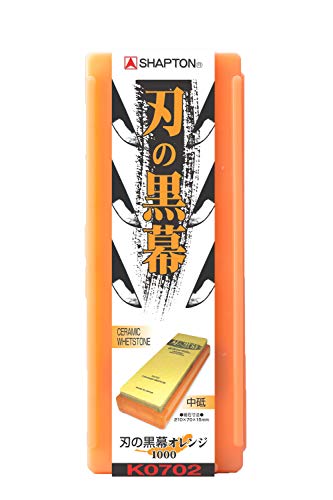
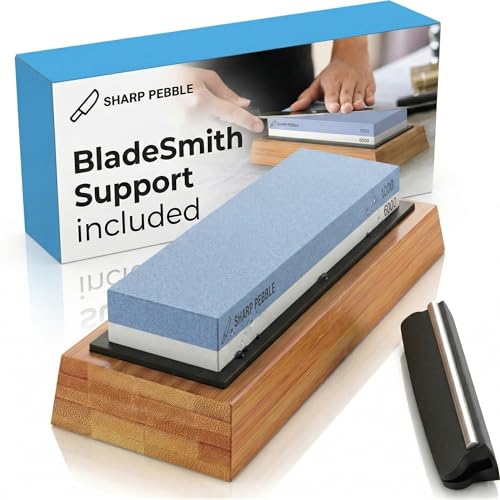
A 1000 grit stone sits in the middle of the sharpening range. It is coarse enough to restore a dull kitchen knife that still has an intact edge, and fine enough to leave that edge ready for everyday slicing. Pick a soaking stone for the lowest price, a splash and go stone for weeknight sharpening with no prep, and a combination stone if your knives range from dull to nearly sharp and you want one purchase to cover both ends.
Before You Buy: A Quick Checklist for Choosing a Whetstone
Six checks cover almost every buying decision at this grit, and the right type usually becomes obvious.
Which Type Fits Your Routine
Soaking stones sit in water for about 5 to 10 minutes before use and reward you with smooth feedback and a low price, but they wear faster and need flattening more often. Splash and go stones need only a sprinkle of water, so they suit short sessions after dinner. Combination stones pair the 1000 grit side with a finer side for polishing. Diamond plates cut fast and stay flat, a plus for very hard steels, and our guide to the best diamond whetstone explains when that trade is worth it.
Features Worth Paying For and Ones to Skip
A stable holder with a nonslip base is worth paying for, since a stone that slides mid stroke ruins edges and risks cuts. An angle guide helps new sharpeners hold a steady angle during the first months of practice, and our roundup of the best whetstone for beginners shows which bundles include one. A flattening stone matters once you sharpen monthly or more. Skip oversized cases you will never pack and multi stone sets that duplicate grits you already own. In a small home, one flat stone in a drawer beats a boxed set on the counter.
Steel Type and Hardness
Most German style kitchen knives sit around 56 to 58 HRC, while many Japanese knives run harder, around 60 to 63 HRC. A 1000 grit stone sharpens both, but harder steel takes more passes before a burr forms, so expect longer sessions with hard Japanese blades. Softer steels respond quickly and can feel almost grabby on a soft soaking stone, a sign to lighten your pressure. Extremely hard steels may call for a diamond plate instead. Check the hardness in your knife maker specifications if you are unsure where your set falls.
Blade Geometry: German Versus Japanese
German blades usually carry a thicker edge sharpened near 20 degrees per side, while Japanese blades are thinner and often sit near 15 degrees per side. The thinner geometry contacts the stone over a narrow bevel, so small angle errors show up fast and a guide helps at first. Thicker German edges forgive sloppy strokes. Households running both styles do fine on one stone, since only your angle changes. For pairing advice, see our guide to the best whetstone for kitchen knives.
Bolsters, Handles, and How a Knife Meets the Stone
A full bolster, the thick guard between blade and handle, can block the heel of the edge from touching the stone, leaving the back section dull while the rest sharpens. If your knives have one, tilt the blade slightly as you work the heel. Handle shape matters too, since a bulky handle can knock the stone at the end of each stroke. Stones at least 8 inches long give the full edge room to travel without the handle crowding your fingers.
Realistic Budget Ranges
- Under $30: a basic soaking stone or a small combination stone, usually sold without a holder, so budget a little extra for a base or use a damp towel.
- About $30 to $50: larger stones with more consistent grit, often bundled with a holder or an angle guide, and the sweet spot for most households.
- About $50 to $100: premium splash and go stones that arrive flatter, wear more slowly, and feel smoother, worth it if you sharpen for a big family every week.
Three Stone Types Compared for Home Kitchens
Instead of ranking individual models, compare the three formats that cover nearly every home.
Soaking Water Stones
The classic choice, and still the best value for a first stone. You soak it until bubbles stop rising, then sharpen over a tray or the sink. The surface feels smooth and forgiving, which makes it easier to sense the angle as you learn. The trade offs are prep time, a messier counter, and faster wear. In a one or two person home where sharpening happens once a month, those costs stay small and the low price wins.
Splash and Go Water Stones
These stones need only a splash of water and are ready in seconds, which fits busy households where sharpening has to happen between dinner and cleanup. They tend to be harder, so they wear slowly and stay flat longer. The feel is a little less forgiving for learners, and prices run higher than soaking stones of the same size. For a family kitchen with four or more regular cooks, the saved prep time adds up fast.
Combination Stones With a 1000 Grit Side
A combination stone bonds the 1000 grit layer to a finer layer, often 3000 or 6000 grit, so one purchase covers both restoring a dull edge and refining it. That pairing suits apartment kitchens and anyone who wants a single stone in the drawer. Each side is thinner than a full stone, so it wears through sooner if you sharpen often. Choose this format when your knives are dull but not damaged, and you want a polished finish without extra gear or storage.
What Home Buyers Feel Most
Home buyers feel a handful of factors most: how flat the stone arrives, grit consistency, stone size, surface wear, what the bundle includes, and price for the format. Manufacturer specifications and patterns in buyer feedback, such as repeated reports of cracking or fast dishing, are the best guides to what holds up in daily home use.
Strengths and Limits of 1000 Grit Stones
The appeal of this grit is its balance. It removes metal fast enough to revive a knife that has gone dull over months of board work, yet it leaves an edge smooth enough for onions, herbs, and cooked meats without a second stone. One stone also keeps the learning curve simple, since you master one surface and one angle. If your technique is new, our walkthrough on how to use a whetstone covers stroke basics.
The limits are just as clear. A 1000 grit stone will not fix a chipped edge in reasonable time, since chips need a coarser stone around 400 grit first. It also stops short of the refined edge that sushi focused cooks want, which calls for 3000 grit or higher. And like every water stone, it asks for water management and flattening that honing rods do not. Buy it as your main stone if your knives are dull but intact, and add a partner stone later only if a real gap shows up.
Common Buying Mistakes to Avoid
- Buying a stone shorter than your longest knife: the edge cannot travel in one smooth stroke, so sections sharpen unevenly.
- Expecting 1000 grit to repair chips: you will spend an hour grinding and barely move the damage, when a coarse stone does it in minutes.
- Soaking a splash and go stone for a long bath: many of these stones can crack or soften when left submerged, so follow the maker directions.
- Skipping the holder to save money: a stone sliding on a wet counter is both a sharpening problem and a safety problem.
- Storing the stone wet in a closed box: trapped moisture invites mold and can stain the surface before your next session.
Cost of Ownership and Care
A 1000 grit stone has no running costs beyond water and two accessories. A flattening stone runs about $15 to $30 and restores a level surface once the middle of your stone dishes from repeated strokes. An angle guide costs about $10 if you want one. Rinse the stone after each session, let it dry fully on a towel, and store it dry. Our step by step guide on how to clean a whetstone covers stuck metal particles in detail. Flatten little and often, since a small dip takes a minute to fix, while a deep dish wastes good stone.
Your Questions, Answered
What is the most reliable whetstone brand?
Reliability at 1000 grit shows up as consistency rather than a famous name. Look for stones whose grit rating follows a stated standard, since ratings from different systems can feel coarser or finer than the number suggests. Check that the maker states the stone dimensions and binder type, and that recent buyer reports mention flat arrival without chips. A maker that sells matching flattening stones and holders also signals a real product line, which makes support simpler years later.
How do you clean a whetstone after sharpening?
Rinse the stone under running water and rub the surface with your fingertips to lift the gray slurry and loose metal. For stubborn dark patches where metal has loaded into the surface, rub a small dressing stone across it under water until the original color returns. Never use soap, since residue can clog the surface and change how it cuts. Stand the stone on its long edge to dry so air reaches both faces evenly.
Is a whetstone worth it for a home kitchen?
For most homes, yes, once you count repeat costs. Sending knives out for professional sharpening a few times a year can pass the price of a good stone within about two years, and the stone keeps working long after that. You also sharpen on your own schedule instead of waiting on a shop. The real cost is learning time: expect two or three practice sessions on an old knife before your edges feel consistent.
How long does a 1000 grit whetstone last?
A standard stone about 1 inch thick can last a home cook 5 to 10 years of monthly sharpening, since each session removes very little material. Lifespan drops if you flatten aggressively or sharpen weekly for a large household. Watch the thickness at the center rather than the edges, since the middle wears fastest and tells you when replacement is near. When the stone gets thin enough to flex or crack under pressure, retire it before it breaks mid stroke.
What is the best 1000 grit whetstone for most homes?
The best fit for most homes is an 8 inch stone in the format that matches your routine, soaking for value or splash and go for speed, with a holder in the bundle. Size matters more than brand, since a longer stone covers a full chef knife edge in one pass and feels stable while you learn. If your knives are intact but dull, that single stone handles the whole drawer. Add a finer stone later only when you notice the edge could feel smoother on delicate work.
Final Thoughts
One stone, chosen for your kitchen size, your household, and your routine, will keep a whole drawer of knives working without clutter or repeat sharpening fees. Check the product table above against the checklist: type first, then size, holder, and budget. When you land on the best 1000 grit whetstone for your home, it tends to stay in service for years.