Best 1000 6000 Whetstone (2026): How to Choose
Disclosure: We may earn a commission when you buy through links on this page, at no extra cost to you. As an Amazon Associate I earn from qualifying purchases. Learn more

A practical guide to the best 1000 6000 whetstone: what matters, what to skip and how to avoid common buying mistakes.
A house knife that once glided through tomatoes now crushes them, and dinner prep slows while you saw at an onion. A best 1000 6000 whetstone solves that in one tool, since the 1000 grit side restores a dull edge and the 6000 grit side polishes it smooth. This guide helps you choose by space, household size, and budget.
You will learn which stone size fits your counter and storage, which extras earn their cost, and how the two grits suit the knives you already own. Start with the comparison table below, then use the checklist to narrow your choice.


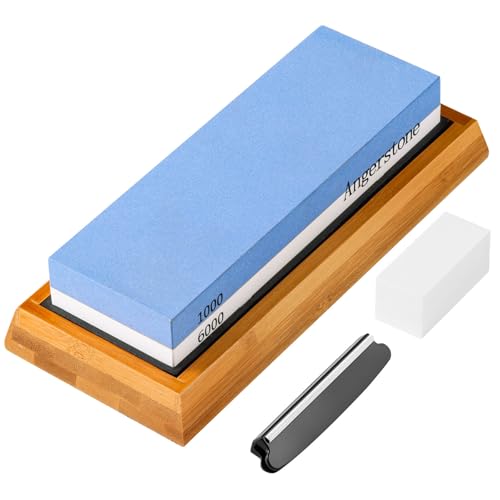
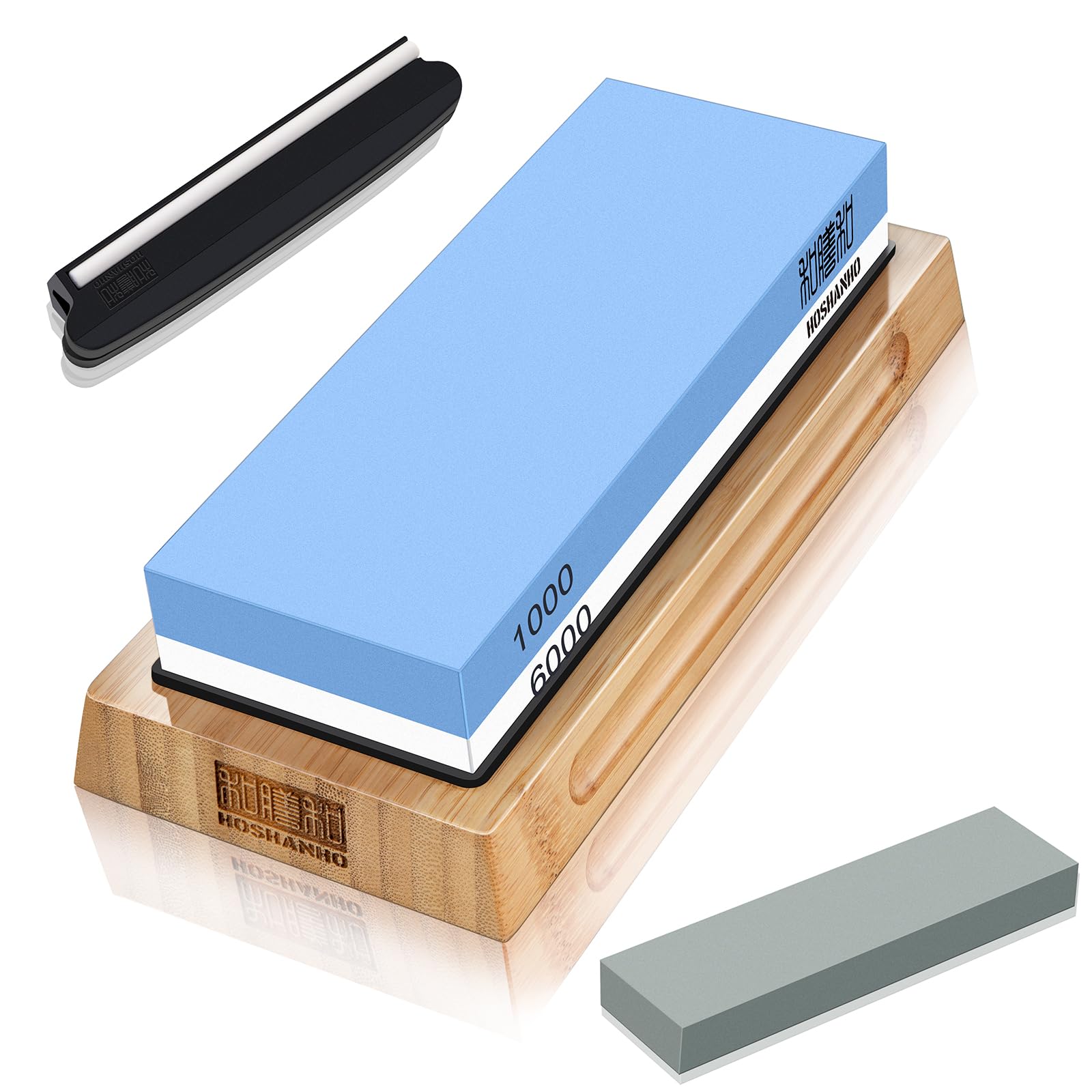


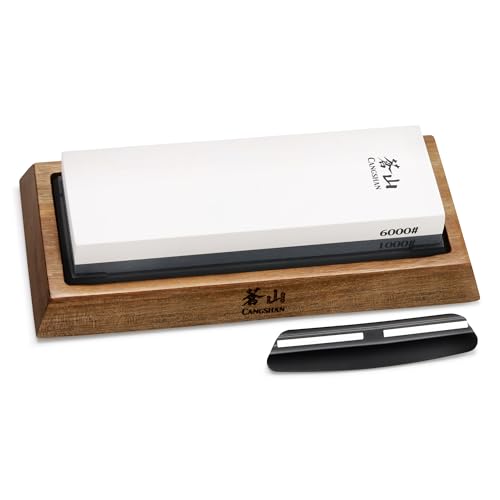

Quick Answer: The Short Version
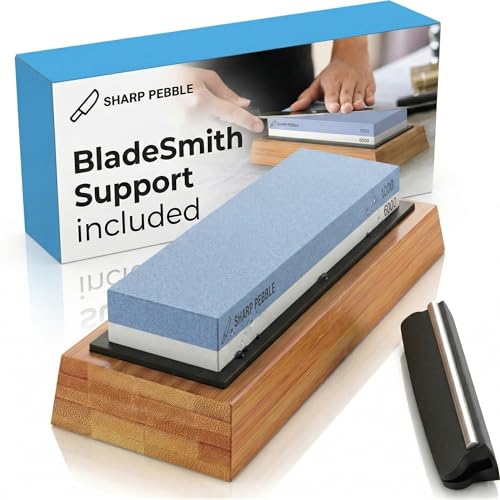
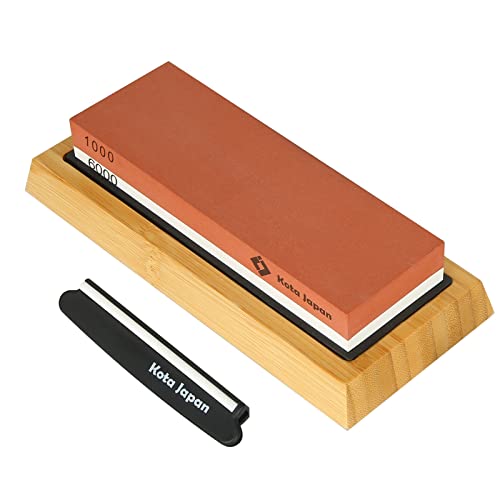
A 1000 6000 combination stone is the right single purchase for most homes because it covers the two jobs home knives need most, routine repair of a dull edge and fine polishing for clean cuts. Choose a standard size stone if you cook daily, a compact stone if storage is tight, and a stone sold with a holder and flattening tool if you are new to sharpening.
Before You Buy: A Quick Checklist for Choosing a Whetstone
Which Type Fits Your Routine
Most 1000 6000 stones are water stones, which means you soak them before use or splash water on the surface as you work. Soaking stones suit a calm weekend routine where you set up at the sink and sharpen several knives in one session. They cut fast and give clear feedback through your hands, so you can feel when the edge meets the stone at a steady angle.
A household that cooks most nights benefits from a full size stone that stays stable under longer chef knives, while a small apartment kitchen may do better with a shorter stone that stores in a narrow drawer. For a broader view, our guide to the best whetstone compares water stones with other common options.
Features Worth Paying For and Ones to Skip
Three extras genuinely help. A holder keeps the stone from sliding on a wet counter and raises it so your knuckles clear the surface. An angle guide clips onto the spine of the knife and helps new users hold a consistent angle during the first few sessions. A flattening stone keeps the surface level, since the middle wears faster than the edges and a dipped surface sharpens unevenly.
Other extras add cost with little return. Large bundles with many grit levels sound complete, but a home cook rarely needs grits below 1000 unless a blade is badly chipped, and grits above 6000 give a mirror polish that matters more for presentation than for daily cooking. If this is your first stone, our guide to the best whetstone for beginners can help you pick which extra to prioritize.
Steel Type and Hardness
The steel in your knives shapes how each grit behaves. Softer stainless steels, common in budget and mid range sets, dull sooner but respond quickly on the 1000 side, often needing only a few passes per side before a burr forms. Harder steels hold an edge longer, yet they take more passes on the 1000 side to repair, and they reward the 6000 side with a finer edge. Very hard blades need a lighter hand, since pressing hard can chip a thin edge.
Blade Geometry: German and Japanese Styles
German style kitchen knives tend to have thicker blades, curved profiles, and edge angles suited to rocking cuts and heavy board work. That thickness means the 1000 side restores them reliably, and the 6000 side adds smoothness without making the edge feel fragile. These knives also forgive a slightly uneven angle, which makes them friendly practice blades.
Japanese style knives are usually thinner, harder, and sharpened at narrower angles, so they gain the most from the 6000 polishing side and reward a steady hand. A thin blade also shows mistakes faster, since a wobbling stroke widens the edge instead of refining it. If your collection leans Japanese, our guide to the best whetstone for kitchen knives covers pairing stones with blades.
Size, Weight, and Storage in a Real Home
Stone length matters more than many buyers expect. A stone around 7 to 8 inches long lets you use long, smooth strokes with a standard chef knife, and the blade stays on the surface through the full pass. Shorter stones around 6 inches still work, but you will use shorter strokes and more of them, which makes a steady angle harder at first.
A heavier stone stays put with less help from a holder, while a lighter stone travels easily if you sharpen at a cabin or a rental home. Store the stone dry, wrapped in a cloth or in its box, away from utensils that can chip its corners.
Realistic Budget Ranges
At under about $30, expect a serviceable combination stone with modest size and few extras. These stones sharpen well, though they may wear a bit faster and dish sooner, so plan on flattening more often. This tier suits a first stone for a small household.
Spending about $30 to $60 usually buys a larger, denser stone, often with a holder included, and a flatter surface from the start. At about $60 to $100, you pay for premium density, slower wear, and complete sets with a flattening stone and angle guide in the box. A higher price buys convenience and lifespan more than sharper results, since your technique decides the edge.
Types Compared: How 1000 6000 Stones Differ
Standard Combination Water Stones
The classic option is a single rectangular block with 1000 grit on one face and 6000 grit on the other. You soak it, work the dull edge on the coarse face until a burr forms along the full length, then flip it and polish on the fine face. This type offers the best balance of price, size, and learning value.
Stones Sold as a Full Set
Sets bundle the stone with a holder, an angle guide, and sometimes a flattening stone and a storage box. For a busy household where several people might sharpen, the holder keeps the setup consistent and the box keeps every part in one place.
Dense Premium Grade Stones
Denser stones wear slowly, stay flat longer, and give a smoother feel under the blade, which helps you sense the angle through your fingertips. Some premium stones need only a splash of water instead of a long soak, which shortens setup on a weeknight. If you sharpen weekly for a large household, that durability can justify the higher price.
A diamond plate cuts faster and never dishes, but it removes steel aggressively and can feel harsh under a thin blade while you learn. If that trade off appeals to you, see our guide to the best diamond whetstone for a fuller comparison.
What Decides Daily Satisfaction
Daily satisfaction comes down to stone size against common knife lengths, density and wear rate, what the box includes, setup and cleanup needs, and total cost over years of use. Maker specifications for grit ratings and dimensions help, as do patterns in buyer feedback about cracking, dishing and holder fit.
1000 6000 Compared With Other Grit Options
A single 1000 grit stone restores dull edges well but leaves a slightly rough finish that tears soft tomato skin and drags through onions. A single 3000 or 6000 grit stone polishes beautifully, yet it removes steel so slowly that reviving a truly dull knife takes a long and frustrating session. The combination format covers both ends of home sharpening in one purchase.
What you give up is specialization. A dedicated coarse stone below 1000 grit repairs chips faster, and a finishing stone above 6000 grit gives sushi level polish. Most home cooks never need either extreme. For step by step technique, the walkthrough at how to use a whetstone shows stroke order, burr checks, and when to move from the coarse side to the fine side.
Common Buying Mistakes to Avoid
- Buying a stone too short for your longest knife, which forces choppy strokes and an uneven edge.
- Paying for a large bundle of grits you will never use, when two grits in one stone cover home needs.
- Choosing the cheapest stone for daily cooking, then replacing a fast wearing stone sooner than expected.
- Skipping a holder, then fighting a sliding stone on a wet counter during every session.
- Storing the stone wet in a sealed box, which invites odor and surface damage.
- Expecting the stone to fix a bent tip or a large chip quickly, jobs that need a coarser grit or professional repair.
Cost of Ownership and Care
Owning a water stone costs little beyond the purchase. Your ongoing needs are water, a towel, and a flattening stone every so often, and a flattening stone costs about $10 to $20 and lasts for years. There are no filters or replacement parts on a schedule, and a stone in a typical household can serve for many years.
Rinse the surface after each session to clear steel particles, let the stone air dry fully before storing it, and keep it away from oils, since oil clogs a water stone and ruins its cutting action. Flatten the surface when you see a visible dip in the middle. For a fuller routine, read how to clean a whetstone before your first deep clean.
Your Questions, Answered
What is the most reliable whetstone brand?
Reliability here comes from consistent grit ratings and dense, even bonding rather than from a famous name. Stones from long established makers tend to match their stated grit and resist cracking, while no name stones vary more from batch to batch. Check recent buyer feedback for reports of crumbling edges or stones arriving cracked, and favor sellers with easy returns.
How do you clean a whetstone?
Rinse the stone under running water and rub the surface with your fingers or a stiff brush to lift the gray steel residue that builds up as you sharpen. For a surface that still feels slick or loaded, rub it briefly with a flattening stone under water to expose fresh grit. Dry the stone fully in open air before storing it.
Is a whetstone worth it for a home kitchen?
Yes, for most households that cook several times a week. One combination stone replaces pull through gadgets that tear at edges and removes the cost and delay of sending knives out for sharpening. The skill takes two or three sessions to learn, and after that a full set of house knives takes about fifteen minutes to refresh.
How long does a whetstone last?
A standard water stone used by a home cook usually lasts several years, and many last far longer. Lifespan depends on how often you sharpen, how hard you press, and how often you flatten the surface, since flattening removes a thin layer each time. Most stones retire when the coarse side grows too thin to hold comfortably in its holder.
Are 1000 6000 whetstones worth it?
They are worth it when your knives swing between dull and polished rather than needing one kind of work only. The pairing covers the full cycle of home sharpening, repair and refinement, at a lower total cost than two separate stones of similar quality. They are less worthwhile if you already own a good medium grit stone, since a standalone fine stone then fills your gap for less.
What is the best 1000 6000 whetstone for your home?
The right choice matches your longest knife, your storage space, and your routine. Pick a full size stone with a holder if you cook daily and sharpen several knives at once, or a compact stone if drawer space is scarce. Add a flattening stone if the box lacks one, since a level surface protects every other part of your investment.
Final Thoughts
A combination stone is a small purchase that changes daily cooking more than most kitchen gear, since sharp knives make prep faster, safer, and calmer for the whole household. Weigh stone length against your longest blade and decide which extras you will truly use. When you are ready, the best 1000 6000 whetstone for your home is the one in the product table above that fits your space and routine, and it will keep your knives ready for years with water and a little practice.