Best 10 Gpm Tankless Water Heater (2026): How to Choose
Disclosure: We may earn a commission when you buy through links on this page, at no extra cost to you. As an Amazon Associate I earn from qualifying purchases. Learn more

A practical guide to the best 10 gpm tankless water heater: what matters, what to skip and how to avoid common buying mistakes.
A 10 gallon per minute rating sounds generous, yet many homes still run short of hot water because that rating only holds at a modest temperature rise. Choosing the best 10 gpm tankless water heater means matching the rated flow to your climate, your fuel supply, and the number of fixtures that run at the same time. This guide compares the main types on installation and compatibility, build quality, and value, so you can size with confidence. Use the comparison table below to see how the types differ at a glance.
Instead of naming individual models, we walk you through the decisions that separate a good fit from a costly mistake: fuel type, venting, condensing technology, recirculation, and the utility upgrades a unit of this size often needs. For the broader picture, our guide to the best tankless water heater options covers smaller and larger capacities too.



Who Should Buy a 10 Gpm Tankless Water Heater?
Busy Households With Three or More Bathrooms
If your mornings involve two showers, a dishwasher, and laundry competing for hot water, a 10 gpm unit is built for that overlap. It can typically supply two showers plus one or two smaller draws at once in mild conditions. Homes that host guests often or have a soaking tub also benefit, because the heater keeps delivering as long as the tap stays open rather than emptying a stored tank.
Cold Climate Homes That Need Real Temperature Rise
In northern regions, incoming water can arrive at 40 to 50 degrees Fahrenheit, so the heater must lift it far more to reach a comfortable shower temperature. That extra lift cuts the usable flow well below the headline rating. A 10 gpm model gives you headroom: even after the cold climate penalty, it can still serve a couple of showers at once. Smaller units that look adequate on paper often fall short in January for exactly this reason.
Homeowners Replacing a Large Tank and Wanting Endless Supply
If your family has outgrown a 50 or 75 gallon tank, going tankless at this capacity removes the recovery wait between showers. You also free up floor space and stop paying to keep stored water hot around the clock. Before committing, our breakdown of tankless vs tank water heater running costs and lifespan shows where each style wins.
Key Features to Compare
Flow Rate and Temperature Rise
Every tankless rating is tied to a temperature rise, which is the gap between incoming water temperature and your set output temperature. A unit advertised at 10 gpm may only deliver about 6 to 7 gpm when it must raise water by 70 degrees. Check the maker flow chart for your local groundwater temperature rather than trusting the box number. Also look at the minimum activation flow: a low threshold, around 0.4 to 0.5 gpm, means a single hand washing tap triggers heat instead of sending a burst of cold water.
Fuel Type and Utility Capacity
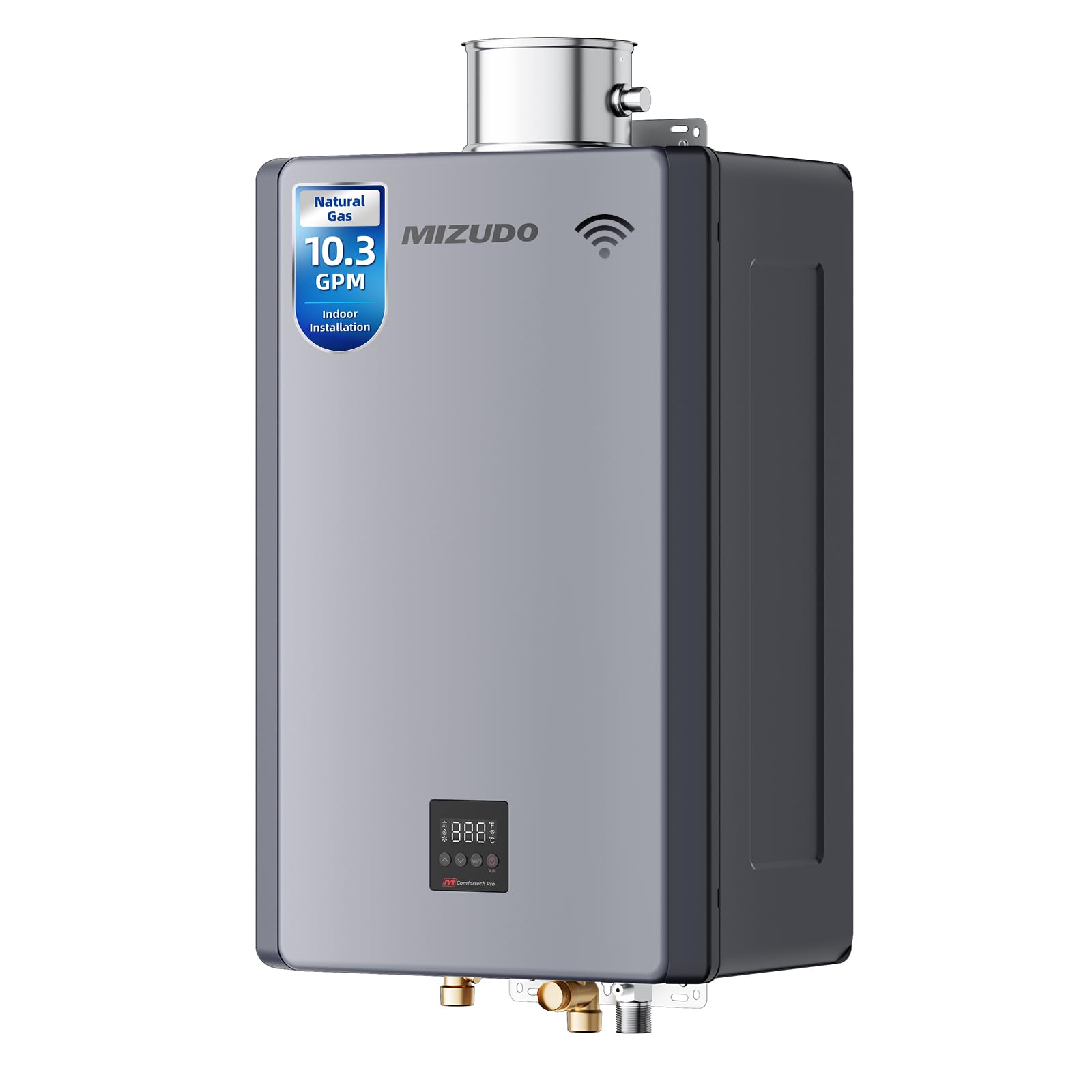
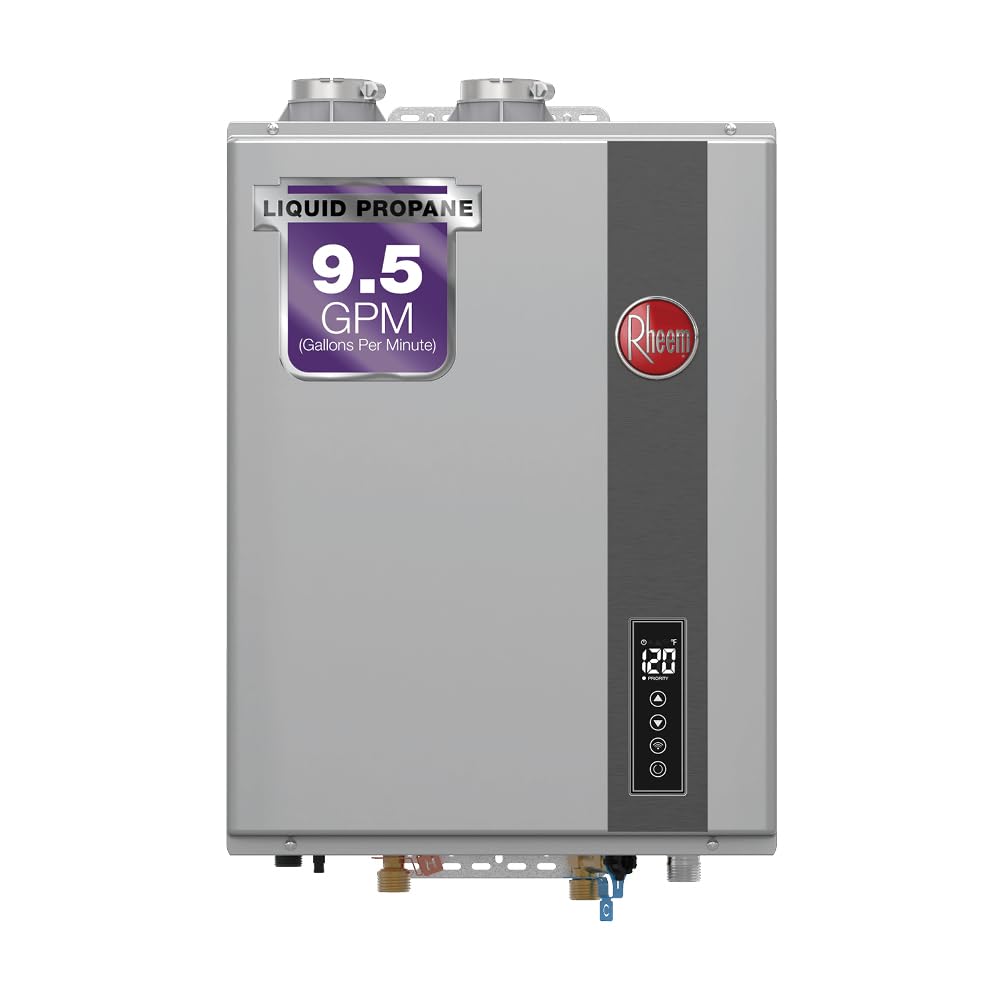
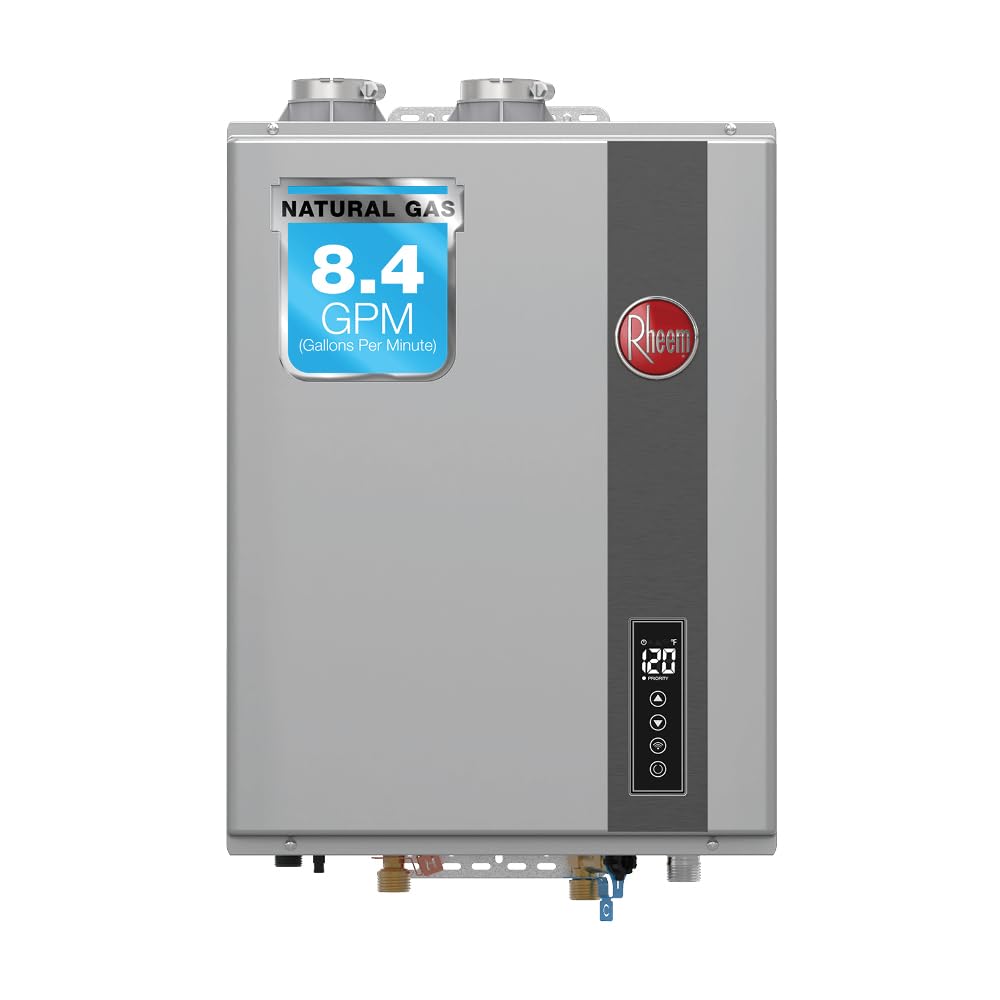
Only gas and propane models realistically sustain 10 gpm for a whole house, because they can release far more heat per minute than a household electrical service can supply. Large electric models exist, but reaching this flow electrically usually demands several dedicated high amp circuits and a service panel upgrade. If your home has natural gas, start with our overview of the best gas tankless water heater category, and confirm your gas line and meter can feed a burner in the range of about 150,000 to 199,000 BTU per hour at full fire.
Condensing Versus Standard Efficiency
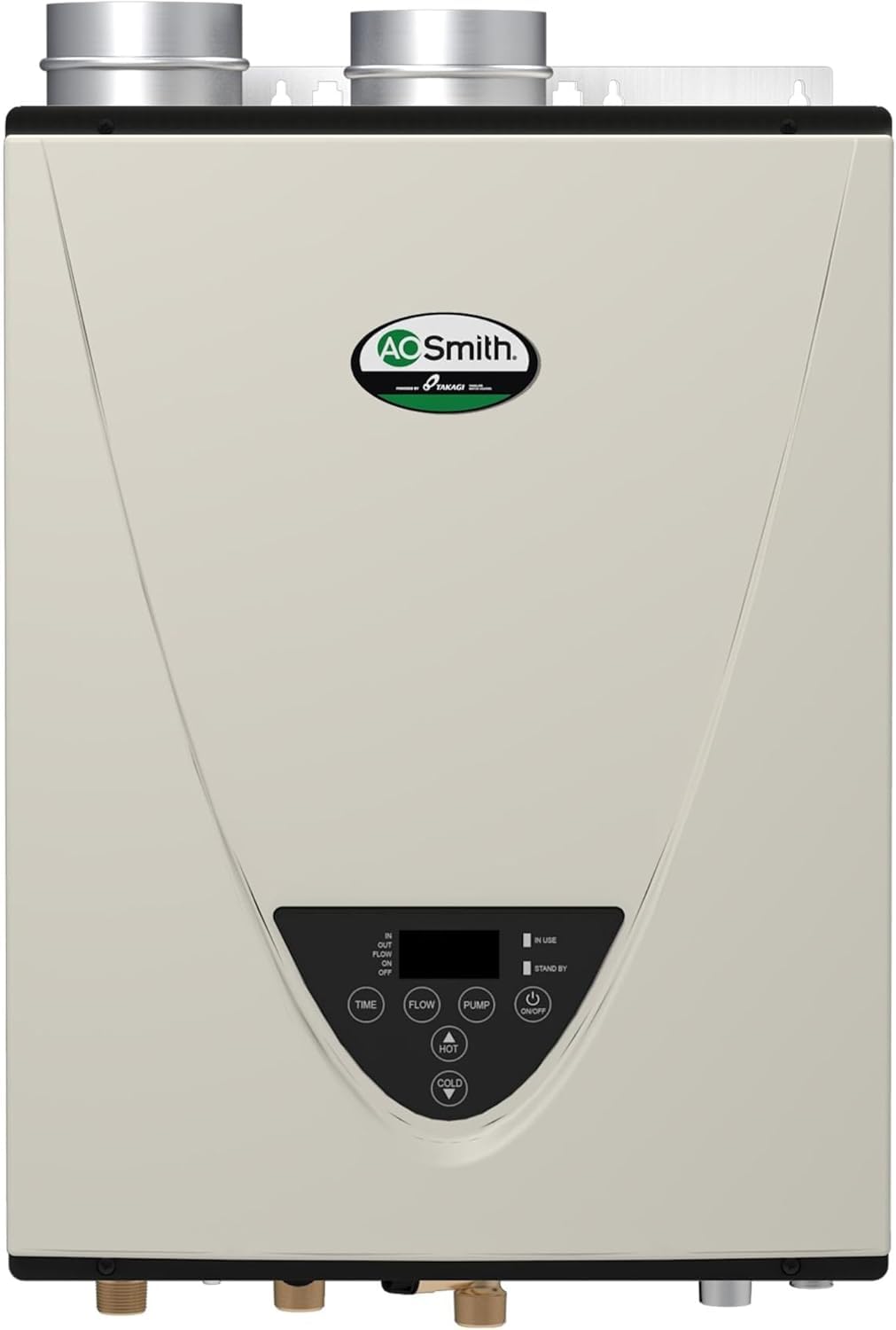
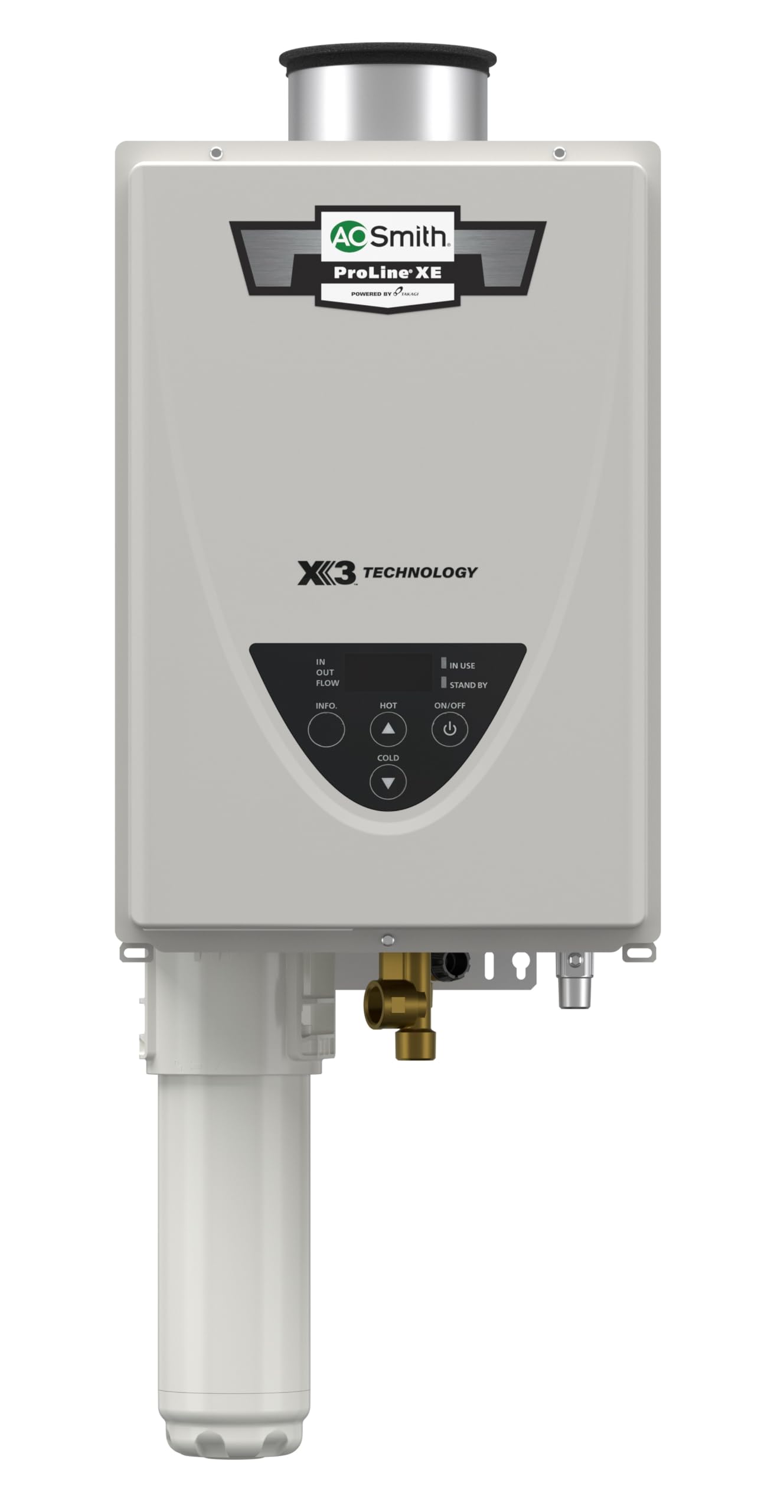
Condensing units add a second heat exchanger that captures heat from exhaust gas, pushing efficiency to about 90 percent or higher and allowing venting with plastic pipe. Standard units run closer to 80 to 85 percent and need stainless steel venting that costs more to install. The condensing design costs more upfront, and its condensate must drain somewhere, sometimes through a neutralizer. In a home with high hot water use, the fuel savings usually repay the gap; in a low use vacation property, the simpler standard unit may be the smarter buy.
Recirculation and Smart Controls
A built in recirculation pump keeps hot water moving through a loop so distant faucets deliver heat in seconds instead of after a long wait. Some models include the pump, while others only offer a connection for an external one, so read the spec sheet closely. WiFi control lets you adjust temperature, view error codes, and schedule recirculation from your phone. These features add cost and complexity, so they pay off most in large homes with long pipe runs.
Build Quality and Heat Exchanger Material
The heat exchanger is the heart of the unit and the part most stressed by daily heating cycles. Copper exchangers conduct heat well and resist corrosion, while stainless steel versions handle acidic condensate better in condensing designs. Look for thick exchanger walls, accessible inlet filters you can rinse, and a casing that seals well against dust and moisture. Warranty length on the exchanger, often 12 to 15 years for residential use, signals how much the maker trusts its own construction.
Certifications and Safety Features
Look for listings from recognized certification bodies such as CSA or UL, plus low NOx compliance if your region regulates emissions, as parts of California do. Energy Star certification signals verified efficiency for qualifying gas models. Practical safety features include freeze protection for cold snaps, a pressure relief valve connection, flame failure shutoff, and overheat sensors. For drinking water safety, wetted parts should meet lead free requirements under NSF ANSI 372. Skipping certification checks to save money can cause a failed inspection and force a costly reinstall.
Is a 10 Gpm Tankless Water Heater the Right Size for You?
Add up the flow of everything that might run together. A standard shower head uses about 1.5 to 2.5 gpm, a washing machine about 2 gpm during fill, a dishwasher about 1.5 gpm, and a bathroom faucet about 1 gpm. A realistic worst case morning in a family home lands near 7 to 9 gpm before the climate adjustment, which is why this size class exists.
Then apply your temperature rise. If your groundwater sits near 50 degrees and you set the heater to 120 degrees, plan on roughly two thirds of the rated flow. That leaves about 6.5 gpm of true capacity, enough for two showers and a faucet. If your math lands well under that, a smaller and cheaper unit may serve you fine; if it lands over, consider two units in parallel or one higher capacity model.
Installation and Budget: What to Expect
Installation is where budgets surprise people. A gas unit of this size may need a larger gas line, new venting through a wall or roof, a condensate drain, and a dedicated electrical outlet for the controls and fan. Electric models shift the cost to panel capacity and multiple heavy gauge circuits, which is why our look at the best electric tankless water heater range focuses on smaller point of use and mid size duties. For a full breakdown of labor and parts, see our guide to tankless water heater installation cost before you request quotes.
For the unit itself, expect about $700 to $1,800 depending on fuel type and whether it condenses. Installed totals commonly land around $2,000 to $4,500 when venting and gas work are included. A straightforward swap in a home already plumbed for tankless sits at the low end, while a first time conversion from a tank in a finished basement sits at the high end. Licensed installation also protects your warranty, since many makers require professional fitting and documented commissioning.
Common Mistakes to Avoid
- Sizing from the headline rating alone: ignoring temperature rise leaves you with lukewarm showers whenever two fixtures run together.
- Assuming the existing gas line is enough: a high fire burner can starve on an undersized line and lock out with error codes.
- Mounting far from the main bathrooms: long pipe runs waste water and make recirculation almost mandatory, adding cost you did not plan for.
- Skipping the condensate plan on condensing models: acidic condensate dripping onto concrete or into the wrong drain causes damage and code problems.
- Ignoring inlet water hardness: scale coats the exchanger, cuts efficiency, and shortens service life in hard water areas.
- Setting the output too high and mixing down: running at 140 degrees wastes energy and raises scald risk, while 120 degrees suits most homes.
How to Make Your Tankless Water Heater Last Longer
Descaling is the single most important habit. Mineral scale insulates the exchanger, so the burner works harder and hot spots form. Flush the unit with a pump and a descaling solution or plain white vinegar about once a year, or more often with very hard water. Our step by step guide on how to clean a tankless water heater walks through the hose and valve setup in detail.
Between flushes, rinse the inlet water filter every few months, since a clogged screen restricts flow and can trigger shutdowns under load. Keep the vent terminations outside clear of snow, mulch, and insect nests, and leave clearances around the unit open so it can draw combustion air freely. If your water is hard, a scale filter or softener protects the exchanger far better than flushing alone. Note any new rumbling, ignition delays, or fluctuating temperature and call a qualified technician early, because small faults in gas and venting systems should never be guesswork repairs.
FAQ
What size breaker or gas line does a 10 gpm tankless water heater need?
Gas models typically need a three quarter inch gas line sized for the full burner load, plus a standard outlet for controls. Electric models at this flow are rare for whole house use because they can demand 100 amps or more across several breakers. Always have a licensed installer calculate loads from the maker manual, since line length and other appliances on the same supply change the answer for your home.
Can a 10 gpm tankless water heater fill a large soaking tub?
Yes, and this is one of its strengths. A tank heater can run cool partway through filling an 80 gallon tub, while a tankless unit keeps delivering at a steady temperature as long as the tap runs. Just confirm the tub filler flow rate, since some fillers draw 6 to 8 gpm alone and leave little capacity for anything else during the fill.
Does a 10 gpm tankless water heater work during a power outage?
Usually not without backup power. Even gas models rely on electricity for the fan, controls, and electronic ignition, so a blackout stops hot water. A small battery backup or a connection to a home generator keeps the controls alive through short outages. Standard tank heaters with a standing pilot are the exception that keeps working, which is worth weighing if outages are frequent where you live.
How long does a 10 gpm tankless water heater last?
With annual descaling and reasonable water quality, service life commonly reaches about 20 years, notably longer than a storage tank. The parts most likely to need attention along the way are the fan, igniter, and flow sensor rather than the exchanger itself. Keeping the original installation paperwork and proof of maintenance matters, because warranty claims on the exchanger often ask for both.
Is a recirculation pump worth adding to a 10 gpm tankless water heater?
It is worth it when your farthest bathroom sits a long pipe run from the heater, since the wait for hot water can exceed a minute without one. Scheduling the pump or using an on demand control avoids the energy penalty of a loop that runs all day. In compact homes where fixtures cluster near the heater, the wait is short anyway and the added plumbing cost rarely pays back.
Final Thoughts
The right choice comes down to honest sizing: count your simultaneous draws, apply your real temperature rise, and confirm your gas line or panel can feed the unit before you fall for a headline number. When those three checks pass, the best 10 gpm tankless water heater for your home will deliver steady hot water through the busiest mornings without a storage tank dictating your schedule. Compare the types in the product table above against your installation quotes, and you will know exactly which configuration earns its place on your wall.