Best 10 Cup Rice Cookers (2026): Size, Features and Buying Tips
Disclosure: We may earn a commission when you buy through links on this page, at no extra cost to you. As an Amazon Associate I earn from qualifying purchases. Learn more

What matters when choosing the best 10 cup rice cooker: size, features, budget and the mistakes to avoid.
Saturday dinner in many homes ends the same way, with a pot of rice that is scorched at the bottom or still crunchy in the middle while the main dish sits waiting. A dedicated cooker removes that guesswork, and choosing the best 10 cup rice cooker for your household means the batch is big enough for seconds and leftovers, yet the routine stays simple. This guide helps you choose by household size, counter space, and budget, and the product table on this page lists current options.
The 10 cup rating refers to uncooked rice measured with the small cup that comes with the cooker, and a full batch yields about 20 cups of cooked rice. That output suits families of four to six, regular hosts, and anyone who cooks once and eats from the batch across several days. If you are still weighing sizes, our guide to the best rice cooker options across all sizes gives the wider picture first.







Quick Answer: Which 10 Cup Type Fits Your Home
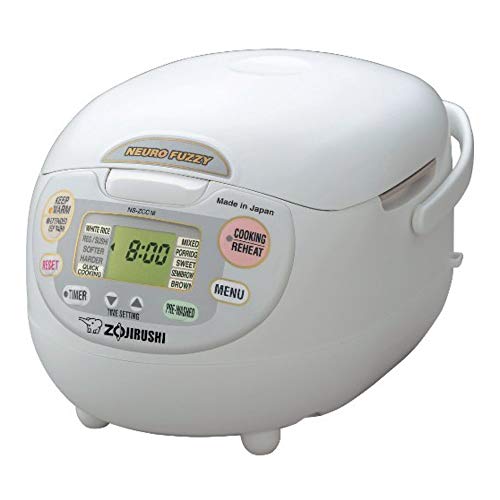
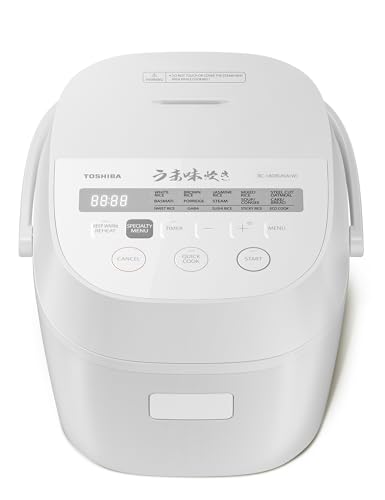
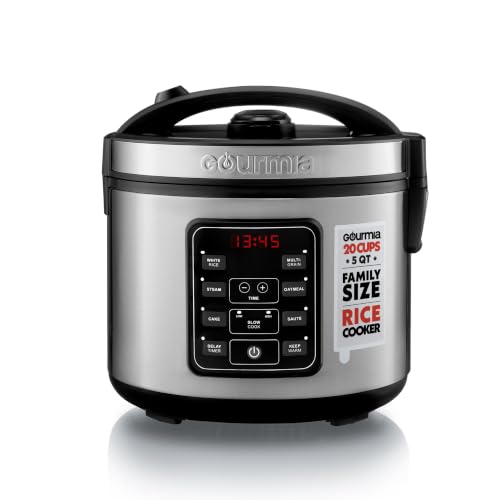
Three cooker types cover nearly every home at this size. Basic lever operated models cost the least and handle plain white rice well, so they fit tight budgets and simple routines. Micom models with fuzzy logic adjust cooking as the rice absorbs water, which helps with brown rice and mixed grains. Induction and pressure models deliver the most even texture, at the highest price and with more parts to wash. Match the type to the rice you cook most.
Before You Buy: A Quick Checklist for Choosing a Rice Cooker
Capacity is only the first decision. The points below cover size, type, features, power, safety, space, and budget, so you can judge any model against the way your household actually cooks.
Size: Match the Batch to Your Household
Rice cooker sizes are rated in uncooked cups, and the included measuring cup holds about three quarters of a standard US cup. Smaller machines come in 3 cup and 5.5 cup versions, while 20 cup models serve commercial kitchens and large gatherings. A 10 cup cooker sits in the middle and also handles smaller batches, since most models cook 2 or 3 cups without trouble. If you live alone and cook one small portion at a time, our guide to the best small rice cooker range will suit you better.
Which Type Fits Your Routine
Basic models use a single lever and a thermostat that flips to keep warm when the water is absorbed. Micom models add a microcomputer that adjusts heat during cooking, which improves results with brown rice and porridge. Induction models heat the whole pot rather than only the base plate, and pressure models cook under a sealed lid for a softer texture. Japanese designs are known for refined fuzzy logic programs, and our overview of the best japanese rice cooker styles explains that tradition.
Features Worth Paying For, and Ones to Skip
A steamer basket earns its place if you cook vegetables or dumplings over the rice, and a delay timer helps when you want rice ready at a set hour. Settings for brown rice, quick cook, and porridge cover most real needs. The inner pot matters daily: coated aluminum is light and releases rice easily, stainless steel avoids coatings but can stick more, and ceramic sits between the two. Readers avoiding coatings can compare materials in our guide to the best non toxic rice cooker.
Wattage, Power, and Energy Use
Most 10 cup cookers draw about 600 to 1,300 watts while cooking, with induction models near the top of that range. A full batch usually finishes in about 25 to 45 minutes, so the electricity for one batch stays modest. Keep warm mode uses only a small fraction of the cooking power. If your circuit already runs a microwave and a kettle at once, give the cooker its own outlet.
Safety Features and Certifications
Look for a UL or ETL listing mark on the box or the base, since that points to an independent electrical safety review. Stable feet and a lid that directs steam away from your hand matter in daily use. Pressure models should have a locking lid and a clear pressure release. Keep the cooker away from the counter edge, and let steam escape freely.
Counter Space and Dimensions
A 10 cup cooker is a sizable appliance, often around 10 to 12 inches wide with a similar depth, and it needs extra height so the lid can open fully. Measure the gap between your counter and your upper cabinets before ordering. Some homes store the cooker in a deep cabinet and lift it out for each batch. A short cord can limit placement, so check the distance to your nearest outlet.
Realistic Budget Ranges
- Under $50: simple lever operated models with a coated pot, a keep warm mode, and few or no extra settings.
- About $50 to $100: entry level micom models with a delay timer, a steamer basket, and settings for brown rice and porridge.
- About $100 to $200: stronger fuzzy logic programs, thicker inner pots, and better keep warm performance.
- About $200 to $300: induction heating and, at the top of this band, pressure cooking with the most even texture.
Three Types of 10 Cup Rice Cookers Compared
Each type below cooks a full 10 cup batch, but the daily experience differs a lot, so compare them directly before you shop.
Basic Lever Operated Models
These cookers have one switch, a heating plate, and a pot that sits directly on it. You add rice and water, press the lever, and the machine switches to keep warm when the batch is done. White rice comes out reliably, and cleanup takes minutes. The limits are real, though: there is no delay timer, brown rice cooks less evenly, and you get no settings for porridge or mixed grains. For households that cook plain white or jasmine rice a few times a week, that trade off is often acceptable.
Micom Models With Fuzzy Logic
A micom cooker watches the temperature inside the pot and adjusts heat and time as cooking progresses, a process makers call fuzzy logic. That flexibility shows up in firmer brown rice, softer porridge, and batches that start from a delay timer in the morning. Most models at this level include a removable inner lid and a steamer basket. Prices land in the middle of the range. For mixed grain households, this is usually the most balanced type.
Induction and Pressure Models
Induction models generate heat throughout the inner pot, so the rice cooks evenly from the sides as well as the base. Pressure versions seal the lid and raise the cooking temperature, which shortens brown rice time and gives white rice a plumper, stickier bite that suits sushi rice. These machines are heavier, cost the most, and ask for more care, since gaskets and inner lids need regular washing.
What to Compare Before You Choose
Judge each model on the same points: honest capacity in uncooked cups, consistent results across white and brown rice, controls you can understand without the manual, parts that wash without fuss, and a warranty of at least a year. Reading verified buyer reviews for patterns, such as repeated notes about a lid or a coating, tells you more than any single rating number.
Is a 10 Cup Rice Cooker the Right Size for You?
For a family of four to six, a full batch covers dinner with enough left for fried rice or packed lunches the next day. Hosts who seat ten or more guests will also use the full capacity, since rice is the easiest side to scale up. Meal preppers benefit too, because one batch can anchor several days of bowls and stir fries. The size is less ideal if you cook for one and rarely want leftovers.
Storage is the other half of the decision. If your kitchen can hold only one large appliance, weigh this cooker against a multi cooker that also makes rice, and our comparison of rice cooker vs instant pot lays out that choice. A dedicated cooker wins on simplicity and rice texture.
Common Buying Mistakes to Avoid
- Reading the 10 cup rating as cooked output, then finding the batch far bigger than your family eats.
- Skipping the lid height check, then discovering the open lid hits your upper cabinets.
- Paying extra for a dozen preset programs when you only ever cook two kinds of rice.
- Using metal utensils in a coated inner pot, which scratches the surface and shortens its life.
- Ignoring the cost and availability of a replacement inner pot before you buy the cooker itself.
- Leaving cooked rice on keep warm for most of a day, which dries it out.
Cost of Ownership and Care
Running costs stay low: electricity for a batch costs little, and the main expenses over the years are replacement parts. A spare inner pot typically runs about $20 to $60 depending on material, and pressure models may need a new gasket after a few years. Daily care is simple. Wash the inner pot and inner lid after use, empty the condensation collector, and wipe the heating plate dry. Store the cooker with the lid slightly open to prevent stale odors.
Your Questions, Answered
What is the most reliable rice cooker brand?
No single brand wins for everyone, because reliability shows up in warranty length, spare parts supply, and how long a model line stays in production. A cooker whose inner pots and gaskets are still sold years later is easier to keep running than a short lived model with no parts support. Check that replacement pots are listed for the exact model you want, since that predicts ownership satisfaction better than brand reputation alone.
How do you clean a rice cooker?
Unplug the cooker and let it cool, then wash the inner pot, inner lid, and steamer basket in warm soapy water. Wipe the heating plate with a damp cloth and pick off any stray grains, since a grain trapped under the pot can cause uneven cooking and scorch marks. Dry every part fully before reassembling, because trapped moisture creates stale smells. Once a month, wipe the steam vent and the rim.
Is a rice cooker worth it?
For households that eat rice several times a week, yes, mainly because it frees a stovetop burner and delivers the same texture every time without watching a pot. Our fuller breakdown asks is a rice cooker worth it for different eating habits and budgets. A cooker also holds rice warm through a long serving window, which helps when family members eat at different times. If rice appears once a month, a lidded saucepan is probably enough.
How long does a rice cooker last?
A well cared for cooker often serves about 5 to 10 years, with basic models tending toward the shorter end and premium models lasting longer. The inner pot usually wears out first, since its coating thins with daily washing. Signs that a cooker is near the end include peeling coating, a warped lid that leaks steam, and rice that scorches in one spot.
What size rice cooker do I need?
Plan around how much uncooked rice you use per meal. About 1 to 2 cups suits a couple, 4 to 6 cups covers a family dinner, and the full 10 cups serves a gathering or a week of meal prep. Rice roughly doubles in volume as it cooks, so a modest amount fills plates quickly. If your usual amount sits near the top of a smaller size, step up, because an overfilled pot boils over.
What is the best 10 cup rice cooker?
The best choice is the type that matches your rice habits, your space, and your budget, judged against the product table above. One practical test helps more than any spec sheet: cook a batch of the rice you eat most during the return window and judge the texture yourself. If the result disappoints, exchange the cooker while you still can.
Final Thoughts
The best 10 cup rice cooker for your home is the one whose size fits your table, whose type fits your routine, and whose footprint fits your kitchen. Basic models keep costs down, micom models add flexibility for varied grains, and induction or pressure models reward daily rice eaters with the finest texture. Use the product table above to compare the types side by side, and measure your cabinet gap before you order.