Best 1 Piece Toilets in 2026: Every Type Explained Side by Side
Disclosure: We may earn a commission when you buy through links on this page, at no extra cost to you. As an Amazon Associate I earn from qualifying purchases. Learn more

Compare the best 1 piece toilets by flush type, bowl shape and seat height, plus the rough in and fit checks that matter before you buy.
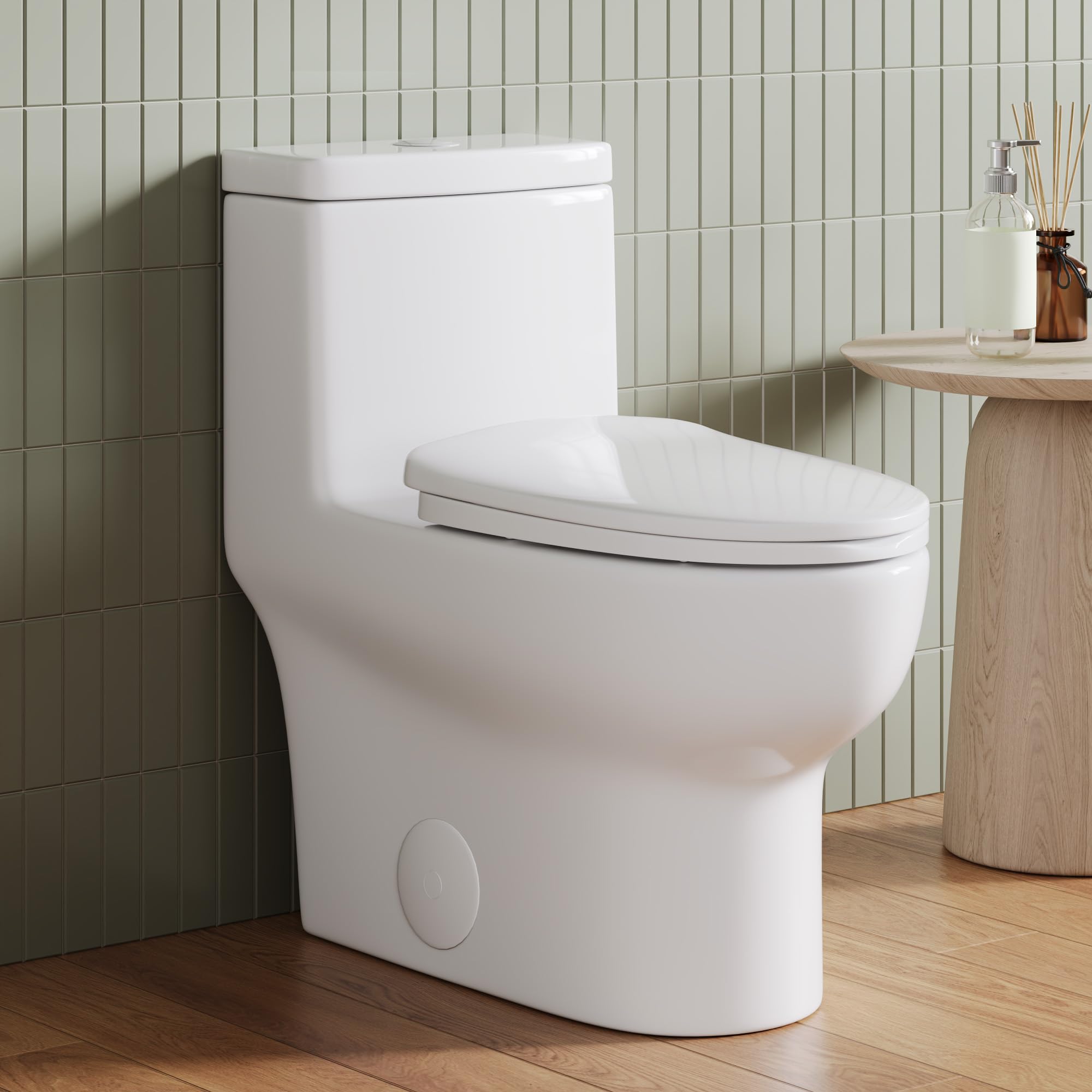
A one piece toilet looks like the simple option, since the tank and bowl are cast as a single unit with no seam between them. The confusion starts once you shop, because that one body shape comes in several flush classes, two bowl shapes and two heights, and the listings rarely explain which differences matter. Shoppers comparing best 1 piece toilets usually stall on the same questions: how strong the flush is, and whether the bowl will fit the room.
This guide compares the types side by side so you can pick a class first and a specific toilet second. One rule comes before everything else: measure your rough in distance, the space from the finished wall to the center of the floor drain, before you fall for any style. The comparison table below sums up the main classes, and the sections after it walk through flush, shape, height and price.




Types of 1 Piece Toilets Compared
Every 1 piece toilet shares the same construction, a single cast body of vitreous china with the tank formed into it. What separates the types is how the flush works, how the bowl is shaped and how tall the seat sits. The table below compares the classes you will meet most often.
| Type | Best For | Pros | Cons | Typical Price |
|---|---|---|---|---|
| Single flush | Busy family bathrooms | Simple mechanism, easy parts, strong full flush | Uses the full rated volume every time | About $250 to $450 |
| Dual flush | Homes watching water bills | Reduced flush for liquid waste, full flush for solids | Buttons and seals are more complex | About $300 to $550 |
| Compact round front | Small bathrooms and powder rooms | Shortest depth from the wall | Less sitting room than an elongated bowl | About $230 to $420 |
| Comfort height elongated | Taller users and shared bathrooms | Seat height close to a chair, roomy bowl | Longest depth, hardest fit in tight rooms | About $350 to $700 |
Single Flush: One Full Flush Every Time
The single flush class sends the same volume of water on every push of the handle or button, usually the full rated amount on the spec sheet. The mechanism inside the tank is the simplest in the category, a flapper or tower that lifts, drops and seals. That simplicity is the appeal: parts are cheap, widely stocked and easy to swap when a seal wears out years later.
Choose this class if your bathroom handles heavy daily use and you value a strong, predictable clear out over water savings. The trade is that liquid waste gets the full volume too, so a busy household sends more water down the drain than a dual flush home would.
Dual Flush: Two Buttons, Two Volumes
A dual flush toilet gives you a reduced flush for liquid waste and a full flush for solid waste, chosen by pressing the smaller or larger of two buttons on the tank lid. The reduced flush is often about half the full one, and makers publish both figures. Shoppers who want this setup in a single cast body can look at best one piece dual flush toilets, where the two volume design is the point of the class.
The savings are real but modest, and they depend on everyone in the house using the small button when it is enough. The mechanism has more seals and a more specific button assembly than a single flush design, so a repair may need the exact parts for that valve rather than a generic flapper. For most homes the deciding factor is habit, not hardware.
Bowl Shape: Round Front Against Elongated
Bowl shape decides how much room the toilet takes from the wall and how much sitting room you get. A round front bowl is the shorter shape, and it is the traditional fit for small bathrooms. An elongated bowl adds roughly two inches of length, which most adults find more comfortable, and it is now the more common shape in new homes. Neither shape flushes better, since the flush engine lives in the tank and trapway, not in the rim outline.
Measure your available depth before choosing, because an elongated bowl in a tight room can crowd knees against a door swing or a vanity. The elongated shape is not unique to one piece construction either: you will find the same outline across best two piece elongated toilets, which pair the longer bowl with a separate tank. If your room is small and your household is tall, let the tape measure settle the choice.
Seat Height: Standard Against Comfort Height
Standard height toilets put the seat rim at about 15 inches from the floor, not counting the seat itself. Comfort height models raise that to roughly 17 to 19 inches, close to the seat of a dining chair. The taller stance makes sitting down and standing up easier for tall people and for anyone with stiff knees.
The taller bowl is not better for everyone. Shorter adults and children may find their feet dangling, which gets uncomfortable during a longer sit, and a household with small kids often prefers the standard height. If the bathroom serves a mix of heights, think about who uses it most, and remember that a thicker seat adds a little height on top of the rim figure.
One Piece Against Two Piece: The Construction Difference
The other construction class builds the tank and bowl as separate pieces that bolt together during installation, and it still accounts for most toilets sold. Comparing the two classes honestly matters more than any single feature, because the differences show up in cleaning, weight and repair rather than in flushing power.
The one piece body has no seam between tank and bowl, so there is no hidden ledge where grime collects and no tank bolts or gasket to leak later. The cost of that clean outline is weight, since a single casting arrives as one awkward load.
Shoppers weighing the traditional route can browse best 2 piece toilets to see how the bolted together class is priced and shaped. Two piece models are usually cheaper, easier to carry up stairs in two loads, and simpler to repair because the tank parts are standard. Pick one piece for the sealed body and easier wiping, and two piece for lower prices and lighter handling.
How to Choose the Right 1 Piece Toilet
Most buying mistakes with this product are measurement mistakes, not quality mistakes. Work through the checks below in order and the class decision from the product table above usually makes itself. Shoppers who start from best ranked toilets roundups often skip straight to scores, but fit comes first: a top rated toilet in the wrong rough in size is simply the wrong toilet.
Measure the Rough In First
The rough in is the distance from the finished wall behind the toilet to the center of the closet bolts on the floor. Most homes are built with a 12 inch rough in, while older or remodeled bathrooms may have 10 or 14 inches. A standard toilet is built for the 12 inch size, and fitting one to a different rough in leaves either a large gap behind the tank or a bowl that will not seat on the flange at all.
Measure before you order, with the baseboard included if it is thick, and write the number down. This single measurement rules out more toilets than any style preference, and it cannot be changed without moving plumbing in the floor. If your rough in is unusual, shop only among models built for that size.
Size and Fit in the Room
Beyond the rough in, check the overall depth from wall to bowl front, the width across the tank, and the space on each side. Building codes commonly call for at least 15 inches from the bowl centerline to any side wall, and about 21 inches of clear space in front. A compact body can meet those numbers where a full size elongated model cannot.
Also check the door swing and any vanity drawers that open toward the toilet. A toilet that fits on paper can still annoy daily if a door brushes the bowl. Mark the depth of the model you like in tape on the floor and walk around it before the box arrives.
Material and Construction
Nearly all toilets in this category are vitreous china, a ceramic fired with a glass like glaze that resists staining and wipes clean. The construction difference that matters most is in the trapway, the curved channel that carries waste out of the bowl. A fully glazed trapway resists buildup better than a partly glazed one, and a larger trapway diameter generally clears bulk more reliably.
Sides come in two styles. An exposed trapway shows the curved outline of the channel and leaves nooks to dust, while a skirted design covers the sides with a smooth wall of china that looks cleaner and wipes faster, though it can make reaching the floor bolts a little slower during installation. Neither style flushes better; choose by how much you value easy cleaning against easy access.
Flush Performance and Water Use
Water use is printed as gallons per flush. Federal rules cap new toilets at 1.6 gallons, while water saving models rated under the WaterSense program use 1.28 gallons or less. These are rated figures from standard tests, and they describe volume, not clearing power. A strong flush depends on how water is delivered through the rim and jet and on trapway size, not on volume alone.
Look for published flush performance scores where makers provide them, and treat the gallon figure as a water bill question rather than a power question. Dual flush models list two figures, a reduced and a full flush, so compare the full flush number against single flush models for a fair read.
Weight, Delivery and the Parts in the Box
Plan for the weight. A one piece toilet often weighs 90 to 120 pounds in its box, and the body gives you no separate tank to carry in a second trip. Treat it as a two person lift from the delivery truck to the bathroom, and clear the path before it arrives.
Check what the box includes before you budget. The seat is often a separate purchase with this class, and the wax ring that seals the base to the flange may not be included either. A supply line and new closet bolts are cheap parts worth replacing while the old toilet is out. Add those items to the price you compare, since a lower priced body that needs a seat can cost the same as a higher priced one that includes it.
Choosing a 1 Piece Toilet for Your Situation
Best 1 Piece Toilets under 400
Under this figure you are shopping the everyday end of the class, and the good news is that the savings rarely cost you flushing strength. What gives at lower prices is finish and extras: expect a standard height bowl, a single flush or a basic dual flush, and a seat that may be sold separately.
Spend your attention on fit and the included parts rather than on style upgrades. A toilet at this level with the right rough in and a fully glazed trapway will serve as well as a premium body. Put the savings toward a good seat and a fresh wax ring instead of decorative lid shapes.
Best 1 Piece Toilets for Small Spaces: Which Type Works Best
Small bathrooms reward the compact end of this category: a round front bowl, a skirted body and a total depth under about 28 inches. The round front gives back roughly two inches of floor compared with an elongated bowl, which can be the difference between a door that clears the bowl and one that does not.
Check the side clearances as carefully as the depth, because a compact toilet still needs elbow room to be usable. If the rough in is 10 inches rather than the standard 12, a model built for that size buys you two more inches of room. In a truly tight powder room, let the smallest class that fits your rough in win over any comfort upgrade.
Care and Maintenance Tips
The sealed body makes routine care simple, since there is no tank seam to scrub and no tank hardware outside the lid. A few habits keep the finish and the flush in shape:
- Wipe the skirted sides and base weekly, since grit at the base can scratch the glaze if it is ground in.
- Clean the bowl with a toilet brush and a mild cleaner; the range of options in best for cleaning toilets covers brushes and cleaners suited to glazed china.
- Skip abrasive powders and stiff pads, which dull the glaze over time and give stains more texture to hold onto.
- Check the fill valve and flush seal once a year by listening for a tank that refills on its own, a sign that water is slipping past a worn seal.
- Replace a worn flush seal promptly, because a slow silent leak can waste more water in a month than the flush rating saves in a year.
- Once the toilet is lifted for any reason, the old wax ring is replaced, never reused.
1 Piece Toilets: Your Questions Answered
Is a 1 piece toilet harder to install than a 2 piece toilet?
The plumbing steps are the same, but the handling is harder. A two piece toilet goes in as two lighter loads with the tank bolted on after the bowl is set, while a one piece body arrives as a single heavy casting that takes two people to lower onto the flange without cracking it or ruining the wax seal. The trade is that there are no tank bolts to align afterward, so the finishing steps are fewer.
Does a 1 piece toilet come with a seat included?
Often it does not. Many models in this class are priced as the china body only, with the seat sold separately so you can choose a standard or slow closing style. Check the box contents before comparing prices, because a body that looks cheaper can end up costing the same once the seat is added. If a seat is included, confirm whether it is a slow close design, since that is the version most households prefer.
How much water does a 1 piece toilet use per flush?
New models use no more than 1.6 gallons per flush by rule, and water saving models use 1.28 gallons or less. Dual flush designs list two figures, a reduced flush for liquid waste and a full flush for solids, so their average use across a day is lower than either number alone suggests. These figures are rated results from standard lab tests, so real use follows them closely as long as the seals stay sound.
Can a 1 piece toilet fit a 10 inch rough in?
Only if it is built for that size. Most models are made for the standard 12 inch rough in, and a 12 inch toilet set on a 10 inch rough in will not sit back far enough to seal on the flange. Makers do offer bodies built for 10 inch and 14 inch rough ins, in fewer styles and finishes. Measure from the finished wall to the center of the floor bolts before ordering.
Are 1 piece toilets easier to clean than 2 piece toilets?
Yes, on the outside. There is no seam where the tank meets the bowl and no exposed tank bolts, so there are fewer ledges for dust and grime, and skirted models wipe down in one pass. Inside the bowl the cleaning is the same as any toilet. One small trade: on some skirted designs the smooth sides make the floor bolts a little slower to reach if the toilet ever needs to be reset.
Final Thoughts
Choosing among best 1 piece toilets comes down to three checks: the rough in measurement, the flush class that matches your household habits, and a bowl shape and height that fit both the room and the people using it. Get those right and the sealed one piece body rewards you with easy cleaning and no tank seam to maintain. Compare the classes in the product table above against your measurements, and let the tape measure make the first cut.