Best Acrylic Alcove Bathtubs for 2026: Everything to Know Before Your First Purchase
Disclosure: We may earn a commission when you buy through links on this page, at no extra cost to you. As an Amazon Associate I earn from qualifying purchases. Learn more

First-time remodelers: learn the key terms, sizes and features of the best acrylic alcove bathtubs and avoid common rookie mistakes.
Replacing a tub sounds simple until you face a wall of measurements, drain positions, and material claims. If this is your first remodel, the best acrylic alcove bathtubs are a forgiving place to start, because they are light, warm to the touch, and priced within reach of most bathroom budgets. This guide walks you from the basic terms to a confident choice.
You will learn how an alcove tub is built, which specifications actually matter, and which first timer mistakes cost people money. The product table gathers the main options side by side, so you can compare sizes, depths, and prices as you read.




Best Acrylic Alcove Bathtubs 101: The Basics
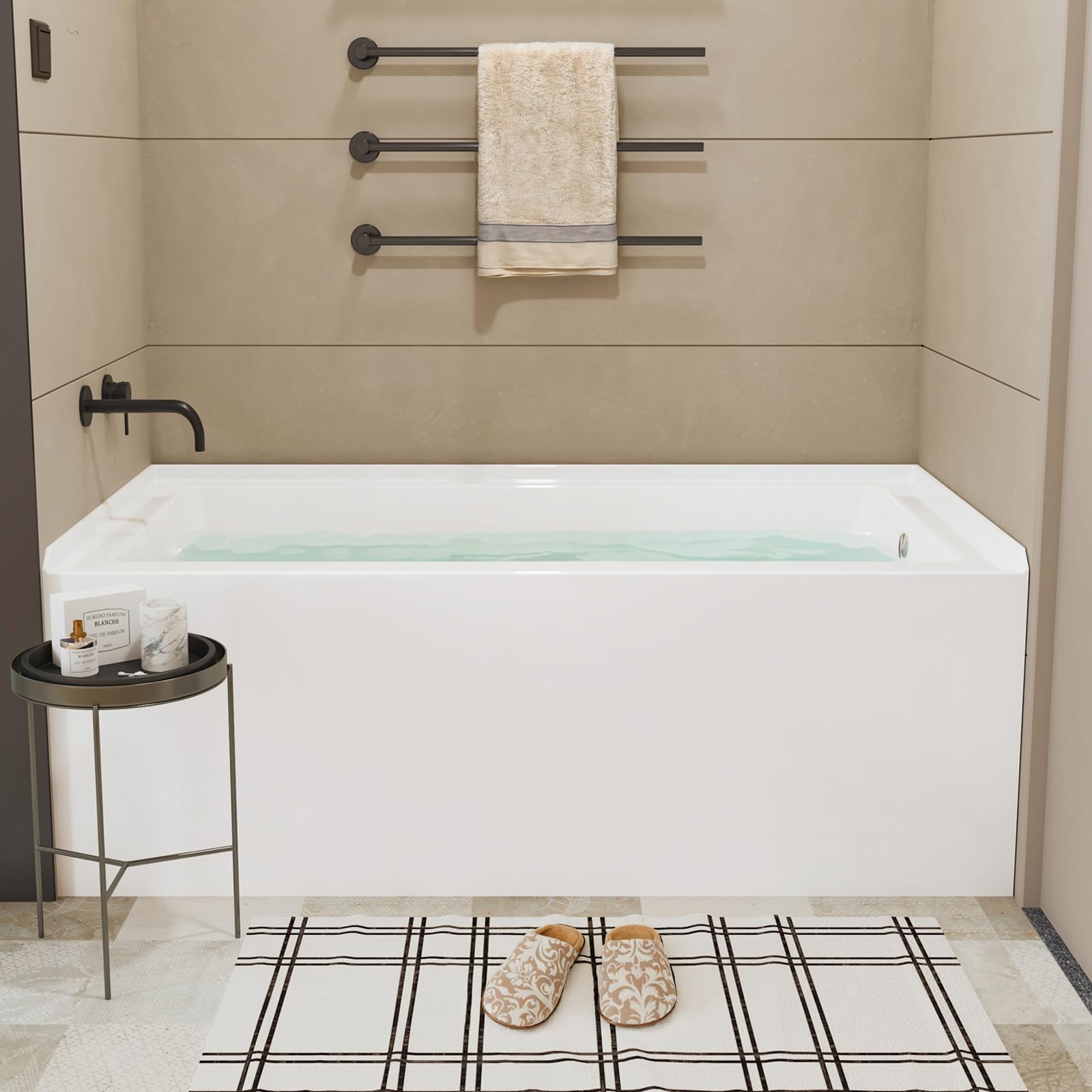
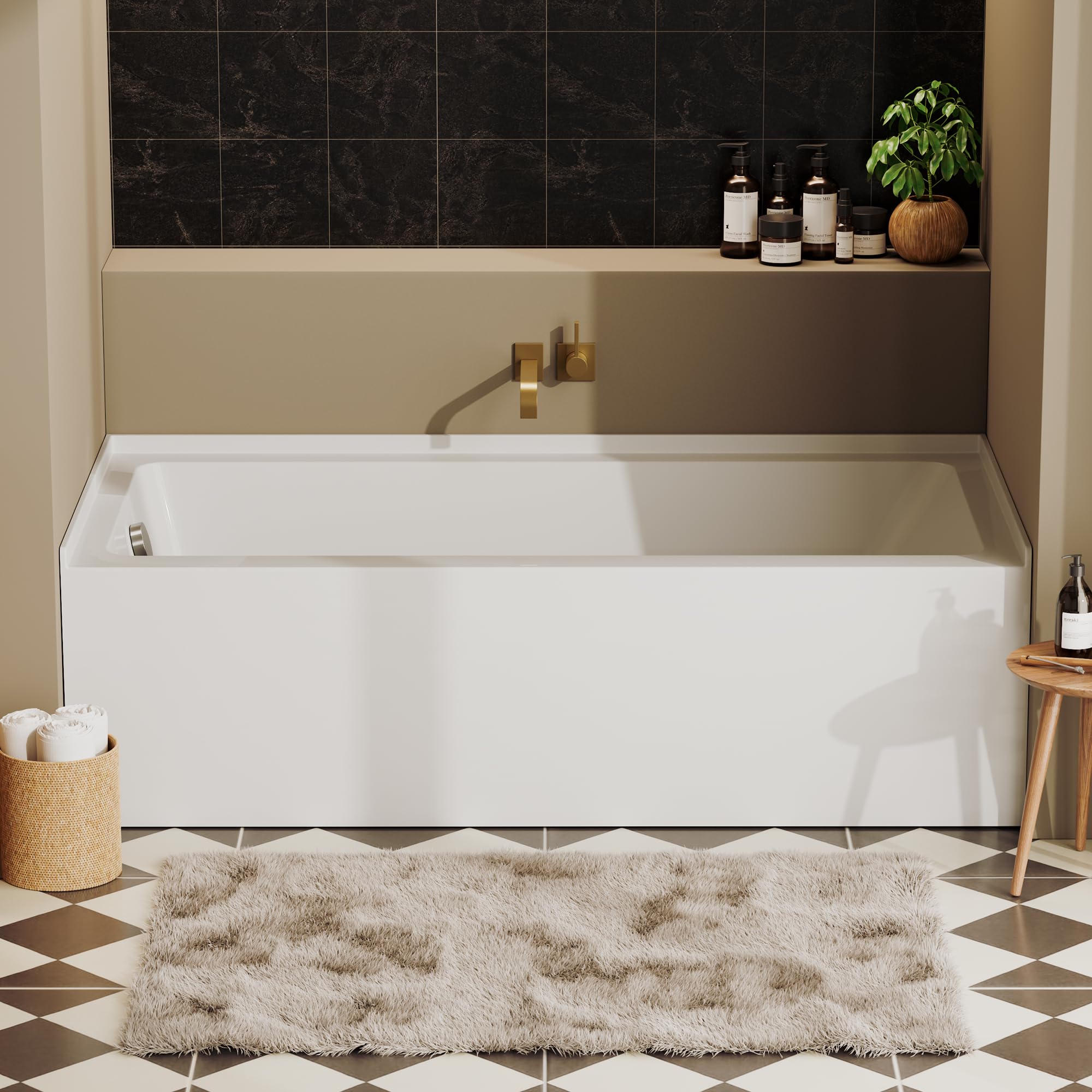
An alcove tub fits into a three wall recess, the standard layout in most homes, with one finished front edge called the apron facing the room. Acrylic models start as sheets of colored acrylic that are heated and formed over a mold, then backed with fiberglass for strength. The result is a glossy tub that keeps bath water warmer longer than thin steel and weighs far less than cast iron, which matters when you carry it up stairs and into a tight bathroom.
A few terms unlock every listing. The tiling flange is a raised lip around the top edges that sits behind the wall material and keeps water from seeping behind the tub. Drain location, left, right, or center, must match your existing plumbing. Soaking depth measures from the drain to the overflow, and it decides how much of you the water can cover. If your bathroom has no recess at all, a different style such as the ones in our guide to best acrylic freestanding bathtubs may fit the space better.
Key Specs Explained in Plain English
Intended Use and Who It Is For
Start with who bathes and how. A family tub used for kids and quick showers over the bath needs a flat, slip resistant floor, a moderate depth that is easy to climb into, and a shape that gives a shower curtain or door room to work. A tub bought mainly for long evening soaks should trade some of that practicality for extra depth and a sloped backrest. Guest bathrooms used a few times a month can favor price and simple looks over premium comfort features.
Ease of Use and Setup
Alcove tubs are among the simplest tubs to install because the recess defines their position and the studs support them. One piece designs arrive ready to set in place, and their light weight means two people can usually handle them. Installation still involves plumbing and leveling, and local plumbing rules may require a permit or an inspection. If you are unsure about any step, hire a qualified installer rather than learning on a fitting you cannot see once the walls close.
Maintenance and Long Term Costs
Acrylic needs gentle care: warm water, a soft cloth, and a mild cleaner made for the material, as our roundup of best cleaners for acrylic bathtubs explains. Abrasive powders and scouring pads dull the gloss and can scratch the surface, so keep them for other fixtures. Long term costs stay low, since acrylic never rusts and small chips can be filled with an inexpensive repair kit. Budget beyond the tub itself for a drain kit, a faucet, and possible subfloor repair once the old tub comes out.
Safety and Certifications
Look for a textured floor rather than a smooth gloss one, because wet acrylic gets slippery, and consider adding grab bars if anyone in the home has limited mobility. Check that the tub meets recognized plumbing standards and your local code, which the packaging or maker documents usually state. Follow the manufacturer's instructions and local guidance on water heater temperature, especially in homes with children or older adults. A wide, flat rim also gives you a steadier handhold when stepping in and out.
Size, Weight, and Fit for Your Space
The standard alcove opening is 60 inches long, with widths of 30, 32, or 36 inches and depths that change the soaking feel. Measure the recess itself, then measure every doorway, hallway turn, and stair the tub must pass through, because a tub that fits the room but not the route is a common and expensive surprise. Listings for best acrylic alcove tubs use the same standard dimensions under the shorter name, so measurements transfer between both. Remember that a filled tub with a bather can weigh several hundred pounds, so the floor and supports must be sound.
Build Quality and Materials
Quality shows in thickness and backing. A thicker acrylic sheet with even fiberglass reinforcement flexes less underfoot, and the floor should feel firm, not springy, when you stand in the tub at the store or on delivery day. Better models add foam or structured supports under the base and leveling feet that make a solid, quiet install. Our guide to best quality alcove bathtubs digs into these construction details. A high gloss finish that runs evenly into corners usually signals careful forming rather than a thin, stretched shell.
Rookie Mistakes to Avoid
- Measuring only the length of the recess and forgetting width, height, and the path the tub takes through the house.
- Ordering the wrong drain side, so the drain hole sits opposite the existing plumbing and adds repiping costs.
- Skipping the support bed or ledger board the maker specifies, which lets the floor flex, creak, and stress the drain connection.
- Cleaning with abrasive powders or rough pads, which scratch the gloss and give soap scum more surface to cling to.
- Choosing a very deep soaker for a household where children or older adults need an easy, low step into the bath.
Getting Started: Setup and First Use
Read the manual before the tub leaves its packaging, because support and leveling steps differ by model. Dry fit the tub in the recess first, confirm it sits level and the drain lines up, then set it on the mortar bed or supports the maker requires. Connect the drain and overflow, fill the tub, and check every joint for leaks before the surround goes on, since water weight reveals problems a dry run misses. If any plumbing step feels beyond you, a qualified installer is money well spent. Finish with a neat bead of caulk, let everything cure as directed, and your first bath can follow.
FAQs
What features matter most when buying acrylic alcove bathtubs?
The features that matter most are a firm, well supported floor, the right drain position, and enough soaking depth for your household. A springy floor is the flaw buyers notice daily, so check the support structure before the finish. Drain position decides whether installation is simple or involves moving pipes. Depth shapes comfort more than length does. Treat extras such as molded armrests as bonuses after those three basics are right.
How much should I spend on an acrylic alcove bathtub?
Most buyers spend about $300 to $900 on the tub itself, with deeper and thicker models at the top of that range. Keep part of the budget aside for parts sold separately, because many tubs ship without the drain assembly and faucet, and those add up. Installation, if you hire it out, often costs more than the tub. Spending a little more on thickness and support usually pays off in a floor that still feels solid years later.
How long does an acrylic alcove bathtub last?
A well cared for acrylic alcove tub typically lasts about 10 to 15 years, and often longer in a lightly used guest bathroom. The surface is the usual limit: gloss fades slowly with harsh cleaning, while the structure itself rarely fails. Small chips and scratches can be filled with a repair kit in under an hour, which delays replacement. Gentle cleaning from day one is the single habit that stretches the lifespan the most.
Are expensive acrylic alcove bathtubs worth it?
They can be, if you bathe often. Higher prices usually buy thicker acrylic, stronger backing, and deeper, better shaped interiors, all things you feel every time you use the tub. The difference shows in a floor that does not flex and water that stays warm through a long soak. For a spare bathroom used a few times a month, a mid priced model gives most of the benefit for less money, so match the spend to the use.
How do I maintain an acrylic alcove bathtub?
Rinse the tub after each use and wipe it dry when you can, because standing water leaves mineral spots, especially in hard water areas. Once a week, wash with a soft cloth and a mild cleaner made for acrylic, then rinse well. Keep bath mats with rough suction cups off the surface during storage, since they can mark the finish. Never use abrasive powders, and lift, rather than drag, anything metal across the floor of the tub.
Wrapping Up
Measure the recess and the route to it, confirm the drain side, and insist on a floor that feels solid and well supported. Do that, and the best acrylic alcove bathtubs narrow down quickly to a few honest choices at every price. First time buyers can also compare the wider field of best acrylic bathtubs if the alcove style leaves them unsure. Then look back at the product table above to line up depth, size, and price before you order.