Best 1.9 Cu Ft Over the Range Microwaves (2026): Picks That Fit Real Homes
Disclosure: We may earn a commission when you buy through links on this page, at no extra cost to you. As an Amazon Associate I earn from qualifying purchases. Learn more

The best 1.9 cu ft over the range microwave for family kitchens: fit, venting, sensor cooking and budget checks.
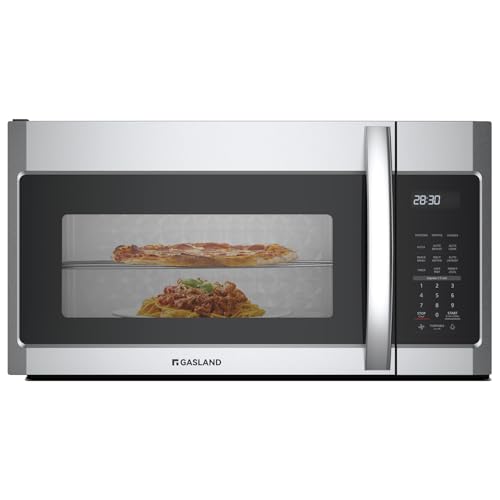
A 1.9 cu ft cavity sits in a sweet spot for many households. It swallows a big casserole dish or a full dinner plate with room to spare, yet it still mounts in the standard opening above a 30 inch range. If you are shopping for the best 1.9 cu ft over the range microwave for your home, this guide helps you choose by kitchen space, household size, venting needs, and budget rather than by extras you may never touch. Use the comparison table below to line up the key specs side by side.
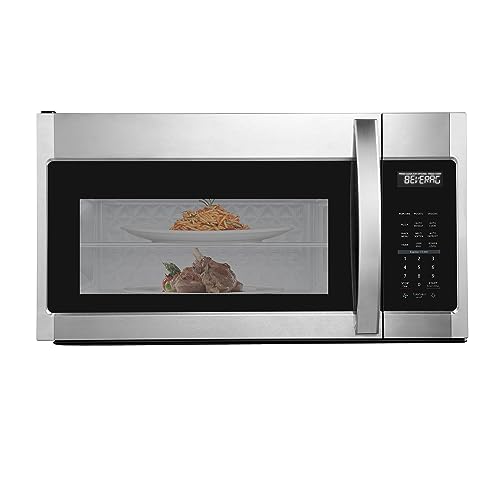
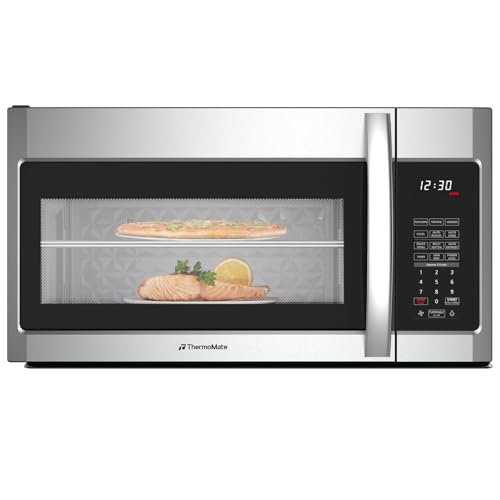
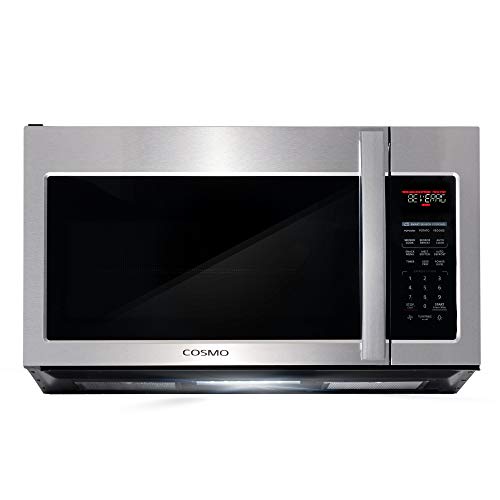


Quick Answer: How to Choose in 30 Seconds
Start with fit. A 1.9 cu ft model almost always spans about 30 inches wide, so confirm your cabinet opening and the height from the cooktop to the cabinet bottom first. Next, match the venting setup to your kitchen, since a unit that ducts outside clears smoke and steam far better than one that only recirculates air. Then pick your cooking style: plain sensor cooking for daily reheating, or convection and air fry modes if you want a second oven. Finally, set a budget that includes installation.
Before You Buy: A Quick Checklist for Choosing an Over the Range Microwave
Size: Match It to Your Space
Capacity numbers only tell part of the story. A 1.9 cu ft interior is larger than the 1.6 and 1.7 cu ft models common in apartments, and it gives you more height and width for tall mugs, large bowls, and oblong baking dishes. Bigger 2.0 and 2.1 cu ft models add a little more room but can crowd low cabinets. Check the usable interior height, not just total volume, and measure your largest dish with its lid on.
Which Type Fits Your Routine
Think about what you will actually cook above the range. Sensor models handle the bulk of daily work, adjusting time as steam builds inside the food. Convection models circulate hot air so you can bake and roast, which suits households that cook in batches. Air fry modes crisp smaller portions without heating a full oven. Smart models add app control and voice prompts, handy but rarely essential. Finish matters too: stainless steel shows fewer marks than glossy black, while white and black stainless options blend better with matching suites.
Features Worth Paying For and Ones to Skip
Pay for sensor cooking, a strong vent fan, and a turntable you can switch off when a rectangular dish needs to sit still. A melt and soften menu earns its keep if you bake often, and a rack that heats two levels at once helps on busy nights. Skip elaborate preset lists you will not memorize, and treat WiFi as a bonus rather than a reason to buy. Inverter style power can heat delicate foods more gently, but a standard model with clear power levels does the job well.
Measurements and Compatibility With Your Setup
Measure three times before you order. Record the width between cabinets, the height from the top of the range to the cabinet bottom, and the depth of the cabinets above. Most makers call for about 30 inches between the cooktop and the bottom of the microwave for safe clearance, though your manual is the final word. Confirm that a grounded outlet sits inside the cabinet above, and check that the new damper position lines up with any existing duct run.
Venting, Power, and Safety Listings
Vent strength is rated in cubic feet per minute, and higher numbers move more smoke from searing and stir frying. Many 1.9 cu ft models reach about 300 to 400 cubic feet per minute, which suits most home cooking. Look for a safety listing from UL or ETL on the spec sheet. Cooking power near 1,000 watts handles family size portions without long waits. If venting is your top concern, our guide to the best over the range microwave for venting explains duct choices in more depth.
Doing It Yourself Versus Hiring a Pro
A handy homeowner with a helper can swap a like for like unit in an afternoon, since the new model often shares the same mounting plate style and bolt pattern. The job gets harder when the duct route changes or an outlet must move. Before you decide, read up on how to install an over the range microwave and compare that with local quotes for over the range microwave installation cost so the total price holds no surprises.
Realistic Budget Ranges
Plan your budget in tiers. Basic 1.9 cu ft models start at about $340 and usually cover solid reheating, basic sensor menus, and midrange vent power, which is plenty for many homes. Spending about $380 to $460 tends to add quieter fans, better lighting, and stronger venting. Beyond that, you are mostly paying for premium finishes and smarter controls. Keep a little aside for a mounting kit, duct parts, or a pro visit. Shoppers comparing the best over the range microwave options across sizes will notice capacity alone rarely explains a price gap.
Three Types Compared: Which Style of 1.9 cu ft Model Suits Your Home
Standard Sensor Models for Most Homes
This is the workhorse style, and it fits households of three to five people who reheat plates, steam vegetables, and defrost meat several times a week. You get a roomy cavity, clear keypad controls, and a vent fan that handles nightly cooking without fuss. Cleanup stays simple because interiors are usually a plain coated surface you can wipe down fast. The trade off is plain styling and few specialty modes, a good trade for most families.
Value Models for Tight Budgets
Value models trim the extras and keep the core job intact. Expect fewer auto cook presets, simpler lighting, and a vent fan with fewer speed steps. The cavity is still the full 1.9 cu ft, so your big dishes still fit, and reheating speed stays close to pricier styles. These models suit rental homes, first kitchens, and anyone replacing a failed unit without warning. Check the warranty length and filter costs before you buy, because small savings up front can shrink if parts cost more.
Premium Models with Convection or Air Fry
Premium models turn the space above your range into a second oven. Convection heat lets you roast a chicken or bake cookies while the main oven handles a holiday side dish. Air fry modes give small batches a crisp finish with little oil. If you lean this way, our guide to the best convection over the range microwave covers that style on its own. These units cost more and take longer to clean, since racks add surfaces. Buy this style only if you will use those modes weekly.
Our Selection Process for the Best 1.9 cu ft Over the Range Microwaves
We compare models on the factors that shape daily ownership: fit and installation needs, vent performance, cooking power, build quality and finish, ease of cleaning, warranty coverage, and safety listings. We rely on maker spec sheets and verified buyer feedback about noise, lighting, and control layout. Price counts too, judged against what the extra money actually buys you.
Is a 1.9 cu ft Over the Range Microwave the Right Size for You?
For many homes, yes. A household of three to five people tends to use the extra room daily, whether that means reheating two plates in sequence, fitting a 9 by 13 inch dish, or warming a large bowl of soup. A single person or a couple may find the cavity more than they need. In a tight kitchen with low cabinets, a slim model from our guide to the best low profile over the range microwave may protect your headroom better. Choose 1.9 cu ft when dish size, not counter space, is your daily limit.
Common Buying Mistakes to Avoid
- Measuring only the width and forgetting the height from the cooktop, which can leave too little clearance for safe cooking.
- Assuming the new unit will reuse the old mounting plate and duct position without checking, which can turn a simple swap into a day of drilling.
- Paying for convection, air fry, and smart controls you will rarely use, which raises the price without improving daily reheating.
- Ignoring vent direction, since a unit set to recirculate pushes cooking smells back into the room instead of outside.
- Skipping the filter cost, because grease and charcoal filters need regular replacement and add up over time.
Cost of Ownership and Care
Running costs stay modest. A microwave draws power only while cooking, and short daily runs add far less to a power bill than heating a full size oven for the same leftovers. Your real ongoing costs are filters and light bulbs. Wash the grease filter in hot soapy water about once a month, and replace charcoal filters on the schedule in your manual if your unit recirculates air. Wipe the interior after messy foods so odors do not linger.
Your Questions, Answered
How long does an over the range microwave last?
Most units serve a home for about 9 to 10 years, though heavy daily use can shorten that span. The magnetron carries a longer parts warranty on many models than the rest of the appliance, so read that section before you buy. A unit that makes loud new noises, heats unevenly despite a clean interior, or trips a breaker deserves a service call. Compare the repair quote with replacement, since labor on older units can approach the price of a new value model.
Can a 1.9 cu ft over the range microwave fit a large casserole dish?
Usually, yes. Most 1.9 cu ft cavities accept a 9 by 13 inch casserole dish, especially when the turntable can be switched off so the dish sits still. Measure your dish with its handles and lid, then compare that footprint with the interior width and height in the spec sheet. Leave a little space around the dish so steam can circulate. If your dish is taller than average, check whether a removable rack needs to come out first to give you the full height.
Does a 1.9 cu ft over the range microwave work well over a gas stove?
It can, as long as the clearance between the burners and the bottom of the unit matches the manual for your range. Gas burners throw more open heat upward, so strong vent speeds matter more, and ducting outside helps pull moisture out of the room. Choose metal grease filters you can wash often, since gas cooking can load them faster. Also confirm that steam from a front burner will not fog the display or make the keypad hard to read while you cook.
Is an over the range microwave worth it for a small household?
For one or two people, the value depends on how you cook. You gain counter space and a vent fan in one appliance, which can transform a cramped kitchen. But if you mostly reheat single mugs and small bowls, a smaller unit may heat those portions just as fast for less money. The 1.9 cu ft size earns its place when you host family meals, batch cook on weekends, or warm serving dishes that would never fit in a compact model. Think about your biggest weekly cooking day, not your quietest one.
What should you check before replacing an old over the range microwave?
Start by photographing the inside of the cabinet above your current unit, including the outlet, the duct opening, and the mounting plate. Note whether your old unit vents outside or recirculates, because switching that setup adds parts and labor. Measure the old unit itself, not just the opening, since trim kits can hide the true width. Finally, plan for two people on install day, since these units are heavy for one person to hold level while bolts go in.
Final Thoughts
The right choice comes down to fit, venting, and the cooking modes your household will use every week. Measure carefully, spend on sensor cooking and a strong fan before smart extras, and keep installation in the budget from the start. Look back at the product table above to compare the finalists on the specs that matter to your kitchen. Chosen well, the best 1.9 cu ft over the range microwave will free your counters and handle family size meals for years without drama.