Best 1.7 Cu Ft Mini Fridges (2026): Picks That Fit Real Homes
Disclosure: We may earn a commission when you buy through links on this page, at no extra cost to you. As an Amazon Associate I earn from qualifying purchases. Learn more

The best 1.7 cu ft mini fridge for a bedroom, office or dorm: sizing, noise, clearance and budget checks.
Picture a spare corner in a bedroom, a desk in a home office, or a dorm room where the shared kitchen fridge is always full. A compact refrigerator solves that problem without taking over the room, and the best 1.7 cu ft mini fridge for your home depends on where it will sit, how many people will use it, and what you plan to store. This guide walks you through sizing, types, features, and budget so you can choose with confidence, and the comparison table below sums up the main styles at a glance.


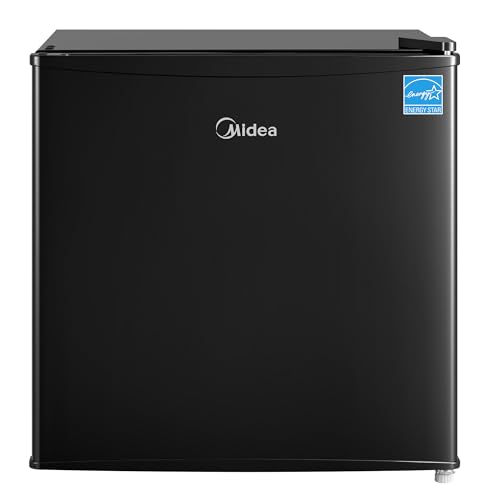
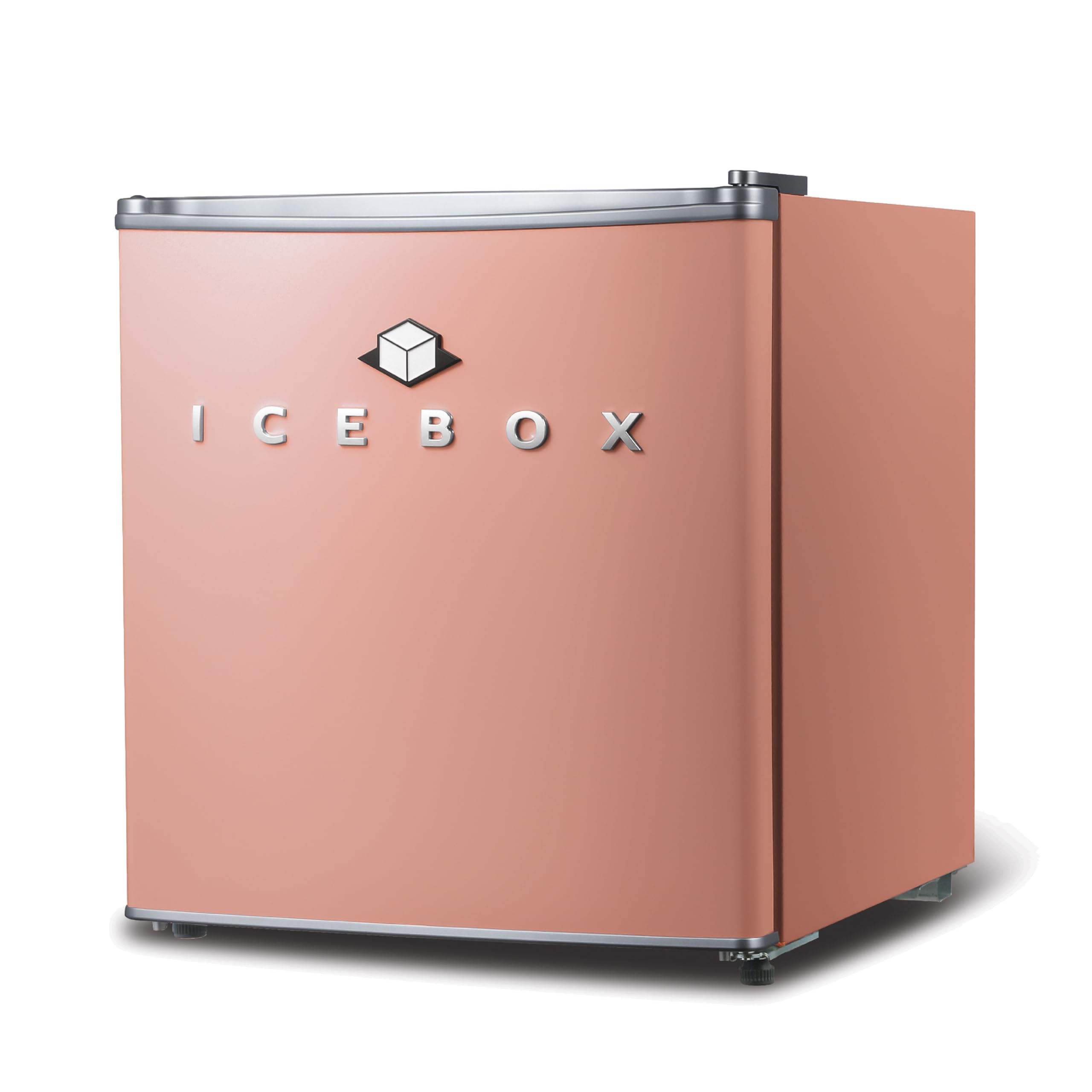


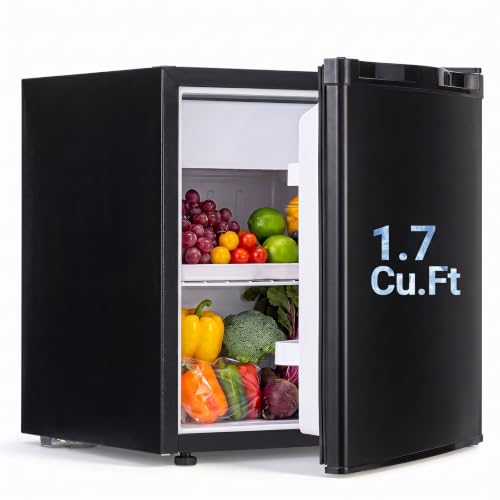
Quick Answer: What a 1.7 cu ft Size Does Best
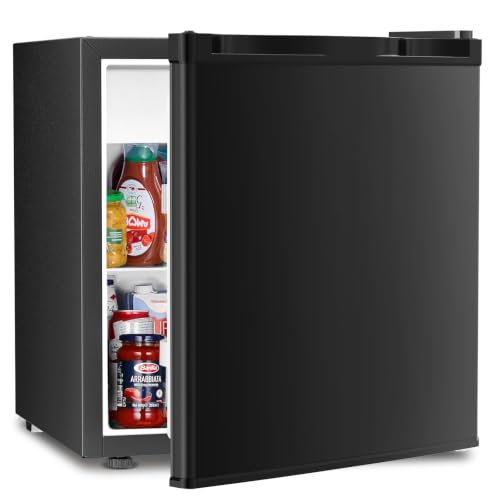
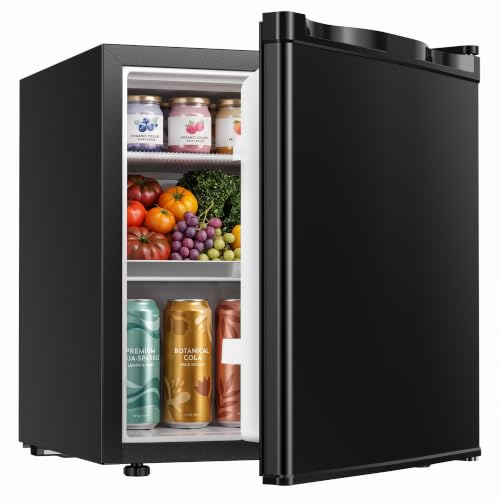
A 1.7 cu ft mini fridge is the smallest full function size most households consider. It holds drinks, snacks, lunch items, and a few leftovers for one or two people, and it fits on a counter, under a desk, or in a tight corner where a larger model will not go. Choose this size when floor space is your main limit and your storage list is short. If you regularly stock groceries for a family, a bigger capacity will serve you better.
Before You Buy: A Quick Checklist for Choosing a Mini Fridge
Size: Match It to Your Space
Capacity labels only tell part of the story, because two fridges with the same rating can lay out their shelves very differently. A 1.7 cu ft interior typically fits about a case of cans plus a shelf of small food containers, which suits a single user well. Step up sizes exist for a reason: 2.7 and 3.1 cu ft models add a real crisper or a wider shelf, 3.2 cu ft units often split into two doors, and 4.4 to 4.5 cu ft models start to work as a small main fridge. If you are still weighing the full range, our guide to the best mini fridge compares every common size side by side.
Which Type Fits Your Routine
Start with the freezer question. Many 1.7 cu ft models include a small freezer box that holds an ice tray and a frozen meal or two, while freezer free designs give that space back to the main compartment and run a little simpler. If frozen food matters daily, compare the best mini fridge with freezer options in larger sizes too, since the tiny freezer box is the first thing owners outgrow. Other styles solve different problems: glass door models suit drink storage where you want to see stock at a glance, retro designs trade some shelf flexibility for looks, and quiet compressor models matter most where the fridge shares a room with a bed or a desk.
Features Worth It, and Ones to Skip
A reversible door is worth having in this size class, because small rooms rarely let you choose which way a door swings, and swapping the hinge side takes minutes with basic tools. An adjustable shelf earns its keep too, since tall bottles and short cans rarely need the same spacing. A door lock makes sense for shared offices and garages, but it adds cost you do not need for a private bedroom. Glass doors look appealing yet lose cold air faster each time the room warms up, and novelty extras like built in bottle openers add price without adding storage. Spend on the thermostat range and shelf layout first.
Measurements and Compatibility With Your Setup
Measure the space in all three directions before you shop, then compare those numbers with the product dimensions rather than the capacity label. Leave about two inches of clearance behind the fridge and an inch on each side so the compressor can shed heat, and confirm the door can open fully without striking a wall or desk leg. Check the outlet position as well: the cord on most compact models is short, and the fridge should plug straight into a wall outlet rather than a power strip. Finally, confirm the floor or counter is level, since a tilted unit makes the door seal work harder.
Certifications That Actually Apply
For a plug in appliance like this, the marks that matter are an electrical safety listing such as UL or ETL, which shows the unit meets US safety standards, and an ENERGY STAR label if you want verified energy use figures. Claims borrowed from other product categories do not tell you anything about a refrigerator. If a listing shows no safety mark at all, treat that as a reason to keep looking, no matter how attractive the price looks.
Setup Cost: Doing It Yourself Versus Hiring Help
There is no professional installation for a mini fridge, and paying for one is money wasted. Setup means unboxing, letting the unit stand upright for a few hours if it traveled on its side, leveling the front feet, and plugging it in. The only real costs beyond the fridge itself are small ones you choose: a drip tray for a dorm floor, or an appliance dolly rental if stairs are involved. Budget your money for the fridge, not the setup.
Realistic Budget Ranges
Most 1.7 cu ft models fall between about $80 and $200. Under $100 usually buys a basic single door unit with a small freezer box and manual defrost, which is fine for drinks and snacks. Around $100 to $150 adds quieter compressors, better shelving, and reversible doors. Closer to $200, you are paying for finish, a stainless look, or a well known name rather than more space, because capacity stays the same across the range. If your list of must store items keeps growing, moving that budget into a larger size often beats buying the most expensive small one.
Types Compared: The Main Styles at This Size
Compressor models are the default choice at 1.7 cu ft, and they cool like a full size fridge, holding safe food temperatures even in a warm room. Thermoelectric models are lighter and nearly silent, but they only cool a set amount below room temperature, so they suit drinks in a climate controlled office better than perishable food in a hot garage. Our explainer on thermoelectric vs compressor mini fridge designs walks through that trade off in detail. Within compressor models, the split is simpler: a small freezer box if you need ice and the odd frozen meal, or a full width fridge compartment if drinks and fresh food are the whole job. Single door designs keep the footprint smallest, while the rare two door layout at larger sizes separates frozen storage properly.
How to Compare Models Fairly
When two listings look identical, compare them on the same short list. Check the interior layout against what you actually store, the stated noise level if the fridge will sit near a bed, the thermostat style, since dial controls are less precise than digital ones, and the warranty length, which tells you how long the maker stands behind the compressor. Buyer reviews help most when you filter for comments about the exact room you plan to use, because a fridge that suits a garage may annoy a light sleeper.
Is a 1.7 cu ft Mini Fridge the Right Size for You?
This size fits three common situations well. In a bedroom, it keeps drinks and snacks cool within reach, and the quietest compressor models pair well with light sleepers; if sleep is your top concern, the guide to the best mini fridge for bedroom use focuses on noise above all else. In a home office, it holds lunch and drinks for one person without a trip to the kitchen, and our roundup of the best mini fridge for office covers desk friendly footprints. In a dorm, it suits one student or a pair sharing snacks. It is the wrong size for a garage stocked for gatherings, a family overflow fridge, or anyone freezing a week of meals, and no feature list fixes a capacity problem.
Common Buying Mistakes to Avoid
- Measuring only the width and forgetting depth and door swing, so the fridge arrives and cannot open fully in its spot.
- Assuming the freezer box works like a home freezer, then finding it barely holds temperature for more than a few small items.
- Placing the fridge flush against walls on every side, which traps heat and makes the compressor run longer and louder.
- Buying this size for a household of four, because a too small fridge gets overfilled, and overfilling blocks airflow so food cools unevenly.
- Judging by the outside photo instead of the interior layout, since shelf spacing decides whether your bottles stand upright at all.
Cost of Ownership and Care
Running costs stay modest: a compact compressor fridge of this size typically uses roughly as much electricity in a year as a couple of household light bulbs left on, and ENERGY STAR models sit at the low end of that range. There are no filters or pads to replace, so upkeep is cleaning and defrosting. Wipe spills promptly, wash removable shelves in warm soapy water, and defrost the freezer box when frost builds past about a quarter inch, since thick frost insulates the cooling plate and drives energy use up. Our step by step guide on how to clean a mini fridge covers the full routine, including the door gasket. Leave the door open and the unit unplugged during long breaks so the interior stays fresh.
Your Questions, Answered
What is the most reliable mini fridge brand?
No single brand wins on reliability at this size, and published repair data for compact fridges is thin. A more useful signal is warranty length on the compressor, plus a pattern in buyer reviews: repeated complaints about the same failure, such as a door seal or a thermostat, tell you more than an average star rating. Simple models with fewer electronic extras also tend to give owners fewer things to go wrong.
How do you clean a mini fridge?
Unplug the unit, empty it, and let any frost in the freezer box melt into a towel rather than prying at it with a knife, which can puncture a cooling line. Wash shelves and bins separately, wipe the interior with warm water and a little baking soda, then dry everything before restarting. Cleaning the dust off the rear coils or grille once or twice a year also helps the compressor run cooler and use less energy.
Is a mini fridge worth it?
It is worth it when it removes a daily friction: drinks at your desk, snacks kept cold, or a dorm room far from a kitchen. It is harder to justify as a second fridge for overflow that only fills up twice a year, because you pay to cool empty space the rest of the time. The deciding question is how many days each week the fridge will actually hold something you need.
What size mini fridge do I need?
Count what you will store on your busiest day, not an average day. One person storing drinks and lunch fits comfortably in 1.7 cu ft. Two people, or one person adding a few days of ingredients, usually need 2.7 to 3.2 cu ft. A quick test: a standard can takes up a known footprint, so sketch your shelf load in cans; if your busiest day passes about 40 cans worth of mixed items, size up.
What is the best 1.7 cu ft mini fridge?
The right answer depends on your room. For a bedroom, prioritize the lowest stated noise level and a reversible door. For an office, a lock and a compact footprint matter more. For a dorm, price and a freezer box usually lead. Match the model to that single priority, check its dimensions against your measured space, and let the product table above confirm which style fits before you order.
Final Thoughts
A 1.7 cu ft fridge is a small appliance with a simple job, and choosing well comes down to honest sizing, a layout that fits your bottles and containers, and enough clearance for the compressor to breathe. Decide whether you need the freezer box, pick compressor cooling for anything perishable, and measure your space twice. Do that, and the best 1.7 cu ft mini fridge for your home is simply the one whose dimensions, noise level, and shelf layout match your room, which the product table above makes easy to confirm at a glance.