Best 1.6 cu ft Microwaves (2026): Size, Features and Buying Tips
Disclosure: We may earn a commission when you buy through links on this page, at no extra cost to you. As an Amazon Associate I earn from qualifying purchases. Learn more

What matters when choosing the best 1.6 cu ft microwave: size, features, budget and the mistakes to avoid.
Picture a weeknight in a busy household. One person needs rice reheated, another wants soup warmed, and a casserole dish is waiting its turn. A small microwave forces you into batches, while a huge one eats counter you do not have. That middle ground is where the best 1.6 cu ft microwave earns its place, and this guide helps you choose one based on your space, your household size, and your budget.
The guide walks through the three types sold at this size, the features that matter for daily use, and the ownership costs people often forget. If you are still weighing size classes, our broader guide to the best microwave covers the full range. For this size, start with the product table on this page, then use the checklist that follows.





Quick Answer: How to Choose in 30 Seconds
At 1.6 cu ft, you are choosing between three types. A standard countertop model suits most families and costs the least. An inverter model heats delicate food more gently and evenly. A convection or air fryer combo costs more and takes more effort to learn, but it can crisp and roast as well as reheat. Match the type to how your household cooks, then confirm fit and wattage in the checklist below.
Before You Buy: A Quick Checklist for Choosing a Microwave
Size: Match It to Your Space
Capacity classes run from about 0.7 cu ft compacts up through 1.1 and 1.2 cu ft midsize models, then 1.6 cu ft, and finally large 2.2 cu ft units. The 1.6 size sits in a sweet spot for households of three to five people. The cavity holds a full size dinner plate with room to spare and accepts a 9 by 13 inch casserole dish, which smaller models often cannot. If you mostly reheat single mugs and bowls, a smaller class saves money and counter room.
Which Type Fits Your Routine
Most 1.6 cu ft models sit on the counter, the simplest route for renters and anyone who may move. Over the range and built in versions exist in similar capacities, but they add installation cost and lock you into one spot. Drawer models are a premium niche, and retro styled units trade features for looks. If counter room is truly tight, a best mini microwave handles single servings in far less space, though it gives up the family size dishes this class fits.
Features Worth Paying For (and Ones to Skip)
Sensor cooking is worth paying for, since it adjusts time based on steam and reduces guesswork with leftovers. Inverter power delivery is the other upgrade with a daily payoff, and our explainer on inverter vs regular microwave technology shows why it reheats more gently. A turntable you can switch off helps with large rectangular dishes. Skip voice control, app links, and long lists of one touch presets you will never press. Air fryer and convection modes are worth it only if you will cook with them weekly.
Wattage, Power and Energy Use
Most models at this size deliver about 1000 to 1200 watts of cooking power. That range reheats a family portion quickly and cooks frozen meals within the times printed on the box, which are usually written for about 1100 watts. Drop much below 1000 watts and cooking times stretch, stirring breaks multiply, and frozen food heats unevenly. Energy use per session stays small because sessions are short, so wattage matters far more for cooking results than for your power bill. Check that your kitchen circuit can share the load with other appliances running at once.
Safety Features and Certifications
Look for a UL or ETL listing on the label, which confirms the unit was checked against US safety standards. A child lock matters in homes with curious toddlers, and a door that latches firmly keeps steam and splatter contained. The cavity light should let you watch food without opening the door mid cycle. Avoid any unit with a damaged door seal or a crooked door, because the seal keeps microwave energy inside the cavity.
Counter Space and Dimensions
Exterior size surprises many buyers. A typical 1.6 cu ft countertop model runs about 22 to 24 inches wide, 17 to 19 inches deep, and 12 to 13 inches tall. Measure your counter depth and the clearance under upper cabinets before ordering, and leave about an inch of room at the sides and back for vents. The door swing needs clear space in front too. If the footprint will not work on the counter, a best built in microwave installed with a trim kit frees the surface, though it costs more to buy and fit.
Realistic Budget Ranges
Standard countertop models at this size usually sell for about $130 to $220. Inverter models tend to run about $200 to $300, and convection or air fryer combos often land around $300 to $500. Models under $100 at this capacity exist, but they usually cut wattage, warranty length, or both, which shows up later as slow cooking or an early replacement. Paying a little more for a longer magnetron warranty often beats replacing the whole unit sooner.
Three Types Compared at This Size
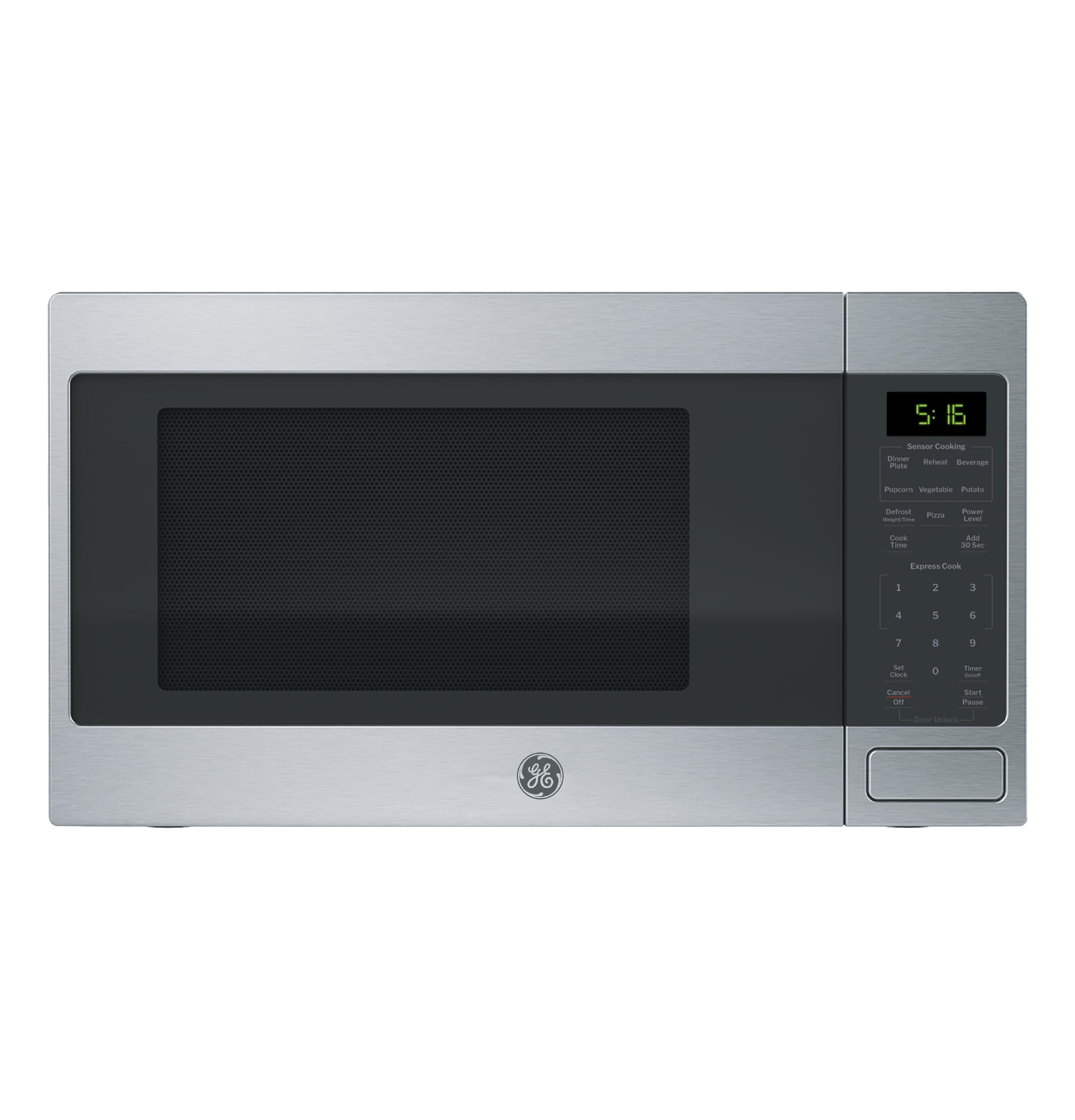
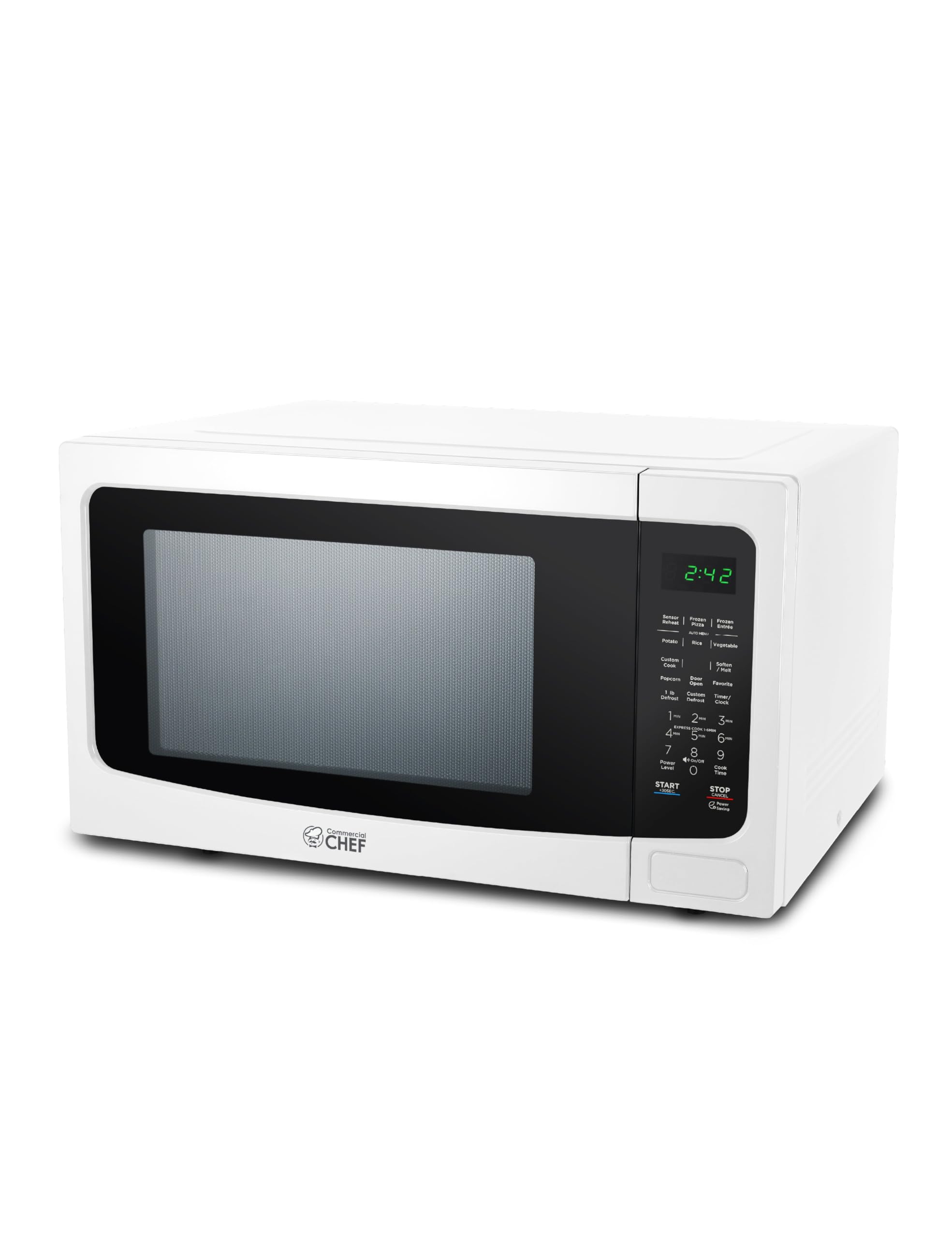
The product table above groups models by type, so decide which group deserves your money first.
Standard Countertop Models for Everyday Family Use
This is the default choice for most homes. You get the full 1.6 cu ft cavity, about 1000 to 1200 watts, sensor reheating on many models, and controls that guests and kids can figure out without a manual. Nothing needs installing beyond plugging it in. The limits are plain heating technology, which can leave edges of delicate food overcooked, and basic interiors that need wiping after splatters. For reheating, defrosting, popcorn, and frozen meals, this type covers the routine at the lowest cost.
Inverter Models for Gentler, More Even Heating
Inverter models deliver steady low power instead of cycling full power on and off. In practice, butter melts without exploding, chocolate softens evenly, and leftovers reheat without rubbery edges or cold centers. Defrosting ground meat goes better too, with fewer cooked patches around the rim. These models suit households that reheat delicate food or defrost several times a week. They cost more than standard models, and the advantage fades if your use is mostly popcorn and frozen dinners, where basic power cycling works just as well.
Convection and Air Fryer Combos for Small Kitchens
Combo models add a heating element and fan, so the same box can roast vegetables, bake a small batch of cookies, or crisp fries with hot air. For a small apartment or a household avoiding a second appliance, that flexibility is the whole appeal. The trade offs are real, though. Modes take longer to learn, interiors need more cleaning after roasting, and the price climbs toward that of a separate small air fryer. Buy this type when counter space is the binding constraint.
How to Compare Models Fairly
Compare on the same six points every time: usable capacity, cooking power in watts, how simple the controls feel, how easy the interior is to wipe down, operating noise, and the safety listing plus warranty terms. Manufacturer spec sheets give you the hard numbers, and verified buyer reviews are the best public source for noise, door feel, and control quirks.
Is a 1.6 cu ft Microwave the Right Size for You?
This size fits households of three to five people who reheat family portions, cook frozen meals for more than one person, and use dishes too large for compact models. It handles a rotisserie chicken for reheating, a large mixing bowl of mashed potatoes, and standard casserole dishes without tilting. A single person who mostly warms coffee and soup will pay for space that sits empty, and a household of six cooking big batch meals daily may find even this cavity tight at holidays. Size for your largest regular dish, not your largest imaginable one.
Common Mistakes to Avoid
- Measuring the cavity but not the counter, so the unit arrives too deep for the space under your cabinets.
- Choosing low wattage to save money, then living with long cooking times and uneven frozen meals for years.
- Paying for convection and air fryer modes you use twice, when a standard model covered your real routine.
- Ignoring replacement costs such as a cracked turntable plate or a worn door latch when comparing a cheap unit against a sturdier one.
- Placing the microwave flush against walls and cabinets, which blocks vents and shortens the life of the unit.
Cost of Ownership and Care
Running costs stay low, since even daily use adds only a small amount to a monthly power bill. The real costs are occasional parts: a replacement turntable plate, a light bulb, or a charcoal filter on combo models, each usually under $50. Wipe the interior after splatters and clean the door seal weekly so it keeps sealing properly. Our step by step guide on how to clean a microwave covers the steam method that loosens dried food without scrubbing. Never run the unit empty, and leave the vents unobstructed. With basic care, most owners get many years of service, and our overview of how long does a microwave last explains the signs that a unit is nearing its end.
Your Questions, Answered
What is the best 1.6 cu ft microwave for a typical family?
For most families, a standard countertop model with about 1100 watts and sensor reheating is the safest answer, because it balances price, speed, and simple controls. Step up to an inverter model only if you defrost often or reheat delicate food daily. The detail that separates happy owners from frustrated ones is rarely a feature. It is whether the largest dish the family uses weekly fits through the door and spins freely, so check that measurement first.
What size microwave do I need for a family of four?
A family of four lands right in the 1.4 to 1.8 cu ft range, which is why this size class exists. Beyond the cubic footage on the box, measure the diameter of your most used plate and the height of your tallest covered bowl. Manufacturers measure capacity differently, so two models with the same rating can fit different dishes. If your plates are 11 inches or wider, confirm the turntable diameter on the spec sheet.
How do you clean a 1.6 cu ft microwave without harsh chemicals?
Fill a microwave safe bowl with water and a slice of lemon, run it for about three to five minutes, then let the steam sit with the door closed a few minutes more. Dried splatters wipe away with a soft cloth afterward. One point many guides skip: wash the turntable separately in the sink and wipe the roller ring underneath, because crumbs collect there and make the plate wobble and squeak over time.
What is the most reliable microwave type at this size?
No brand earns a blanket promise, but simpler designs tend to outlast feature packed ones, because every extra mode adds parts that can fail. When you compare listings, read the warranty terms closely. A long magnetron warranty, often five to ten years on the part itself, signals that the maker expects the core component to last. Door latches and control panels wear first, so favor solid feeling doors and simple button layouts.
Is a microwave worth it if you already own a toaster oven?
Yes, because the two appliances do different jobs. A toaster oven browns and crisps, but it reheats soup, rice, and saucy leftovers slowly and often dries them out. A microwave heats the water inside food directly, so leftovers come back moist and fast. The pairing works well together: reheat a casserole portion in the microwave, then give it a brief finish in the toaster oven if you want the top crisped. Forcing one appliance to do both jobs usually means doing one of them badly.
Final Thoughts
Start with the type that matches your routine, confirm the footprint and wattage, and let the warranty break any tie. For most households, the best 1.6 cu ft microwave is a standard or inverter countertop model that fits your largest weekly dish with room to spare. Use the product table above to compare current options in your chosen type, and check the price on the product page before ordering.