Bed Frame Buying Guide: How to Choose the Right One in 2026
Disclosure: We may earn a commission when you buy through links on this page, at no extra cost to you. As an Amazon Associate I earn from qualifying purchases. Learn more

Our bed frame buying guide explains types, sizes, materials, features and prices so you can choose with confidence. Updated for 2026.
A bed frame does more than hold your mattress off the floor. It sets your sleeping height, affects how quiet your bed feels at night, and decides whether your mattress gets the support it needs to last. This bed frame buying guide walks you through the types, sizes, materials, and features that matter, so you can narrow your choice before you spend anything.
Start with the basics below, then use the comparison table below to see how frame styles differ at a glance. By the end, you will know which size fits your room and which extras are worth paying for.


Quick Checklist
Before you look at any single frame, settle these points first. They filter out most wrong choices quickly.
- Measure your room and leave walking space on at least two sides of the bed.
- Match the frame size to your mattress size exactly, including thickness.
- Check the stated weight capacity against the combined weight of sleepers and mattress.
- Confirm whether the frame needs a box spring or supports the mattress on slats alone.
- Decide if you need storage, a headboard, or a low height before you shop.
- Read the warranty terms and check that replacement parts are easy to order.
Types Explained
Platform
A platform frame supports your mattress on a flat surface or on closely spaced slats, so you skip the box spring entirely. This design sits lower than older frame styles and feels firm and stable under foam and hybrid mattresses. Because there are fewer parts to shift, platform frames tend to stay quiet, which suits light sleepers and shared beds.
Upholstered
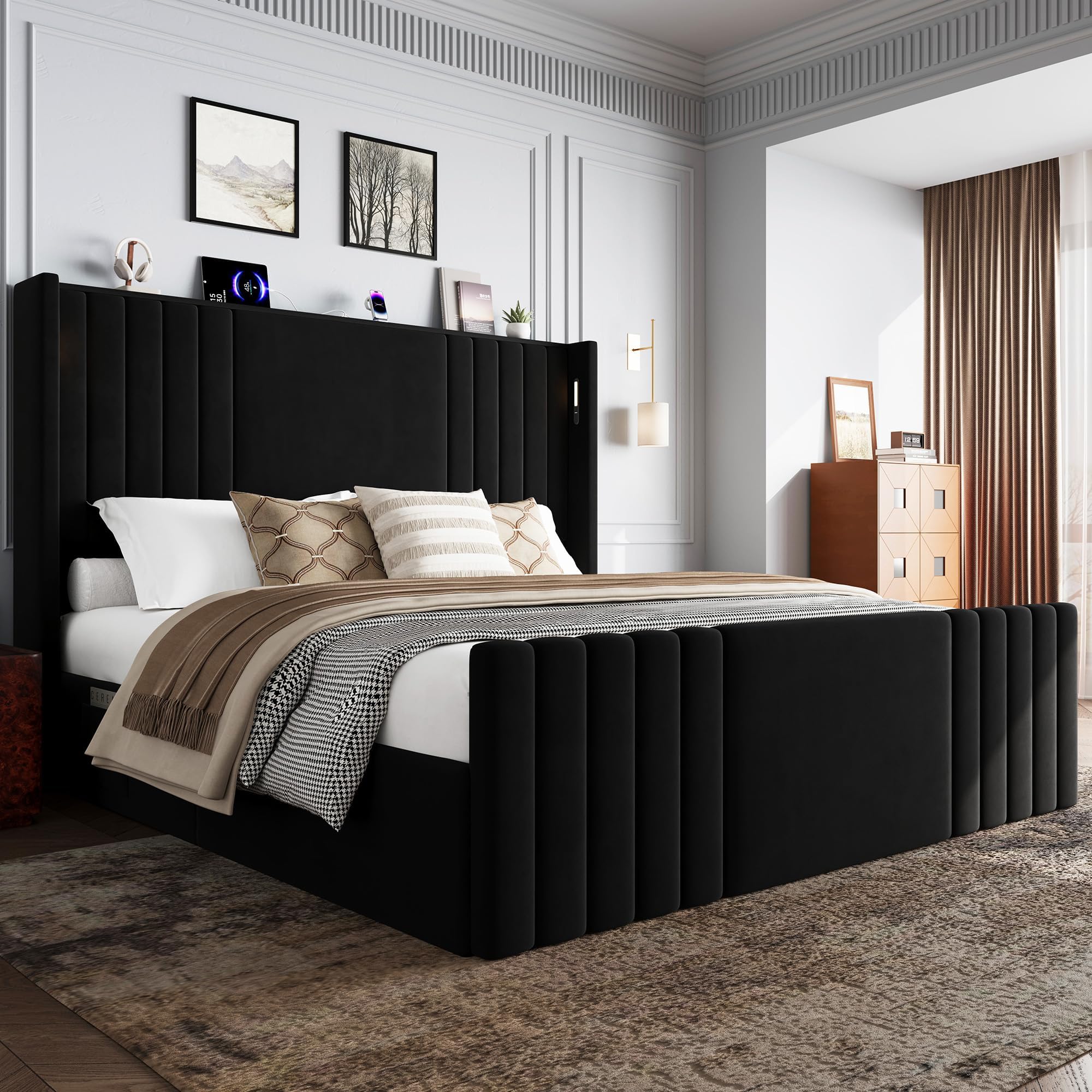
An upholstered frame wraps the rails and headboard in fabric over padding. It softens the look of the room and gives you a cushioned surface to lean against while reading. The trade off is care, since fabric collects dust and shows spills more than bare wood or metal.
Metal
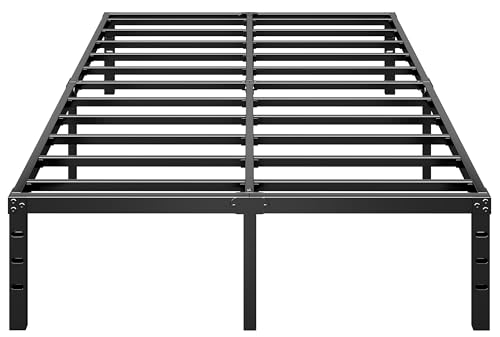
Metal frames use steel or iron tubing and are often the lightest and least costly option. Many fold or break down into small pieces, which helps in apartments with narrow stairs. Thin metal rails can flex under heavy loads, so check the thickness of the steel and look for a center rail with legs on larger sizes.
Wood
Wood frames range from soft pine to dense hardwoods, and they bring warmth that suits most bedroom styles. Solid wood costs more but resists flexing and can be refinished if scratched. Frames built from engineered wood cost less, though their joints may loosen sooner. Inspect how the rails join, since strong joinery matters more than the wood name alone.
Storage
A storage frame builds drawers or a lift up base into the space under the mattress. It suits small bedrooms where a dresser will not fit, and it keeps spare bedding close at hand. Drawer models need clear floor space on the sides to open, while lift up models need strength to raise the mattress. Measure both before you commit.
Canopy
A canopy frame adds four tall posts joined by rails above the bed. It makes a strong visual statement and lets you hang light curtains for privacy or shade. This type needs ceiling height to spare, since the posts often rise above 80 inches. In a low room it can feel crowded, so measure upward as well as across.
Choosing the Right Size
Frame sizes follow mattress sizes. A twin suits a single child or a small guest room, twin XL adds length for tall teens and college dorm beds, and a full gives one adult more width. A queen is the most common choice for couples, a king adds width for partners who want personal space, and a California king trades some width for extra length.
Size is also about the room. Leave about 24 to 30 inches of walking space around the sides and foot where you can, and remember that a frame with a headboard and footboard takes more floor space than the mattress alone. Height matters too. Low profile frames sit close to the floor and suit modern rooms, while taller frames ease getting in and out of bed and leave room for storage bins below.
Features Worth Paying For
Headboard
A headboard stops pillows from slipping behind the bed and gives your back support when you sit up. Tall padded panels feel best for reading, while flat wood or metal panels are easier to dust. Check how the headboard attaches, since a panel bolted to the frame feels sturdier than one mounted to the wall alone. Also confirm the height works with your mattress thickness, because a thick mattress can cover most of a short panel and leave it doing little.
Drawers
Built in drawers turn wasted floor space into storage for linens, clothing, or shoes. Drawers that roll on smooth tracks feel better than ones that slide on bare wood, and full depth drawers hold far more than shallow ones. Count the drawers and picture what you will store before paying extra, since two large drawers often serve you better than four small ones. Keep in mind that drawers add weight, which matters if you plan to move the bed often.
Charging Station
Some headboards include outlets or USB ports, so phones and lamps plug in without cords crossing the floor. This is handy when your wall outlets sit behind the bed and are hard to reach. Look for ports placed on the side or top edge of the headboard where you can reach them while lying down. Treat this as a convenience rather than a core feature, and never let it outweigh weak rails or thin slats elsewhere on the frame.
LED Lights
Lighting strips under the rails or behind the headboard add a soft glow for night time trips out of bed. Motion sensing lights are the most useful kind, since they switch on without a remote. Warm light is easier on sleepy eyes than bright white light. This feature is pleasant but optional, so weigh it after support, size, and build quality.
Body Size and Weight Capacity
Every frame has a weight limit, and it covers the mattress, all sleepers, and any children or pets who climb in. Add those weights together, then leave a margin, since movement during sleep adds force beyond still weight. Taller and heavier sleepers should favor frames with thick slats, a center support rail, and extra legs under the middle. If a listing hides its capacity or states a number that seems low for the size, treat that as a warning sign.
Adjustability
Some frames let you change the height of the legs or the headboard, which helps you match the bed to a thick mattress or to under bed storage bins. A few slat systems let you shift slat position to firm up the middle of the bed. If you plan to pair the frame with an adjustable base later, confirm the rails are wide enough and that no center bar blocks the base. Small adjustments like these extend the useful life of the frame.
Materials and Durability
Solid hardwood and thick steel give the longest service, while softwood and thin tubing suit lighter use and tighter budgets. Look at the slats as closely as the outer frame, since closely spaced slats protect foam mattresses from sagging. Joint hardware matters too. Bolts that thread into metal inserts hold tighter over years than screws driven straight into wood. For realistic expectations on service life, see our notes on how long does a bed frame last, and keep up simple care using the steps in how to clean a bed frame.
Assembly and Warranty
Most frames arrive flat packed and take one to two hours to build with a partner. Clear instructions, labeled parts, and included tools all signal a maker who has refined the design. If you want the full sequence before your frame arrives, read how to assemble a bed frame for the order of steps and the tools involved. On warranty, look for coverage of at least a few years on the frame structure, and check whether slats and hardware are covered or sold as spare parts.
How Much to Spend
Basic metal frames often cost about $50 to $250, while solid wood and upholstered frames commonly run about $300 to $800 depending on size. Storage and canopy designs usually sit at the top of the range because of their extra parts. Spending more should buy thicker materials, better joinery, and quieter hardware rather than decoration alone. Set your budget after you choose the type and size, since a queen or king size adds cost in every material.
What to Look For in a Brand
Instead of chasing names, judge makers by what they publish and support. Good signs include clear weight limits, slat spacing figures, spare parts you can order years later, and warranty terms in plain language. Poor signs include missing dimensions and no stated capacity. A maker who answers sizing questions openly is usually easier to deal with if a part arrives damaged.
Common Mistakes to Avoid
- Buying a frame before measuring doorways and stairs, then finding it will not fit through.
- Pairing a foam mattress with widely spaced slats, which lets the foam sag between gaps.
- Ignoring the footboard height, which can crowd a tall sleeper who stretches out.
- Choosing storage drawers for a room with no side clearance to open them.
- Skipping the center support on a queen or king frame, which leads to sagging and noise.
FAQ
How do I stop a bed frame from squeaking?
Start by tightening every bolt, since loose joints cause most squeaks. If the noise continues, add felt pads where metal parts touch and check that the frame sits level on the floor, because a rocking leg makes joints work loose again. A rug under the frame can also quiet small movements. Persistent creaking from a cracked slat or rail means that part needs replacing rather than more tightening.
Does a bed frame need a box spring?
It depends on the design. Platform frames support the mattress on slats or a solid deck, so they need no box spring at all. Traditional metal rails with wide open middles do need one, or a bunkie board, to keep the mattress from dipping. Adding a box spring to a platform frame raises the bed higher than intended and can void the mattress warranty, so follow the frame maker guidance.
What slat spacing does a bed frame need?
Foam mattresses generally need slats spaced about 2 to 3 inches apart so the foam cannot press down between them. Innerspring mattresses tolerate wider gaps, though closer spacing still gives a firmer and more even feel. If a frame you like has wide gaps, a sheet of plywood cut to size or a bunkie board solves the problem for modest cost. Always check the mattress maker requirements, since warranty terms often state a maximum gap.
Can a bed frame improve sleep quality?
A frame will not fix a worn out mattress, but the right support keeps a good mattress performing as designed. A stable frame reduces motion transfer and night time noise, both of which can wake light sleepers. Correct bed height also helps if you have knee or back trouble getting up. If you regularly wake with new pain, look at the mattress first, treat the frame as supporting equipment rather than the cure, and mention persistent pain to your doctor.
How do I choose a bed frame for a small bedroom?
Pick a frame with no footboard, since footboards add length and make a small room feel tighter. A storage design can replace a dresser and free floor space, while a low profile frame keeps the room feeling open. Light colored wood or slim metal rails look less bulky than thick upholstered panels. Measure for drawer clearance on both sides, and if one side sits against a wall, choose a lift up base instead.
Final Thoughts
The right frame is the one that fits your room, supports your mattress properly, and carries your household weight with room to spare. Work through the types, sizes, and materials in this bed frame buying guide, use the product table above to compare your shortlist, and spend on structure before decoration. When you are ready to look at specific options, start with our roundup of the best bed frame choices and match them against the checklist here.