Beast Blender Mini Review: Honest Pros, Cons & Who It's For (2026)
Disclosure: We may earn a commission when you buy through links on this page, at no extra cost to you. As an Amazon Associate I earn from qualifying purchases. Learn more

A Beast Blender Mini review for small kitchens covering capacity, cleanup, versions and who it suits.
A mini blender earns its place in a home by being quick to reach for, not by being the most powerful machine on the counter. This beast blender mini review looks at the model through the lens that matters for daily life: how it fits your space, how many people it serves at once, how simple it feels on a busy morning, and what it costs to own over time.
Use the comparison table below for the headline facts, then read on for the specs worth checking before you buy. If you are still deciding between formats, our guide to the best portable blender options shows how this class compares with other small machines.


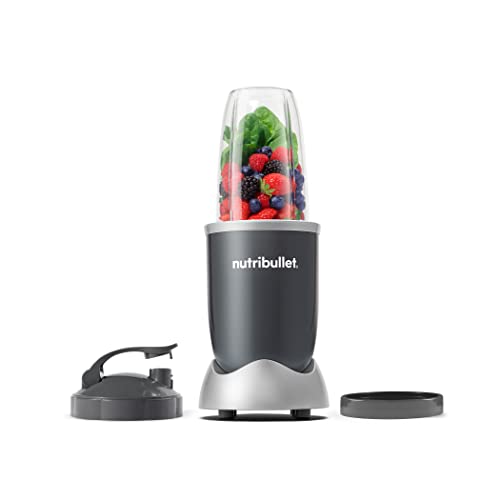


Beast Blender Mini: Key Specs to Check
Listings and bundles change, so confirm the details on the product page before you order. These are the points the current listings state.
- Motor: 600 watts across the Mini family, which the maker positions as strong for a mini blender.
- Vessels: the standard Mini lists extra Tritan vessels with a drinking lid, carry cap and straw cap, while the Mini 600 swaps in an insulated stainless steel vessel.
- Versions: the Mini at about $99, the Mini Blender Plus at about $129, and the stainless steel Mini 600 at about $119.
- Footprint: a small countertop footprint aimed at apartments and dorms.
- Warranty length: confirm whether cover includes the motor only, or the vessel and seals as well.
First Impressions and Build
A compact blender lives or dies by how it feels in a normal kitchen routine. The base should sit steady on the counter without rocking when you press the vessel down, and the vessel should feel solid in the hand rather than thin or flexy. Thick walls matter because a vessel that doubles as a drinking cup gets carried around the house and set down on hard surfaces daily.
Pay attention to the lid and seal too. A lid that twists on with a firm stop gives confidence when you carry a full blend to another room, and a gasket in a visible groove is easier to clean than one buried in the lid. A small base also stays on the counter without crowding a coffee maker, and a blender left within reach gets used.
How It Performs in Everyday Home Use
Capacity
A mini vessel is built around one generous serving or two small ones. That suits a solo smoothie drinker or a couple who blend at different times, but a household making breakfast drinks for four people at once will run batch after batch and lose the time the format was meant to save. Keep your usual load under the max fill line, since overfilling is the main cause of leaks and uneven blends.
Blending Performance
Small blenders handle soft fruit, yogurt, protein powder, and leafy greens well when liquid goes in first and frozen pieces stay modest in size. Thick mixes such as nut butter based shakes ask more of the motor, and short pulses with a pause to shake the vessel usually give a smoother result than one long run. Ice is the real challenge for any compact machine: small cubes and crushed ice blend far more kindly than large tray cubes, and adding ice gradually keeps the blades moving instead of locking them.
Ease of Use
The daily appeal of this format is how little stands between you and a finished drink. Few parts, one vessel, and simple controls all lower the effort of a weekday routine. Alignment marks matter more than you might expect: vessel and base must meet correctly before the motor runs, and clear markings make that a glance instead of a fumble. Compact motors are rarely quiet, but a short blend time suits early mornings in a shared home.
Cleaning
A rinse right after blending is the single habit that keeps a small blender pleasant to own. Warm water, a drop of dish soap, and a short blend cycle clear most residue before it dries onto the walls. The blade base deserves a proper wash rather than a rinse alone, because residue gathers where the blades meet the seal. Check whether the vessel and lid are listed as dishwasher safe, and wash gaskets by hand regardless, since harsh cycles age rubber seals fast.
Features You Will Actually Use
With a mini blender, the useful features are simple ones. A vessel that converts to a drinking cup with a travel lid removes one washing step and fits a commute or gym routine. Clear measurement marks help you repeat a recipe without guessing. A pulse option, if included, gives control with dips and chopped nuts where a full speed run would turn everything to paste.
Features that sound impressive matter less in this class. Long program lists overlap heavily on a small machine, and attachments you must store can cancel out the space the format saved. Judge the list against your three most common blends; if a feature serves none of them, it is decoration.
Living With It: Setup, Storage and Upkeep
Setup should take minutes: wash the vessel, lid, and blade base, seat the base on a dry and level surface, and run a water only blend to clear any packing residue. Keep the cord path in mind when you choose its spot, since a base pulled forward daily wears the cord.
For upkeep, inspect the gasket every few weeks and replace it if it looks flattened or cracked. Store the vessel unsealed so trapped moisture does not leave a stale smell. A spare vessel is the one accessory worth considering early, because it lets one blend sit in the fridge while you make another.
Strengths and Trade Offs to Weigh
The strengths of this format are easy to state. It takes little counter space, serves one person without waste, washes up fast, and invites daily use because nothing about it feels like a project. The vessel to cup idea also suits smaller homes where every item must justify its footprint.
The trade offs are just as clear. One batch serves a limited number of people, thick and icy loads need patience and smaller pieces, and a compact motor is not built for large amounts of hard ingredients. Replacement parts are brand specific, so long term costs depend on the maker stocking them.
Is the Beast Blender Mini Right for Your Household?
It fits best in a home of one or two people who blend daily and value a clear counter. Solo smoothie drinkers, small apartment kitchens, and anyone who takes a drink to work will feel the format working for them. It also suits a second blender role in a bigger home, handling personal drinks while a full size machine covers cooking.
Skip it if your household blends for three or more people at the same sitting, if you regularly crush large ice cubes for entertaining, or if you want one machine to mill flour and puree hot soup. Those jobs belong to larger machines, and forcing a mini blender into them shortens its life.
How the Beast Blender Mini Compares
The closest comparisons fall into three types. Corded compact blenders trade travel freedom for steady power and no charging routine. Cordless personal blenders trade some power for true portability, and if that direction appeals to you, the ninja blast review covers one popular cordless approach in detail. The ninja blast max review examines a step up in that same line, with longer run time between charges.
Full size countertop blenders sit at the other end: bigger jars, stronger motors, and batch cooking ability, at the cost of counter space. Any honest beast blender mini review should say plainly that the mini wins on access and routine speed, while the full size machine wins on volume and hard loads.
Price, Deals and Warranty
Current listings show the Beast Mini at about $99, the Mini Blender Plus at about $129 and the stainless steel Mini 600 at about $119. Pricing moves with seasons and bundle contents, so compare the total package rather than a headline figure. A bundle with an extra vessel or travel lid can be better value than the base set at a lower price. Confirm the exact model name on the listing, since mini and full size versions can look similar in photos.
On warranty, read what is covered and for how long, and keep your proof of purchase. Register the product if the maker offers it, and note whether wear parts such as gaskets and vessels are excluded, as they often are.
Common Buying Mistakes to Avoid
- Guessing at size. Buying before measuring cabinet height and counter depth can leave a blender with nowhere to live.
- Counting servings wrong. Assuming one mini vessel will serve a family breakfast leads to slow mornings and an overworked motor.
- Ignoring replacement parts. Ordering without checking spare vessel and gasket prices hides the real cost of ownership.
- Paying for unused programs. Choosing the longest feature list, when your routine uses one setting, wastes money and storage space.
- Skipping the return terms. Buy from a listing with clear returns in case the format disappoints.
Cost of Ownership and Care
Ongoing costs for a small blender are modest but real. Electricity use is minor because blend times are short, while the true costs sit in consumable parts: gaskets that lose their seal, vessels that cloud or crack after a drop, and lids left behind at work. Budget for a gasket swap and possibly one spare vessel across the life of the machine, and the format stays economical.
Care habits decide how long those costs stay low. Avoid blending very hot liquids unless the maker rates the vessel for them, rest a warm motor between back to back batches, and never run the blades dry for more than a moment.
Your Questions, Answered
How do you clean the Beast Blender Mini?
Beyond the daily soap and water blend cycle, the detail most owners miss is the underside of the lid and the gasket groove, where residue dries and causes odors. Pop the gasket out once a week, wash it by hand, and let it dry fully before refitting it. Never immerse the base; wipe it with a damp cloth, and leave the vessel to air with the lid off so no stale smell builds up.
What is a cheaper alternative to the Beast Blender Mini?
Basic personal blenders with a simple one speed base and a single vessel usually cost less and cover soft smoothies and shakes well. What you give up is typically vessel quality, seal design, and spare part support, which shows up after months of daily use rather than on day one. If your blends are mostly protein shakes with no frozen fruit, a simpler machine is a sensible saving; if frozen ingredients are routine, the cheaper motor will struggle sooner.
How long does the Beast Blender Mini last?
Lifespan depends mostly on load and care rather than on the calendar. A mini blender used once a day for soft to medium blends, with the motor rested between batches, should serve for years of home use. Grinding hard ingredients daily or filling past the max line will wear the blade bearing and seal much faster. Treat a new leak or grinding noise as a prompt to inspect the seal and blade base.
What are common Beast Blender Mini problems?
The problems owners run into with mini blenders of this type are usually simple ones. Leaks almost always trace back to a gasket seated unevenly or a vessel filled past its line. A motor that will not start is often a safety interlock doing its job because the vessel is not fully seated. Chunky blends point to too little liquid or frozen pieces that are too large, both fixed by adjusting the load.
Is the Beast Blender Mini worth it?
It is worth it when the format matches your routine: one or two servings at a time, daily use, and limited counter space. The case weakens if you would use it twice a week at most, or if your household size forces double batches every morning. Bought on a fair deal with a spare vessel included, the cost per use over a year of daily blending becomes very small.
Final Thoughts
Judge this machine by how naturally it fits your rooms, your household size, and your weekday routine. The product table above pulls the headline facts together, and this beast blender mini review has covered the points a spec sheet cannot, from gasket care to honest batch size limits. If your needs match the mini format, it is a tidy and practical way to blend every day. Check the product page before ordering.