Baratza Encore Alternatives: Cheaper and Comparable Grinders (2026)
Disclosure: We may earn a commission when you buy through links on this page, at no extra cost to you. As an Amazon Associate I earn from qualifying purchases. Learn more
Baratza Encore alternatives for different homes and budgets, from compact value grinders to sturdy models built for years of daily use.
Your kitchen counter is already crowded, two people want coffee at different times each morning, and the grinder you had in mind costs more than you planned to spend. That is the moment when a baratza encore alternative starts to make sense. You still want even grounds for drip, pour over and French press, but you need a size, a noise level and a price that fit your home.
This guide compares three types of alternative by the things that shape daily life at home. You will see how each type suits a small or large household, how much counter space it asks for, and what it costs to own and maintain over time. Start with the comparison table below, then read the sections that match your household. If you are still weighing the wider category, our guide to the best coffee grinder covers the basics in one place.


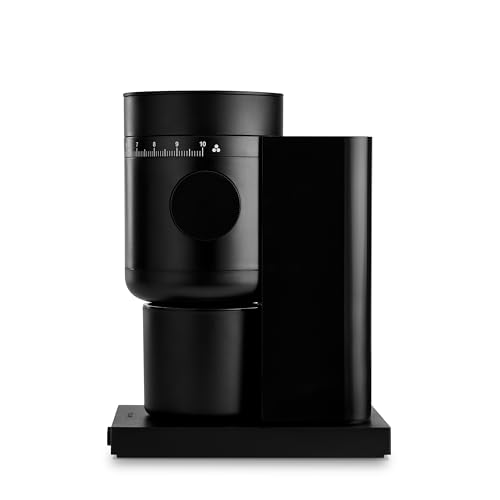

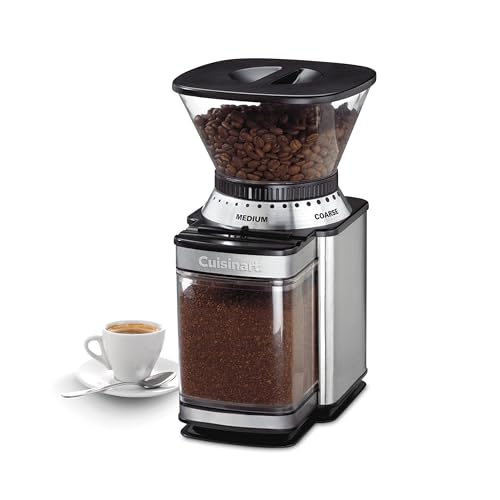


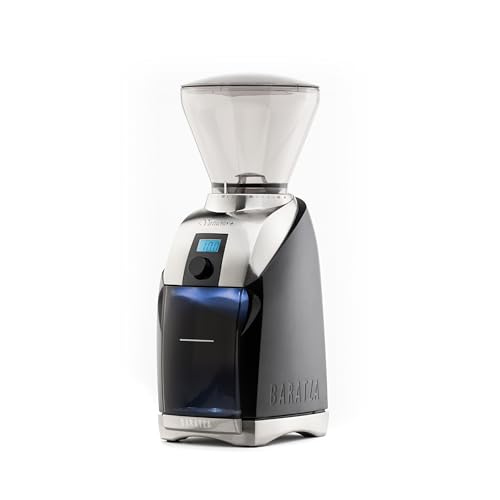
Quick Comparison Table
The product table above groups the alternatives by type rather than by a single winner. One column favors a lower purchase price, one stays closest to the original idea of a simple brew grinder, and one costs more up front but aims for years of steady use. Relative price in the table is shown against the grinder named in the keyword, so you can see at a glance which direction your budget would move.
Read the table with your own kitchen in mind. Note the footprint your counter can spare, the number of people grinding each day, and whether anyone in the house makes espresso at home.
Why Look for a Baratza Encore Alternative?
Price is the most common reason. The original sits in a middle band, often about $150 to $200, and some households would rather spend less and put the savings toward beans, filters or a better kettle. Others find that band fair but want more for the same money, such as finer control for espresso or a quieter motor for early mornings.
Size is the second reason. A tall hopper and a deep body can crowd a small counter, block a low cabinet door, or force you to move the grinder every time you fill it. In a shared kitchen, a slimmer or shorter type may earn its place simply by fitting under your cabinets with room to pour beans in from above.
Household size matters too. A single coffee drinker grinds a small amount once a day, while a family of four may grind several rounds before breakfast is over. A type that feels quick and calm for one person can feel slow or messy for a busy family, and the reverse is also true.
Finally, some buyers want a different strength. You may want grounds fine enough for espresso, a dosing approach that weighs each serving, or parts that are cheap and simple to replace at home. None of these wishes means the original is a poor choice. They simply mean another type may match your home more closely.
The Best Alternatives
1. Closest Match Overall: A Simple Brew Focused Conical Burr Type
This type copies the core idea most closely. It uses conical burrs, offers a wide range of grind settings for brew methods, and keeps controls simple with a dial and a pulse or timed grind. For drip machines, pour over cones and French press pots, it delivers the even particle size that makes extraction taste balanced rather than sour or bitter.
Where it can do better is daily handling. Some versions in this group hold static down with a treated grounds bin, so fewer grounds cling to the walls and land on your counter. Grounds bins with a clear fill line also help a second person in the house judge how much is left without guessing.
Where it can fall short is espresso. Most brew focused types stop at a fine setting that suits a pressurized basket but struggles with a standard espresso basket. If espresso is only an occasional drink in your home, that limit may never bother you. If it is a daily habit, look at the third type below instead.
Choose this type if your household brews mostly filter coffee, you want the shortest learning curve, and you prefer to spend close to the original price without paying for features you will not touch. It is the calm default for couples and small families who grind once or twice each morning.
2. Best Money Saver: A Compact Value Conical Burr Type
This type trims cost by keeping the burr set and the grind range, then simplifying everything around them. The hopper may be smaller, the body may use more plastic, and dosing is often by time or by eye rather than by weight. Prices in this group often land about $80 to $130, which leaves real room in a tight kitchen budget.
Two points work in its favor. First, the smaller footprint suits apartments, dorm rooms and small rental kitchens where every inch of counter is shared with a toaster and a cutting board. Second, the low price lowers the risk for a first grinder, so a new coffee drinker can learn what grind size does before spending more.
The trade off is refinement. Motors in this group tend to sound louder, grind a little slower, and produce a few more fine particles at coarse settings. For French press and drip coffee those extra fines rarely ruin a cup, but a picky pour over drinker may taste the difference on light roasts.
Choose this type if one or two people drink coffee at home, counter space is tight, and you would rather save money now and upgrade later. If you are curious how a more advanced timed model in this price conversation handles dosing, the breville smart grinder pro review shows what extra controls add to daily use.
3. Best Long Term Investment Alternative: A Step Up Type With Espresso Range
This type costs more, often about $250 to $400, and earns it with range and build. Settings reach fine enough for espresso and coarse enough for French press, burrs are larger, and the body uses more metal. For a home that makes both espresso drinks and filter coffee, one capable grinder can replace two lesser ones.
Better dosing is the second gain. Some versions grind by weight or hold a portafilter directly, which cuts down on scooping, spilling and guessing. Over hundreds of mornings, that small saving of time and mess is the part owners tend to value most, more than any single jump in flavor.
The cost is size and commitment. These grinders are heavier, taller and harder to slide into a corner, and replacement burrs cost more when they eventually wear. A household that never makes espresso pays for range it will not use, which is money that could have gone to fresh beans instead.
Choose this type if espresso is part of your routine now, or firmly planned, and your counter can give it a permanent home. Readers weighing a version built for espresso from the same family can start with the baratza encore esp review to see how that focus changes the setting range.
How We Picked the Alternatives
We judged each type against the needs a home buyer actually feels. Grind range came first, because a grinder that cannot hit the size your brewer needs is wrong for you no matter how quiet or pretty it is. We checked that brew methods were covered in full before giving any credit for espresso range.
Fit for the home came next. Footprint, height under cabinets, hopper access and cord length all decide whether a grinder lives on the counter or gets pushed into a cupboard and forgotten. Noise also counted here, since a grinder that wakes a sleeping baby or a partner on night shifts will not stay in daily use for long.
Cost of ownership shaped the final picks. We looked at burr replacement cost, how easy the burrs are to reach for cleaning, and whether common parts such as hopper lids and grounds bins can be bought on their own. A cheap grinder with costly or hard to find parts can end up the more expensive choice over five years of use.
Ease of daily use tied the criteria together. Clear setting marks, a grounds bin that empties without scattering, and controls a guest or a teenager can understand all matter in a shared home. We favored types that a second person could use correctly on the first try, without a manual open on the counter.
Should You Just Buy the Baratza Encore?
Sometimes, yes. If your home brews filter coffee, your counter fits its height, and the price sits comfortably in your budget, the original remains a sensible and simple answer. Its wide setting range, plain controls and strong parts support are exactly why so many people start their search with it in the first place.
Buy an alternative instead when one clear fact points away. A hard budget ceiling, a cabinet that is too low, a household that needs espresso range, or a family that grinds large amounts every morning are all solid reasons. One strong reason beats a long list of small doubts, so name your main reason before you shop.
If you are still torn, read the baratza encore review for a close look at the original on its own terms. Then return to the product table above and ask which type removes your one main obstacle. That order keeps the decision grounded in your home rather than in a generic ranking.
Your Questions, Answered
Is the Baratza Encore worth the price?
For filter coffee at home, it can be, because you pay for even grinding, a broad setting range and parts you can replace instead of a grinder you throw away. The value looks weaker if you will outgrow it within a year by moving to espresso, or if a lower priced type already covers the two brew methods you use every week.
Is there a cheaper version of the Baratza Encore?
There is no lower priced twin from the same line that keeps the same burrs and range. The cheaper route is the value type described above, which keeps conical burrs but simplifies the body, the hopper and the dosing. Expect more noise and a little less even coarse grinding in exchange for the savings.
What is the best alternative to the Baratza Encore?
The best pick depends on the obstacle you are solving. For the same job at a similar price, choose the brew focused type. For the lowest spend, choose the compact value type. For espresso range and a longer service life, choose the step up type. Matching the type to your obstacle gives a better result than chasing one overall winner.
How long do burrs last in a home coffee grinder?
Steel burrs in home use often last through several hundred pounds of coffee, which for most households means many years of daily grinding. Dark and oily beans wear and coat burrs faster than light roasts, so a home that grinds oily beans daily may notice duller grounds sooner. A drop in consistency, not a calendar date, is the sign to inspect them.
Does a grinder need a large hopper for a family?
Not always. A large hopper helps when four or more people grind back to back each morning, because nobody stops to refill beans mid routine. In smaller homes a large hopper can actually hurt freshness, since beans sit out longer. Many families do better storing beans in a sealed container and filling a modest hopper every few days.
Final Thoughts
There is no single baratza encore alternative that suits every kitchen, because homes differ in space, in headcount and in how much espresso matters. The brew focused type keeps things simple, the value type protects your budget and your counter, and the step up type buys range and years of service. Each one solves a real problem the original leaves open for some buyers.
Return to the product table above with your main obstacle in mind, whether that is price, height, noise or espresso. Pick the type that removes that obstacle, check that its footprint fits the spot you have measured, and spend what you saved on fresh beans. A grinder that fits your home and gets used every morning is the right choice, whichever type it turns out to be.