Bamboo vs Cotton Sheets: Which Is Better in 2026?
Disclosure: We may earn a commission when you buy through links on this page, at no extra cost to you. As an Amazon Associate I earn from qualifying purchases. Learn more

Bamboo vs Cotton Sheets: we compare the key differences, pros and cons side by side so you can decide which one is right for you. Updated for 2026.
If you are torn between bamboo vs cotton sheets, the quick answer comes down to how you sleep and how you like fabric to feel against your skin. Choose bamboo if you sleep warm and want a silky, cool, smooth surface that drapes close to the body. Choose cotton if you want the widest choice of feels, from crisp to satiny, plus simpler washing and a fabric that most people already know well.
Neither fabric wins for every bedroom, and labels can mislead you if you only shop by fiber name. The comparison table below lines up the points that actually change your sleep, and the sections after it explain what sits behind each row. If you want to widen your shortlist beyond these two fabrics, see our guide to the best sheets for other materials worth a look.
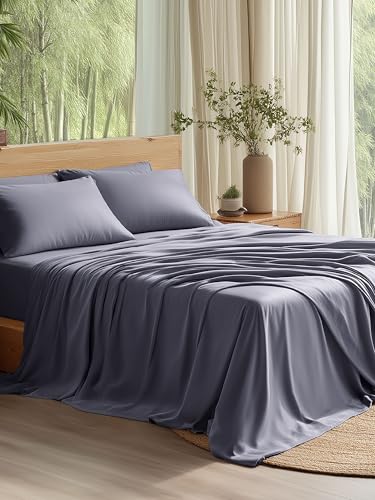


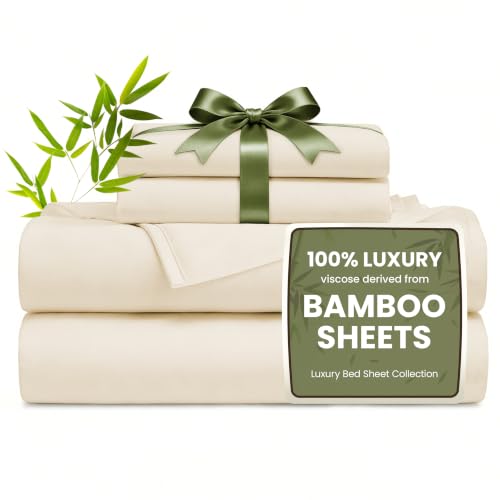


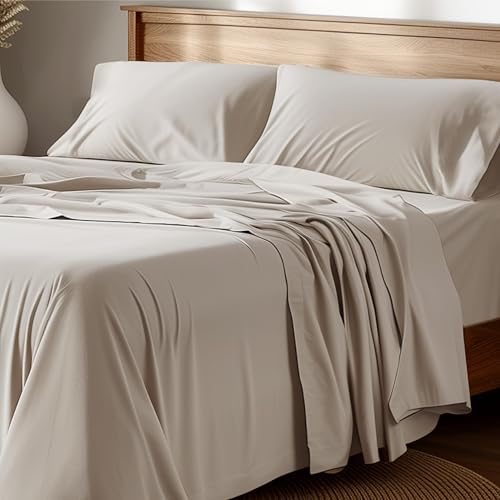
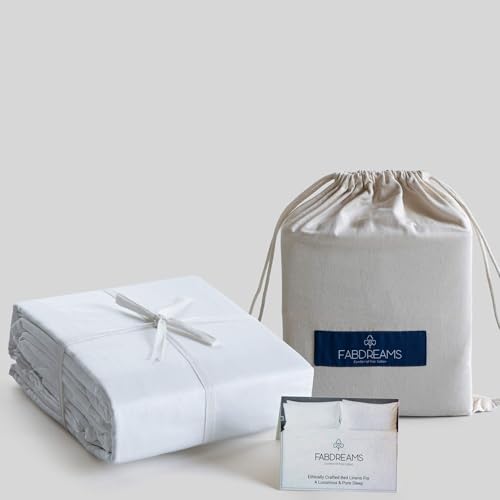
Bamboo vs Cotton Sheets: Comparison Table
The table sums up the general tendencies of each fabric. Weave, fiber quality, and blends can shift any single set away from these patterns, so treat the rows as a starting point and then check the label details covered later in this guide.
| Criterion | Bamboo | Cotton Sheets | Edge |
|---|---|---|---|
| Feel | Silky and smooth, drapes close | Crisp in percale, smooth in sateen | Depends on taste |
| Warmth | Feels cool at first touch | Ranges from airy percale to warm flannel | Bamboo for hot sleepers |
| Moisture handling | Absorbs moisture readily | Absorbs well, dries at a moderate pace | Bamboo, slightly |
| Care | Gentle washing and low heat drying | Tolerates a wider range of routines | Cotton |
| Strength | Weaker when wet, can pill with friction | Strong fiber, holds up to frequent washing | Cotton |
| Choice | Fewer weaves and colors in most stores | Huge range of weaves, grades, and prices | Cotton |
| Price tendency | Usually sits in the middle to upper range | Spans budget basics to luxury grades | Depends on budget |
What Are Bamboo Sheets and Cotton Sheets?
Bamboo Sheets at a Glance
Bamboo sheets are rarely woven from raw bamboo fiber in the way cotton is woven from cotton fiber. Most sets start as bamboo pulp that makers dissolve and spin into rayon, also called viscose, or into lyocell using a more contained solvent process. The result is a regenerated fiber with a round, smooth surface, which is why these sheets feel slick and soft from the first night. Because the fiber is manufactured rather than used in its plant form, the exact type named on the label matters a great deal, as the next sections explain.
Cotton Sheets at a Glance
Cotton sheets come from the soft fibers that surround the seeds of the cotton plant. Spinners twist those fibers into yarn, and weavers then turn the yarn into fabrics such as percale, sateen, jersey, and flannel. Staple length, meaning the length of the individual fibers, shapes the result: longer staples make smoother, stronger yarn, while shorter staples feel rougher and pill sooner. If the smooth sateen finish appeals to you, the brooklinen luxe sateen review shows how that weave looks and feels in a finished set.
Key Differences
Six factors separate these fabrics in daily use. Work through them in order and you will usually find that one or two matter far more to you than the rest.
Comfort and Feel
Comfort is where bamboo makes its strongest case. Its smooth fiber surface creates little friction as you turn, and the fabric drapes in close folds rather than standing away from your body. Cotton comfort splits by weave: percale feels crisp, light, and a little structured, while sateen feels smoother and heavier with a soft sheen. Sheets offer no real support in the way a mattress does, but fit affects comfort, so check that the fitted sheet pocket depth matches your mattress thickness plus any topper. A sheet that pulls free at the corners will bother you every night regardless of fiber.
Materials and Certifications
Read the fiber label before you pay for either fabric. Bamboo sets are often blends, and a label that lists only part bamboo with the rest polyester will feel and wear differently from a full bamboo rayon or lyocell set. Lyocell production also reuses most of its solvent, which some shoppers value. For cotton, look for the staple grade and whether the cotton is combed, since combing removes short fibers and leaves a smoother yarn. Independent safety certifications test finished fabric for harmful substances, so a certified set gives you a check that goes beyond the marketing claims on the front of the package.
Temperature Regulation
Bamboo fabric feels cool when you first slide in, and it absorbs moisture from your skin, which helps hot sleepers settle faster on warm nights. Cotton percale breathes well because its plain weave leaves tiny gaps for air to move through, making it a sound warm weather choice too. Cotton flannel sits at the other extreme, with a brushed surface that traps warmth for cold rooms. Keep your expectations grounded: no sheet actively cools a room, and your blanket weight, mattress foam, and bedroom temperature will always matter more than fabric alone. Eucalyptus lyocell behaves much like bamboo lyocell here, as the buffy eucalyptus sheets review illustrates.
Durability
Cotton is the stronger fiber, and it actually gains strength when wet, so it shrugs off frequent laundering that would stress other fabrics. Good cotton often feels better after many washes as the surface settles and softens. Bamboo rayon is weaker when wet and more prone to pilling where your body rubs the fabric, especially at the feet and shoulders. Bamboo lyocell generally holds up better than bamboo rayon, though it still rewards gentler handling. With either fabric, abrasive washing, harsh detergent, and high dryer heat shorten the life of a set far more than normal sleeping ever will.
Trial and Warranty
Sheet trials vary far more than mattress trials, so read the terms before you wash a new set. Some sellers let you sleep on the sheets and return them within a set window, while others accept returns only on unopened sets, which leaves you judging feel from a folded corner. Warranties on sheets usually cover manufacturing defects such as broken stitching, faulty elastic, or fabric flaws found on arrival. They rarely cover pilling, shrinking from hot washing, or thinning from normal use. Keep the packaging and your receipt until you have washed the set once and confirmed the fit, because that first wash is when sizing problems show up.
Price and Value
A queen bamboo set commonly costs about $70 to $180, while queen cotton sets span about $30 to $200 because cotton covers everything from thin basic weaves to luxury long staple grades. Price alone tells you little, since a cheap set of either fabric that pills within a year costs more per night than a pricier set that lasts for years. Judge value by fiber quality first, then by how well the care routine fits your habits. A bamboo set you wash gently as directed is a better buy than a cotton set you chose only for easy care but dislike sleeping on.
Which Should You Buy?
Choose Bamboo if…
Bamboo suits sleepers who run warm and who love a smooth, draping feel. It is also a sensible pick when you notice and dislike any roughness in fabric against your skin.
- You wake up warm or damp during the night.
- You prefer a silky surface over a crisp one.
- You are happy to wash on a gentle cycle and dry on low heat.
- You want a fabric that feels soft right away, with no breaking in period.
Choose Cotton Sheets if…
Cotton suits shoppers who want maximum choice and the simplest care routine. It also fits households where sheets get washed often and need to tolerate a busy laundry schedule.
- You want to pick your feel precisely, from crisp percale to warm flannel.
- You wash bedding frequently and prefer a forgiving routine.
- You are furnishing several beds and need a wide spread of prices.
- You like fabric that softens gradually and can serve for many years.
Other Options to Consider
Linen is the main third route worth knowing about. Woven from flax, it feels textured at first, breathes very well in heat, and softens steadily with washing, though it wrinkles easily and costs more than most cotton. Eucalyptus lyocell is the other close cousin: it offers the same smooth, cool hand feel as bamboo lyocell with a different plant source, and the sijo eucalyptus sheets review covers one example in depth. Treat both as alternatives to sample if neither main fabric here feels quite right for your bed.
FAQs
Is bamboo better than cotton sheets?
Not outright, because better depends on the sleeper sharing the bed. If you and a partner sleep at different temperatures, bamboo can leave the cooler partner reaching for an extra layer, while midweight cotton percale often reads as neutral to both. Think about who complains about the bed most, and weight the comfort of that person first when the two of you disagree about fabric.
What is the main difference between bamboo and cotton sheets?
The main difference is how the fiber reaches the loom. Cotton is spun more or less directly from a plant fiber, while bamboo is broken down into pulp and rebuilt into a new fiber before weaving. One practical result you can use while shopping: honest bamboo labels name the finished fiber, such as rayon made from bamboo, so wording on the package tells you what you are really buying.
Which is easier to clean, bamboo or cotton sheets?
Cotton is easier to clean. It tolerates warm water, standard detergent, and most stain treatments without much risk. Bamboo asks for a gentle cycle, mild detergent, and low dryer heat, and it responds badly to bleach and fabric softener, which coats the fibers and dulls their smooth feel. Treat stains on bamboo promptly with cool water, since heat can set marks into the fabric.
Which lasts longer, bamboo or cotton sheets?
Cotton usually lasts longer under the same care, especially in long staple grades. One habit extends the life of whichever fabric you pick: rotate two sets instead of washing and reusing a single set every few days. Resting between uses lets the fibers and the elastic recover, and it means a worn patch at the feet spreads its wear across two fitted sheets instead of one.
The Bottom Line
The bamboo vs cotton sheets choice is really a choice about feel and routine. Pick bamboo for a cool, silky surface and accept the gentler washing it asks for. Pick cotton for the broadest range of weaves and prices, stronger fibers, and care that fits almost any household. Look back at the product table above, match it against how warm you sleep and how you actually do laundry, and the right fabric for your bed should be clear.