
Best Bamboo Sheets in 2026: A Complete Buying Guide
Disclosure: We may earn a commission when you buy through links on this page, at no extra cost to you. As an Amazon Associate I earn from qualifying purchases. Learn more

Compare viscose, lyocell and blended bamboo sheets by weave, pocket depth, cooling and care to find the best bamboo sheets for how you sleep.
Choosing the best bamboo sheets is harder than the label suggests, because bamboo can mean viscose, lyocell, linen, or a blend with cotton or microfiber. Two sets with the same label can feel completely different in softness, cooling, and durability. This guide explains what the fiber name really tells you and what it hides.
Start with fiber type and weave, then check pocket depth, set contents, and care rules before price. The product table sums up the main types side by side, so you can match each option to how you sleep.

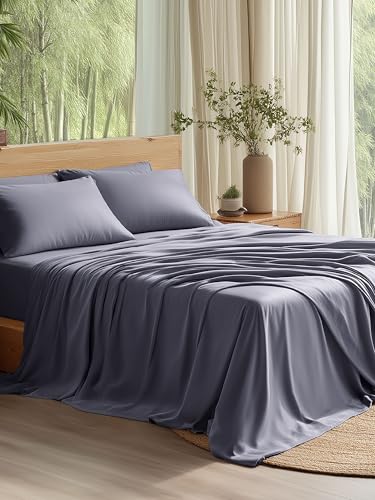
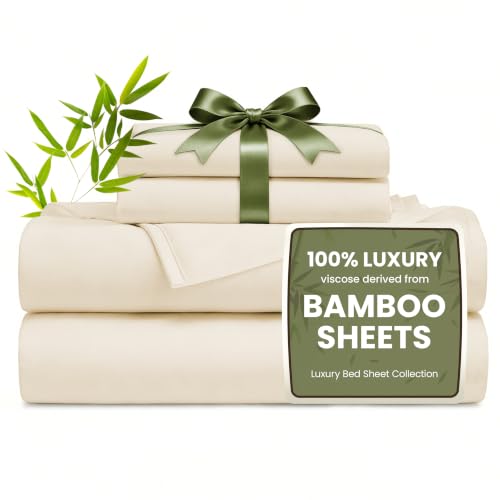


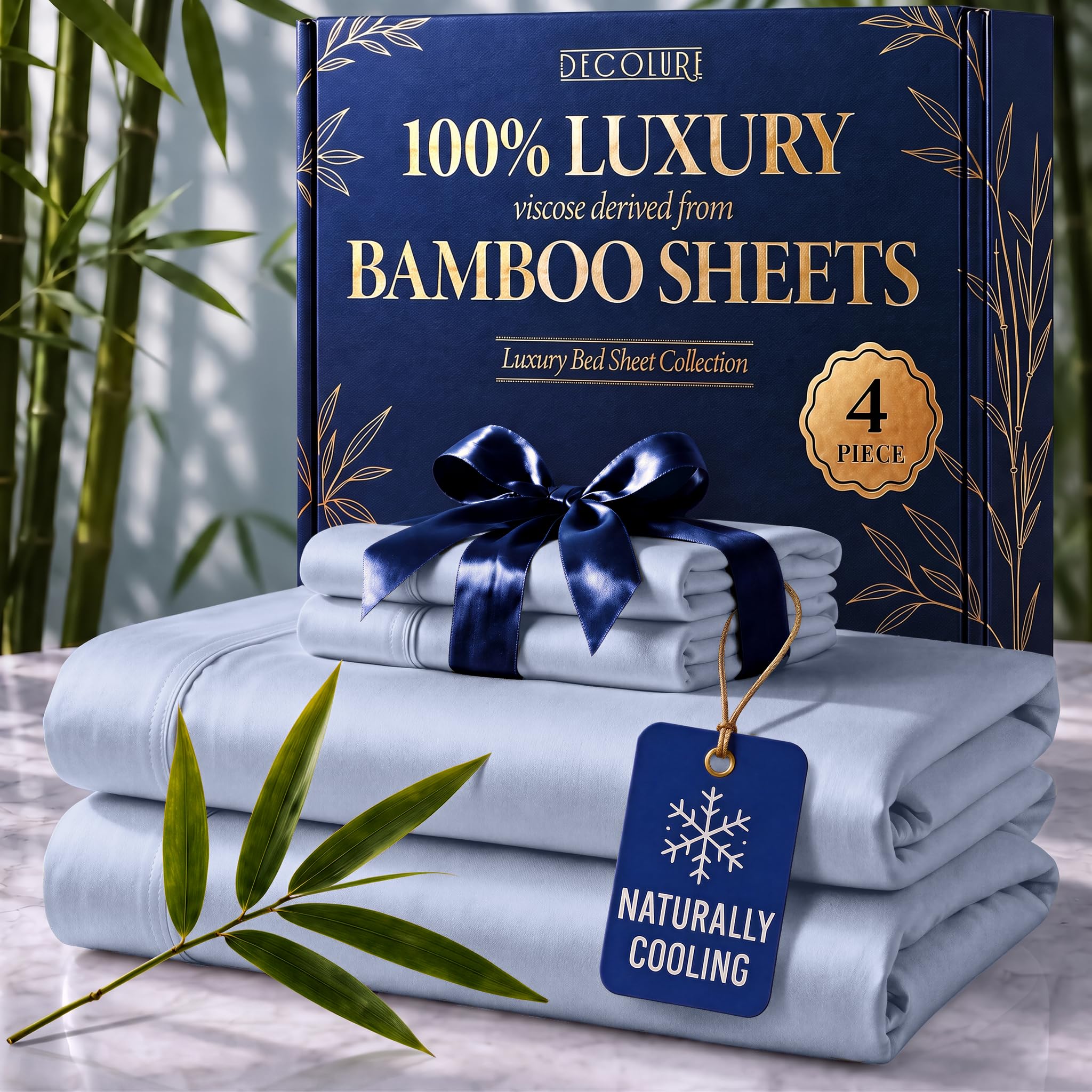
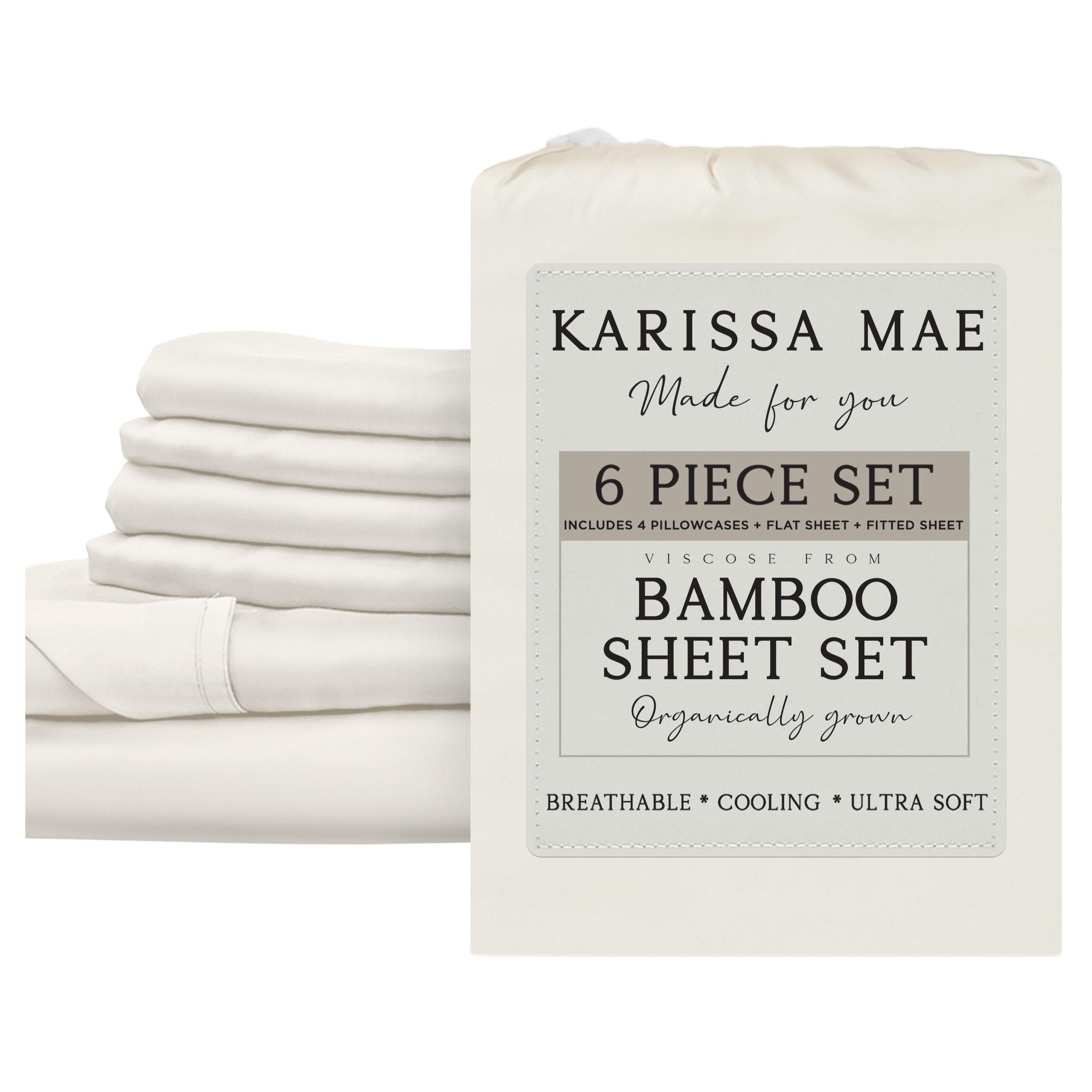
Three Buying Profiles and What to Prioritize
Hot Sleepers Who Need a Cool Touch Surface
Prioritize lyocell or viscose in a lighter weave, and skip heavy constructions that trap warm air against your skin. A smooth surface that moves moisture away from the body matters more than a high thread count number. If your partner runs warm too, see our guide to the best sheets for hot sleepers for layer tips that pair well with a breathable base set.
Sensitive Skin and a Smooth, Low Friction Feel
Your priority is a smooth yarn and a finish without harsh residues, because rough fabric drags on skin through the night. Look for clear fiber percentages, any blend partners, and certification details you can verify. Wash a new bamboo sheet set before first use, and choose fragrance free detergent if scents tend to bother you.
Shoppers Balancing Softness, Durability, and Budget
You want softness that survives weekly washing, so weigh fiber type and weave more than luxury claims. A midweight twill often outlasts a very light sateen in homes with frequent laundry cycles. Blends with cotton or microfiber can lower the price, but the drape and cool touch shift closer to that second fiber as its share rises.
What to Check Before You Buy
Judge every set on five points: comfort against your skin, exact materials and certifications, heat and moisture handling, how construction holds up to washing, and trial and warranty terms. A seller who lists fiber percentages, dimensions, and pocket depth in plain numbers is easier to trust than one who offers only softness claims.
Key Features to Compare
Fiber Type: Viscose, Lyocell, and Blends
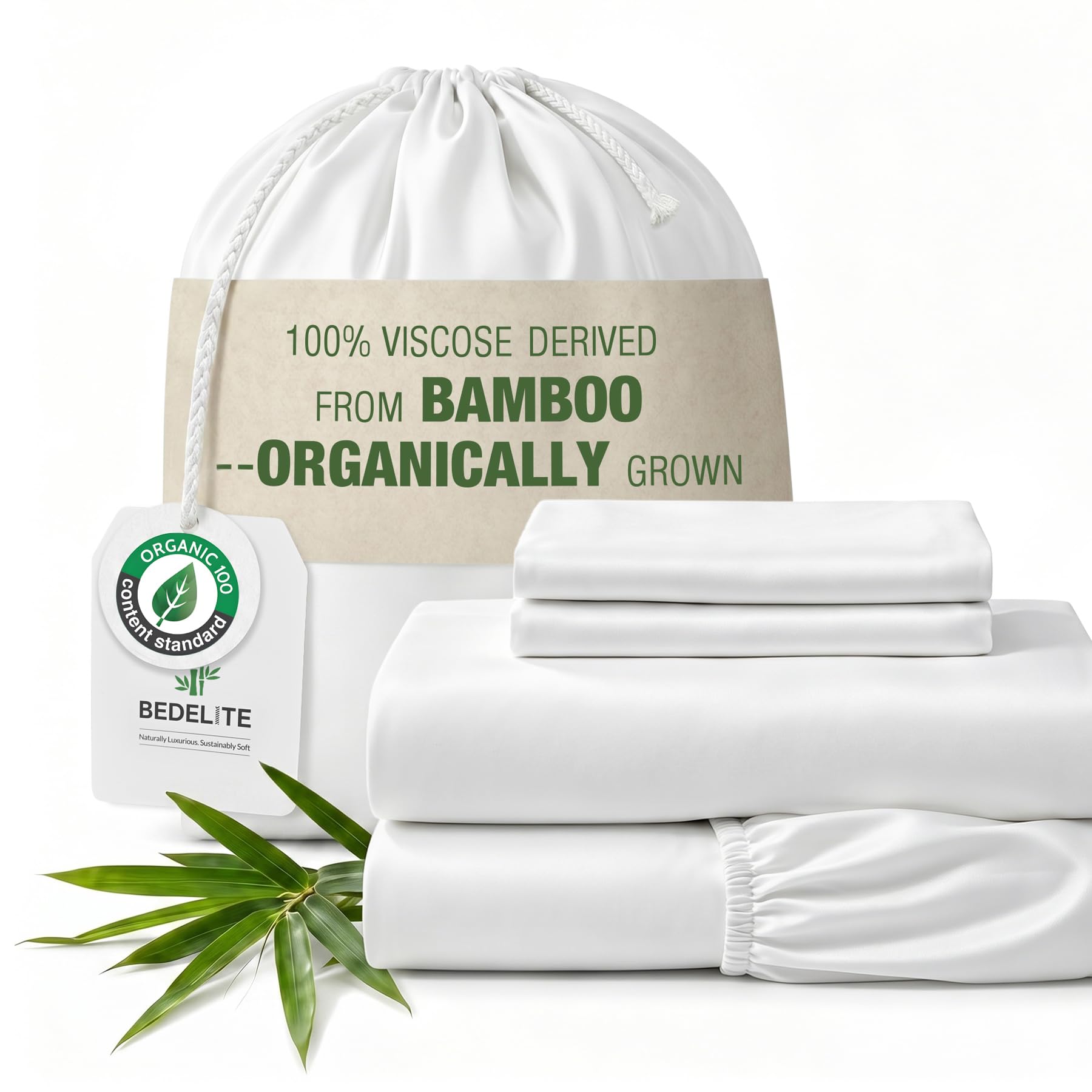
Most bamboo sheets are viscose, also called rayon, made by dissolving bamboo pulp and spinning it into smooth yarns. Lyocell uses a closed loop process that recovers most of the solvent, and it tends to manage moisture well with a slightly stronger fiber. Bamboo linen uses less chemical processing but feels coarser. Blends mix bamboo fiber with cotton or microfiber, so check the percentage split before assuming the classic cool and silky feel.
Weave and Surface Feel
Sateen weave places more yarn on the surface, giving a glossy look, a smooth glide, and a slightly warmer feel. Twill shows a subtle diagonal pattern, drapes well, and often hides wrinkles and pilling better in daily use. A plain weave feels lighter and more matte, though it is less common for bamboo bedding. Pick sateen for a silky finish, and twill for a balance of softness, strength, and easy upkeep.
Thread Count and Fabric Weight
For bamboo viscose and lyocell, about 250 to 400 is a sensible thread count range to start from. Numbers far above that often rely on multi ply yarns that add weight without comfort, and the sheet can feel dense and warm. A very low count can feel thin and wear out sooner at corners and hems. Treat thread count as one clue beside fiber type and weave, not a single quality score.
Cooling and Moisture Management
Bamboo fibers absorb moisture readily and release it as air moves through the weave, which is why these sheets feel cool on first contact. That benefit drops if the fabric is heavy, the fit is loose, or you layer a thick synthetic blanket on top. Shoppers comparing dedicated cooling bedding can also see our guide to the best cooling sheets to weigh bamboo against other cool touch fabrics.
Pocket Depth, Elastic, and Fit Details
A fitted sheet only feels smooth when it stays put, so match pocket depth to your mattress plus any topper before you order. Strong elastic around the full edge holds tension better than corner elastic alone, and corner straps help on adjustable bases. Check that the flat sheet is wide enough to tuck or drape, because a short drop leaves one sleeper uncovered when the other turns.
Certifications and Material Transparency
Look for OEKO TEX Standard 100 testing, which checks finished textiles for a range of harmful substances, and read which item it covers. Treat broad sustainability claims with care, since viscose production varies widely by maker and closed loop lyocell is a different process. A clear label states the fiber split, country of manufacture, and full care instructions. If those details are missing, move on.
How to Choose the Right Size and Fit
Mattress Size and Finished Dimensions
Match the set to the exact bed size first: twin is about 38 by 75 inches, twin extra long is about 38 by 80 inches, full is about 54 by 75 inches, queen is about 60 by 80 inches, king is about 76 by 80 inches, and California king is about 72 by 84 inches. Split king beds need two twin extra long fitted sheets. Compare listed dimensions with your mattress, since some sets run small after washing.
Deep Pockets and Topper Allowance
Measure from the bottom of the mattress to the top of any topper, then choose a pocket about 1 to 2 inches deeper than that total. Standard pockets suit slim mattresses, deep pockets suit most pillow top beds, and extra deep pockets suit thick toppers. A pocket that is far too deep is no bonus, because loose fabric pools under your body and makes the surface feel warmer.
Pillowcases and Set Contents
Count what is in the package, because some sets include two pillowcases while others include none, and twin sets often include only one. Check whether cases use an envelope closure or a zipper, and confirm the case size matches your pillows. If you use extra pillows, budget for a second pair in the same color, since dye lots can differ between orders.
Sleep Position and Body Type
Side sleepers press shoulders and hips into the surface, so a smooth sateen or twill that reduces drag on skin and hair suits them well. Back and stomach sleepers usually care more about a flat, stable fit that does not bunch under the torso. Heavier sleepers and couples put more stress on elastic and seams, so stronger stitching matters more than an ultra light fabric.
Bamboo Sheets vs Other Sheet Materials: Pros and Cons
Cotton brings a crisp or matte feel depending on weave, with a familiar care routine and wide price range. Our detailed look at bamboo vs cotton sheets explains how the two fibers differ in softness, moisture handling, and price. Linen feels textured and breathable but wrinkles heavily, while microfiber is cheap and smooth yet can trap heat. If you are weighing every fabric at once, start from our broader guide to the best sheets.
- Smooth surface with a cool first touch that many hot sleepers prefer over cotton percale.
- Good moisture absorption and a fluid drape that follows the body without feeling stiff.
- Naturally soft from the first night, with no long break in period like linen needs.
- Higher prices than basic cotton or microfiber sets of similar size.
- More careful washing than cotton, with cold water and low heat drying advised.
- Quality varies a lot by fiber split and weave, so the bamboo label alone guarantees nothing.
How Much Should You Spend?
- Under $50: Expect blends with a lower bamboo share, thinner fabric, and basic elastic. Fine for a guest bed or a first trial of the feel.
- About $50 to $100: This range usually buys a full bamboo viscose set with better stitching, deeper pockets, and two pillowcases included.
- About $100 to $200: Expect lyocell options, denser weaves, stronger elastic, and clearer certification and trial terms at this level.
- About $200 to $300: Premium pricing should bring top grade fiber, generous flat sheet dimensions, and longer trial periods. Pay it only when the published specs clearly improve.
Trial and warranty terms matter as much as the tier. Check how many nights you get, whether a used set can be returned, and whether the warranty covers pilling or only stitching defects. Keep the packaging until the first wash, since shrinkage or fit problems usually show up then.
Common Mistakes to Avoid
- Buying on thread count alone, which leads to a heavy set that sleeps warmer than you expected.
- Ignoring the fiber percentage, which means a mostly microfiber blend will not feel like bamboo at all.
- Guessing pocket depth, which leaves corners popping off a thick mattress or topper all night.
- Washing on hot settings, which weakens bamboo fibers and fades color faster than cold washing does.
- Using heavy fabric softener, which coats the fibers and reduces the moisture handling you paid for.
- Ordering the wrong size name, such as king for a California king bed, which leaves the fitted sheet short.
How to Make Your Bamboo Sheets Last Longer
Wash in cold water on a gentle cycle with mild detergent, alone or with other soft bedding so zippers and rough fabrics do not abrade it. Skip bleach and heavy softeners, shake the sheets out before drying, and dry on low heat or line dry. Smooth them by hand while slightly warm to cut wrinkles.
Rotate two sets if you can, because rest days between washes slow elastic and fiber wear. Our guide on how often to wash sheets covers wash timing for sweat, allergies, and pets. Store clean sets in a dry, ventilated place away from direct sun, and avoid sealed plastic bins that trap moisture and odors.
FAQ
What should you look for first in bamboo sheets?
Start with the fiber percentage printed on the label, because that single detail predicts feel better than any marketing term. A set that is mostly bamboo viscose or lyocell will drape and cool like bamboo, while a low bamboo share will behave like its main blend partner. Also confirm the seller lists a returns path for opened bedding, since some sellers only accept sealed sets.
Are bamboo sheets worth it?
Yes, bamboo sheets are worth it if you sleep warm or want a very smooth surface and you are willing to follow gentler wash rules. The value drops if you prefer a crisp feel, wash everything on hot, or expect cotton level toughness at a budget price. One extra tip helps: order the color you need least first if you are unsure, and judge the feel before buying a second set.
How often should you wash bamboo sheets?
Wash bamboo sheets about once a week in normal use, and sooner after heavy sweating, illness, or a spill. Twice weekly washing is reasonable during allergy season if pollen settles on bedding while windows stay open. Washing more often than needed shortens fiber life, so a washable pillowcase swap midweek can refresh the bed without a full set wash every time.
What thread count is best for bamboo sheets?
A count near the middle of the sensible range suits most sleepers, since it balances softness, airflow, and wear. If two sets sit in the same range, choose by yarn quality instead: long, even yarns pill less than short, fuzzy yarns at the same count. Ask the seller whether the count uses single ply yarns, because that answer reveals whether a high number is real density or added weight.
How do you fold a fitted sheet from a bamboo set?
Tuck one corner into the corner next to it on both short ends, fold the sheet in half so the elastic edges meet, then fold again into a neat rectangle. Smooth each layer as you go, because bamboo fabric is slippery and slides out of alignment faster than cotton. Folding right off the bed or dryer also prevents the deep crease lines that set in when a fitted sheet sits in a laundry basket overnight.
How long do bamboo sheets last?
With gentle care, a good bamboo set usually serves well for about 2 to 3 years of regular use before thinning or pilling shows. Replace a set sooner if the elastic no longer grips, the fabric feels rough after washing, or thinning patches appear at hip and shoulder zones. Keeping nails and rough foot skin from dragging on the surface sounds minor, yet that friction is a common cause of early wear at the foot of the bed.
Final Thoughts
Match fiber type to your skin and temperature needs, match pocket depth to your mattress, and let price follow those facts rather than lead them. Use the product table to compare your finalists on fiber split, weave, and dimensions at a glance. When you choose the best bamboo sheets by those checks instead of by thread count claims alone, you get the cool, smooth sleep that made bamboo bedding popular in the first place.


