
Autonomous SmartDesk Core Review: Honest Pros, Cons & Who It's For (2026)
Disclosure: We may earn a commission when you buy through links on this page, at no extra cost to you. As an Amazon Associate I earn from qualifying purchases. Learn more

Thinking about the Autonomous SmartDesk Core? Our honest Autonomous SmartDesk Core review covers everyday pros and cons, who it suits.
A desk that moves between sitting and standing sounds simple, but living with one in a spare bedroom, a living room corner, or a shared home office raises practical questions. This autonomous smartdesk core review looks at the Core the way a household actually uses it, focusing on fit, comfort, upkeep, and total cost rather than headline claims.
You will find the checks that matter before you order, the strengths and limits of this style of desk, and the readers it suits best. If you are still comparing desk types in general, start with our guide to the best standing desk options, then use the comparison table below to line up the details side by side.
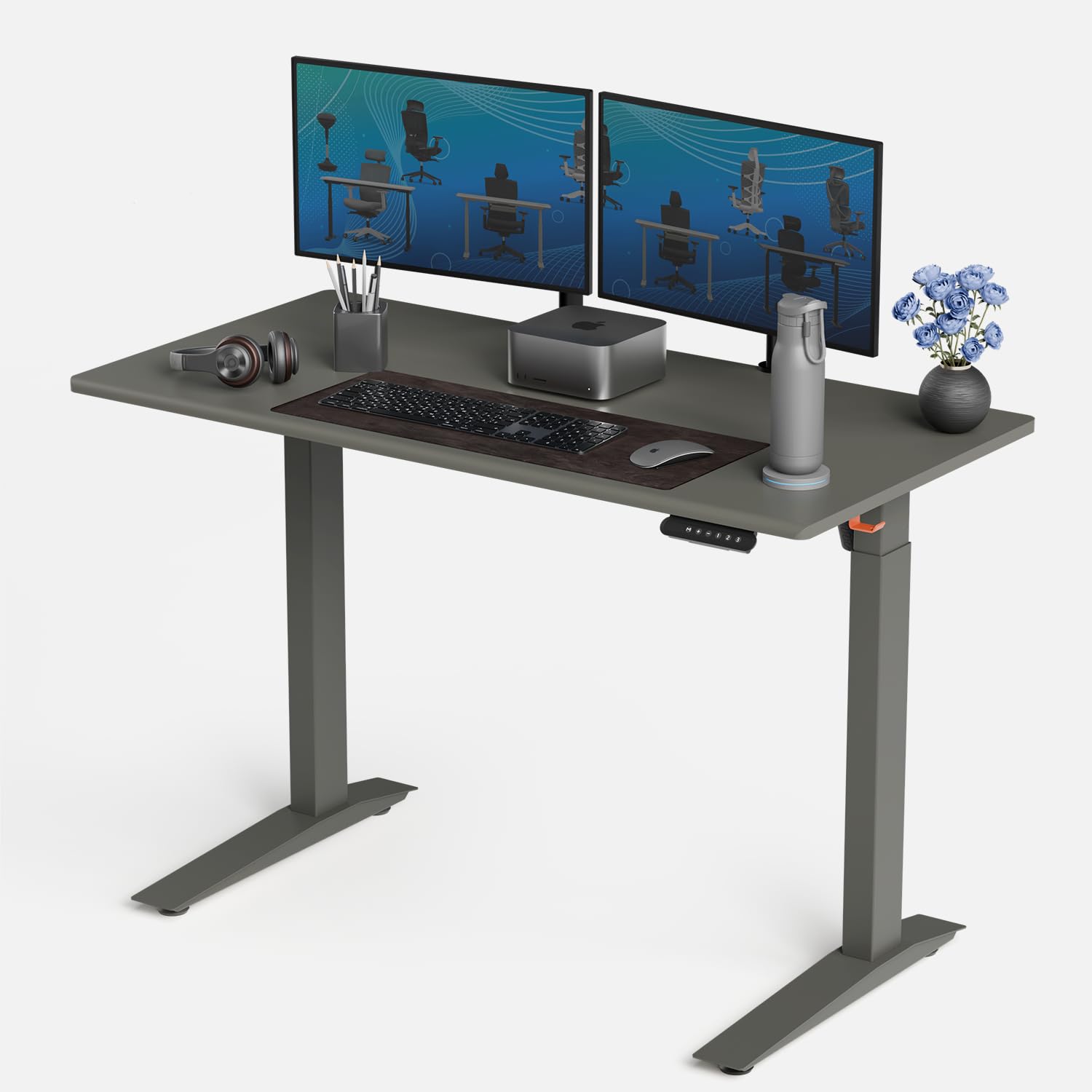

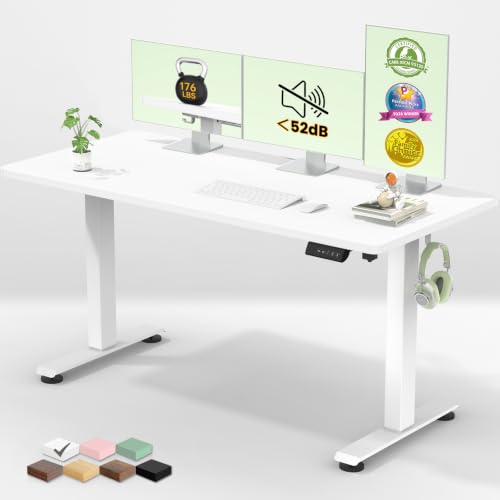
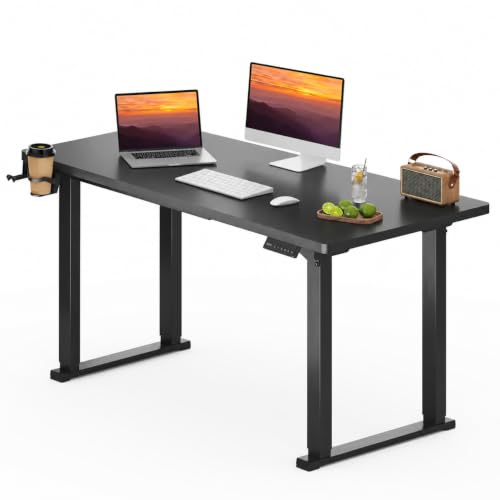

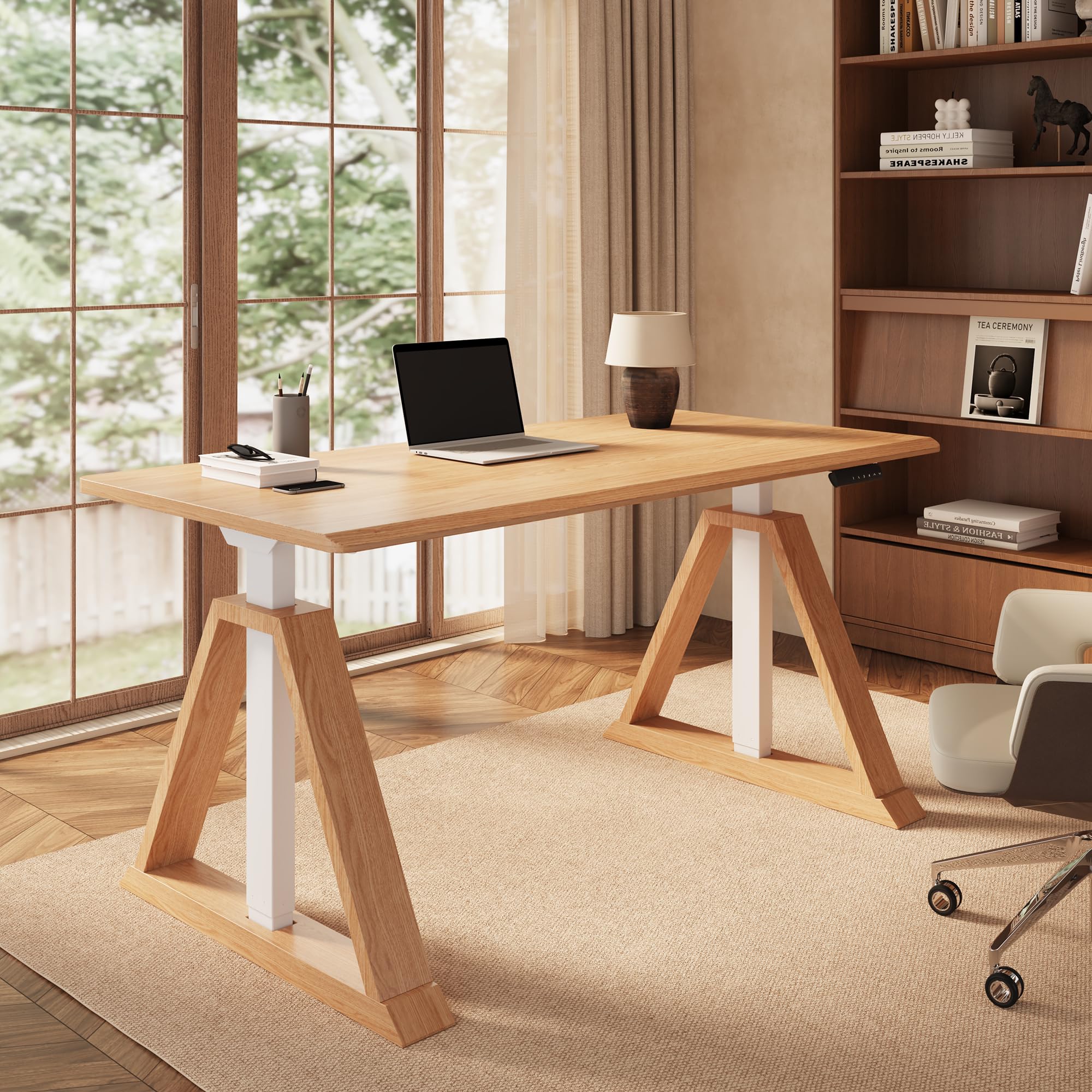
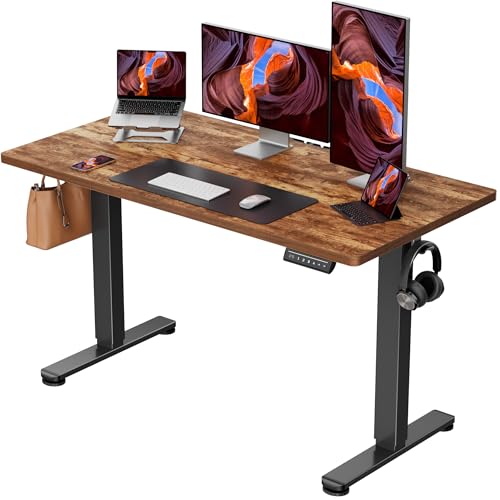


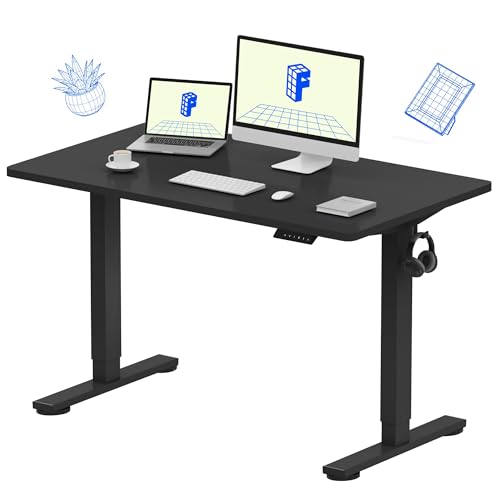
Quick Verdict
The Core appeals to readers who want electric height adjustment, a clean look that blends with home furniture, and a desk the whole household can share at different heights. It is a weaker fit if your room is tight, if several heavy monitors and towers must ride on one surface, or if you expect a desk to solve posture problems on its own. Value depends less on the sticker price and more on sizing it right the first time.
- Best for: home workers and families who split desk time between sitting and standing.
- Skip if: you cannot confirm the fit in your room, or you need storage built into the desk itself.
Autonomous SmartDesk Core: Key Specs to Check
Before you order, confirm the figures on the current listing rather than relying on an old screenshot. Check desktop width and depth, the lowest and highest frame positions, the rated load, the motor count, materials, and the warranty length for frame, motor, and desktop. Note the shipping weight too, since a heavy delivery shapes your assembly plan.
First Impressions and Build
Desks in this class arrive as a frame kit plus a separate desktop. Legs, feet, and cross supports should show even paint, clean welds, and hardware sorted clearly enough that you can spot a missing bolt before you start. The desktop finish matters at home more than in an office, since it sits beside sofas, beds, and dining furniture. A surface that wipes clean and resists rings from mugs earns its place in a family room.
Once assembled, push gently on each corner and raise the desk to standing height. A sound frame moves with little sway at sitting height and only modest movement up high. Some motion at full extension is normal for a two leg design, but sharp shaking while you type points to uneven feet or loose fasteners.
How It Performs in Everyday Home Use
Ergonomics and Adjustability
Good adjustment means the desk reaches a position where your elbows rest near a right angle, your screen sits at eye level with a separate riser or arm if needed, and your feet stay flat. Check that the lowest setting suits the shortest person in the house while seated, and that the highest setting lets the tallest person stand without hunching. Memory positions help when two or three people share the desk across a day. Remember that the desk only sets the surface height. Your chair, monitor position, and keyboard placement still decide whether the setup feels kind to your neck and shoulders.
Build Quality and Materials
Steel frames carry the load and set the lifespan, so look for thick legs, firm feet, and a frame design that limits flex when the desk is loaded. The desktop core and finish decide how the surface handles daily wear, from laptop heat to spilled coffee to children doing homework at the same end every afternoon. Edges should feel smooth and sealed, since a lifting edge band is often the first visible wear. Motors should sound even under a normal load, without grinding or one side rising faster than the other.
Size and Weight Capacity
Measure your room before you fall for a wide desktop. Leave room to walk behind the chair, open nearby doors, and reach outlets without pinning cords against the wall. Then add up what will actually sit on the desk: monitors, arms, a laptop or tower, speakers, a lamp, and books. Keep the total with a margin below the rated load, since a desk run near its limit moves more slowly and wobbles more. Depth counts as much as width at home, because a deep top in a narrow bedroom can crowd the bed or block a closet door.
Assembly
Assembly is mostly patient bolt work with an Allen key, plus care when you flip the finished desk upright. Build it in the room where it will live, and get a second person for lifting and turning. Lay the desktop face down on a blanket, fit the frame loosely first, then tighten fasteners in stages so the legs sit square. Route the cables before the desk goes against the wall, leaving slack for the full rise.
Features You Will Actually Use
The features that matter daily are modest ones. Smooth and quiet travel encourages you to change position often, which is the whole point of owning a desk that moves. Memory positions save rechecking your ideal height each morning. A collision sensor that stops the desk when it meets a stool or a storage box protects both the desk and your room. Cable trays keep chargers off the floor, and a controller lock, where fitted, stops small children treating the buttons as a toy. Skip paying extra for app extras you will open once and forget.
Living With It: Setup, Cleaning and Upkeep
Place the desk on the most level patch of floor you have, and adjust the feet until all contact points feel planted. Keep the area under the desk clear through its full travel, since bins and backpacks become obstacles when the surface lowers. Wipe the desktop with a soft damp cloth and mild soap, dry it after, and use coasters under hot mugs. Check cable slack monthly so cords stay clear of the moving frame, and confirm every few months that visible fasteners still feel snug.
What We Like and What We Don't About the Autonomous SmartDesk Core
The appeal of this desk style is flexibility without visual bulk. One surface serves a seated parent in the morning, a standing call at midday, and a taller teenager doing homework in the evening, and the plain design sits comfortably beside home furniture rather than shouting office equipment. The limits are just as clear. Storage is not part of the deal, so drawers and shelves must come from elsewhere in the room. A wide top tempts clutter, delivery boxes are heavy, and returns are awkward if you skip measuring. Standing more also takes habit; the first week often feels tiring on the feet until you mix positions and wear supportive footwear or use a mat.
Is the Autonomous SmartDesk Core Right for Your Household?
It suits you if desk time is long, shared, or split between work and family use, and if back comfort improves when you can change position through the day. It suits small homes only when the footprint is planned, since a moving desk needs clear space around and beneath it. Renters should weigh the assembly effort and the weight against how soon they may move. If you work from a laptop at a dining table for an hour a day, a simpler fixed desk and a better chair will likely serve you just as well for less money.
How the Autonomous SmartDesk Core Compares
Readers weighing premium alternatives often read a secretlab magnus pro review for a desk built around gaming setups and cable control, which is a different priority from a plain family work surface. Others check a flexispot e7 review when comparing frame strength and warranty terms in a similar class. Use those comparisons to decide which trade off you care about most, appearance, load rating, or accessories, rather than chasing the longest feature list.
Price, Deals and Warranty
Expect pricing in this class to shift with desktop size, finish, and seasonal sales, so think in terms of about $300 to $700 rather than a fixed figure. Sale days can bring the price down, but a deal never fixes the wrong size, so settle dimensions first. Read the warranty in parts, since frames, motors, and desktops often carry different terms, and keep your order details to make any claim simpler.
Common Buying Mistakes to Avoid
- Measuring only the wall: forgetting chair space and door swing leaves a desk that fits on paper and crowds the room in practice.
- Ignoring total load: counting the desktop items but not monitor arms and a tower leads to slow, strained movement.
- Skipping outlet planning: a desk far from power ends up with cords stretched across a walkway.
- Buying for standing only: choosing a frame whose lowest setting is too high for seated work hurts daily comfort.
- Overlooking floor type: thick carpet can rock the feet and dull stability, so plan for placement on a firm surface.
Cost of Ownership and Care
Running costs are small, since the motor draws power mainly while moving, but the extras add up. Budget for a monitor arm or riser if your screen sits low, a cable tray, a standing mat, and possibly a drawer unit beside the desk. Replacement parts such as a controller matter years later, so favour a seller with a clear parts process. Lift items instead of dragging them, and the surface should stay presentable through years of family use.
Your Questions, Answered
How do you clean the Autonomous SmartDesk Core?
Wipe the desktop weekly with a soft cloth dampened with water and a drop of mild soap, then dry it so moisture does not sit on the finish. For sticky marks from children or craft projects, use a cloth with a little diluted vinegar, test it under the back edge first, and avoid abrasive pads. Clean the controller buttons with a dry cloth only, since liquid near the electrics can cause faults.
What is a cheaper alternative to the Autonomous SmartDesk Core?
A fixed height desk paired with a separate laptop stand costs far less and suits short seated sessions. If you want occasional standing on a tight budget, a smaller single motor desk or a platform that sits on an existing table gives you the posture change without replacing furniture. The trade off is less stability and less room, so match the saving to how many hours a day you truly work at home.
How long does the Autonomous SmartDesk Core last?
A steel frame desk used within its load rating and kept dry should serve for many years, with the motor and controller the most likely parts to need attention first. Lifespan shortens when the desk is overloaded, moved often while loaded, or used by children as a climbing aid. Keeping the receipt and registering the warranty where offered protects you if a lifting column fails early.
What are common Autonomous SmartDesk Core problems?
Owners of desks in this class most often report wobble at full height, a desk that stops level or needs a reset after a power cut, and cables snagging during travel. Most cases trace back to uneven feet, loose fasteners, or cords cut too short, all fixable at home with the manual reset steps. Persistent grinding, one leg refusing to move, or a dead controller after basic checks means contacting support rather than forcing the frame.
Is the Autonomous SmartDesk Core worth it?
It is worth it when you will genuinely alternate positions daily and the size fits your room, since a desk you adjust without thinking quickly becomes part of the routine. It is poor value as a status purchase that stays at one height for months. A practical test: if your current setup leaves you stiff by midafternoon and you have measured the space honestly, the upgrade earns its cost over years of use.
Final Thoughts
Judge this desk on fit, stability, and the habits it supports, not on feature lists. Measure your room, count your load, plan your cables, and confirm the warranty terms before you order. For households that share a work surface and want to sit and stand through the day, the autonomous smartdesk core review above shows a sensible, good looking option worth serious thought. Compare your shortlist against the product table above, and pick the size you will still be happy to live around every single day.


