Aquasana vs Waterdrop: Which One Fits Your Home Better? (2026)
Disclosure: We may earn a commission when you buy through links on this page, at no extra cost to you. As an Amazon Associate I earn from qualifying purchases. Learn more

Aquasana vs Waterdrop: see how they differ in everyday use, features and value, and which one makes more sense for your home and budget.
Your kitchen tap runs all day for drinking glasses, coffee, cooking water, and filling bottles before school or work. If that water tastes strongly of chlorine or leaves you unsure what is in it, an under sink system starts to look appealing. The hard part is choosing between aquasana vs waterdrop when both promise cleaner water but take very different paths to get there.
This guide compares the two brands around your home rather than around a spec sheet. We look at cabinet space, household size, daily habits, upkeep, and total cost, and we point you to our guide to the best under sink water filter if you want the wider category view. Start with the comparison table below, then use the sections that follow to match a system to your kitchen.
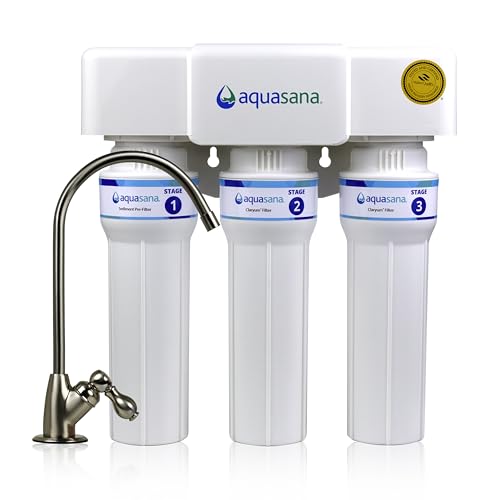
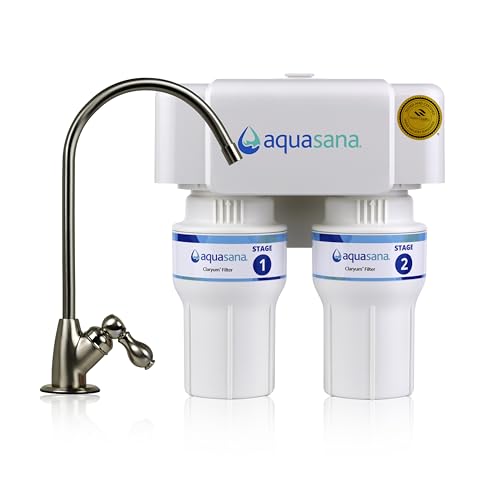


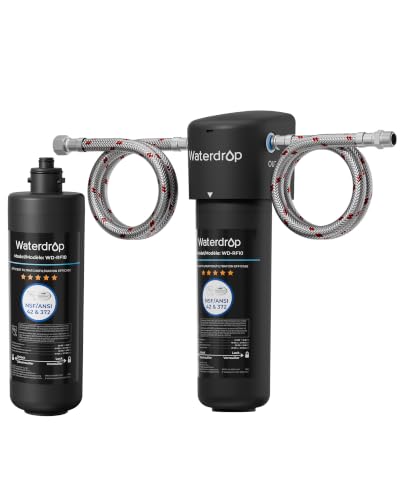


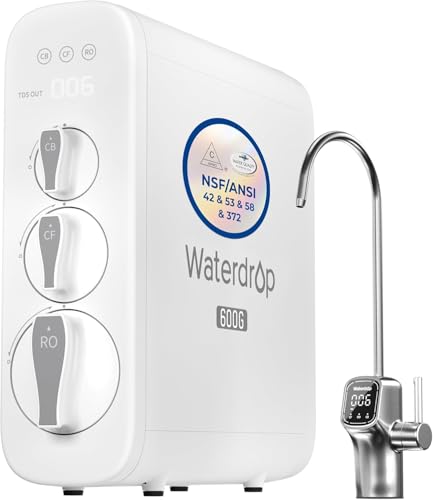

Aquasana vs Waterdrop at a Glance
The short version is simple. Aquasana built its name on carbon filtration that targets taste, odor, and a broad list of contaminants while leaving dissolved minerals in the water. Waterdrop built its name on compact reverse osmosis systems that push water through a fine membrane and strip out far more dissolved material. Neither approach is right for every home, and the table sums up where each one tends to suit people better.
| Criterion | Aquasana | Waterdrop | Better Fit |
|---|---|---|---|
| Main approach | Carbon filtration under the sink | Tankless reverse osmosis in many systems | Depends on your water goal |
| Waste water | None from filtration itself | Some drain water from the membrane | Aquasana |
| Minerals in water | Mostly retained | Mostly removed, unless a later stage adds them back | Depends on taste preference |
| Power needed | Usually no outlet required | Often needs an outlet for a pump | Aquasana for simple cabinets |
| Upkeep focus | Timed cartridge swaps | Multiple cartridges on staggered schedules | Depends on your routine |
Meet the Contenders: Aquasana and Waterdrop
Aquasana Overview
Aquasana is an American brand that sells filtration for a single tap, for under sink use, and for the whole house. Its under sink systems center on carbon based media, often paired with other media that address specific contaminants. The appeal for many homes is restraint. Water passes through the filters and on to a dedicated faucet, with no storage tank, no drain connection, and no pump. That simplicity shapes everything else in this comparison, from install time to what ends up in your glass and what stays out of the buying decision.
Waterdrop Overview
Waterdrop focuses heavily on reverse osmosis, including compact tankless designs that sit under the sink and feed a dedicated faucet. Instead of relying on carbon alone, its core systems add a membrane that separates water from a long list of dissolved substances. Many models fold several filter stages into a small number of cartridges, and some add touches such as a display that tracks filter life or water quality. The result is a more technical appliance under your sink, one that asks a bit more of your cabinet but aims for a deeper level of purification.
Head to Head: Where They Really Differ
Installation and Compatibility
Installation is where the gap shows first. An Aquasana under sink system usually connects to the cold water line, mounts inside the cabinet, and feeds a separate faucet that may need a spare hole in the sink or counter. Most handy homeowners can finish with basic tools and no power outlet. A tankless Waterdrop reverse osmosis unit also needs a drain connection for the water the membrane rejects, and many models need an outlet to run a pump. If that layout interests you, our waterdrop g3p600 review shows the format in detail before you measure your cabinet.
Build Quality and Finish
Both brands build mainly from molded plastic housings, with metal faucets and standard fittings doing the visible work in your kitchen. Aquasana units feel like plumbing parts, plain and sturdy, designed to hide in a cabinet and be forgotten between filter changes. Waterdrop tankless units feel more like appliances, with a finished front panel, indicator lights, and controls you are meant to glance at. Neither style is automatically better made. What matters more is solid fittings, hoses that seat fully, and a cabinet layout that lets you reach every connection later without pulling the whole unit out.
Features
Feature lists diverge because the filtration methods diverge. Aquasana leans on filter media blends, rated capacities in gallons, and straightforward flow from a dedicated faucet. Waterdrop leans on membrane performance, faster dispense rates on larger systems, filter life indicators, and in some cases a reading of dissolved solids in the output water. Shoppers comparing higher output options can see that direction in our waterdrop g3p800 review, which covers a larger capacity version of the same tankless idea. Ask yourself which features you will actually check weekly, because a display you never look at adds cost without adding value.
Certifications
Certifications need care, because a brand level claim tells you less than a listing for the exact system you plan to buy. Independent standards for drinking water units cover specific contaminants, and a system is only tested for the ones named in its listing. Check the certifier database or the product data sheet for the contaminants that matter in your home, such as lead in older plumbing. If you use a private well, or if anyone at home has a weakened immune system, get your water tested and talk with your local health department or a qualified water professional before relying on any filter alone.
Warranty
Warranty terms vary by system rather than by brand slogan, so read the coverage for the exact model on your short list. Look at how long the housing and any electronic parts are covered, what counts as a defect, and whether using non brand cartridges affects a claim. Waterdrop systems with pumps and displays simply have more parts that could need support, while a plain Aquasana filter has fewer things to fail. Keep your purchase record and register the product if the brand asks, since a smooth claim years later often depends on that early paperwork.
Price and Value
Upfront prices overlap less than you might expect. Simple carbon systems for one tap often land around $100 to $250, while tankless reverse osmosis systems often run about $300 to $600, with installation parts and a new faucet hole adding to the bill in some kitchens. Value, though, is decided over years of cartridge costs, not on day one. Add up replacement filters over three years, any plumber visit, and the water and power a reverse osmosis unit uses. The cheaper purchase can become the pricier habit, and the reverse is also true.
Our Recommendation for Your Home
There is no single winner for every address, because your water, cabinet, and patience for upkeep point in different directions. Use the two short profiles below as a final check against what you learned above.
Pick Aquasana If
Choose Aquasana if your main complaints are chlorine taste and odor, if your city water report looks sound overall, and if you want filtration with no drain line, no outlet, and no waste water. It suits renters who have landlord permission for a small install, smaller households that draw moderate amounts of drinking water, and anyone who prefers to keep the natural mineral content and familiar taste of their tap water while improving what bothers them most about it.
Pick Waterdrop If
Choose Waterdrop if lowering dissolved solids is the goal, perhaps for a home with concerns that carbon alone does not fully address, or for people who simply prefer the flat, neutral taste of reverse osmosis water. It suits owners who have cabinet room and a spare outlet, families that fill pots and bottles all day and want a strong flow, and buyers who like clear signals for filter changes. Accept the trade offs that come with it, namely drain water, more parts, and a higher starting price.
Not Sold on Either? One More Option
A third route is a traditional reverse osmosis system with a separate storage tank, a format that has served homes for years and can cost less upfront than a tankless design. It takes more cabinet room and delivers water at a gentler pace once the tank runs low, but parts are widely available and the layout is familiar to most plumbers. If that older style appeals to you, our ispring rcc7ak review covers a well known example of the tank based approach. Compare its footprint and filter schedule against the two brands above before you decide.
Your Questions, Answered
Which lasts longer, Aquasana or Waterdrop?
The housings on both sides should serve for years if connections stay dry and parts are handled gently. What differs is the rhythm of consumables. A Waterdrop reverse osmosis setup runs several cartridges on staggered timelines, and the membrane itself is usually the longest lasting piece. One practical point the body sections did not stress is storage: keep spare cartridges in their sealed packaging in a cool, dry cabinet, because damp storage can shorten the useful life of filter media before it ever reaches your sink.
Which is easier to clean, Aquasana or Waterdrop?
Neither system asks for scrubbing, since the filter media does the work inside sealed cartridges. Daily care is mostly about the outside. Wipe the dedicated faucet and handles often, because they collect splashes and cooking residue just like the main tap. A tankless Waterdrop front panel also gathers fingerprints and dust, so a soft damp cloth keeps it presentable. Once or twice a year, slide a tray or towel under the cabinet connections while you check for slow drips, and clean up any standing water promptly to protect the cabinet floor.
What is the main difference between Aquasana and Waterdrop?
The main difference is the core method and everything that flows from it. Aquasana filters water through carbon based media, which changes taste and targets named contaminants while water keeps its minerals and produces no drain stream. Waterdrop pushes water through a reverse osmosis membrane, which removes a far broader share of dissolved material but needs pressure, power on many models, and a drain path. Think of it as improving your tap water versus rebuilding it. Your water test results and taste preference, more than brand loyalty, should decide which philosophy fits.
Is Aquasana better than Waterdrop?
Only for certain goals, and the same holds in reverse, which is why searches for aquasana vs waterdrop which is better rarely end with a universal answer. Aquasana is the stronger match when simplicity, no waste water, and mineral retention lead your list. Waterdrop is the stronger match when deep reduction of dissolved solids leads yours. Forum threads, including the aquasana vs waterdrop reddit discussions many shoppers read, tend to split along exactly that line. Decide your goal first, then let the brand follow, and you will likely be happy with either.
The Bottom Line
Both brands can give your kitchen better tasting, more reassuring water, but they serve different households. Aquasana keeps things simple, quiet, and free of waste water, while Waterdrop offers deeper purification in a compact appliance style package with more to install and maintain. Revisit the product table above, weigh your cabinet space, household size, and three year filter costs, and the choice between aquasana vs waterdrop should feel clear. Pick the system whose daily habits you will actually keep up, because a filter only helps when its cartridges stay fresh.