Ankarsrum Assistent Original Review: Honest Pros, Cons & Who It's For (2026)
Disclosure: We may earn a commission when you buy through links on this page, at no extra cost to you. As an Amazon Associate I earn from qualifying purchases. Learn more

Thinking about the Ankarsrum Assistent Original? Our honest Ankarsrum Assistent Original review covers everyday pros and cons, who it suits.
If you bake bread often and your current mixer struggles with stiff dough, this ankarsrum assistent original review is written for your kitchen, not a showroom. This Swedish machine works in an unusual way. The bowl turns while a roller and scraper work the dough, so it mixes more like hands kneading than a hook pulling from above. That design shapes everything about owning it, from counter space to cleaning.
Below, we focus on fit for your home, household size, and daily routine, covering capacity, learning curve, upkeep, and total cost, so you can judge the machine against the comparison table below before you spend premium money.



Ankarsrum Assistent Original: Key Specs
The headline facts explain most of the ownership experience.
- The main bowl is stainless steel and holds about 7 liters, suiting large batches of dough and batter.
- A smaller bowl with beaters and whisks handles whipped cream, egg whites, and cake batter.
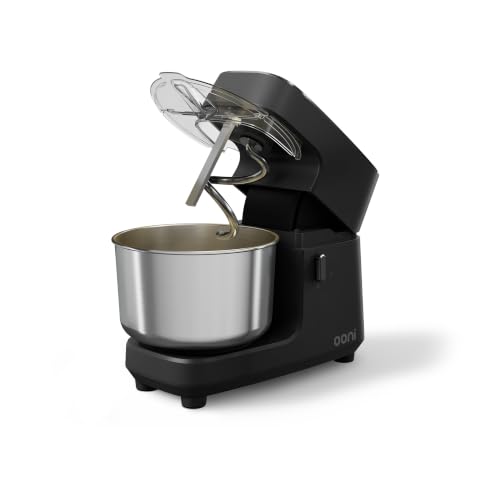
- The motor sits in the base and turns the bowl, while a dough roller and a scraper do the mixing work.
- Controls are simple, mainly a speed dial and a timer that can stop the machine for you.
- Optional attachments expand the base machine into blending, grinding grain, and rolling pasta.
First Impressions and Build
The first thing most owners notice is the shape. The body is low and wide rather than tall, so it can slide under many upper cabinets. The trade off is width. You need clear counter space on both sides so the bowl can turn and so you can add ingredients without reaching over the machine.
The build feels plain and sturdy rather than decorative. The metal bowl has a smooth interior with no central post, and the roller and scraper feel like tools, not ornaments. There are few buttons to learn, which suits daily use. Plan a permanent home for it instead of lifting it in and out of a cabinet, because it is heavy enough that daily moving gets old fast.
How It Performs in Everyday Home Use
The questions an ankarsrum assistent original review should answer are practical ones. Can it knead Saturday bread dough without straining, and mix a weeknight cake batter without fuss? The sections below break performance down by the jobs a home baker actually repeats.
Capacity
The large bowl is the main reason families choose this design. It can hold dough for several loaves at once, which suits households that bake once and freeze portions for the week. Small households should think honestly here. If you mostly bake one small loaf or a single batch of cookies, you will rarely use the full capacity, and a smaller machine may fit your routine better.
Mixing and Kneading Performance
Instead of a hook dragging dough around, the roller presses dough against the side of the turning bowl while the scraper keeps the mixture moving toward the center. For firm bread, pizza, and bagel dough, this action develops structure without the machine walking across the counter, a problem that frustrates owners of lighter mixers. Soft doughs and batters need the roller adjusted closer or swapped for the smaller bowl tools. Expect your first few batches to be a learning process as you find the right roller position and speed.
Ease of Use
Daily ease depends on how you feel about a short learning curve. There is no screen and no program list. You set the speed, position the roller, and use the timer when a recipe calls for a long knead. The trade off is attention at the start of each batch. New owners who expect to press one button and walk away on day one often feel unsure. After several bakes, the routine becomes predictable.
Cleaning
The smooth bowl is the easy part of cleanup. With no post in the middle and no hook coated in dough, most residue rinses away, and sticky dough releases well after a short soak in warm water. The roller and scraper are small and rinse clean at the sink. The base itself never goes in water, so a damp cloth handles flour dust and splashes.
Features You Will Actually Use
Three features earn their keep in a normal week. The timer matters more than it sounds, because bread dough often needs long, steady kneading, and the machine can stop itself while you handle other tasks. The speed dial gives you gentle starts that keep flour in the bowl instead of on the counter. The open bowl is the third, since you can check dough texture, add seeds or dried fruit at the right moment, and scrape the sides without stopping the motor.
The attachment system only pays off if you truly plan to mill grain, roll pasta, or blend with the same base unit. For everyone else, those extras are cost without benefit, so judge the base machine on mixing alone.
Living With It: Setup, Storage, and Upkeep
Setup is mostly about placement. Put the machine where it will live, leave room for the bowl to turn freely, and keep it near an outlet so the cord is not stretched across a work area. Read the roller positioning guidance before your first dough, since correct placement does more for results than any speed setting.
For upkeep, keep the bowl contact points clean and dry, check the roller and scraper for wear, and store the smaller bowl tools together so parts do not scatter across drawers. Wipe the base after flour heavy sessions so dust does not build up around the controls.
What We Like and What We Do Not Like About the Ankarsrum Assistent Original
What works well:
- Large open bowl suits big bread batches and lets you add ingredients while mixing.
- The roller and scraper action handles firm dough calmly, without the machine rocking.
- The low body fits under many cabinets, and the timer supports long kneads.
- The smooth bowl cleans fast, with no central post to scrape around.
What gives buyers pause:
- The wide body claims real counter space in a small kitchen.
- There is a genuine learning curve before dough results feel consistent.
- The price sits above many common home mixers, before any attachments.
- Light tasks need the second bowl setup, which adds a step to small jobs.
Is the Ankarsrum Assistent Original Right for Your Household?
This machine suits a bread first household. If two or more people eat homemade bread, pizza, or rolls each week, the capacity and calm dough handling get used constantly, and the cost spreads across hundreds of bakes. It also suits a confident baker who enjoys learning how dough should look and feel at each stage.
It is a weaker fit for a small household that bakes a few times a year, or for a cook who wants one touch operation with no adjustment. It is also a poor fit for a galley kitchen where every inch of counter already holds daily essentials. In those homes, it becomes an expensive obstacle rather than a tool.
How the Ankarsrum Assistent Original Compares
Most rivals use one of two familiar layouts. A tilt head design lifts the motor up for bowl access, while a bowl lift design raises the bowl toward a fixed head. The Ankarsrum approach turns the bowl instead, which is why its dough handling and wide, low shape feel so different. If you are still weighing layouts, start with our guide to the best stand mixer to see how the main types divide by batch size and budget.
For a direct contrast, our kitchenaid pro 600 review covers a bowl lift model built for heavy home use, with a narrower footprint and a more familiar hook based workflow. Our kitchenaid professional 5 plus review looks at a related bowl lift option at a lower step in that line. Both feel more familiar on day one, and both take a different approach to large or stiff dough batches.
Price, Deals, and Warranty
Prices vary a lot by seller and by what is in the box, so compare the full package. This is a premium class home mixer. Seasonal sales can soften that figure, but deep discounts are uncommon, so a modest saving is a realistic hope rather than a reason to wait months. Judge any deal against the full package in the box, since included bowls and tools change the real value.
The warranty is part of the value story, with long coverage on the motor by home appliance standards. Read the current terms before ordering, and keep your receipt.
Common Buying Mistakes to Avoid
- Measuring only cabinet height and forgetting width, so the bowl has no room to turn.
- Buying for the attachment list instead of weekly baking habits, then never using the extras.
- Judging the machine on the first batch, before learning roller placement.
- Ignoring household size, and paying for capacity a small home will rarely fill.
Cost of Ownership and Care
Running costs are modest. The motor draws power mainly during long kneads, and electricity for home baking volumes adds little to a monthly bill. Optional attachments can run about $100 to $300 for the larger pieces, and replacement parts add up if pieces are lost or damaged. Buying only what your household will use monthly keeps ownership costs sane.
Care habits protect that investment. Dry the bowl and tools fully before storage, keep the scraper edge in good shape so dough keeps moving toward the roller, and never force the roller against a dry, empty bowl. Store the machine assembled in its working spot if you can, because frequent use is what justifies the price.
Your Questions, Answered
How do you clean the Ankarsrum Assistent Original after sticky dough?
Start within a few minutes of finishing, before dough dries and hardens. Fill the bowl with warm water and let it sit while you tidy, then lift residue away with a soft sponge. One point owners learn late is to check the rim and underside of the bowl, where a thin film of flour paste can hide. Dry that area well, since trapped moisture can leave marks during storage.
What is a cheaper alternative to the Ankarsrum Assistent Original?
A standard tilt head or bowl lift stand mixer costs far less and handles cakes, cookies, and moderate dough well. The trade off is batch size and stiff dough confidence. One route many households miss is a capable mid priced mixer plus a dedicated bread machine for weekly loaves. That pairing can cost less in total, though it uses more storage space.
How long does the Ankarsrum Assistent Original last in home use?
The simple design and strong motor housing give it a long service outlook within its home baking role. Longevity depends less on age than on habits. Owners who avoid overloading beyond the bowl guidance, keep parts dry, and replace a worn scraper early tend to get the most years. Treat smoke, a burning smell, or a bowl that stops turning under a normal load as signs to stop and contact service.
What are common Ankarsrum Assistent Original problems new owners report?
Most early problems trace back to setup rather than faults. Dough riding up the roller usually means the roller sits too far from the bowl wall, and batter splashing often means the speed started too high for the smaller bowl. A less obvious issue is flour packed around the base controls, which can make the dial feel gritty. A soft brush during cleanup prevents that in seconds.
Is the Ankarsrum Assistent Original worth it for a home baker?
It is worth it when bread and large batches are a weekly habit, because the capacity and dough handling solve problems cheaper mixers keep handing back to you. The value case weakens sharply for occasional baking. Count your last twenty bakes as a test. If most were cakes and cookies in single batches, your money works harder elsewhere. If most were loaves that strained your old mixer, the upgrade answers a real need.
Final Thoughts
The Ankarsrum Assistent Original is a specialist that earns its counter space in the right home. It trades one touch simplicity for capacity, calm dough handling, and an open bowl that makes you a better judge of your own dough. Compare it against the product table above and measure your counter honestly. Used weekly, this ankarsrum assistent original review points to a machine that justifies its price. Used rarely, it is a lot of money standing still.